Constant notifications can disrupt focus and productivity, especially during important tasks. Digital noise from social media platforms significantly impacts concentration. Instagram’s new Quiet Mode feature offers a solution to this problem. By allowing users to set healthy boundaries and pause notifications for up to 12 hours, quiet mode on Instagram helps maintain focus during specific times.
Anyone who sends a DM during this period will receive an auto-reply, informing them of your quiet status. This feature works on both iOS and Android, fitting seamlessly into your schedule. Particularly beneficial during late-night hours from 11 pm to 7 am, Quiet Mode ensures uninterrupted sleep and helps users manage their digital activities. The complete guide on how to use Quiet Mode is provided in this article.
What is Quiet Mode on Instagram?
Quiet Mode on Instagram is a new feature designed to help users take a break from notifications. By activating Quiet Mode, notifications are paused, allowing for uninterrupted time away from the app. To enable Quiet Mode, simply toggle the settings within the Instagram app. This feature is useful for those wanting to set boundaries and focus without constant alerts.
When Quiet Mode is turned on, Instagram notifications are silenced for a set period, such as 12 hours. Users can also turn off Quiet Mode when they’re ready to resume normal activity. Direct messages received during this period will still be available once the mode is disabled.
This function can be easily accessed and provides a straightforward way to manage one’s digital well-being. Quiet Mode can be a valuable tool for those looking to pause notifications and regain control over their activity status.
Quiet Mode on Instagram helps manage notifications and boosts productivity, if you’re exploring ways to enhance your digital strategies, check out the article on Digital Dropshipping.
How to Turn Quiet Mode on and off on Instagram?
Instagram’s Quiet Mode allows users to manage their notifications effectively, helping them focus on important tasks without constant interruption. This feature encourages setting healthy boundaries with friends and followers, promoting productivity during specific times, such as work hours or late at night.
Quiet Mode on Instagram for Android and iPhone Users:
Open the Instagram app and log into your account.
Tap on your profile picture in the bottom right corner.
Tap the three horizontal lines in the top right corner to open the menu.
Select “Settings” from the list of options.
Tap on “Notifications.”
Select “Quiet Mode.”
Toggle the switch to turn Quiet Mode on. You can also customize start and end times to fit your schedule.
A moon icon will appear, indicating that Quiet Mode is active.
To turn off Quiet Mode, repeat the steps and toggle the switch off.
How to Pause All Notifications on Instagram?
To pause all notifications on Instagram, follow these simple steps:
Open your Instagram account and navigate to your profile.
Tap the three horizontal lines at the top right corner.
Select ‘Settings’ and then ‘Notifications.’
Choose ‘Pause All’ and set the desired duration for which you won’t receive any notifications.
This feature allows users to set boundaries with their friends and manage their screen time effectively. During work hours or late at night, this option is helpful to encourage people to focus without interruptions. Customizing notifications using the moon icon will change your status to quiet mode automatically, allowing you to enjoy uninterrupted moments. For additional control, enable hidden words to filter specific content. Quiet mode, including auto-reply to DMs, ensures a summary of notifications and sends them later, helping users balance their Instagram activity with personal time.
FAQs
1. How do you create an Instagram business account?
Go to settings, select ‘Account,’ then ‘Switch to Professional Account,’ and choose ‘Business.’
2. What are Instagram Highlights?
Highlights are stories you save on your profile that don’t disappear after 24 hours.
3. How to mute someone on Instagram?
Go to their profile, tap ‘Following,’ and select ‘Mute’ to stop seeing their posts.
4. What is Instagram Explore?
The Explore page shows posts and videos tailored to your interests based on your activity.
5. How to use Instagram Filters?
Swipe right from your feed, choose ‘Story,’ and select from a variety of filters before posting.
Small businesses often struggle to find effective SEO tools to boost their online presence. Without the best SEO software for small business, promoting your business and driving traffic can become a significant challenge.
Research indicates that many SEO apps on the market offer varied functionalities, yet finding the best options tailored for small business needs is crucial. Fortunately, several powerful and feature-rich SEO tools can significantly improve your website’s SEO rankings.
This guide details the top 5 best SEO software for small businesses in 2024, offering insights into their features and benefits. Read on to discover how these tools can help small businesses compete effectively and grow your business.
1. Ahrefs:
Ahrefs is one of the best SEO software for small business. It helps business owners improve their search engine ranking by providing a comprehensive SEO audit. This software offers an extensive keyword research tool that aids in optimizing content. Small business owners can use Ahrefs to identify the keywords their competitors rank for, giving them a competitive edge.
The tool’s backlink analysis feature helps businesses understand their online presence by evaluating inbound links. With the ability to track keyword ranking and identify content gaps, Ahrefs ensures that businesses stay ahead in the SEO game. The user-friendly interface and detailed reports make it easy for business owners to use SEO effectively.
Ahrefs offers a range of plans, including a free version, suitable for small businesses with budget constraints. By leveraging this tool, small businesses can rank higher in search engine results and boost their SEO efforts.
Key Features:
Extensive keyword research tool
Detailed backlink analysis
Comprehensive SEO audit features
Local SEO optimization
User-friendly interface
2. Google Analytics:
Google Analytics is an essential SEO tool for small businesses, providing detailed insights into website performance. This tool helps small business owners monitor their SEO performance and understand user behavior on their websites. Google Analytics offers various features, such as tracking website traffic, user demographics, and conversion rates.
With this information, business owners can make data-driven decisions to enhance their online presence. The tool also integrates seamlessly with other Google products like Google Ads and Google Search Console, creating a comprehensive SEO strategy.
Using Google Analytics, businesses can identify high-performing keywords and improve their search engine ranking. The platform offers a free version, making it accessible for small businesses. Regular use of this tool can help businesses optimize their website content, track SEO efforts, and ultimately rank higher in search engine results.
Key Features:
In-depth website traffic analysis
Integration with Google services
Detailed user behavior insights
Free version available
Customizable reporting options
3. Google Search Console:
Google Search Console is a powerful tool for small business owners looking to improve their SEO performance. This free SEO tool provides insights into how Google views your website and helps identify issues that may affect search engine ranking. Business owners can use Google Search Console to submit sitemaps, monitor indexing status, and check for crawl errors.
The tool also offers valuable data on keyword performance, allowing businesses to refine their keyword research strategy. By analyzing search queries, business owners can identify which keywords drive traffic to their site and optimize their content accordingly. Google Search Console’s performance reports show the number of clicks, impressions, and average ranking position for each keyword.
Local businesses can benefit from the tool by managing their Google Business Profile, ensuring accurate local SEO information. Regularly using Google Search Console can help small businesses maintain a strong online presence and improve their search engine ranking.
Key Features:
Monitoring search performance
Technical SEO issue detection
Sitemap submission
Backlink tracking
Free to use
4. Semrush:
Semrush is a powerful and feature-rich SEO tool that helps small businesses enhance their online presence. It provides a comprehensive suite of SEO tools, including keyword research, on-page SEO, and technical SEO, making it an all-in-one SEO solution. Semrush offers valuable insights into your website’s SEO performance, helping you improve your SEO rankings and attract more traffic to your business.
For small businesses to compete effectively, Semrush includes tools for both free and paid SEO strategies. The platform’s user-friendly interface ensures that even if you’re an SEO beginner, you can easily perform an SEO audit and identify areas for improvement. Semrush also offers advanced features for SEO professionals, making it a versatile tool for businesses of all sizes.
Semrush’s extensive database and accurate data make it a top choice for small businesses aiming to grow their online presence. With both free and paid plans available, it caters to various business needs, ensuring your SEO efforts are always on track.
Key Features:
Comprehensive keyword research
Competitor analysis tools
Detailed SEO audit
Local SEO optimization
Free version available
5. Crazy Egg:
Crazy Egg is a highly effective SEO tool that helps small businesses optimize their websites and improve user experience. Known for its unique heatmap and A/B testing features, Crazy Egg provides valuable insights into how visitors interact with your website, allowing you to make data-driven decisions to enhance SEO performance.
Small businesses in 2024 can leverage Crazy Egg’s free and paid tools to address common SEO problems and optimize their online presence. This desktop-based tool simplifies the process of performing an SEO audit, ensuring even those new to SEO can manage their business information effectively. By understanding visitor behavior, Crazy Egg helps you identify areas where improvements can be made to boost your website’s SEO.
Crazy Egg’s powerful features make it a valuable addition to any small business’s SEO toolkit. By providing clear and actionable data, it enables businesses to implement SEO best practices and take their online presence to the next level. Whether you’re using Crazy Egg as a free service or opting for its paid features, it is a reliable tool to help promote and grow your business.
Key Features:
Heatmaps and click-tracking
User behavior insights
SEO audit tools
User-friendly interface
Free version available
How To Choose the Best SEO Software
Selecting the best SEO software for small business requires assessing various features that ensure optimal website performance.
Features:
User-Friendly Interface: Ease of use is crucial for both beginners and seasoned professionals.
Comprehensive Keyword Research: Tools that offer in-depth keyword analysis help improve your website’s SEO.
Technical SEO Capabilities: Essential for performing detailed audits and fixing SEO problems.
Local SEO Tools: For businesses, optimizing for local searches like Bing Places for Business is vital.
SEO Reporting and Analytics: Detailed reports and analytics, including Google Business Profile Insights, provide valuable insights into your SEO efforts.
Integration with Other Platforms: Seamless integration with tools like Google Analytics and Google Search Console enhances overall functionality.
Support and Resources: Access to tutorials, customer support, and community forums assists beginners new to SEO.
Pricing:
Pricing plays a vital role in choosing SEO software. Free tools offer basic features, which might be sufficient for DIY SEO projects. However, investing in paid tools provides access to advanced features, such as powerful and feature-rich SEO capabilities. Balancing cost and functionality ensures small businesses can effectively manage their SEO needs without overspending. Free and paid tools cater to different business requirements, so finding the best SEO software within your budget is crucial.
All-in-One Platforms vs. Individual Tools
All-in-one SEO platforms offer a comprehensive solution, integrating various aspects of SEO into one package. These platforms provide tools for keyword research, technical audits, and reporting in a single interface. Using these platforms simplifies managing SEO efforts, saving time and resources. Rank Math, an SEO plugin for WordPress, is an example of such a tool, providing a range of functionalities in one package.
Individual tools focus on specific SEO needs, allowing users to select the best options for their requirements. While using multiple tools might seem daunting, it provides flexibility to choose the most powerful SEO solutions. For instance, using a dedicated SEO spider like Screaming Frog allows detailed website audits, while keyword research tools focus on finding the best SEO keywords.
Choosing between all-in-one platforms and individual tools can significantly impact your SEO strategy. While all-in-one platforms offer comprehensive solutions, individual tools provide flexibility for specific needs. For more insights and expert tips on optimizing your SEO strategy, check out our guide on the 10 Best SEO Practices To Boost Ranking And Traffic. Enhance your website’s performance and stay ahead in the competition.
Conclusion
Choosing the best SEO software for small business can elevate your business to the next level. The discussed tools offer comprehensive solutions to improve SEO rankings and online visibility. Both free and paid tools have their advantages, and selecting the right one depends on your specific needs and budget. By investing in the right SEO platform, you can perform an SEO audit, manage your business information, and promote your business efficiently. What features do you find most critical when selecting the best SEO software for your business?
Finding the best banks in Arizona can be overwhelming due to numerous options. Factors like the best savings account rate, personalized service, and a variety of banking options must be considered. Both regional banks like the National Bank of Arizona and credit unions in Arizona offer distinct advantages. National banks provide extensive branch networks and advanced mobile banking features.
This article presents a solution by listing the top 10 best banks in Arizona for 2025. Detailed information on their offerings and customer service is provided. Explore this comprehensive guide to make an informed decision.
Introduction to Banking in Arizona
Arizona offers a diverse banking landscape with numerous options for personal and business needs. The availability of national banks, regional banks, and credit unions ensures that residents and businesses can find services tailored to their specific requirements. Notable banks like Bank of America and MidFirst Bank provide extensive financial services, including savings accounts, checking accounts, and credit cards. Small businesses benefit from specialized banking solutions, while widespread ATM networks offer convenient access to cash.
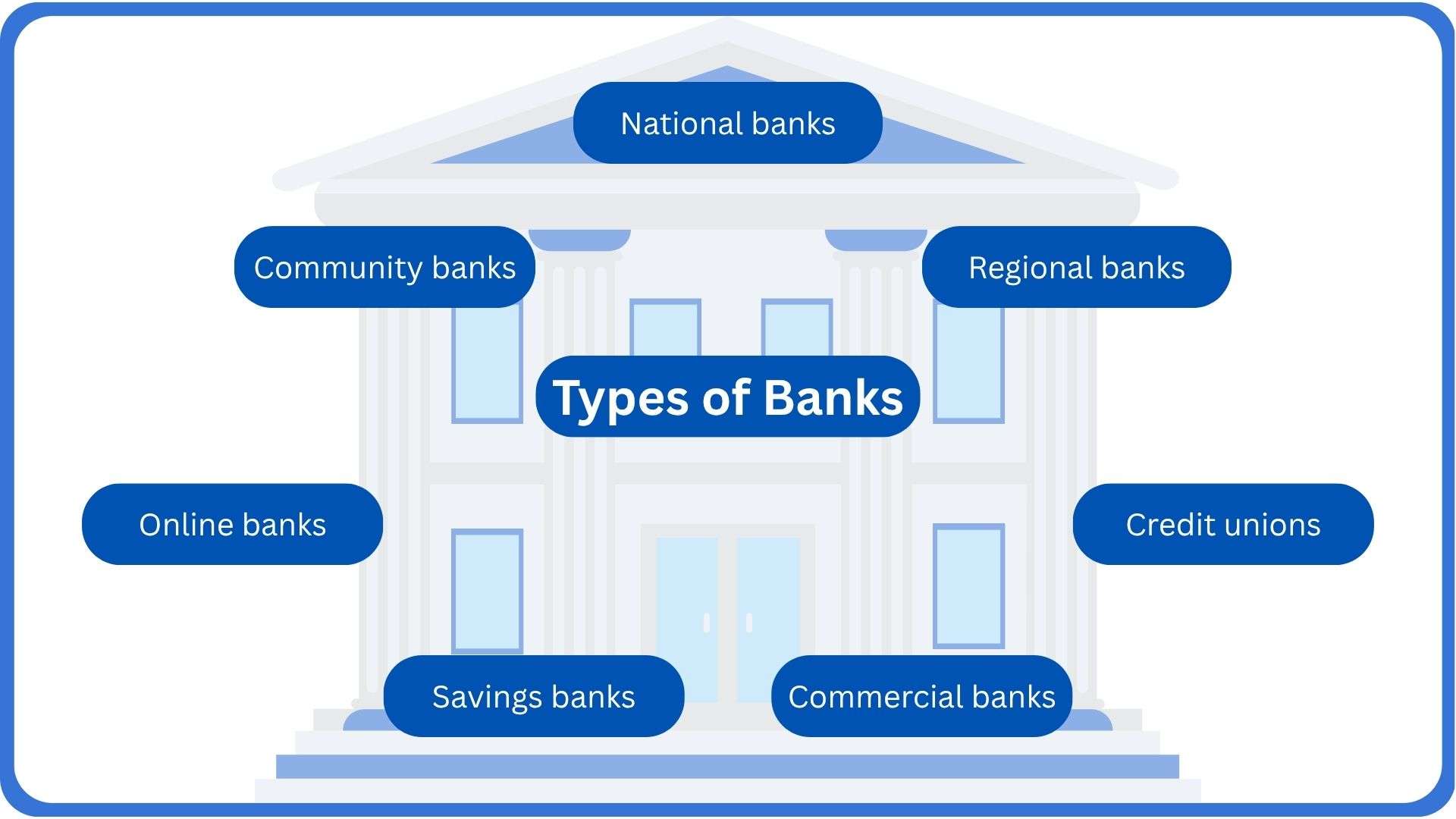
Types of Banks and Financial Institutions:
National banks: Offer a wide range of services with extensive branch networks.
Regional banks: Provide localized services and personalized customer care.
Credit unions: Member-focused institutions with competitive rates and community involvement.
Community banks: Smaller, locally-owned banks with strong community ties.
Online banks: Digital-only banks with high interest rates and low fees.
Savings banks: Focus on deposit accounts and savings options.
Commercial banks: Cater to businesses with loans and financial services.
Top 10 Best Banks in Arizona
1. Bank of America:
Bank of America stands out among banks in Arizona for its extensive branch and ATM network. It provides a wide range of financial products and services, including checking and savings accounts, auto loans, and credit cards. This bank also offers personalized service, catering to both personal and business banking needs.
Key Features:
Comprehensive banking solutions for individuals and businesses
Extensive branch network across the state of Arizona
User-friendly mobile banking app
High-quality customer support
Competitive rates on savings products and loans
2. MidFirst Bank:
MidFirst Bank offers a variety of banking options, making it a great choice for Arizona residents. Known for its personalized service and competitive rates, MidFirst Bank supports the financial well-being of its members with a range of products and services, including high-yield savings accounts and small business banking.
Key Features:
Personalized service tailored to individual and business needs
Competitive rates on savings accounts
Wide range of financial services, including small business loans
User-friendly online and mobile banking
Robust customer support network
3. Wells Fargo:
Wells Fargo is one of the largest banks in the United States, with a strong presence in Arizona. It offers a wide range of financial services, including checking and savings accounts, auto loans, and wealth management. Customers appreciate Wells Fargo for its extensive branch and ATM network, as well as its user-friendly digital banking solutions.
Key Features:
Extensive branch and ATM network throughout Arizona
Comprehensive range of financial products and services
High-quality customer support and service
Advanced online and mobile banking platforms
Wealth management and personalized financial advice
4. Chase Bank:
Chase Bank is a great choice for banking services in Arizona, offering a wide range of financial products and services. It provides personalized service, with options for both personal and business banking. Chase Bank’s robust mobile app and extensive branch network make it convenient for account holders to manage their finances.
Key Features:
Wide range of financial products and services
Extensive branch network and ATM availability
User-friendly mobile banking app
Personalized service for both personal and business banking
Competitive rates and low fees
5. National Bank of Arizona:
National Bank of Arizona offers a wide range of financial products and services, making it a top choice for residents. Known for its personalized service and competitive rates, this bank supports the financial well-being of its members with products such as high-yield savings accounts and small business banking solutions.
Key Features:
Strong community presence with personalized banking services
Competitive rates on savings accounts and loans
Wide range of financial products and services
Extensive branch network throughout Arizona
Excellent customer support and service
6. BMO Harris Bank:
BMO Harris Bank is one of the largest banks in the United States, offering a wide range of financial services to its customers. With branches and ATMs throughout Arizona, it provides convenient access to banking solutions for both personal and business needs. Known for excellent customer support, BMO Harris Bank offers competitive rates on savings products, checking and savings accounts, and a robust mobile app for digital banking.
Key Features:
Extensive branch network in Arizona.
Competitive high-yield savings accounts.
Comprehensive mobile and online banking services.
Personalized service for small business banking.
Wealth management and financial well-being services.
7. First National Bank:
First National Bank offers a wide range of financial products and services, focusing on personalized service and community banking. With branches across Arizona, this bank caters to both personal and business banking needs. It provides excellent customer support and competitive rates on various banking products, including checking accounts, savings accounts, and small business loans.
Key Features:
Strong community presence with multiple branches in Arizona.
Personalized service for account holders.
Wide range of financial services, including auto loans and business loans.
High customer satisfaction and support.
Robust online and mobile banking platforms.
8. Arizona Bank & Trust:
Arizona Bank & Trust is known for its commitment to the financial well-being of its members, offering a wide range of banking solutions. This bank provides personalized service and a variety of financial products, including high-yield savings accounts and checking accounts. With a focus on local communities, Arizona Bank & Trust ensures that account holders receive excellent customer service.
Key Features:
Personalized service tailored to individual and business needs.
Competitive rates on savings and checking accounts.
Strong focus on community banking.
Comprehensive online and mobile banking options.
Small business banking and loan products.
9. 1st Bank Yuma:
1st Bank Yuma serves the Phoenix area and the broader state of Arizona with a variety of banking options. This bank offers both personal and business banking solutions, ensuring that customers find the best services to meet their needs. With a strong focus on customer service and a wide range of financial products, 1st Bank Yuma is a great choice for local banking.
Key Features:
Extensive branch and ATM network in Arizona.
Competitive savings account rates.
Personalized service for small businesses.
Comprehensive financial products, including checking and savings accounts.
Robust online and mobile banking services.
10. CIT Bank:
CIT Bank is renowned for its high-yield savings products and comprehensive online banking services. This bank offers competitive rates on a variety of financial products, making it a great choice for those looking to open a bank account with favorable terms. CIT Bank provides a seamless digital banking experience through its mobile app and online platform, ensuring easy access to account information and banking services.
Key Features:
High-yield online savings accounts with competitive rates.
User-friendly mobile app and online banking platform.
Wide range of financial services, including checking accounts and small business loans.
Excellent customer support and service.
Secure digital account statements and account balance monitoring.
Factors to Consider When Choosing a Bank
When selecting a bank, evaluate the range of financial products and services offered, including checking and savings accounts, and auto loans. Consider the availability of branches and ATMs throughout the state of Arizona, especially in the Phoenix area.
Assess customer support quality and the convenience of online and mobile banking options. For the best savings account rate, compare various banks and credit unions.
Look for personalized service, especially from regional banks like National Bank of Arizona and Arizona Financial Credit Union.
Additionally, determine if the bank offers small business banking solutions and high-yield savings accounts.
Conclusion
Choosing the right bank among the top 10 best banks in Arizona is crucial. Each bank offers unique financial products and services. Factors like branch network, online and mobile banking, and small business banking solutions vary. Banks like Wells Fargo and Chase Bank provide extensive services, while regional options offer personalized attention. The information in this article aims to help you find the best fit for your needs. Have you determined which bank aligns best with your financial goals?
Finding the best banks in Virginia can be challenging with many options available. Research reveals that many banking customers struggle to identify the best banks in the state. Some of the largest banks in the U.S. offer a variety of account types and services. Many banks provide both personal and business accounts. Some checking accounts offer no fees and excellent service. Evaluating the best bank account in Virginia depends on specific needs, such as monitoring your credit score or having a checking account with no monthly fees. The complete guide, including branch locations in Virginia and account offers, is given in the article.
For those outside Virginia, check out the best banks in Ohio offering excellent services and competitive rates.
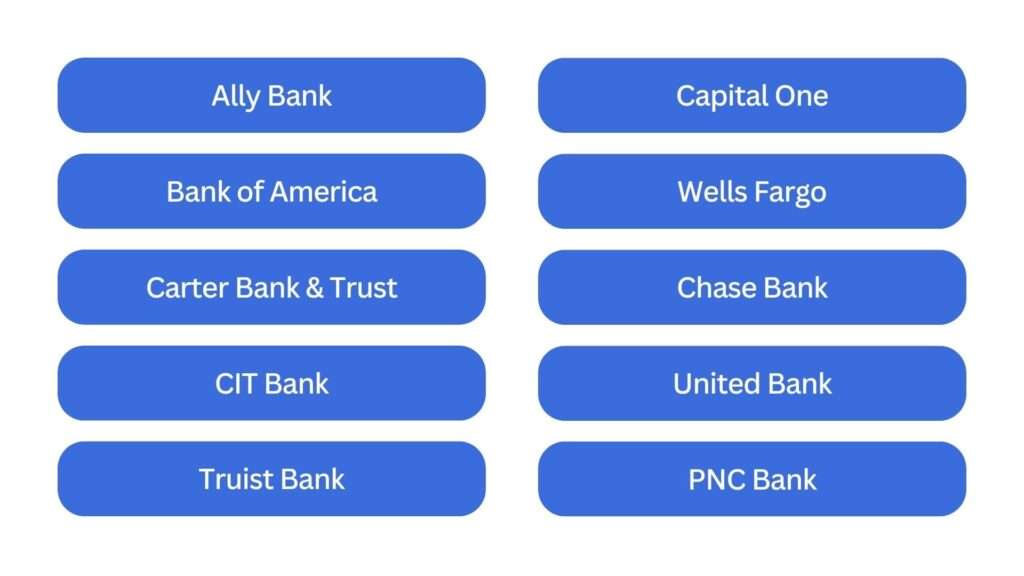
10 Best Banks in Virginia
1. Ally Bank:
Ally Bank, known for its online banking services, offers a wide range of financial products. With no physical branches, it operates entirely online, providing customers with convenience and flexibility. Ally Bank is highly regarded for its competitive interest rates on savings accounts and CDs, as well as its user-friendly digital platform. This financial institution also provides interest-bearing checking accounts and a variety of financial services tailored to meet diverse customer needs.
Pros:
High-interest rates on savings accounts
No monthly service fees
24/7 customer service
User-friendly mobile app
Cons:
No physical branches
Limited cash deposit options
No small business banking
Potential fees for out-of-network ATMs
2. Bank of America:
Bank of America stands out as one of the largest and best banks in Virginia and nationwide. It offers a comprehensive suite of banking and financial services, including checking accounts, savings accounts, credit cards, home loans, and small business banking. With numerous branches across Virginia, it provides extensive access to in-person banking. Bank of America is recognized for its robust online banking platform and mobile app, ensuring customers can manage their finances efficiently.
Pros:
Extensive branch network
Wide range of financial products
Robust online and mobile banking
Numerous credit card options
Cons:
Monthly service fees on some accounts
Higher minimum balance requirements
Average interest rates on savings accounts
Customer service can be inconsistent
3. Carter Bank & Trust:
Carter Bank & Trust, a community bank based in Virginia, focuses on personalized banking services. It offers a variety of financial products, including checking and savings accounts, home loans, and small business services. Carter Bank & Trust prides itself on building strong relationships with its customers and providing tailored financial solutions. This bank also supports local communities through various initiatives and events.
Pros:
Personalized customer service
Competitive interest rates
Focus on community involvement
Wide range of small business services
Cons:
Limited nationwide presence
Fewer online banking features
Higher minimum opening deposits
Some accounts have monthly service fees
4. CIT Bank:
CIT Bank, primarily an online bank, offers a variety of financial products with competitive interest rates. It specializes in savings accounts, CDs, and home loans, making it a strong contender for those looking to grow their savings. CIT Bank is known for its high-yield savings accounts and user-friendly online platform. Customers can benefit from its no-fee policy on many accounts and its focus on delivering quality financial services.
Pros:
High-interest rates on savings accounts and CDs
No monthly service fees
Easy-to-use online platform
Competitive home loan options
Cons:
No physical branches
Limited account types
No small business banking
Minimum balance requirements
5. Truist Bank:
Truist Bank, formed from the merger of BB&T and SunTrust, provides a wide range of banking and financial services. With an extensive branch network in Virginia, it offers checking and savings accounts, credit cards, home loans, and small business services. Truist Bank is known for its customer-focused approach and comprehensive financial solutions. The bank’s online and mobile banking platforms make it convenient for customers to manage their accounts.
Pros:
Extensive branch network
Wide range of financial products
Strong customer service
Comprehensive online and mobile banking
Cons:
Monthly service fees on some accounts
Higher minimum balance requirements
Interest rates on savings accounts could be better
Inconsistent branch experience
6. Capital One:
Capital One is one of the largest banks in the U.S. and offers a wide range of financial products. Based in McLean, Virginia, it is known for its Capital One 360 Checking Account. This account comes with no monthly fees and offers mobile check deposits, making it convenient for users. Capital One also offers credit cards with various rewards and benefits.
Pros:
No monthly fees for checking accounts
Convenient mobile banking options
Wide range of credit card options
Extensive branch locations in Virginia
Cons:
Customer service can be inconsistent
Limited physical branches compared to other big banks
Some accounts have high overdraft fees
Credit score requirements for certain products
7. Wells Fargo:
Wells Fargo is one of the biggest banks in the U.S., offering a comprehensive suite of financial services. With numerous branches in Virginia, it provides personal and business banking services, including checking or savings accounts. Wells Fargo’s mobile banking app allows customers to manage their accounts and make mobile check deposits easily.
Pros:
Extensive branch network
Robust mobile banking app
Wide variety of financial products
Strong presence in Virginia
Cons:
History of customer service issues
Higher fees for some accounts
Frequent reports of fraud and scams
Interest rates on savings accounts are relatively low
8. Chase Bank:
Chase Bank, one of the largest banks in the country, offers a range of personal and business banking services. It is well-regarded for its comprehensive credit card offerings and high customer satisfaction. Chase’s mobile app and online banking services are user-friendly and efficient.
Pros:
Excellent customer service
Wide range of credit cards and rewards
Strong online and mobile banking
Extensive branch network
Cons:
Monthly fees for some accounts
Limited fee-free ATMs
High overdraft fees
Requires good credit for most products
9. United Bank:
United Bank, based in Virginia, provides various personal and business banking services. Known for its community-focused approach, it offers checking and savings accounts, business bank accounts, and credit cards. United Bank also emphasizes local service, ensuring personalized banking experiences.
Pros:
Strong community focus
Wide range of personal and business services
Low fees for accounts
Good customer service
Cons:
Limited national presence
Fewer branch locations than larger banks
Lower interest rates on savings accounts
Fewer high-tech banking features
10. PNC Bank:
PNC Bank is a regional bank with a significant presence in Virginia. It offers a variety of financial products, including free checking accounts, business banking services, and credit cards. PNC’s Virtual Wallet feature helps customers manage their finances effectively.
Pros:
Innovative banking tools like Virtual Wallet
Competitive interest rates
Good range of personal and business products
Strong regional presence
Cons:
Monthly fees for certain accounts
Limited national presence compared to bigger banks
Some accounts have high balance requirements
Customer service can vary
Credit Unions in Virginia
Credit unions in Virginia provide members with competitive financial services. Unlike traditional banks, credit unions are member-owned and non-profit, offering personalized service and better rates. Here are some notable credit unions in Virginia:
Navy Federal Credit Union
Virginia Credit Union
Pentagon Federal Credit Union
Chartway Federal Credit Union
Apple Federal Credit Union
Credit Unions vs. Banks
CREDIT UNIONS
BANKS
Non-profit organizations
For-profit organizations
Member-owned and operated
Shareholder-owned
Typically lower fees
Often higher fees
Personalized customer service
Extensive branch and ATM networks
Focus on community and local development
A broad range of financial products
How To Choose The Best Banks In Virginia
Selecting the best banks in Virginia for 2024 requires careful consideration of several factors. One of the largest banks, Bank of America, is well-regarded for personal and business account offers. For those looking to build credit, consider banks offering credit builder programs or checking accounts with no credit check. Evaluate account options, such as savings accounts and lines of credit, to meet specific needs. Check branch locations in Virginia and compare services offered. Lastly, consider credit unions for their personalized service. Open a bank account that aligns with your financial goals and offers comprehensive services.
Debt Relief Options in Virginia
While choosing the right bank is essential for managing your finances, some Virginians may also be seeking help with existing debt. Fortunately, Virginia offers several reputable debt relief programs, including nonprofit credit counseling, debt consolidation services, and state-approved debt settlement companies. These resources can help you regain control of your finances while working toward a stable banking relationship. If you’re struggling with high-interest credit cards or loans, it’s worth exploring these options alongside selecting a bank that supports your financial recovery.
Conclusion
Determining the best banks in Virginia requires careful consideration of various factors. Factors include credit builder programs, account types, and services offered. Open an account that meets your financial goals and offers the services you need. Consider your needs for a personal or business account. Which features do you value most in a bank?
Managing corporate travel can be challenging with various travel needs, expenses, and arrangements to consider. Research indicates that businesses spend significant time and money on travel, making efficient solutions essential. B2B travel solutions streamline the entire travel management process, providing advanced travel technology, online travel agency integrations, and comprehensive travel management.
These solutions help travel managers optimize travel, manage expenses, and enhance the overall travel experience. This article provides a complete guide to the five best B2B travel solutions, offering insights into how they can benefit your business.
The Importance of B2B Travel Solutions
B2B travel solutions streamline corporate travel and enhance efficiency for travel companies and business travelers. These solutions integrate travel management and travel policies, ensuring compliance and cost savings. Utilizing a B2B travel portal simplifies booking and coordination for travel agents and corporate travel planners.
The right travel software supports the business needs of travel agencies, providing seamless travel services. For businesses seeking comprehensive digital solutions, partnering with experts in travel software development services can ensure efficient and scalable platforms tailored to industry needs. Travel portal development enables online travel management, making it easier for businesses to handle travel bookings and expenses efficiently.
5 Best B2B Travel Solutions in 2024
1. TravelPerk:
TravelPerk offers a comprehensive travel booking platform, making it easy for businesses to manage their corporate travel needs, including booking business class flights. It provides real-time travel expense tracking, ensuring that all expenditures are monitored accurately. The platform is designed to ensure compliance with integrated travel policies, helping businesses stay within budget. TravelPerk’s user-friendly interface simplifies the booking process for travel agents and corporate travelers, making it an essential tool for the travel industry. With its advanced features, TravelPerk streamlines travel management, saving time and reducing costs for businesses.
Key Features:
Comprehensive travel booking options
Real-time travel expense tracking
Integrated travel policies compliance
2. Concur Travel:
Concur Travel automates travel and expense management, providing a seamless experience for corporate travel planners. Its integration with corporate travel programs ensures that all bookings comply with company policies. The platform’s user-friendly travel booking interface simplifies the process for business travelers, reducing the hassle of managing travel arrangements. Concur Travel also offers robust reporting tools, enabling businesses to track expenses and identify cost-saving opportunities. This travel software is designed to meet the specific needs of the travel industry, making it a valuable tool for managing business travel.
Key Features:
Automated travel and expense management
Seamless integration with corporate travel programs
User-friendly travel booking interface
3. Egencia:
Egencia provides advanced travel management tools, offering a personalized travel experience for business travelers. The platform’s robust reporting and analytics features help businesses make informed decisions about their travel policies. Egencia’s travel services are tailored to meet the needs of corporate clients, ensuring a smooth and efficient travel experience. The platform’s integration with other travel software enhances its functionality, making it a comprehensive solution for travel agents and corporate travel planners. Egencia’s advanced features make it a leading choice in the travel industry.
Key Features:
Advanced travel management tools
Personalized travel services for business travelers
Robust reporting and analytics
4. Navan:
Navan leverages AI-driven travel booking to provide a personalized experience for business travelers. The platform offers real-time travel updates and support, ensuring that travelers are informed of any changes to their itinerary. Navan allows businesses to customize their travel policies, ensuring compliance and cost control. The platform’s integration with other travel management tools enhances its functionality, making it an essential tool for the travel industry. Navans’ advanced features streamline the travel booking process, saving time and reducing costs for businesses.
Key Features:
AI-driven travel booking
Real-time travel updates and support
Customizable travel policies
5. OTRAMS:
OTRAMS is a powerful B2B travel solution designed to meet the diverse needs of travel agencies and corporate travel planners. Its user-friendly travel portal development enables efficient travel booking and management. It supports a wide range of travel services, including flights, hotels, and car rentals, providing a comprehensive solution for business travel. The system’s advanced travel policies ensure compliance and optimize travel management processes. OTRAMS’ features make it an essential tool for travel companies aiming to enhance their travel management capabilities and deliver superior travel services to their clients.
Key Features:
User-friendly travel portal development
Comprehensive travel services support
Advanced travel policy compliance
10 Benefits of B2B Travel Solutions
Cost Savings: Significant cost savings are achieved by using advanced travel technology solutions, which streamline the entire travel booking process and provide real-time pricing comparisons, helping companies manage travel expenses more effectively.
Efficiency: B2B travel software simplifies complex travel arrangements, enabling travel managers to handle bookings, itineraries, and travel policies in a unified platform, ensuring smooth and efficient travel management.
Customization: White-label travel portals allow companies to tailor travel solutions to their specific needs, offering a personalized travel experience for employees and clients, and enhancing overall satisfaction.
Integration: Seamless integration with existing corporate travel management systems provides a comprehensive travel management solution, ensuring all travel-related data is synchronized and easily accessible.
Real-Time Updates: Real-time travel updates and alerts keep business travelers informed about changes to their itineraries, enhancing the overall travel experience and reducing the likelihood of disruptions.
Data Insights: Access to detailed travel data and analytics helps companies gain visibility into travel spend patterns, enabling better decision-making and optimization of travel programs.
Global Reach: Leading B2B travel platforms provide access to a global travel ecosystem, allowing businesses to book travel services with international travel suppliers and tour operators efficiently, a critical feature for those in hospitality business management handling cross-border guest experiences. This means corporate travelers can easily arrange everything from international meetings to incentive trips like a Sydney tour, all within the same platform.
Support: Comprehensive support from B2B travel agencies and travel management companies ensures that travel managers and business travelers receive assistance whenever needed, improving the overall travel experience.
Scalability: Scalable travel solutions are designed to grow with the business, providing flexibility to add new features and services as travel needs evolve, ensuring continuous improvement in travel management.
Best Practices for Choosing B2B Travel Solution
When selecting the right B2B travel solution, it’s essential to consider several factors to ensure it meets the company’s needs. First, evaluate the features offered by different travel management solutions, focusing on those that provide comprehensive travel management and expense tracking capabilities. Look for solutions that offer real-time updates and seamless integration with existing corporate systems, which will enhance efficiency and data synchronization.
Consider the customization options available, especially with white-label travel portals, to ensure the solution can be tailored to specific business requirements. Additionally, prioritize solutions with robust support services from travel management companies, which can help travel managers and business travelers in times of need. Partnering with a trusted travel technology solutions provider ensures seamless integration and expert support throughout the journey.
It’s also crucial to assess the scalability of the solution, ensuring it can grow with the business and accommodate increasing travel demands. Investigate the analytics and reporting capabilities of the travel solution, as these will provide valuable insights into travel spend and patterns, aiding in the optimization of travel programs. Leveraging proxy management solutions like Rayobyte tools can further enhance data security and facilitate efficient access to real-time travel data across global platforms, ensuring seamless travel operations.
Finally, ensure that the chosen solution can provide global reach and access to a wide range of travel suppliers and services. This will enable efficient international travel arrangements and support a comprehensive travel management strategy. By considering these best practices, companies can find a B2B travel solution that enhances efficiency, reduces costs, and improves the overall travel experience.
Conclusion
Efficient travel management is crucial for modern businesses, but choosing the right B2B travel solution can be daunting. The five best B2B travel solutions streamline travel processes, manage travel expenses, and enhance the overall travel experience. With the right tools, businesses can achieve better visibility into travel spend, optimize travel arrangements, and improve employee satisfaction. What specific features do you consider essential in a B2B travel solution?
FAQs
1. How do B2B travel solutions benefit businesses?
They streamline travel arrangements, reduce costs, and provide detailed travel spend insights.
2. What is a white-label travel portal?
A customizable travel solution branded to meet specific business needs.
3. Why choose leading B2B travel platforms?
They offer advanced features, real-time updates, and comprehensive support.
4. How can travel and expense management help?
It simplifies tracking travel expenses and ensures compliance with corporate policies.
5. What role do travel management companies play?
They provide expert support and manage travel arrangements for businesses.
Finding the best banks in Ohio for 2024 can be overwhelming. With many banks and credit unions operating in Ohio, choosing the right bank can be challenging. PNC Bank and Huntington Bank are among the largest banks in Ohio, offering a wide range of financial services. State and community banks also provide excellent in-person customer service, supporting local small businesses. The largest financial services firms in the United States, like Citizens Financial Group, are headquartered in Columbus and have strong relationships with customers. This article will help you find the best bank for your needs. A complete guide is given in the article.
5 Best Banks in Ohio in 2024
1. Huntington National Bank:
Huntington National Bank stands out as one of the best banks in Ohio in 2024. This financial institution offers a wide range of banking products and services tailored to meet diverse customer needs. Huntington’s robust online banking system and extensive branch network make it a top choice for many Ohio residents.
Online Banking: A user-friendly online banking platform that provides easy access to accounts and services.
Savings Account: Competitive interest rates on savings accounts help customers grow their savings effectively.
Checking Accounts: A Variety of checking accounts are available to cater to different financial needs and preferences.
Credit Cards: Multiple credit card options with various rewards and benefits.
Branch Locations: The extensive network of branches across Ohio ensures convenient access to banking services.
2. Fifth Third Bank:
Fifth Third Bank is renowned for its comprehensive financial products and customer-centric services. This regional bank offers solutions that cater to both personal and business banking needs. Fifth Third Bank’s extensive product range and focus on customer satisfaction set it apart as a leading bank in Ohio.
Financial Services: Wide array of financial services, including investment and wealth management.
Checking and Savings Accounts: Various checking and savings account options to meet different financial goals.
Credit Cards: Diverse credit card offerings with attractive rewards programs.
Business Banking: Specialized services and products designed for businesses of all sizes.
Branch Locations: Numerous branches and ATMs throughout Ohio provide easy access.
3. KeyBank:
KeyBank is a prominent financial institution with a strong presence in Ohio. Known for its range of banking and financial products, KeyBank caters to a broad spectrum of customers. KeyBank’s commitment to providing top-notch financial products and services makes it a preferred choice for many in Ohio.
Savings Bank: High-yield savings accounts designed to maximize returns on savings.
Checking Accounts: Multiple checking account options to suit different customer needs.
Credit Cards: A variety of credit cards with competitive rates and rewards.
Financial Services: Comprehensive financial services, including investment and retirement planning.
Branch Locations: A wide network of branches ensures accessibility and convenience.
4. PNC Bank:
PNC Bank offers a diverse range of banking and financial services, making it one of the best banks in Ohio in 2024. Its extensive product offerings and customer-focused approach make it a top contender in the Ohio banking market.
Online Banking: Advanced online banking platform for easy account management and transactions.
Savings Account: Competitive interest rates on savings accounts to help grow savings.
Checking and Savings Accounts: Flexible checking and savings account options tailored to customer needs.
Credit Cards: Variety of credit cards with different rewards and benefits.
Branch Locations: Numerous branches across Ohio provide convenient access to services.
5. Chase Bank:
Chase Bank is a leading financial institution known for its comprehensive range of banking services. In Ohio, Chase Bank continues to be a top choice for individuals and businesses alike. Chase Bank’s strong presence and diverse financial products make it a reliable option for banking in Ohio.
Financial Products: Broad spectrum of financial products, including loans, mortgages, and investment services.
Checking Accounts: Multiple checking account options to cater to diverse financial needs.
Credit Cards: Wide range of credit cards with attractive rewards and benefits.
Online Banking: Robust online banking platform for seamless account management.
Branch Locations: An extensive network of branches and ATMs across Ohio ensures easy access.
How To Choose the Right Bank in Ohio
Choosing the right bank in Ohio depends on several factors. Many banks in Ohio offer various types of accounts to meet different needs. Huntington Bank and Fifth Third Bank are popular options. Look for banks with physical branches in Ohio if in-person service is important to you. Ohio residents might prefer banks with good customer service and competitive rates.
When deciding, consider:
Types of Accounts: Ensure the bank offers the accounts you need, such as basic checking or savings.
Customer Service: Look for banks known for excellent customer service.
Branch Locations: Choose a bank with locations near your home or work.
Services Offered: Check if the bank provides a full range of financial products, including auto loans and personal finance management tools.
Online and Mobile Banking: Evaluate the bank’s mobile banking app and online services.
Rates and Fees: Compare balance requirements and interest rates.
Community Involvement: Some prefer banks that support local small businesses and the needs of the community.
Comparing Banks and Credit Unions
Banks and credit unions both offer an array of banking and financial services, but they operate differently. Banks, including national banks like Capital One and community banks, are for-profit institutions. They typically provide a broad range of financial products and services, including personal finance tools, auto loans, and competitive interest rates. Large banks often have numerous physical branches in Ohio, which can be convenient for customers who prefer in-person service.
Credit unions, on the other hand, are non-profit organizations. They often offer higher interest rates on savings accounts and lower rates on loans. Credit unions are known for strong relationships with customers and excellent customer service. While they might have fewer branches, they frequently provide competitive rates and a more personal banking experience. Credit unions may earn a commission from lower fees and member-focused services, making them an attractive option for many Ohio residents.
Conclusion
The top five best banks in Ohio for 2024 include KeyBank, Chase Bank, Huntington Bank, and other major institutions. These banks offer a wide range of services and have strong customer relationships. They are some of the largest financial services firms in the United States. Each bank provides excellent in-person customer service and has multiple locations in the state. They cater to personal finance needs and support small businesses. Are you currently satisfied with your bank, or are you considering a switch to one of Ohio’s top banks?
FAQs
1. How do I choose the right bank in Ohio?
Consider account types, customer service, branch locations, and fees.
2. Is it easy to switch banks in Ohio?
Yes, many banks assist in switching accounts.
3. Do Ohio banks offer online banking?
Yes, most banks offer robust online and mobile banking services.
4. Are there any large national banks in Ohio?
Yes, banks like Capital One and Chase operate in Ohio.
5. What types of accounts do Ohio banks offer?
Basic checking, savings, auto loans, and personal finance management tools.
Homeowners often face confusion about MUD tax and its implications. Municipal Utility Districts (MUDs) are vital for developing infrastructure in areas outside of city limits. Many people struggle with understanding how MUD taxes affect their property’s assessed value and overall tax bill.
MUD taxes generally fund essential services like water and sewage. These taxes are typically paid through escrow. Although MUD taxes can improve community amenities, they may also increase overall tax burdens.
This article provides a comprehensive guide on MUD tax, explaining its benefits and drawbacks to help you make informed decisions.
What is a MUD Tax?
A MUD tax, levied by a Municipal Utility District, funds infrastructure and utility services like water and sewer. These districts, common in the state of Texas, enable developers to finance essential community facilities. Property owners within MUDs pay this tax, which appears alongside their property tax. In some cases, property owners may be eligible for a tax credit to offset part of the cost. The funds collected support the construction and maintenance of utilities, drainage systems, and community amenities.
Board members, elected by residents, oversee the district’s operations, ensuring transparency and accountability. This tax allows for well-developed infrastructure without initial high costs for developers.
How Much is the MUD Tax?
The MUD tax rate varies based on the district’s needs and financial obligations. Typically, the tax rate ranges from $0.50 to $1.50 per $100 of assessed property value. Property owners can find specific rates on their annual property tax statements. The tax is calculated similarly to property tax, ensuring necessary funds for utility and infrastructure maintenance.
Homeowners should contact their district’s board members for precise information. Living in a MUD often means additional taxes, but the enhanced property values and improved services provide significant benefits.
Benefits of MUD Tax
Improved Infrastructure: MUD taxes finance water and sewer projects in rural areas that lacked the resources to build their own infrastructure.
Enhanced Community Amenities: Municipal Utility Districts provide services such as parks, recreational facilities, parking solutions, and other important infrastructure projects.
Development of New Housing: MUDs allow builders and developers to fund the development of infrastructure in areas outside of city limits, promoting new housing for families and individuals.
Reduced Initial Costs for Homeowners: MUDs share the cost of infrastructure development with homeowners, reducing the initial financial burden.
Community Growth and Improvement: As the community grows, the publicly elected board ensures continuous improvement and maintenance of infrastructure.
Property Value Increase: Quality infrastructure and services provided within the district can enhance the overall value of your property.
Efficient Service Delivery: MUDs provide water, sewage, and other municipal services more efficiently, ensuring residents receive consistent and reliable services.
Long-Term Planning: Funded through bonds, MUDs can finance long-term infrastructure projects, ensuring sustained community development.
Drawbacks of MUD Tax
Additional Financial Burden: Homeowners then pay MUD taxes, which can significantly increase the overall tax bill.
Debt repayment: Homeowners generally use MUD taxes to repay bonds, adding to their long-term financial obligations.
Potential for Increased Costs: As the community grows, service costs and taxes may increase, impacting homeowners’ budgets.
Complex tax structure: New homeowners can find it challenging to understand the MUD tax rates and their calculations.
Limited Control: The elected board of directors makes decisions on spending, which might not always align with individual homeowners’ preferences.
Bond obligations: MUD taxes pay off bonds, and slow debt reduction may result in prolonged tax payments.
Overlapping Tax Jurisdictions: Homeowners within a MUD might also have to pay city property taxes, leading to higher overall tax obligations.
Public Accountability: While a publicly elected board manages MUDs, ensuring transparency and accountability can be difficult.
How Are New Services Paid For?
The district issues bonds to fund new services within a Municipal Utility District (MUD). Property owners repay these bonds over time through collected MUD taxes. MUD taxes generally include costs for water, sewage, and infrastructure in areas outside of city limits. Property owners typically pay these taxes through escrow as part of their overall tax bill. This method funds the infrastructure needed for new housing for families and individuals. It doesn’t burden existing residents.
Who Operates a Municipal Utility District?
A Municipal Utility District (MUD) is operated by an elected board known as the MUD board. This board oversees the management and provision of services such as water, sewage, and infrastructure within the district. The Texas Commission on Environmental Quality (TCEQ) regulates MUDs to ensure compliance with state standards. In areas like Fort Bend County, MUD elections are held to choose board members who will represent the community’s interests. The board also works with developers to plan and fund necessary infrastructure through bonds, ensuring that the MUD operates efficiently.
Funds water, sewage, and infrastructure in MUD areas
Supports general city and county services
Managed by an elected MUD board and regulated by the TCEQ
Collected by city or county governments
Based on the assessed value of properties within the MUD boundaries
Based on the property’s assessed value in the city or county
Typically paid through escrow with the property’s overall tax bill
Included in the annual property tax bill
Applies to properties within the MUD, usually outside city limits
Applies to properties within city or county limits
Can increase due to improved infrastructure but may decline over time as bonds are paid off
Directly influences property values due to the quality of city and county services provided
Fort Bend County, master-planned communities
City property taxes apply across various urban and suburban areas
Funded through bonds approved by the MUD board
Funded through general city or county budgets
Conclusion
Understanding MUD tax can significantly impact the value of your property and community services. While MUD taxes fund essential services and infrastructure, they can also lead to higher tax bills over time. Balancing these benefits and drawbacks is crucial for homeowners. Do you feel prepared to manage the potential financial implications of living in a MUD?
FAQs
1. Can MUD tax rates change?
Yes, rates can change based on the district’s needs and approved budgets.
2. Are MUD taxes included in the property tax bill?
Yes, they are typically included in the overall tax bill paid through escrow.
3. What services do MUD taxes pay for?
They fund water, sewage, and infrastructure improvements within the district.
4. Is living in a MUD more expensive?
It can be due to additional MUD taxes on top of city property taxes.
5. How do MUD taxes affect property values?
Improved infrastructure can increase property values, but high taxes may deter buyers.
DVI vs VGA, choosing between them can be challenging for those unsure about which option suits their needs best. DVI stands for Digital Visual Interface, offering superior image quality compared to VGA, which is an analog standard known as Video Graphics Array. The main differences lie in signal type, resolution, and compatibility.
VGA’s analog connection often results in lower image quality, especially with longer cables. In contrast, DVI provides a clearer, sharper display. The complete guide on the differences between DVI and VGA, covering signal type, resolution, connectors, applications, and future-proofing, is given in this article.
What is a DVI?
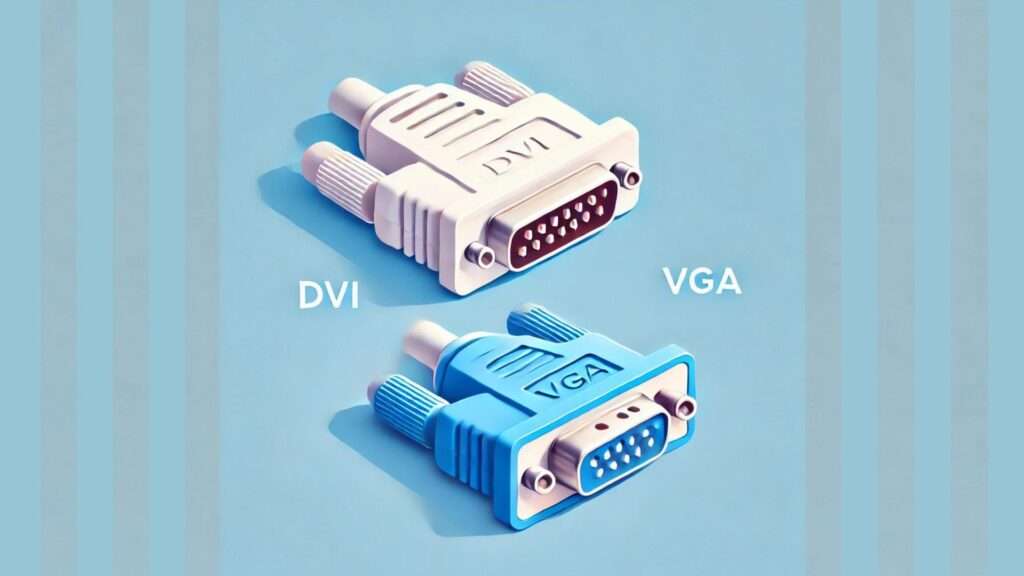
A DVI (Digital Visual Interface) is a video display interface developed to provide a high-quality visual connection between a computer and a monitor. The DVI connector supports digital signals, which allow for sharper and clearer images compared to analog connections. DVI cables come in three main types: DVI-D (digital only), DVI-A (analog only), and DVI-I (integrated, supporting both digital and analog signals). This versatility makes it compatible with a wide range of devices, from LCD monitors to video cards. The DVI port typically features a set of pins arranged to carry both the video signal and the synchronization data. Adapters are available to convert DVI to other interfaces, such as HDMI and VGA, enhancing its utility in various setups.
What is a VGA?
A VGA (Video Graphics Array) is an older video display standard that transmits analog signals from a computer to a monitor. VGA connectors, recognized by their blue 15-pin configuration, are widely used for connecting video cards to displays. Despite being considered outdated compared to digital interfaces like DVI and HDMI, VGA cables remain prevalent due to their compatibility with many legacy systems. VGA ports are still found on various devices, including projectors and older LCD monitors. The analog signal transmitted through VGA can be prone to interference, leading to lower image quality compared to digital signals. However, adapters are available to connect VGA to DVI or HDMI ports, extending its usability.
DVI vs VGA: Key Differences
1. Signal Type:
DVI and VGA differ primarily in their signal type. VGA, known as Video Graphics Array, transmits an analog signal, which can degrade over longer cable lengths. In contrast, DVI, which stands for Digital Visual Interface, transmits digital signals, maintaining better picture quality over longer distances. The analog connection in VGA may cause signal loss, impacting image clarity. DVI can carry both analog and digital signals, offering versatility. Compared to VGA, DVI provides superior signal quality, making it a preferred choice for modern display devices.
2. Resolution and Image Quality:
VGA’s analog signal supports lower resolutions and can result in reduced image clarity on higher-resolution displays. DVI supports higher resolutions and maintains better clarity and sharpness. DVI is newer and supports both single-link and dual-link formats, offering higher resolutions and better image quality. VGA to DVI adapters can be used to connect older VGA monitors to DVI sources, but the image quality might still be inferior. For high-definition displays, DVI offers a clear advantage in maintaining picture quality without signal degradation.
3. Connector Types and Pins:
VGA connectors are typically blue with 15 pins arranged in three rows. DVI connectors come in various types, including DVI-A, DVI-D, and DVI-I, each with different pin configurations. The standard VGA connector only supports analog signals, while DVI can support both analog and digital signals, depending on the type. DVI connectors and ports are more versatile, allowing for connections with different types of displays. VGA adapters and converters can bridge the gap between VGA and DVI connections, but DVI’s variety of connectors makes it more adaptable for various devices.
4. Applications and Use Cases:
VGA is commonly used in older monitors and projectors that rely on analog signals. DVI, however, is widely used in modern LCD monitors, digital projectors, and other display devices that require high-definition video signals. DVI cards are often used to connect a DVI card to a CRT monitor or an LCD monitor, ensuring compatibility with various display technologies. VGA to DVI and DVI to VGA converters allow older and newer devices to interface, but DVI is preferred for its superior quality in digital applications. HDMI and DVI share similarities, but DVI is more commonly found in PC monitors.
5. Future-Proofing and Availability:
DVI offers better future-proofing compared to VGA, which is becoming less common in newer devices. Standards like HDMI have largely replaced VGA and DVI in modern consumer electronics, but DVI remains relevant in many professional and industrial applications. VGA is an analog standard and is gradually being phased out in favor of digital interfaces like DVI and HDMI. DVI’s ability to carry both analog and digital signals ensures compatibility with a wide range of devices. For longevity and quality, DVI stands out as a more robust option for current and future display needs.
Conclusion
When comparing DVI vs VGA, several distinct differences in signal type, resolution, and compatibility emerge. DVI stands for Digital Visual Interface and supports both analog and digital signals. VGA, or Video Graphics Array, is limited to analog signals, which impacts picture quality and cable length. Standards like HDMI have largely replaced both, but DVI still offers better performance compared to VGA. DVI can support single-link and dual-link formats, enhancing image clarity. Considering these differences between DVI vs VGA, which connection type do you prefer for your display needs?
FAQs
1. Does DVI support analog signals?
Yes, DVI can carry both analog and digital signals, depending on the type.
2. Which has better cable length support, DVI or VGA?
DVI supports longer cables without significant loss in image quality compared to VGA.
3. Can I connect a VGA monitor to a DVI source?
Yes, you can use a VGA to DVI adapter to connect the devices.
4. What are the types of DVI connectors?
Types include DVI-A (analog), DVI-D (digital), and DVI-I (integrated).
5. Is DVI compatible with HDMI?
Yes, DVI is compatible with HDMI using the correct adapter or cable.
Facing a tax bill without receiving any cash can be confusing and frustrating. Phantom tax arises when taxpayers have taxable income without actually receiving the cash. This situation leads to unexpected tax liabilities and a higher tax burden.
For instance, the IRS still considers income from zero-coupon bonds or distributions from partnerships, even when not received in cash. Taxpayers must pay taxes on this income, increasing their tax liability.
Understanding the concept of phantom tax and planning for it is crucial. This article provides a complete guide to help taxpayers manage phantom income effectively and mitigate its impact.
What is Phantom Tax?
Phantom tax occurs when taxpayers owe taxes on income that has not been actually received. This type of income, known as phantom income, can arise from various sources like partnerships, investments, or distributions. Taxpayers are required to pay tax on the taxable income even if no cash was received.
The Internal Revenue Service (IRS) treats this as income for tax purposes, leading to potential tax liabilities. Tax planning becomes crucial in managing these unexpected tax burdens. Investors and stakeholders must stay informed to mitigate the tax implications effectively.
Impact on Taxpayers:
Taxable income increases without receiving any cash.
Creates a tax burden that affects liquidity.
Requires careful tax planning to manage liabilities.
Often necessitates consultation with a tax professional.
Examples of Phantom Tax
Phantom tax can result from various financial situations where income is recognized but not actually received. For instance, a partnership might distribute profits on paper without a cash payout. Similarly, capital gains from reinvestments or depreciation recaptures can lead to phantom tax. Taxpayers might find themselves liable for taxes on these unrealized gains or losses. The IRS mandates tax payments on these incomes, which can complicate financial planning and increase the overall tax burden for individuals and businesses.
Common Scenarios:
Partnerships distributing profits not received as cash.
Reinvested capital gains triggering tax liabilities.
Investments generating income without actual cash distributions.
Tax Planning for Phantom Income
Strategies to Mitigate Impact:
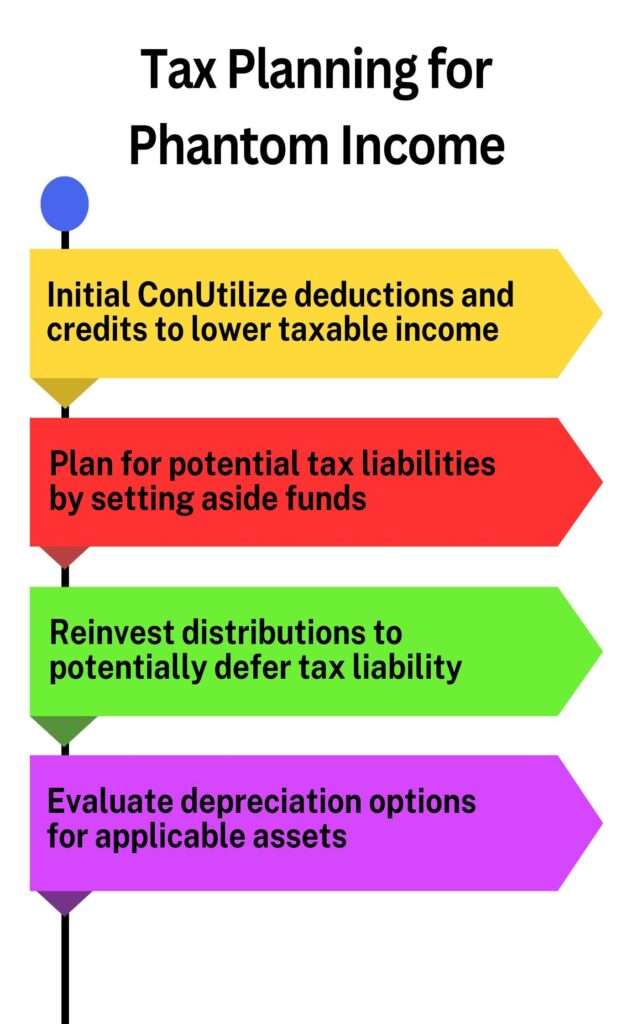
Tax planning is crucial when dealing with phantom income, which increases taxable income without actual cash received. To mitigate the impact, consider the following strategies:
Utilize deductions and credits to lower taxable income.
Plan for potential tax liabilities by setting aside funds.
Reinvest distributions to potentially defer tax liability.
Evaluate depreciation options for applicable assets.
Professional Advice:
Consulting a tax professional is vital for managing phantom income. They can provide tailored strategies to minimize tax burden and ensure compliance with IRS regulations. Tax professionals can also help identify deductions, understand potential tax implications, and develop a comprehensive tax plan, mitigating unexpected tax liabilities.
Managing Phantom Tax Liabilities
Effective Management Techniques:
Effective management involves proactive planning and informed decision-making. Techniques include:
Regularly review financial statements to anticipate taxable income.
Implement tax-efficient investment strategies.
Utilize depreciation to offset gains and reduce taxable income.
Maintain adequate liquidity to cover unexpected tax liabilities.
In addition to financial strategies, prenuptial agreements can help protect assets, ensuring more effective management of potential tax liabilities.
Tools and Resources:
Several tools and resources can assist in managing phantom tax liabilities effectively:
Tax planning software can help forecast and plan for tax liabilities.
Financial advisors can offer personalized investment strategies.
IRS publications provide detailed guidance on relevant tax regulations.
Online calculators help estimate potential tax impacts and required payments.
Tax Deductions Related to Phantom Income
Phantom income often leads to unexpected tax liabilities. To manage these, specific tax deductions can be utilized. For example, individuals can offset their rental income with mortgage interest deductions.
Additionally, capital losses from other investments might help mitigate the effects of phantom income. Understanding the Internal Revenue Code and relevant tax laws is essential to identify all available deductions.
Engaging an experienced tax professional can aid in maximizing these deductions and potentially avoid significant tax burdens. Effective tax planning strategies should be considered each tax year to address these issues.
Cryptocurrency and Phantom Income
Cryptocurrency transactions can result in phantom income, impacting your tax liabilities. For instance, zero-coupon bonds in the crypto space might increase in value, creating taxable income even if no cash is received.
According to the Internal Revenue Code, such increases are considered phantom income and subject to tax. Crypto investors should report these gains accurately to avoid penalties. Services offering Paybis crypto payouts can help streamline the process of receiving digital assets, but it’s still essential to track and report any resulting gains properly.
It’s crucial to understand the specific tax rules governing cryptocurrency and seek professional advice. Experienced tax professionals can help navigate these complex tax issues, ensuring compliance and optimizing your tax strategy.
Stake and Phantom Income
Stake-related activities often result in phantom income, which arises even if no cash is received. For example, equity partners in firms structured as partnerships may report phantom income from increases in their stake value. This income is still considered taxable and must be reported. An operating agreement might outline how this income is distributed and managed.
Stakeholders should be aware of the potential tax liabilities and understand the tax rules applicable to their investments. Consulting with tax professionals can provide strategies to manage these unexpected tax liabilities effectively, ensuring compliance and optimal tax outcomes.
Conclusion
Phantom tax can lead to unexpected tax burdens, requiring careful tax planning and professional advice. Understanding the tax rules and implications is essential for managing phantom income. Have you ever faced phantom tax issues? Share your experiences and strategies for handling such tax challenges.
Are you intrigued by the potential of digital entrepreneurship but unsure where to start? The concept of digital dropshipping offers a compelling solution for aspiring online business owners. Research indicates a rising trend towards digital goods due to their low overhead costs and global accessibility. This article outlines what digital dropshipping entails and highlights the best products to consider for maximizing profitability.
By understanding the dynamics of this innovative business model, you can tap into a thriving market with minimal upfront investment. The complete guide to launching your digital dropshipping venture awaits within these pages.
What is Digital Dropshipping?
Digital dropshipping involves selling digital products online without needing to handle physical inventory or shipping. It operates similarly to traditional dropshipping but focuses exclusively on digital goods such as e-books, software, online courses, and digital art. Sellers set up online stores, often using platforms like Shopify, to showcase and sell these products. When a customer makes a purchase, the seller forwards the order details to the supplier who then delivers the product directly to the customer.
Interested in reverse dropshipping? Learn how to optimize your supply chain and maximize profits today!
Advantages of Digital Dropshipping
No Physical Inventory: Eliminates storage costs and the need to manage physical stock.
Low Overhead: Requires minimal investment in warehousing or shipping infrastructure.
Global Reach: Access a worldwide audience without geographical limitations.
High-Profit Margins: Digital products often have lower production costs and higher profit margins.
Scalability: Easily scale operations as there’s no constraint on inventory or physical space.
Instant Delivery: Customers receive products instantly, enhancing user experience.
Flexible Business Model: Easily pivot between different digital products to meet market demand.
Reduced Risk: Lower risk of inventory obsolescence or unsold stock compared to physical products.
8 Best Digital Dropshipping Products in 2024
1. Digital Artwork:
Digital artwork, including illustrations, paintings, and graphic designs, offers unique aesthetics that appeal to a wide range of consumers. It allows artists to reach global audiences without the limitations of physical shipping. Dropshippers can capitalize on niche markets seeking customizable art pieces and prints. This makes it an ideal product category for aspiring online business owners seeking low-barrier entry into creative digital markets. Platforms like Shopify facilitate easy integration and sale of digital art products. Art enthusiasts and businesses alike benefit from the convenience and variety of digital artworks available online.
2. Ebooks and Guides:
Ebooks and guides provide valuable information on diverse topics, catering to specialized knowledge seekers. They are popular for their accessibility and cost-effectiveness compared to traditional books. Dropshipping ebooks allows sellers to offer expertise without inventory management. Topics range from self-help and educational resources to technical manuals and fiction. Shopify apps enhance visibility and sales through targeted marketing and SEO strategies.
3. Software and Apps:
Software and apps offer practical solutions across productivity, entertainment, and utility sectors. Dropshipping these digital products ensures rapid delivery and global accessibility. A well-designed B2C marketplace solution enhances this accessibility, connecting sellers with customers worldwide seamlessly. Entrepreneurs benefit from recurring revenue models and scalability in the digital market. Shopify’s app ecosystem supports seamless integration and customer support solutions. Continuous updates and customer feedback drive innovation and market competitiveness.
4. Music and Audio Files:
Music and audio files, including sound effects and podcasts, serve entertainment and professional needs. They are popular among content creators, advertisers, and multimedia producers. Dropshipping digital audio products ensures instant delivery and minimal overhead costs. Shopify’s digital product management tools streamline licensing and distribution. Customizable playlists and subscription models enhance user engagement and retention.
5. Graphic Design Templates:
Graphic design templates are highly sought-after digital products for dropshipping due to their versatility and wide-ranging appeal across industries. From logos and social media posts to presentations and flyers created with a flyer creator app, these templates are essential for businesses and individuals looking to create professional-quality marketing materials quickly and efficiently. They offer a time-saving solution, enabling users to easily customize designs while maintaining a high level of creativity and visual appeal. These templates offer scalability and customization options, allowing buyers to personalize designs according to their needs. Businesses also turn to a design agency for additional support in creating custom templates tailored to their brand.
6. Photography and Stock Images:
Photography and stock images are essential digital products for dropshipping, serving creative professionals, marketers, and content creators worldwide. They encompass a wide range of high-quality photos and visuals suitable for various purposes. Stock images provide a cost-effective solution for obtaining professional-grade visuals without hiring photographers. They cater to diverse niches, including business, lifestyle, and technology, meeting specific thematic requirements.
7. Printable Digital Products:
Printable digital products encompass a wide range of items that customers can download and print at home. These include planners, stickers, artwork, and educational materials. They are popular due to their convenience and customization options for buyers. However, if you decide to sell printable digital products, make sure to offer secure payment options, and work with an open banking payments provider to ensure seamless transactions for your customers.
8. Digital Memberships:
Digital memberships offer exclusive access to content or services for a recurring fee. They can include subscription-based services, online communities, or VIP access to digital content. This model ensures steady revenue and customer engagement in the digital dropshipping landscape.
Marketing Strategies for Digital Dropshipping
Targeted Advertising Campaigns: Utilize platforms like Facebook Ads and Google Ads to reach specific audiences interested in digital products.
Content Marketing: Create engaging blog posts, videos, and infographics that highlight the benefits of your digital products.
Email Marketing: Build a subscriber list and send targeted email campaigns promoting new products and special offers. To enhance the security of your emails and protect your domain, consider using an SPF generator to configure sender policy frameworks and prevent unauthorized access.
Influencer Partnerships: Collaborate with influencers in your niche to promote your digital products to their followers.
SEO Optimization: Implement effective SEO strategies to improve visibility on search engines and drive organic traffic to your Shopify store.
Social Media Engagement: Maintain an active presence on platforms like Instagram, Twitter, and LinkedIn to engage with your audience and promote your products.
Affiliate Marketing: Recruit affiliates who can promote your digital products in exchange for a commission on sales generated.
Customer Reviews and Testimonials: Showcase positive feedback from customers to build trust and credibility.
Cross-Promotions: Partner with complementary brands to cross-promote each other’s products to expand your reach.
Free Trials and Demos: Offer free trials or demos of your digital products to attract potential customers and encourage them to make a purchase.
Conclusion
Digital dropshipping offers a dynamic pathway to enter the e-commerce realm without the need for physical inventory. By leveraging digital products like ebooks, software, and digital artwork, entrepreneurs can tap into global markets with minimal overhead. The flexibility and scalability of this model make it an attractive option for aspiring business owners. Are you ready to explore the potential of digital dropshipping for your entrepreneurial journey?