Author: Abdul Moeed

  • Amazon FBA vs Dropshipping in 2024: Weighing the Pros and Cons

    Amazon FBA vs Dropshipping in 2024: Weighing the Pros and Cons

    amazon fba vs dropshipping

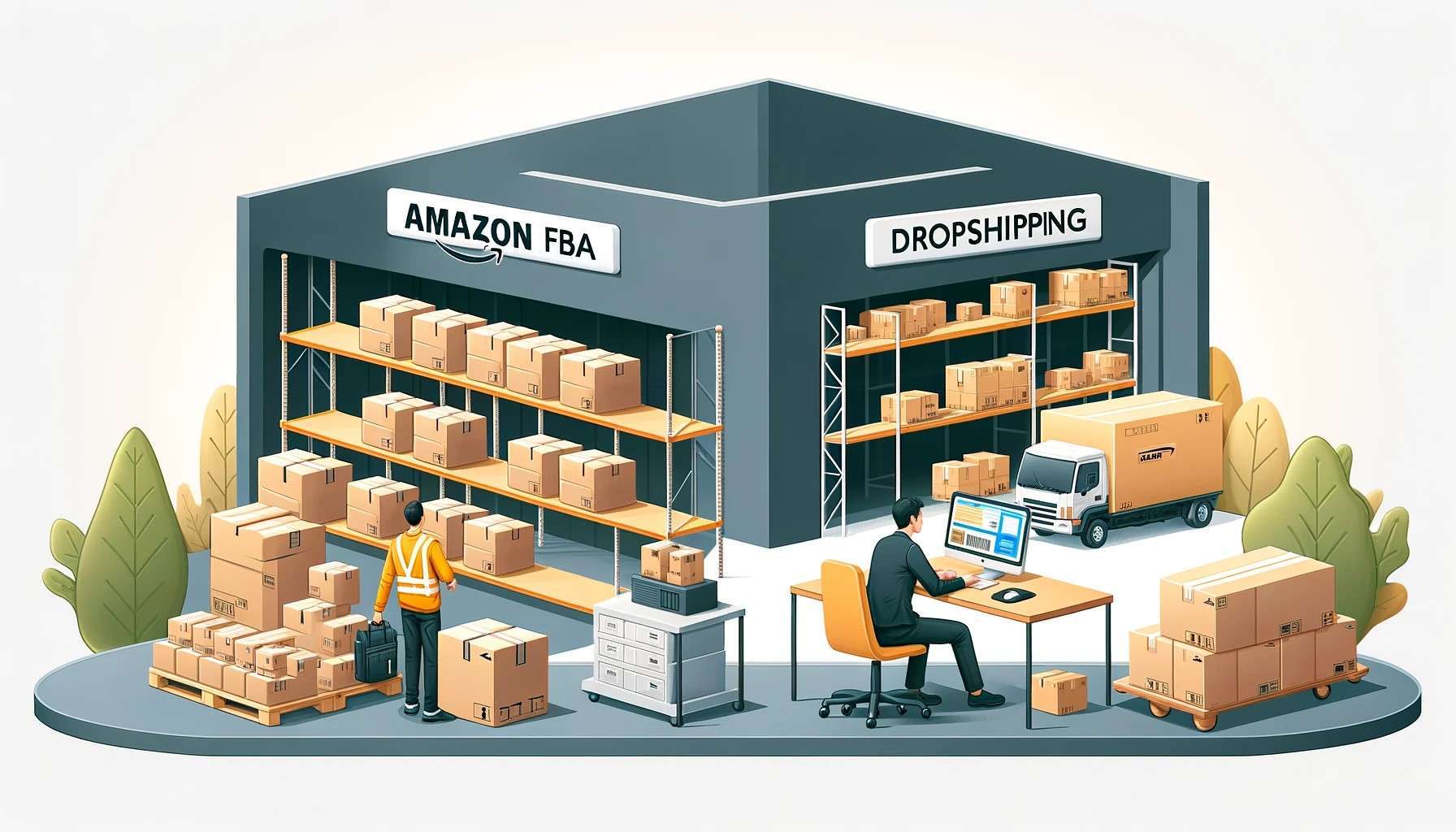
    Choosing Amazon FBA vs dropshipping can be challenging. This decision affects your e-commerce business’s success. Amazon FBA vs dropshipping offers distinct advantages and drawbacks. Each model impacts fulfillment, inventory, and profit margins. Amazon FBA allows sellers to use Amazon’s fulfillment centers, ensuring fast prime shipping.

    However, FBA fees can be high. On the other hand, the dropshipping business model lets you sell products without holding inventory. This model may result in lower profit margins. To understand which is the better option for 2024, a detailed comparison is needed. This guide covers the pros and cons of each model.

    How Amazon FBA and Dropshipping Works?

    Amazon FBA handles inventory and order fulfillment for sellers. Products are stored in Amazon warehouses and shipped directly to customers. Sellers use Amazon’s platform for customer service and returns, reducing their workload.

    Dropshipping involves a supplier who ships products directly to customers. Sellers list items on their ecommerce store without holding inventory. When an order is placed, the supplier ships the product to the customer, allowing sellers to focus on marketing and sales.

    Amazon FBA vs Dropshipping: Which One’s Better?

    Amazon FBA offers several advantages, including access to Amazon’s vast customer base and streamlined fulfillment processes. The need for inventory storage can increase costs, but Prime eligibility enhances customer trust and sales potential.

    Dropshipping, on the other hand, requires a lower initial investment since sellers don’t need to purchase inventory upfront. The dropshipping model allows for flexibility but can result in lower profit margins and longer shipping times. Shopify is a popular platform for setting up a dropshipping business due to its user-friendly interface.

    Choosing between Amazon FBA and dropshipping depends on your business model and goals. Amazon FBA suits those who prefer streamlined fulfillment and access to a large customer base, while dropshipping offers lower upfront costs and greater flexibility.

    Amazon FBA vs Dropshipping: Pros and Cons

    Amazon FBA

    Dropshipping

    Difference Between Amazon FBA and Dropshipping

    E-commerce Platforms and Integrations

    Numerous e-commerce platforms and integrations are available for those choosing between Amazon FBA and dropshipping. Shopify is a popular choice, allowing seamless integration with various dropshipping services. For those selling products on Amazon, using the FBA program simplifies fulfillment. Amazon handles inventory storage and shipping, making it easier for FBA sellers.

    BigCommerce and WooCommerce also offer robust solutions for dropshipping businesses. These platforms support integrations with major suppliers and streamline the dropshipping process. Sellers can easily manage their Shopify store or BigCommerce site while utilizing Amazon FBA for fulfillment. If you are looking to invest in online business, these e-commerce platforms provide a solid foundation to start and grow your venture.

    E-commerce business models like dropshipping and FBA benefit from tools like Oberlo, ShipStation, and Inventory Source. These integrations help manage orders and track inventory effectively. Utilizing these platforms and integrations ensures a smoother fulfillment process and enhances overall business efficiency.

    Conclusion

    Deciding between Amazon FBA vs dropshipping depends on your business goals. Each model offers unique benefits and challenges. Amazon FBA provides robust fulfillment services, while dropshipping offers lower upfront costs. Which model do you think suits your business needs in 2024? Share your thoughts in the comments!

  • 10 Best SEO Practices To Boost Ranking And Traffic

    10 Best SEO Practices To Boost Ranking And Traffic

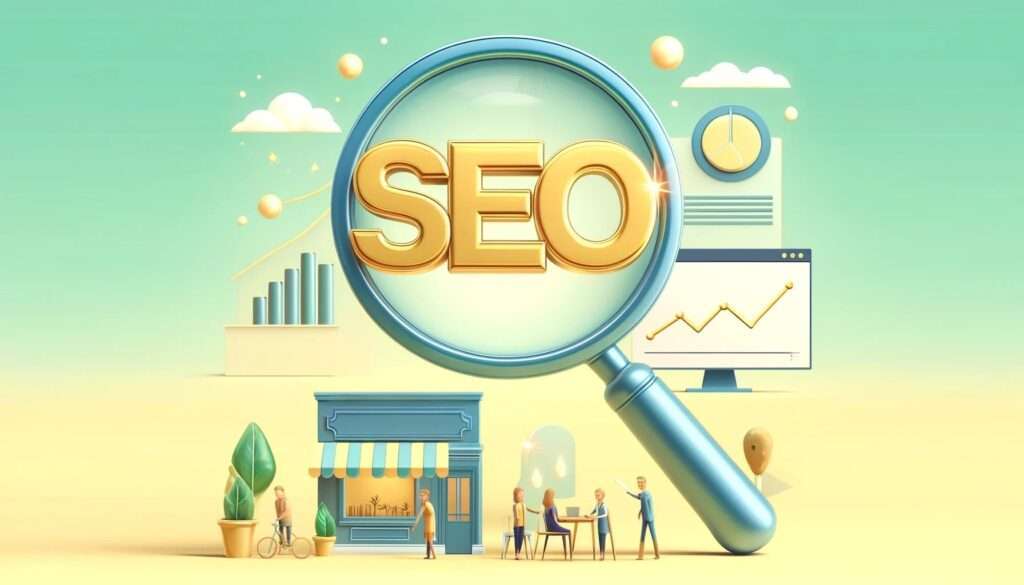
    Best SEO Practices

    Difficulties in improving your search engine rankings can be frustrating. Research shows that 75% of users never scroll past the first page of Google search results. This highlights the importance of good SEO strategies. Following the best SEO practices can help you improve your site’s visibility in search engine results.

    Using SEO tools like Google Search Console and Google Analytics can provide insights. Technical SEO, keyword research, and optimizing your website are essential practices.

    This guide will detail 10 best SEO practices to help you get better rankings and increase your website traffic.

    Why SEO is Important?

    SEO, or search engine optimization, is essential for improving a website’s visibility on search engines. Implementing SEO best practices leads to higher rankings in search engine results pages (SERPs) and increases organic traffic. Strategically using relevant keywords in content and meta tags helps search engines index the site accurately.

    Proper title tags and meta descriptions enhance click-through rates from search engine results. High-quality backlinks from reputable sites boost a website’s authority, while off-page SEO efforts, such as link building, improve search engine ranking. Ensuring mobile-friendliness and using internal linking enhances user experience.

    SEO tools, like keyword research tools and Google Analytics, help monitor and adjust strategies. Effective on-page SEO, including the use of header tags, ensures content is well-structured and easy to read. Prioritizing SEO attracts more potential customers through improved search results and long-term visibility.

    10 Best SEO Practices

    1. Keyword Research and Optimization:

    Effective keyword research involves using SEO tools like Google Search Console and Google Analytics. Including your primary keyword in the page title and meta description boosts visibility in search engine results. Keywords should be integrated naturally throughout your content to improve your SEO performance. Tools like Google Keyword Planner can assist in finding relevant keywords. Including your target keyword in the first 100 words enhances rankings.

    2. On-Page SEO:

    On-page SEO focuses on optimizing individual pages on your site. Include your target keywords in headings, subheadings, and content. Descriptive alt text for images helps search engines understand your content. Using meta descriptions improves visibility in search engine results. Pages should load quickly, and the site’s navigation should be user-friendly. Following these best practices increases your chances of ranking higher in search results.

    3. Creating Relevant Content:

    Content must address the needs of users and search engines. Use your primary keyword naturally throughout the content. High-quality, informative content improves search rankings and increases website traffic. Regularly updating your content keeps it relevant. Including internal links helps search engines crawl and index your site. Creating content that answers common questions can improve your SEO and user engagement.

    4. Technical SEO:

    Technical SEO involves optimizing your website’s infrastructure. Ensure your site loads quickly, using techniques like lazy loading and image compression. A mobile-friendly design is essential for SEO. Tools like Google Search Console can identify and fix technical issues. SSL implementation enhances site security and rankings. Regular technical audits help maintain your site’s performance and visibility in search engines.

    5. Off-Page SEO:

    Off-page SEO focuses on building backlinks from other reputable sites. Participating in relevant online communities can help you improve your backlink profile. Social media platforms can be used for link-building strategies. Google Analytics can track the impact of your backlinks. Quality backlinks are important because they help improve your search engine rankings. Following best practices in link building enhances your SEO performance.

    6. Optimizing Images:

    Optimizing images is crucial for SEO. Use descriptive alt text to help search engines understand the content. Compressing images can improve loading speed, enhancing user experience. Implementing lazy loading ensures images load as users scroll down, boosting site speed. Including your target keyword in the image file name and alt text can also help improve visibility in search results, contributing to better SEO performance.

    7. Internal Linking:

    Internal linking helps search engines crawl and index your site more efficiently. Creating a logical link structure improves navigation for users and search engines. Linking to high-authority pages can pass SEO value throughout your site. Use internal links with descriptive anchor text to highlight relevant content. For those focusing on SaaS link building, Prioritize links that include your target keyword to enhance your site’s visibility in search engine results.

    8. Local SEO:

    Local SEO improves visibility in search engine results for geographically relevant searches. Claim and optimize your Google My Business listing to appear in local searches. Collect and manage customer reviews to build trust and credibility. Target local keywords in your content and meta descriptions. Ensure your site’s contact information is consistent across all platforms. These practices can help improve your local search rankings.

    9. Prioritizing User Experience:

    User experience is important for SEO and can affect search rankings. Enhance site navigation to make it easier for users to find content. Improve loading speed to reduce bounce rates. Ensure readability and accessibility for all users. Use tools like Google Analytics to track user behavior and identify areas for improvement. Following these best practices can help you improve both user experience and SEO performance.

    10. Regular SEO Audits:

    Conducting regular SEO audits is essential for maintaining and improving your site’s search rankings. Use tools like Google Search Console and Google Analytics to monitor performance. Identify and fix technical issues, such as broken links or slow loading speeds. Evaluate keyword performance and adjust your strategies accordingly. Keeping these best practices in mind helps ensure your SEO efforts are effective and up-to-date.

    Conclusion

    Implementing these best SEO practices can help improve your website’s visibility and search rankings. Following these tips and best practices will enhance your SEO performance. Remember to use internal links, optimize images, and create relevant content. Regular audits with tools like Google Search Console will keep your site in top shape. Which SEO strategies have you found most effective for your site? Share your experiences and insights!

  • Facebook Settlement Payout Date 2024

    Facebook Settlement Payout Date 2024

    Facebook Settlement Payout Date

    Privacy concerns have thrust Facebook into the spotlight once again, culminating in a massive class action lawsuit. Extensive research reveals that 17 million valid claims have emerged from the 725 million class action settlement, reflecting widespread impact. In response, the settlement administrator has outlined a structured plan to distribute the $725 million settlement fund. The Facebook Settlement Payout Date for 2024 marks a critical deadline for eligible claimants to receive their due compensation.

    For those holding valid claims, a complete guide detailing the claims process, eligibility criteria, and key dates is provided in the article, ensuring all affected parties can navigate the settlement process effectively. This pivotal event underscores the importance of safeguarding user data and the consequences of failing to do so.

    Background of The Case Leading to The Settlement

    In 2023, Facebook faced legal action for privacy violations, leading to a significant class action lawsuit. With around 17 million valid claims identified, the lawsuit concluded with Facebook agreeing to a settlement. The claimants accused Facebook of mishandling user data, which violated privacy standards. The court gave final approval in 2022, setting the stage for reparations. This legal resolution aims to compensate affected Facebook users and enforce stricter data privacy practices.

    Facebook Settlement Payout Date

    The settlement administrator announced that the payouts are scheduled for distribution in 2024, following the settlement’s final approval. The process involves verifying the eligibility of approximately 17 million claims over 90 days. Eligible Facebook users are advised to check their claim status through the official settlement website. This ensures they receive their portion of the settlement without delay.

    Facebook Settlement Amount:

    The Facebook privacy settlement, set at $725 million, was finalized after claims were reviewed. Eligible Facebook users, affected by the privacy breach, need to have submitted their claims by the specified deadline. Payments, possibly issued within 90 days of final approval, could be distributed via physical checks. This settlement marks a significant resolution in the class action lawsuit concerning user privacy.

    Who is Eligible for The Facebook Settlement?

    If you used Facebook in the United States and had an active account between August 2023 and today’s date, you might qualify for a payout from the recent $725 million privacy settlement. This class action lawsuit concluded when it was discovered that Facebook had shared or allowed unauthorized access to user data. Authorities granted final approval of the settlement, enabling affected users to submit claims. Users who had deleted their Facebook accounts before August 2023 or who are independently suing Facebook are excluded from this settlement.

    The Process to Claim Your Settlement

    • Verify your eligibility by checking if you were a Facebook user during the specified period.
    • Visit the official settlement website for detailed information and updates.
    • Gather necessary documents that prove your Facebook usage.
    • Complete the claim form provided on the settlement website.
    • Submit the form before the deadline in March 2024.
    • Monitor the status of your claim through the website to stay updated.
    • Expect settlement checks starting in early January 2024, with final payments by the end of March 2024.

    Impact per Individual

    Estimated Payout per Eligible Person:

    Each eligible participant in the Facebook privacy settlement could receive approximately $30. This figure represents an average, assuming broad participation from class members.

    Factors Influencing Individual Payout Amounts:

    The exact amount each person receives varies based on several factors:

    • Total number of claims submitted by the deadline.
    • The court approved legal fees and expenses.
    • Administrative costs have been deducted from the $725 million fund.
  • Why is SEO Important for Your Business?

    Why is SEO Important for Your Business?

    Why is SEO Important

    Struggling to attract more visitors to your website? The majority of online experiences begin with a search engine like Google or Bing. Yet, many businesses overlook SEO, missing out on crucial website traffic and digital presence. Most people ask “Why is SEO important?“ It stands as a powerful digital marketing tool, essential for enhancing visibility and driving organic traffic to your website. It leverages techniques such as keyword optimization, content marketing, and on-page SEO to rank your content higher in search results. The importance of search engine optimization cannot be overstated; this article provides a comprehensive guide on how SEO can transform your business.

    What Does SEO Stand For?

    SEO stands for Search Engine Optimization. It involves optimizing a website to improve its position in search engine results. The process includes using specific keywords, enhancing site structure, and ensuring high-quality content to meet search engine standards. This strategy aims to increase organic traffic to a site by making it more visible in search results like Google Search.

    Why is SEO Important?

    SEO is critical for digital marketing success as it directly influences visibility and organic search performance. Here’s why:

    • Enhances Online Visibility: Proper SEO efforts make your product or service more noticeable in search results.
    • Increases Organic Traffic: By optimizing for relevant queries, SEO helps attract more visitors without direct advertising.
    • Improves User Experience: A well-optimized site provides a smoother, more engaging user experience, encouraging longer visits and interactions.
    • Supports Conversion: SEO can lead to higher conversion rates as more targeted traffic often results in more engaged customers.

    Core Elements of SEO

    • SEO, or search engine optimization, enhances the visibility of your website in search results.
    • Effective keyword research helps target the queries your potential customers are entering.
    • Google Search prioritizes websites with high-quality content that answers user queries well.
    • Local SEO optimizes your presence for area-specific searches, boosting your local visibility.
    • Optimizing user experience on your website retains visitors and reduces bounce rates.
    • Backlinks from reputable sites improve your ranking and credibility in search engine results pages (SERPs).
    • Regular updates to content ensure relevance and adherence to the latest SEO best practices.
    • Organic search drives traffic by aligning your content with what potential customers are searching for.
    • Conversion optimization techniques turn visitors into customers by simplifying the user pathway.
    • Leverage Website Optimization Tools: Tools like Google Analytics, Ahrefs, and SEMrush help identify issues, optimize content, and track performance, streamlining your SEO efforts.

    Benefits of Effective SEO Practices

    Effective SEO practices enhance your digital presence and boost your business’s visibility online. They tailor your content to meet the specific needs and searches of your audience, improving your overall engagement and driving more traffic to your website. This strategy not only helps in ranking higher in search results but also supports your brand’s credibility and authority.

    Key Benefits of Effective SEO Practices:

    • Increases Online Visibility: SEO makes your business more visible on major search engines like Google and Bing.
    • Attracts Targeted Traffic: Optimized content draws in visitors specifically searching for your products and services.
    • Boosts Conversion Rates: By targeting more relevant audiences, SEO can enhance your conversion rates.
    • Cost-Effective Marketing: Compared to paid marketing, SEO provides a more affordable long-term solution.
    • Enhances User Experience: A well-optimized website offers a better user experience, encouraging longer visits and repeat traffic.

    How Search Engine Works?

    Search engines like Google and Bing employ algorithms to scan the web. These systems parse through content on your website to assess relevance to search queries. Search engines work by indexing this data, and categorizing it under various search terms. Effective SEO practices help your site rank higher in search results, optimizing visibility to users. A strong SEO strategy involves on-page and off-page techniques that enhance this indexing process. SEO is important for businesses because it drives website traffic organically, fostering a digital presence without relying on paid marketing.

    The Anatomy of Search Results

    A search engine results page is structured to provide the most relevant information first. This includes paid search ads at the top, followed by organic search engine results. Each listing typically displays the title, a brief description, and the URL of the website. Effective SEO ensures that the content on your website is optimized for these components. Elements of SEO like keyword optimization and creating quality content for search engines are crucial. They make the site’s information appealing both to search engines and users, boosting your online presence and potential customer engagement.

    Conclusion

    Investing in SEO offers numerous benefits for any business aiming to establish a strong online presence. By optimizing your website for search engines, you not only increase traffic but also enhance user experience and conversion rates. Effective SEO strategies ensure that your products and services are easily discoverable by potential customers. If you’re wondering why is SEO important, it’s because these strategies directly contribute to the visibility and success of your business online. Interested in learning how to apply SEO best practices to see tangible results? What aspects of SEO would you like to understand better to grow your business?

  • What is AI Dropshipping? 10 Best AI Tools for Dropshipping

    What is AI Dropshipping? 10 Best AI Tools for Dropshipping

    ai dropshipping

    Faced with rising competition, dropshippers are constantly seeking advantages to stay ahead. Recent studies suggest that the integration of AI in dropshipping, referred to as AI dropshipping, can significantly boost efficiency and customer satisfaction.

    AI tools streamline every aspect of a dropshipping business, from product sourcing to customer interactions. These innovative solutions automate mundane tasks, enhance product listings with AI-generated descriptions, and optimize marketing efforts through data-driven insights.

    For those ready to transform their dropshipping operations, this article offers a detailed guide on the top 10 AI tools that can catalyze your success in the dynamic world of e-commerce.

    Evolution of AI Dropshipping

    AI dropshipping has transformed significantly from basic automation to sophisticated AI-powered platforms. Initially, automation focused on simple tasks like order processing and inventory management. As technology progressed, artificial intelligence began optimizing product research, identifying trending products, and enhancing customer experiences.

    Nowadays, AI tools for dropshipping assess conversion rates, streamline business operations, and support dynamic email marketing strategies. 

    This advanced AI integration solutions allows dropshippers to efficiently target audiences, manage marketing campaigns, and improve overall business success with features that cater specifically to their operational needs.

    How to Use AI for Dropshipping?

    To leverage AI for dropshipping, start by selecting an AI tool that integrates with platforms like Shopify. These tools help automate and streamline many aspects of running a dropshipping store, from product description generation to order fulfillment.

    Utilize AI for product research to identify winning products and optimize your product pages for higher conversion rates. Implement AI-powered chatbots to enhance customer support and keep your audience engaged.

    Additionally, use AI to refine your marketing campaigns, ensuring that your efforts are precisely tailored to your target audience, thereby boosting the effectiveness of your promotional activities.

    10 Best AI Tools for Dropshipping

    1. Shopify AI

    Shopify AI integrates deeply with your Shopify store to optimize and streamline operations. This tool automates product recommendations and enhances customer experiences, boosting conversion rates. It analyzes data points to target the right audience, ensuring your store aligns with customer needs. Features include AI-driven email marketing and product photography enhancements.

    2. Oberlo

    Oberlo is a favorite for Shopify dropshippers, allowing users to import products from suppliers quickly. This tool helps identify trending products and streamlines the dropshipping process. With Oberlo, product sourcing is simplified, and order processing is automated, which improves the efficiency of business operations.

    3. AliDropship AI

    AliDropship AI offers a powerful WordPress plugin that converts your site into a full-featured dropshipping store. It automates product imports and updates, and includes AI tools to enhance product descriptions and titles. This tool supports efficient management of your product database, helping to scale your dropshipping venture.

    4. Zik Analytics

    Zik Analytics is an advanced product research tool that identifies winning products through data analysis. It offers insights into competitive products and helps optimize your listings for higher visibility and sales. This tool is essential for data-driven decisions that propel a successful dropshipping business.

    5. ChatGPT

    ChatGPT can revolutionize customer support and content creation in dropshipping. It uses natural language processing to generate engaging product descriptions, ad copies, and social media posts. This AI chatbot also enhances the customer service experience by providing quick, intelligent responses to customer inquiries. ChatGPT users in the dropshipping space are leveraging its capabilities not only to automate routine tasks but also to maintain consistent brand voice and improve response time across platforms.

    6. Spocket AI

    Spocket AI excels in connecting dropshippers with suppliers from the US and EU. This tool ensures high-quality products reach your store quickly. It automates inventory updates and fulfillment processes, making it easier to manage product listings and keep your store up-to-date.

    7. SaleHoo

    SaleHoo provides a comprehensive directory of suppliers and a powerful market research tool for filtering profitable products. This tool helps in finding reliable suppliers and offers extensive support to ensure you pick products that maximize profits. SaleHoo is crucial for maintaining a robust supplier network.

    8. Pexda

    Pexda is a top tool for discovering high-potential products before they become mainstream. It provides detailed insights into each product, including potential profits and ad strategies. This tool is designed to reduce the guesswork in product selection and help you quickly find winners.

    9. AutoDS

    AutoDS is a versatile dropshipping tool that automates many aspects of your store, from product importing to order processing. It supports multiple platforms and offers features like price optimization and automatic tracking updates. AutoDS helps keep your operations smooth and customer-friendly.

    10. Ecomhunt

    Ecomhunt excels in spotting new, winning products daily. It provides key data on each product, including analytics, profit margins, and engagement rates. This tool also offers webinars and tutorials to help newcomers start their dropshipping venture confidently and successfully.

    Starting Your AI Dropshipping Business

    Starting your AI dropshipping business requires careful planning and strategic implementation:

    • Select a Niche: Choose products that align with market demands.
    • Set Up Your Store: Use a platform like Shopify for easy integration.
    • Utilize AI Tools: Automate tasks such as product sourcing and order processing.
    • Optimize Listings: AI can generate compelling product titles and descriptions.
    • Engage Customers: Deploy AI chatbots for effective customer support.
    • Analyze Data: Use AI to refine marketing strategies and improve conversion rates.

    Conclusion

    Embracing tools in AI dropshipping isn’t just about staying competitive; it’s about setting new standards in efficiency and customer engagement. From refining product selections with AI-driven research tools to crafting compelling ad copies and automating customer interactions, these tools offer a formidable array of benefits. As you consider integrating AI into your dropshipping venture, think about the specific areas of your operation where AI could have the most impact. Have you identified which AI tools could best align with your business goals?

  • What is Reverse Dropshipping? How it Works

    What is Reverse Dropshipping? How it Works

    What is Reverse Dropshipping?

    Are you struggling to find a dropshipping model that avoids the saturated markets of traditional methods? A shift towards reverse dropshipping as entrepreneurs seek higher margins and untapped markets. This innovative approach involves importing high-quality products from Western countries to sell in high-demand Asian markets, challenging the typical export-oriented dropshipping.

    By leveraging reliable suppliers and a solid e-commerce platform, reverse dropshipping can significantly boost your profit margins. Dive deeper into how this business model works and explore strategies for success in our comprehensive guide.

    What is Reverse Dropshipping?

    Reverse dropshipping is a distinct business model in the e-commerce sector where entrepreneurs, rather than sourcing cheap products from countries like China, target high-quality, high-demand items from Western countries. This approach can also be seen in building materials industry digitalization, where businesses cater to premium product demands in evolving markets by leveraging unique strategies. This model primarily focuses on selling these products to markets with higher buying power, typically Asian countries. This strategy can lead to a higher profit margin compared to traditional dropshipping, as it capitalizes on the global market’s diverse needs and premium product preferences.

    How does the Reverse Dropshipping Model Work?

    The reverse dropshipping model represents a shift from traditional dropshipping, focusing on importing high-quality products into countries typically seen as exporters, like China and India. Here’s how it works:

    1. Business Plan Creation: Entrepreneurs start by developing a detailed business plan that outlines the niche, target market, and operational strategy.
    2. Sourcing Products: Unlike conventional dropshipping which often sources cheaper goods from countries like China, reverse dropshipping involves sourcing premium products from Western countries.
    3. Setting Up an Online Store: Using a dropshipping website builder, sellers create an online platform tailored to showcase their unique product range.
    4. Partnering with Suppliers: The key to this model is establishing relationships with reliable suppliers in the States or Europe who can provide high-quality products.
    5. Marketing and Sales: The business markets these products in regions where such items are in high demand but not widely available, adjusting strategies to suit local preferences and languages.
    6. Order Fulfillment: When a customer places an order, the supplier directly ships the product to them, minimizing the seller’s need to manage inventory or handle logistics. By integrating OMS systems, the process is streamlined, enabling real-time tracking, order processing, and seamless communication between the seller and supplier.

    Role of Suppliers in Reverse Dropshipping

    In reverse dropshipping, suppliers play a critical role, especially since this model involves sourcing high-quality products from regions typically known for exports like the USA and Europe, to be sold in importing countries such as China and India. Here are the steps of how suppliers function in this business model:

    1. Product Sourcing: Suppliers are tasked with providing unique, high-quality products that are not readily available in the target markets. This requires them to have a thorough understanding of market demands in both exporting and importing countries.
    2. Quality Assurance: Since reverse dropshipping focuses on premium products, suppliers must ensure consistent quality. This involves rigorous testing and compliance with international standards to maintain the reputation of the business.
    3. Inventory Management: Although reverse dropshipping minimizes inventory risks by not requiring the retailer to purchase large quantities upfront, suppliers must adeptly manage stock to handle orders efficiently and promptly.
    4. Order Fulfillment: Upon receiving orders, suppliers are responsible for the timely shipping of products directly to the customer. This includes packaging, handling, and using materials like cloth tape to secure items, as well as managing the logistics of shipping across borders.
    5. After-Sales Support: Suppliers also need to provide support for returns and exchanges, which involves clear communication and coordination with the dropshipper to ensure customer satisfaction.

    Pros and Cons of Reverse Dropshipping

    Pros of Reverse Dropshipping

    • Access to markets with high demand for quality, foreign products
    • Higher profit margins due to unique product offerings
    • Less competition compared to traditional dropshipping markets
    • Flexibility to explore various niche markets
    • Benefits from higher perceived value of Western products in certain countries
    • Low inventory costs as it follows the dropshipping model
    • Facilitates brand building by focusing on high-quality products
    • Expanded global reach allows tapping into new customer bases
    • Lower risk of stock accumulation and easier scalability
    • Offers differentiation in saturated dropshipping markets

    Cons of Reverse Dropshipping

    • Challenges in understanding and navigating foreign markets
    • Higher shipping costs and longer delivery times
    • Need for substantial market research to identify viable products
    • Dependence on the reliability of overseas suppliers
    • Cultural and language barriers that complicate marketing and customer service
    • Compliance with international trade regulations and taxes
    • Limited control over the manufacturing and quality assurance process
    • Potential legal complexities when dealing with international trade
    • Requires more upfront investment in building customer trust
    • Risk of return and refund complexities due to international shipping

    How to Start A Reverse Dropshipping Business?

    How to Start A Reverse Dropshipping Business?

    To start a reverse dropshipping business, first create a detailed business plan focusing on unique, high-quality products. Research and select a niche market that demands premium items not widely available in target countries like China or India. Partner with reliable suppliers from Western nations known for innovative goods. Set up your online store using a robust website builder and integrate strong e-commerce functionalities. Finally, launch marketing campaigns tailored to the cultural preferences and languages of your target markets, ensuring your brand message resonates effectively.

    Dropshipping vs Reverse Dropshipping

    DropshippingReverse Dropshipping
    Sells low-cost products sourced from suppliers, mainly in Asia.Focuses on high-quality, high-margin products from Western countries.
    Generally lower due to high competition and lower-cost items.Potentially higher as products are unique and less available in target markets.
    Typically in countries like China.Mainly in Western countries.
    Global, often targeting Western countries.Primarily Asian countries, reversing the usual export-import roles.
    High due to the abundance of sellers and accessibility of goods.Lower, serving a niche market with less saturation.
    Often variable, with a focus on mass-market appeal and affordability.Emphasizes high-quality, sometimes bespoke products.
    Broad, often prioritizing price over quality.Targets customers seeking premium products not readily available locally.
    Relies on suppliers’ logistics; can face delays due to international shipping from Asia.May involve more complex logistics but benefits from selling high-demand products in new markets.

    Conclusion

    Reverse dropshipping targets markets typically known as exporters, like China, with high-quality goods from countries such as the USA or Europe. This strategy offers significant benefits such as higher profit margins and access to less saturated markets. However, it also poses challenges like navigating different regulations, handling shipping complexities, and overcoming significant cultural and language barriers. As you consider the potential of reverse dropshipping for expanding your business, think about how you can use this model to tap into global markets. What strategies might you adopt to effectively address these challenges?

    FAQs

    1. How can one start this type of business?

    Start by developing a business plan, choosing products, finding suppliers, setting up an online store, and marketing strategically.

    2. Which platforms are best for setting up a store?

    Shopify and WooCommerce are popular due to their user-friendliness and flexibility.

    3. What to look for in suppliers?

    Seek suppliers who provide high-quality products and reliable shipping, and comply with local regulations.

    4. How should one market a reverse dropshipping business?

    Adapt marketing strategies to fit the local culture and media platforms of the target market.

    5. Can it be done in any country?

    While possible, success depends on understanding the specific conditions and preferences of the target country​.

  • Top 10 Cannabis Business Social Networks in 2024

    Top 10 Cannabis Business Social Networks in 2024

    Cannabis Business Social Networks

    Finding the right cannabis business social network can be overwhelming due to the abundance of platforms available. Recent studies reveal that effective networking platforms are crucial for success in the rapidly evolving cannabis industry.

    Among the many options, platforms like WeedLife, GrassCity, and Duby are recognized for their unique features that facilitate networking and business growth for cannabis professionals.

    This article provides a detailed guide to the top 10 cannabis business social networks in 2024, helping you choose the best fit for your needs.

    What is Cannabis?

    Cannabis, commonly known as marijuana, refers to a group of three plants with psychoactive properties, classified as Cannabis sativa, Cannabis indica, and Cannabis ruderalis. When you harvest and dry the flowers of these plants, you obtain one of the world’s most widely used drugs.

    Cannabis features two key components: THC, which induces the “high,” and CBD, which is non-psychoactive and renowned for its medicinal properties. People use it both for recreation and therapeutic purposes, experiencing varying degrees of legality and acceptance around the world. The plant has also sparked a significant social and medical discussion around its safe use and regulation.

    The Rise of Social Networks in Cannabis

    The Rise of Social Networks in Cannabis

    The emergence of cannabis-specific social networks marks a significant shift in the industry. Platforms like Weedlife, GrassCity, and other top cannabis social media sites offer unique spaces where cannabis enthusiasts and professionals can connect.

    These networks cater specifically to cannabis businesses, growers, and users, providing a safe haven away from mainstream social media scrutiny. They facilitate the sharing of cannabis-related news and innovations, enriching the cannabis community.

    As legalization expands, these platforms are becoming indispensable tools for industry professionals looking to expand their reach and impact within the cannabis market.

    Benefits of Joining a Cannabis Business Social Network

    Joining a cannabis business social network offers numerous advantages for business owners and cannabis professionals. Here are some key benefits:

    1. Enhanced Visibility: Your cannabis business gains exposure to a targeted audience of cannabis enthusiasts and industry professionals.
    2. Networking Opportunities: Connect with cannabis entrepreneurs, growers, and companies, opening doors to collaboration and partnerships.
    3. Access to Industry Insights: Stay updated with the latest trends, regulations, and innovations within the cannabis industry through dedicated news feeds.
    4. Market Expansion: Leverage the network to introduce cannabis products to a broader and more receptive audience.
    5. Community Support: Engage with a community of like-minded individuals who are passionate about cannabis. This can be especially beneficial for navigating the unique challenges of the cannabis market.
    6. Resource Sharing: Gain insights from experiences shared by other cannabis businesses and professionals, which can help in refining your strategies and operations.
    7. Advocacy and Influence: Join forces with other cannabis companies and professionals to advocate for favorable policies and regulations in the cannabis industry.

    Top 10 Leading Cannabis Business Social Networks

    GrassCity:

    GrassCity serves as a vibrant forum for cannabis enthusiasts and business owners. Here, users engage in discussions about cannabis products and growing techniques. The platform also offers valuable business development insights and connects cannabis businesses with potential investors. GrassCity is renowned for its active community that shares best practices and the latest trends in the cannabis sector.

    WeedLife:

    WeedLife is a comprehensive social media network dedicated to the cannabis industry. It allows cannabis professionals to network with peers and promotes cannabis-related content. Business owners use WeedLife to enhance their social media marketing capabilities, reaching a broader audience interested in cannabis. The platform also provides tools for direct consumer engagement.

    Weedable:

    Weedable focuses on connecting cannabis businesses with consumers directly. This social network platform allows companies to advertise their cannabis strains and extracts while providing a space for users to discuss and review products. Weedable is known for its user-friendly interface and emphasis on promoting the safe and legal use of cannabis.

    MassRoots

    MassRoots is one of the oldest cannabis social networks, known for its powerful community of cannabis users. It acts as a hub for sharing cannabis news and advice. MassRoots helps cannabis business owners connect with a large base of cannabis consumers, offering tools for targeted advertising and market analysis.

    Duby

    Duby operates as a social network for cannabis lovers, where users can share photos and experiences related to cannabis. It is popular among younger demographics and offers features like anonymous posting, which appeals to those seeking privacy. Businesses use Duby to reach out to a vibrant and engaged audience.

    LeafWire

    LeafWire is known as the “LinkedIn” for the cannabis industry, providing a professional network where industry professionals can connect and network. It offers a platform for business owners to seek funding, share business news, and recruit talent. LeafWire is pivotal for professional networking and business growth within the cannabis industry.

    JointBudz

    JointBudz is a newer platform that emphasizes connecting cannabis businesses with each other. It offers a range of services including business advice, financial planning, and market forecasts. JointBudz is designed to support business owners through every stage of their business journey, focusing on collaboration and shared growth.

    WeedMaps

    WeedMaps is widely recognized for its comprehensive directory of cannabis businesses and services. It extends beyond a typical social network by offering geolocation services to find local dispensaries and cannabis services. WeedMaps is crucial for businesses wanting to increase local visibility and consumer traffic.

    BudHubz

    BudHubz describes itself as a social network that combines features of a traditional business directory with social networking capabilities. It allows users to connect based on shared interests in particular cannabis products or businesses. BudHubz is particularly useful for small to medium-sized enterprises looking to expand their reach.

    MJ Mary Jane

    MJ Mary Jane offers a dynamic social platform dedicated to the recreational and medical cannabis community. It facilitates discussions, content sharing, and the exchange of information on cannabis cultivation and consumption. MJ Mary Jane is tailored to both seasoned connoisseurs and newcomers in the cannabis world, fostering an inclusive community.

    Latest Trends in Network Technology Within The Industry

    The cannabis sector is witnessing a surge in specialized social networking platforms. These networks cater specifically to cannabis businesses, allowing seamless interaction among industry professionals. Enhanced social media marketing capabilities are now integral, connecting cannabis entrepreneurs with a broader audience. Platforms now incorporate advanced algorithms to personalize news feeds and ensure relevant content reaches cannabis enthusiasts effectively.

    Conclusion

    As you explore these top cannabis business social networks, consider how each platform’s unique features can help you achieve your business goals. Whether it’s through advanced networking capabilities, specialized content, or comprehensive market insights, these platforms offer varied benefits. Have you identified which network aligns best with your business strategy?

    FAQs

    1. What are the benefits of joining a cannabis business social network?

    Benefits include networking with industry professionals, accessing business development tools, and staying updated on regulatory changes.

    2. Can these networks help with compliance and legal issues?

    BudBiz Collective specializes in regulatory compliance, offering expertise that can help businesses navigate legal complexities.

    3. Which network is recommended for eco-conscious cannabis businesses?

    EcoGrow Alliance focuses on sustainable practices within the cannabis industry, ideal for eco-friendly businesses.

    4. Is there a forum for female cannabis entrepreneurs?

    Women in Weed Network supports and empowers women in the cannabis industry through networking and mentorship.

    5. How can these networks help in business expansion?

    Networks like Joint Ventures Hub facilitate partnerships and collaborations, essential for business growth and expansion.

  • T-Mobile Home Internet: The Best 5G Home Internet in 2024

    T-Mobile Home Internet: The Best 5G Home Internet in 2024

    tmobile home internet

    Struggling with slow internet speeds and frequent disconnections? Recent studies highlight the increasing demand for more reliable and faster internet solutions. Enter TMobile Home Internet, a game-changer in wireless home connectivity. Offering high-speed internet without the hassle of cable, T-Mobile provides an efficient solution accessible in urban and rural areas alike. This comprehensive guide gets into why T-Mobile’s Home Internet is leading the charge in 2024, ensuring you stay connected when it matters most.

    What is T-Mobile 5G Home Internet?

    T-Mobile 5G Home Internet is a fixed wireless service delivered via T-Mobile’s 5G cellular network. This service offers home broadband solutions using the latest 5G technology, targeting users with the promise of higher download speeds and reliable internet without the need for traditional cable or fiber connections. It is currently available in select areas, providing an alternative to conventional home internet options.

    How Does T-Mobile Home Internet Work?

    The service operates through a 5G Wi-Fi gateway device that captures T-Mobile’s 5G signals and converts them into a Wi-Fi network within the home. This gateway allows for seamless internet access on multiple devices. Customers can sign up for T-Mobile 5G, set up the gateway, and start receiving internet services swiftly. The entire process emphasizes simplicity and user convenience, making it attractive for those looking to switch from traditional internet providers.

    Download Speed and Reliability:

    TMobile Home Internet offers download speeds ranging from 50 to 300 Mbps. Customers typically see download speeds around 100 Mbps. Also upload speeds can reach up to 50 Mbps, ideal for various online activities. The use of a 5G Wi-Fi gateway device enhances connectivity and speed. Consistent performance is reported, even during peak internet usage times.

    Coverage and Accessibility:

    • T-Mobile’s 5G Home Internet extends across major U.S. cities and rural areas.
    • Available cities include New York, Los Angeles, and Chicago, among others.
    • Rural accessibility grows as T-Mobile expands its network infrastructure.
    • To determine if service is available at your address, visit T-Mobile’s website.
    • This widespread coverage offers a reliable alternative to cable and fiber providers.
    • T-Mobile’s network delivers internet via a 5G cellular network, enhancing accessibility.
    • Customers in transition areas may use dual connectivity of 4G LTE and 5G.
    • The expansion aims to provide seamless internet in previously underserved locations.

    Gateway Technology Used by T-Mobile:

    T-Mobile employs advanced 5G gateway technology in its home internet service. This gateway device connects seamlessly to T-Mobile’s 5G network, offering high download speeds. It facilitates reliable wireless internet across a broad coverage area, enhancing the connectivity experience for users working from home or streaming content.

    Key Features of T-Mobile’s Internet Services

    key features of tmobile internet service
    • High-speed internet access via T-Mobile’s 5G network.
    • No annual contracts or hidden fees, promoting transparency.
    • Uses a 5G gateway device included with the service.
    • Offers flexibility with data usage, unlike many traditional providers.
    • Provides effective customer support aimed at quick resolutions.
    • Facilitates easy self-setup with minimal equipment.
    • Promotes a high level of network reliability and consistency.
    • Includes options for various plans to meet different user needs.
    • Competitive pricing structures that challenge cable and fiber internet providers.
    • Periodic updates and upgrades to enhance service quality.

    T-Mobile 5G Home Internet Plans and Pricing

    plans and pricing

    T-Mobile offers competitive plans for its 5G home internet service. Prices typically start at around $50 per month with no annual contracts. This plan includes unlimited data, ensuring users can stream and download without limits.

    The 5G service delivers download speeds that can rival traditional cable and fiber providers, often reaching up to several hundred Mbps. There are no hidden fees, and T-Mobile includes the 5G Wi-Fi gateway as part of the service.

    This straightforward pricing and high-speed capability make it a valuable option for many households.

    Special Offers and Discounts:

    T-Mobile frequently provides enticing offers to new and existing customers. One popular promotion includes a free trial period, allowing users to test the service before committing. Additionally, T-Mobile often waives setup fees and provides the required hardware without additional cost.

    For families already using T-Mobile’s wireless services, discounts are sometimes available when adding home internet. During specific promotional periods, customers may also benefit from reduced monthly rates, enhancing the affordability of switching to T-Mobile’s 5G home internet.

    The Advantages of Choosing T-Mobile for Home Internet

    Opting for T-Mobile’s home internet service provides several distinct benefits, particularly for those seeking a dependable and fast connection. Here are some of the top advantages:

    • High-Speed Internet Access: T-Mobile’s 5G home internet plan offers superior download and upload speeds, making it ideal for streaming, gaming, and work-from-home setups. Customers often report speeds that rival traditional cable and fiber internet.
    • Widespread Coverage: T-Mobile has expanded its 5G network extensively, ensuring that its home internet service is available in numerous locations. This broad coverage makes it an accessible option for many households across the country.
    • Competitive Pricing: TMobile home internet plans are priced competitively, providing value without hidden fees. This straightforward pricing model appeals to customers looking for reliable service without financial surprises.
    • No Long-Term Contracts: Unlike many other service providers, T-Mobile does not require long-term contracts for its home internet services. This flexibility allows customers to try the service without long-term commitments.
    • Easy Setup: The 5G Wi-Fi gateway provided by T-Mobile simplifies the setup process. Customers can get their home internet running quickly with minimal technical assistance.
    • Reliable Customer Support: T-Mobile offers robust customer support for its home internet users. Whether issues arise with speeds, connectivity, or hardware, help is readily available.
    • Innovative Technology: Utilizing the latest 5G technology, T-Mobile delivers home internet via a 5G cellular network, which includes a 5G gateway device. This technology ensures faster and more reliable internet compared to older 4G LTE networks.
    • Flexibility for All Users: Whether you are a heavy internet user or just need basic browsing capabilities, T-Mobile tailors its services to meet diverse needs. This versatility ensures that every customer finds a plan that suits their internet usage patterns.

    Conclusion

    To wrap up, TMobile Home Internet stands out with its exceptional speed, extensive coverage, and user-friendly setup. Ideal for various households, it supports everything from streaming HD videos to engaging in seamless online gaming. Additionally, the lack of contractual obligations and competitive pricing makes it an attractive choice for many. Interested in making the switch or upgrading your home internet? What holds you back from trying T-Mobile’s innovative solution?

    FAQs

    1. Is a contract required for TMobile Home Internet?

    No, T-Mobile offers 5G Home Internet without the need for a long-term contract​.

    2. What technology does TMobile Home Internet use?

    It uses a 5G Wi-Fi gateway to deliver internet service via T-Mobile’s cellular network.

    3. What are the advantages of 5G Home Internet over traditional broadband?

    5G Home Internet typically offers a faster setup, no need for physical cables, and potentially faster speeds in certain areas compared to traditional broadband​.

    4. Can I use my own router with T-Mobile 5G Home Internet?

    T-Mobile provides a 5G Gateway which acts as both modem and router, and using your own router may not be supported.

    5. What should I consider before switching to T-Mobile 5G Home Internet?

    Consider the coverage in your area, the types of speeds you realistically need, and compare the costs with your current internet service.

  • Who Created Wifi? The Genius Behind the Signal

    Who Created Wifi? The Genius Behind the Signal

    Who Created Wifi?

    Have you ever paused to ask, “Who Created WiFi?” This technology, which is the backbone of modern wireless communication, is often misunderstood. While Hedy Lamarr contributed pioneering work in frequency-hopping spread spectrum, she did not invent WiFi. The real story involves many minds and extensive research across decades. This article explores the true origins of WiFi, from foundational theories to the eventual realization of a world connected wirelessly.

    Who Created WiFi?

    Hedy Lamarr, an Austrian actress renowned as the most beautiful woman in the world, co-invented a crucial technology with composer George Antheil in 1942. Their invention, frequency hopping, initially designed to secure radio-controlled torpedoes, now underpins modern Wi-Fi and Bluetooth technologies.

    The Invention That Changed Wireless Communication

    In 1942, Hedy Lamarr and George Antheil patented an invention that transformed wireless communication. Their system, known as frequency hopping, was meant to prevent enemies from jamming radio signals during the war. Although initially conceptualized for military use with torpedoes, its principle now enhances the reliability and security of today’s wireless networks, including Wi-Fi and Bluetooth.

    This invention leveraged the concept of synchronizing a series of radio frequencies, akin to the mechanism of a player piano, which laid the groundwork for secure wireless communication essential in many modern technologies.

    Hedy Lamarr: More Than a Hollywood Star

    Hedy Lamarr

    From Silver Screen to Scientific Achievement:

    Hedy Lamarr often hailed as the most beautiful woman in the world, transcended her Hollywood persona. Beyond her glamorous roles under MGM during the 1930s and 1940s, Lamarr harbored a passion for science.

    The Dual Life: Actress by Day, Inventor by Night

    By day, Lamarr dazzled audiences with her performances, and by night, she turned to the realms of invention. Partnering with Antheil, a skilled pianist, she drew inspiration from synchronized player piano mechanisms to develop her frequency-hopping concept.

    Their collaboration was a wartime effort aimed at bolstering the Allies’ defenses. Lamarr’s dual pursuits reveal a remarkable blend of artistic flair and technical acumen, proving her impact extended far beyond the silver screen.

    How Hedy Lamarr’s Idea Paved the Way for Modern WiFi

    Hedy Lamarr, once known as Hedwig Kiesler, and composer George Antheil, developed a concept crucial to modern communications: frequency hopping. Originally intended for guiding radio-controlled torpedoes undetected, their invention underpins today’s WiFi technology. Lamarr, beyond her Hollywood career, showcased a sharp intellect for technology, proving that innovative ideas could come from the most unexpected sources. Her contributions lay dormant until they revolutionized how we connect wirelessly, illustrating her lasting impact on technology.

    Frequency Hopping: A Legacy in Wireless Tech

    Frequency hopping, conceptualized by Hedy Lamarr and George Antheil during the 1940s, was a groundbreaking step forward for secure military communications and eventually civilian technology. Their invention allowed signals to jump across frequencies, significantly reducing the risk of interception and jamming. This technology not only supported pivotal wartime communications but also became a foundational element of cellular and WiFi networks. Lamarr’s dual role as a Hollywood actress and a pioneering inventor is a testament to her remarkable versatility and foresight.

    The Impact of Hedy Lamarr’s Inventions Today

    • Secured wireless communications built on Lamarr’s frequency hopping.
    • Provided groundwork for the development of GPS, Bluetooth, and WiFi.
    • Recognized posthumously with induction into the National Inventors Hall of Fame.
    • Inspired numerous advancements in secure and efficient data transmission.
    • Her legacy encourages diverse contributions to science and technology from all fields.

    Conclusion

    As we’ve uncovered in this exploration of “Who Created WiFi?” the journey from concept to everyday essentials was not straightforward or the work of a single inventor. It emerged from collaborative efforts and the evolution of numerous ideas over many years. With WiFi now integral to our lives, how do you think its future developments will impact our digital connectivity?

    FAQs

    1. How did WiFi become popular?

    WiFi gained popularity through the establishment of the 802.11b standard, which made it accessible and reliable.

    2. What role did Apple play in WiFi’s history?

    Apple helped popularize WiFi by integrating it into their iBook computers in 1999.

    3. How does WiFi work?

    WiFi works by transmitting data via radio waves between devices and a router, which connects to the internet.

    4. What were the initial challenges of WiFi?

    The early challenges of WiFi included high costs, slow speeds, and compatibility issues among devices.

    5. Who contributed to the development of WiFi?

    Multientities, including Vic Hayes’ IEEE committee and various tech firms collaborated on the technology that led to WiFi.

  • Why Is Tiered Link Building Important for Your Website?

    Why Is Tiered Link Building Important for Your Website?

    Why Is Tiered Link Building Important for Your Website?

    Are you struggling to enhance your website’s visibility and authority? A well-structured tiered link-building strategy can significantly boost your site’s ranking in search engine results. By layering your backlinks, you not only increase your website’s credibility but also maximize the impact of each link. This guide gets into the intricacies of tiered link building, offering insights and strategies to elevate your website’s online presence.

    What is Tiered Link Building?

    Tiered link building is a strategic approach in SEO where backlinks are created in layers or tiers. The first tier consists of high-quality links pointing directly to your website. These first-tier links are supported by second-tier links, which are of slightly lower quality. The process continues with third-tier links supporting the second tier, and so on. 

    How does it work?

    In this case, first-tier links point directly to your site, while second-tier links support the first tier. The third tier links back up to the second tier, creating a pyramid structure. 

    This method helps distribute link juice more effectively across your backlink profile, enhancing the overall impact of your link-building efforts.

    By using a tiered structure, you can ensure a more robust and diversified backlink profile for your website.

    Importance of Tiered Link Building for Your Website

    This type of link building is really important for your website’s SEO success. It enhances your backlink profile’s authority, ensuring that high-quality links lead to your site. This strategy also maximizes the link juice passed to your website, boosting your search engine rankings.

    Importance of Tiered Link Building for Your Website

    Additionally, a tiered approach allows for better control over the link-building process, enabling you to target specific keywords and pages more effectively.

    By diversifying your backlink sources and creating a structured link hierarchy, you can safeguard your website against algorithm changes and ensure sustained visibility in search engine results.

    White Hat vs. Black Hat Tiered Link Building

    White hat link building focuses on creating high-quality, relevant links in compliance with search engine guidelines. It prioritizes ethical practices, such as guest posting and building natural backlinks. On the other hand, black hat-tiered link building employs manipulative tactics, such as link farms and spammy backlinks, to artificially boost rankings.

    While black hat methods may offer short-term gains, they risk penalties from search engines. White hat practices, however, ensure long-term SEO success and build a trustworthy and sustainable backlink profile for your website.

    5 Benefits of Tiered Link Building

    Here are the benefits of Tiered Link Building:

    1. Enhanced SEO Performance:

    By employing a tiered link-building approach, websites can significantly improve their search engine optimization. This strategy involves creating a hierarchy of backlinks, where each tier supports the one above it, leading to a more robust and effective SEO outcome.

    2. Improved Link Juice Distribution:

    In a tiered structure, link juice flows from the lower tiers to the upper tiers, ultimately benefiting the main website. This systematic distribution, much like how distribution management software streamlines product flow across supply chains, ensures that the primary site receives a concentrated boost in authority and relevance.

    3. Diversified Backlink Profile:

    It allows for the creation of a varied backlink profile, incorporating different types of links across multiple tiers. This diversity is favored by search engines and can protect the site from algorithm updates.

    4. Increased Referral Traffic:

    Implementing this strategy can significantly boost referral traffic to your website. By strategically placing tier 1, tier 2, and tier 3 links, you direct more visitors from various sources. This approach not only enhances your backlink profile but also increases the chances of potential customers discovering your site.

    5. Enhanced Domain Authority:

    A well-executed tiered link-building campaign can elevate your website’s domain authority. By acquiring high-quality links, especially from first-tier sources, you signal to search engines the credibility of your site. This, in turn, improves your SEO ranking, making your website more visible and authoritative in your niche.

    The Risks of Tiered Link Building

    1. Potential for Penalization: Utilizing a tiered link-building strategy, especially if it involves low-quality backlinks or black hat SEO techniques, can lead to penalties from search engines, harming your website’s ranking.
    2. Complex Management: Managing a multi-tier structure can be challenging, requiring constant monitoring to ensure that each tier’s links remain effective and do not harm your website’s SEO.
    3. Quality Control Issues: Ensuring high-quality links at every tier is crucial. A single poor-quality backlink can have a negative impact on the entire backlink profile, reducing the effectiveness of the strategy.
    4. Risk of Link Decay: Over time, links in lower tiers may become broken or irrelevant, leading to a decrease in link juice flowing to your website, which can weaken the overall backlink profile.
    5. Time and Resource Intensive: Building and maintaining a tiered link building strategy requires significant time and resources, including creating content for guest posts and building relationships for first-tier links, which may not always lead to a positive return on investment.

    Tiered Link Building Strategy

    Tiered link building is an advanced SEO technique involving multiple layers of links. The primary goal is to boost the authority and ranking of your main website by creating a structured network of backlinks.

    Tier 1 Links:

    Tier 1 links are the backbone of any tiered link-building strategy. They connect directly to your website, aiming to pass on high-quality link equity from reputable sources. These primary backlinks come from high-authority websites and are pivotal for SEO strategies. Their main goal is to enhance your site’s link profile, boosting visibility and credibility.

    Tier 1 backlinks should always adhere to white hat link-building practices to ensure they contribute positively to your site’s ranking. They are carefully selected to link back to your content, providing a solid foundation for further link-building efforts.

    Tier 2 Links:

    Tier 2 links serve as a bridge between high authority sites and your tier 1 backlinks, helping to pass link juice indirectly to your website. These links are designed to strengthen the first tier by linking to them, thereby amplifying the amount of link juice that tier 1 backlinks pass to your site.

    Tier 2 backlinks can include posts on less authoritative sites or blogs, social media content, and articles on medium-quality platforms. They boost the visibility and effectiveness of tier 1 links, making the tiered link-building campaign more robust.

    Tier 3 Links:

    Tier 3 links are at the outermost layer of the tiered link-building strategy, pointing to tier 2 links. Their primary role is to increase the link equity that flows to your website indirectly. These links are often from less reputable sources compared to tier 2 and are used in larger quantities. They aim to enhance the tier 2 backlinks’ authority, which in turn supports tier 1 links.

    While tier 3 backlinks are the furthest removed from your site, they play a crucial role in amplifying the overall link-building effort and can significantly impact your SEO outcomes when managed correctly.

    Why You Should Consider Tiered Link Building?

    This is an SEO strategy that aims to boost your website’s visibility and search engine ranking. This technique involves creating multiple layers of backlinks, where each tier supports the one above it, directing more link equity toward your main site.

    Adapting to Changes in SEO and Link-Building

    Adapting to changes in SEO and link building is crucial for maintaining a strong online presence. As search engine algorithms evolve, so must our strategies. Tiered link building is a technique that can enhance your link profile and improve your site’s authority. By creating a hierarchy of links, with high authority websites at the top tier, you can pass link juice effectively and boost your SEO. It’s important to balance white hat link-building practices with innovative approaches to stay ahead in the game. Embracing these changes ensures your website remains visible and competitive in the ever-shifting landscape of digital marketing.

    Conclusion

    Tiered link building is a powerful strategy that can significantly enhance your website’s SEO performance. By carefully constructing a multi-tiered backlink structure, you can amplify the authority of your links and achieve higher search engine rankings. Remember to focus on quality, diversity, and ethical practices to maximize the benefits while minimizing the risks. What steps will you take to implement this in your SEO strategy?

    FAQs

    1. What is the difference between tier 1, tier 2, and tier 3 links?

    Tier 1 links directly to your website, tier 2 links to tier 1, and tier 3 links to tier 2, each with decreasing authority.

    2. How can tiered link-building impact my website’s link profile?

    It can strengthen your link profile by adding layers of quality backlinks, enhancing your website’s credibility.

    3. Can tiered link building be used with white hat SEO practices?

    Yes, when executed properly, it can align with white hat SEO by focusing on creating valuable and relevant content.

    4. What is the future of tiered links in SEO?

    As search engines evolve, tiered link-building will continue to be a valuable strategy if adapted to changing algorithms.

    5. How can I start a tiered link-building campaign?

    Begin by creating high-quality content for tier 1 links, then gradually build out tiers 2 and 3 with related, supportive content.