Author: Aarish

  • Increase Google Business Profile Traffic With Smart Optimization

    Increase Google Business Profile Traffic With Smart Optimization

    increase google business profile traffic

    Many business owners notice their Google Business Profile receives minimal attention, despite its potential to attract local customers. Nearly half of all Google searches have local intent, yet many businesses fail to capitalize on this opportunity. An incomplete or outdated profile can result in missed connections with potential customers searching for services like yours. To increase Google Business Profile traffic, it’s essential to optimize your profile strategically.

    This involves ensuring accurate information, utilizing Google Posts, and engaging with customer reviews to enhance visibility on Google Search and Maps. In this guide, we’ll provide a comprehensive approach to optimizing your Google Business Profile effectively.

    Understanding the Importance of a Google Business Profile

    A Google Business Profile acts as your digital storefront, offering essential information to potential customers. When optimized correctly, it helps attract more customers who search for local services or products. Unlike traditional listings, it allows you to manage your presence across Google Search and Maps in real time. This feature becomes particularly useful when customers rely on mobile searches to make quick decisions.

    Strategies to increase Google Business Profile traffic undoubtedly start with presenting accurate business hours, contact details, and services offered. Moreover, customers tend to trust businesses that maintain an active and updated profile. Consequently, this builds credibility and drives more visitors to your Google Business page.

    Besides offering visibility, Google Business Profile optimization enhances local SEO rankings significantly. Whenever users search for relevant queries, an optimized profile is more likely to appear at the top. Overall, treating your Google listing as a marketing tool rather than a formality brings measurable results.

    Setting Up Your Google Business Profile

    To increase Google Business Profile traffic, make your profile stand out by completing all fields, optimizing for local search, and updating details regularly.

    Step 1: Claim Your Business

    Firstly, add your business on Google by logging into your Google account and locating your business name. If it appears in search results, claim the profile straightaway. Otherwise, create a new listing using accurate information about your business. This ensures Google understands your business is active and trustworthy to potential customers.

    Step 2: Verify Your Business

    To improve your local search visibility, verify your business through postcard, phone, email, or instant methods. Verification proves that your business has a physical location and is eligible to appear in local search results. Until verified, your Google business profile will not be publicly visible on Google Search and Maps.

    Step 3: Fill Out Your Profile

    Complete your Google business profile with accurate information, including your business hours, category, and location details. Additionally, include your phone number, website link, business offers, and online booking options if applicable. A fully optimized Google business profile improves local search rankings and attracts more visitors to your Google Business listing.

    Optimizing Your Google Business Profile

    To increase Google Business Profile traffic, make sure your profile looks active and fully optimized. Regularly updating your profile helps Google understand that your business is trustworthy and ready to attract more visitors to Google.

    1. Accurate and Consistent Information:

    Google prioritizes business listings that provide accurate information across every section of the profile. Include correct business hours, contact numbers, and your business location to help Google understand your relevance in local search results. Additionally, inconsistent details can negatively impact visibility on Google Maps and reduce trust among potential customers.

    Furthermore, ensure your business name matches what appears on signage and official documents. This consistency improves your profile strength and helps customers find your business during local searches. Your Google Business Profile audience will grow organically with time as people trust what they read.

    2. Optimize Your Business Description:

    Your business description plays a vital role in helping customers understand what your local business offers. Use this space to include relevant search terms and keywords that reflect what your business does best.

    Moreover, mention your primary services clearly to improve your local search visibility and increase traffic and engagement. Avoid stuffing the section with unnecessary phrases, but do include accurate information about your business. Additionally, keeping your profile fresh by updating the description seasonally can enhance your profile’s effectiveness over time.

    3. Choose the Right Categories:

    Choosing the right business category affects how easily people find your business in local search.

    • Select a primary category that closely reflects your business type (e.g., “Bakery” or “Plumbing Service”).
    • Use additional categories if you offer multiple services under the same business name.
    • Avoid overloading your profile with irrelevant categories that may confuse Google search results.
    • Categories help Google match your business to the right search terms and user intent.
    • A relevant business category significantly improves local SEO and drives more local traffic.

    4. High-Quality Photos:

    Uploading high-quality photos increases visibility and helps potential customers interact with your profile more confidently. Profiles with updated visuals generally rank higher in search engine results and perform better in conversion metrics.

    Moreover, photos of your storefront, interior, team, or services build trust and show that your business is active. Whenever you update your profile, add new photos to reflect current offerings or seasonal changes. Hence, maintaining a visually appealing Google Business Profile boosts engagement and builds credibility.

    5. Collect and Respond to Reviews:

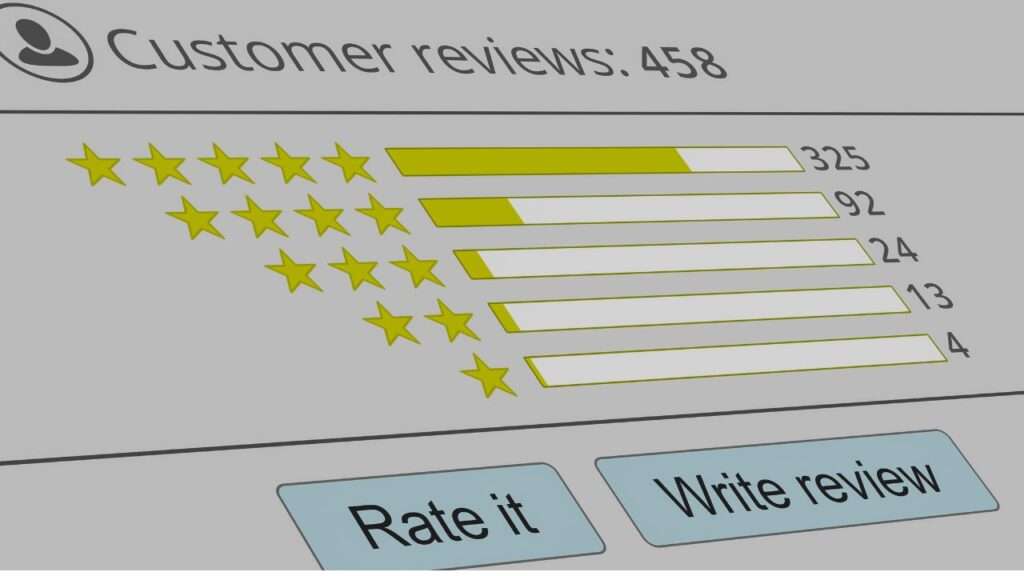
    Google Business Profiles with positive reviews typically attract more customers than those with no feedback at all.

    • Ask happy customers to leave honest reviews directly from your profile or through a follow-up email.
    • Respond to every review—positive or negative—to show that your business values customer interaction.
    • Avoid deleting negative reviews; instead, reply respectfully and aim to resolve issues.
    • Engaging with reviews helps Google recognize that your business is trustworthy and active.
    • Customer reviews directly influence your search visibility and overall business reputation.

    6. Utilize Google Posts:

    Posting regular updates through Google Posts helps keep your profile fresh and increases profile strength. Use these posts to highlight business offers, events, product launches, or timely announcements to drive local traffic.

    Additionally, Google Posts appear directly in Google search and Maps, giving you more ways to attract more visitors. Whenever you share a post, include a call-to-action such as “Learn More,” “Call Now,” or “Book Online.” Consequently, a consistent posting schedule tells Google that your business is active and customer-focused.

    7. Add Products and Services:

    Showcasing products and services in your Google profile allows potential customers to preview your offerings instantly. List your main products with pricing, photos, and short descriptions to increase search visibility.

    Moreover, use this feature to explain how your services solve specific customer problems. Adding details helps Google connect your profile with relevant search queries and improve your local rankings. Particularly for service-based businesses, including this section may significantly increase local search rankings and engagement.

    Top Strategies to Attract More Visitors To Google Business Profile

    Create Engaging Content:

    Creating relevant content increases visibility on Google and keeps your profile fresh for potential customers. Update your Google Business Profile dashboard with local search-friendly posts that highlight services, business offers, or events. Additionally, videos on your profile can boost traffic and engagement, especially for service-based or visual businesses.

    Whenever possible, include positive reviews and showcase them as part of your regular post updates. Google posts appear directly in Google search and Maps, so use Google tools to maximize their reach effectively. Moreover, compelling content helps your profile stand out and signals to Google that your business is active.

    Implement Local SEO Strategies:

    Local SEO drives local traffic by connecting your profile to relevant search terms in your area. Use your Google Business Profile to improve your local search visibility by optimizing with proper business categories. Additionally, include location-based keywords in your business description, service listings, and posts for greater local search impact. Regularly updating your profile with accurate information helps Google understand your services and match them with search results. 

    A well-optimized Google Business Profile will rank higher in local search rankings and Maps placements. Consistent SEO efforts can significantly increase both online presence and conversions from local search results.

    Engage with Your Audience on Social Media:

    Sharing your Google Business Profile on social platforms helps attract more customers and boosts visibility on Google. Whenever users like your business on social media, they are more likely to interact with your profile. Include direct links to your Google profile in bio sections or posts to increase your local traffic. Share customer reviews and positive feedback from your Google Business Profile audience to build credibility. 

    This encourages others to visit your Google Business Profile and trust your services based on real testimonials. Social media engagement complements your local SEO strategy and broadens your business profile’s digital reach.

    Run Local Ads on Google:

    Running local ads on Google can significantly increase visitors to your Google Business Profile. Use Google Ads to target specific search terms that align with your business location and services. Link your ads to your business listing to boost conversion and visibility on Google search and maps. Advertise limited-time business offers or seasonal promotions to encourage new customer interactions with your profile. 

    Besides organic reach, paid ads help drive traffic during competitive periods or in highly saturated local markets. Altogether, local advertising enhances your profile and attracts more visitors to Google Business Profiles consistently.

    Keep Your Profile Active and Engaging:

    Regularly updating your profile strengthens its presence on Google and improves your profile strength score. Add new business information, fresh photos, and updates to reflect any changes or upcoming events. Moreover, frequently posting shows that your business is active and responsive to local market needs. Keeping your profile fresh helps Google prioritize your listing over inactive or outdated business profiles. 

    Additionally, active profiles perform better in local search and Google Maps due to higher engagement signals. Eventually, consistent profile activity will result in better rankings and more visitors to your Google business.

    Set up Online Booking and Appointment Scheduling:

    Online booking boosts conversion by allowing customers to schedule directly from your Google Business Profile. Add your business calendar or use third-party tools integrated with Google to simplify appointment management. This feature benefits service-based businesses, especially when customers are searching during peak business hours. It enhances the effectiveness of your profile by offering instant action without leaving Google search.

    Profiles with online booking options tend to receive more interaction and higher visibility on Google. Consequently, adding scheduling tools helps attract more customers and builds convenience into your business listing.

    Monitor and Adjust:

    Use Google Business Profile data to evaluate what attracts the most local traffic and engagement. Analyze which search terms or posts bring the most visibility and adjust your strategy accordingly. Moreover, respond to changes in traffic trends by updating business hours, offers, or photos as needed. Google offers insights in the dashboard to help businesses optimize performance based on user interactions. 

    Besides, tracking negative reviews or feedback lets you improve your local SEO and address customer concerns early. Eventually, monitoring ensures your profile remains relevant, appealing, and consistently attracts visitors to your Google profile.

    Conclusion

    By implementing smart optimization strategies, you can significantly increase traffic to your Google Business Profile. Regularly updating your profile with accurate information, engaging with customer reviews, and utilizing features like Google Posts can enhance your visibility in local search results. Remember, a well-optimized profile not only attracts more visitors but also builds trust with potential customers. Have you reviewed your Google Business Profile recently to ensure it’s fully optimized?

    FAQs

    1. What is a Google Business Profile?
    It’s a free tool from Google that lets businesses manage their online presence across Search and Maps.

    2. Why should I optimize my Google Business Profile?
    Optimizing helps your business appear in local searches and increases traffic from nearby potential customers.

    3. How do I get more views on my Google Business Profile?
    Use complete and accurate business information, add photos, post updates, and reply to customer reviews.

    4. Does posting regularly on Google help my business?
    Yes, posting updates and offers keeps your profile fresh and encourages more engagement from visitors.

    5. Can reviews improve my Google Business ranking?
    Absolutely. Positive reviews signal trust to Google and customers, helping your profile rank higher in search.

    6. How can I appear on Google Maps search results?
    Verify your profile, add your business location, and maintain consistent and accurate business information.

  • Top 2025 Business Trends and Growth Strategies Driving Success This Year

    Top 2025 Business Trends and Growth Strategies Driving Success This Year

    2025 business trends and growth strategies

    Introduction

    The year 2025 is shaping up to be a landmark year in the evolution of modern business. With disruptive technologies, shifting customer behavior, and global economic pressures, companies must adapt faster than ever. Business strategies that worked a few years ago are no longer enough to guarantee survival, let alone growth. From artificial intelligence integration to flexible work models, new patterns are emerging that redefine how companies plan, operate, and scale.

    Understanding these trends is not just about staying competitive—it is about staying relevant. Leaders in every sector are rethinking how they engage customers, empower employees, and allocate resources. This article explores the biggest business trends shaping 2025 and outlines clear, actionable strategies for business growth. Each section dives deep into key developments, supported by examples, strategic insights, and opportunities that forward-thinking businesses can capitalize on now.

    Artificial intelligence is driving smarter business operations

    AI tools are becoming everyday business essentials:

    Artificial intelligence is no longer an optional upgrade—it is the engine behind faster, smarter decision-making in 2025. Businesses use AI tools to analyze customer data, automate workflows, and generate new revenue streams through predictive analytics. Thanks to affordable platforms and open-source solutions, machine learning is being adopted in large enterprises and mid-sized, and smaller businesses.

    From customer service chatbots to automated fraud detection, AI is helping companies reduce operational costs while improving accuracy and consistency. Businesses that invest in training staff to collaborate with AI rather than fear it will gain a significant advantage. Many companies are now hiring AI strategists to explore and implement these tools across departments.

    Smart automation improves both productivity and accuracy:

    The impact of AI extends far beyond surface-level automation. It is now enabling intelligent operations, where systems can adapt, learn, and optimize based on real-time data. For example, supply chains are using AI to predict demand shifts and reroute logistics more efficiently. HR departments use AI to improve hiring decisions and reduce bias.

    • Automating repetitive tasks allows human workers to focus on creative problem-solving.
    • Predictive maintenance in manufacturing minimizes downtime.
    • AI content tools help marketing teams generate copy at scale.

    Remote and hybrid work models are becoming long-term standards

    Employees now expect flexibility as a default:

    Workplace flexibility has evolved from being a benefit to a baseline expectation by 2025. Remote and hybrid work models are no longer reactive—they are now deeply integrated into business strategies. Companies that embraced this shift early have seen increased employee satisfaction and access to a wider talent pool.

    To remain competitive in recruiting, businesses are offering more than just work-from-home options. They are creating infrastructure for remote collaboration, investing in wellness programs, and offering training for digital communication. Culture-building has moved online, and HR teams are rethinking engagement strategies that reach employees wherever they are.

    Managing distributed teams requires new tools and strategies:

    To make remote models work long-term, companies are investing in advanced project management platforms, virtual whiteboards, and asynchronous communication tools. They are also setting clearer policies around performance and time management. In addition, cybersecurity is getting extra attention due to the risks of having employees work across unsecured networks.

    • Virtual team-building exercises are replacing traditional office perks.
    • Cloud-based platforms ensure access to tools and files from anywhere.
    • Video check-ins and daily standups maintain accountability and culture.

    Sustainability is becoming a business imperative, not a choice

    Customers and investors demand environmental accountability:

    Environmental concerns have shifted from activism to boardroom discussions. In 2025, sustainability is no longer just a marketing message—it is a value proposition that customers and investors actively seek out. Businesses are being asked to show transparency in sourcing, production, and emissions, with ESG (Environmental, Social, and Governance) scores now influencing stock valuations and brand perception.

    Companies that proactively adopt green practices are finding new customer loyalty, regulatory incentives, and even operational savings. From packaging choices to energy consumption, every part of the business is now evaluated through a sustainability lens.

    Green innovation unlocks growth opportunities:

    Beyond compliance, sustainability is driving innovation. Companies are rethinking their products and services through circular economy models, green tech, and sustainable logistics. New business models—such as product-as-a-service and carbon credit marketplaces—are opening new revenue streams.

    • Eco-friendly products are commanding premium pricing.
    • Green certifications enhance brand trust and visibility.
    • Waste reduction strategies lower costs and improve margins.

    Customer experience is the new battleground for loyalty and retention

    Expectations are higher and more personal than ever:

    In 2025, customer experience is not just about product satisfaction—it is about the entire journey. Customers expect personalized service, instant response times, and seamless interactions across channels. Businesses that fail to deliver are seeing churn rise, even if their products remain competitive in price or quality.

    Advanced CRM systems, AI personalization tools, and customer journey mapping are critical to staying ahead. Businesses must listen to feedback in real time and make continuous improvements that show responsiveness and care. As Josh Qian, COO and Co-Founder of Best Online Cabinets, explains:

    “I’ve noticed a significant shift toward hybrid shopping experiences. Customers are blending online and in-store interactions more than ever. To adapt, we’ve enhanced our virtual consultation services so that clients can get personalized advice from our experts while they browse our online catalog. It has created a more cohesive experience, bridging the gap between digital and physical touchpoints.”

    Omnichannel service is the default customer expectation:

    Customers are interacting with businesses through multiple channels—email, chat, social media, and in-store—and they expect consistency across them all. In 2025, successful businesses unify their communication to deliver a frictionless experience that feels personalized at every touchpoint.

    • Integrating chatbots with live support ensures 24/7 availability.
    • Loyalty programs based on real behavior increase engagement.
    • Consistent branding across digital and physical platforms builds trust.

    Digital marketing strategies are shifting toward authenticity and trust

    Traditional ads are losing ground to user-driven content:

    The digital advertising space is evolving fast. In 2025, consumers are increasingly ignoring banner ads and polished promotions. Instead, they trust peer reviews, influencer recommendations, and user-generated content. Brands are now collaborating with micro-influencers and creating customer ambassador programs to generate authentic engagement.

    Algorithm changes on major platforms also reward genuine interaction. That means businesses must prioritize storytelling, community building, and transparency over pure sales messaging.

    Privacy changes are reshaping digital outreach strategies:

    With increasing regulations and privacy-conscious users, businesses can no longer rely solely on third-party data for targeting. The move to cookieless tracking is driving a new era of consent-based, value-driven marketing. First-party data is becoming gold, collected through newsletters, gated content, and loyalty platforms.

    Meanwhile, social commerce has grown in influence. Businesses are now tapping into platforms like Instagram Shops and TikTok’s native shopping tools to make products more discoverable. These tools allow businesses to connect directly with consumers in the environments where they already spend time. As Paige Arnof-Fenn, Founder & CEO, Mavens & Moguls explains:

    “Social media is 24/7, but don’t let it drive you crazy. SMBs don’t need to blog or be on every platform, but make sure you’re active and consistent on the ones where your audience actually engages. Tell a consistent story to build trust. Make sure your audience feels connected so when they need what you offer, they think of you first.”

    Data-driven decision making is becoming a business necessity

    Companies that ignore data insights risk falling behind:

    “In 2025, companies are finally waking up to the scam of bulk link packages. It’s no longer about racking up thousands of junk backlinks — it’s about securing a handful of editorial placements on sites that actually matter. At GetMeLinks, we’re watching clients crush competitors by prioritizing relevance and real traffic over raw volume.
    Agencies that are still pushing low-cost mass link blasts? They’re setting brands up for Google penalties, tanked rankings, and long-term reputation damage. And make no mistake: Google’s tolerance for this stuff is gone.” –
    Alejandro Meyerhans, CEO of GetMeLinks

    Data analytics is not just for the IT team—it is embedded into marketing, sales, HR, and even customer service. Businesses are investing in upskilling employees to read and act on analytics regularly.

    The right data strategy enables faster and smarter scaling:

    Having access to data is not enough—it is about having the right strategy to collect, interpret, and act on it. Successful companies in 2025 are setting clear data governance policies, investing in BI tools, and integrating analytics into all core processes.

    • Real-time dashboards guide faster business pivots.
    • A/B testing helps optimize product and content strategies.
    • Predictive analytics forecasts demand and customer behavior.

    Business models are becoming more agile and adaptable

    Static planning is being replaced by agile frameworks:

    Business planning in 2025 is no longer an annual affair—it is a continuous process of learning and adapting. Companies are adopting agile frameworks to test new ideas quickly, learn from customer behavior, and pivot when needed. This allows for faster product development, quicker market entry, and more resilience in times of uncertainty.

    Leaders are empowering small cross-functional teams to act like mini-startups within the company, giving them ownership and tools to move fast and iterate. This trend is helping companies stay nimble while still maintaining long-term strategic vision.

    Revenue diversification is the key to long-term security:

    Many businesses are no longer relying on one core revenue stream. Instead, they are building ecosystems, offering services, subscription models, and digital products that support their main offering. This diversification protects against industry disruption and economic downturns.

    • Product bundles create added value and reduce churn.
    • Subscription models increase predictable income.
    • Partnering with complementary businesses extends reach.

    Small businesses are gaining ground through innovation and local loyalty

    Tech accessibility is leveling the competitive field:

    One of the biggest shifts in 2025 is the rise of small and medium-sized businesses using enterprise-level tools. Thanks to cloud platforms, no-code apps, and online marketplaces, small companies can now scale rapidly, compete globally, and deliver professional experiences without massive budgets.

    With personalization, community connection, and agility, small businesses are carving out strong niches. They are increasingly seen as more trustworthy and authentic than large corporations. Creative branding elements like custom patches can also help these businesses stand out while reinforcing brand identity through merchandise, uniforms, or promotional giveaways.

    Hyperlocal strategies drive deeper community engagement:

    Consumers are showing renewed interest in local businesses, driven by the desire for personalized service and ethical consumption. Small businesses are tapping into this by emphasizing local sourcing, storytelling, and neighborhood involvement.

    • Partnering with local influencers builds trust and reach.
    • In-store events create memorable customer touchpoints.
    • Social impact initiatives drive customer loyalty.

    Conclusion:

    2025 is not about doing more—it is about doing smarter. The most successful businesses this year will be those that embrace change, prioritize agility, and listen closely to both customers and employees. From AI-powered operations to value-based marketing, the trends covered here represent both a challenge and an opportunity for any organization aiming for sustained growth.

    Rather than following every trend, the key is choosing the strategies that align with your business goals and customer expectations. Whether you are a small business owner or a corporate strategist, adopting the right mix of innovation, flexibility, and purpose can position your brand to thrive, not just in 2025 but well into the future.

  • How to Rank in a Competitive Niche with Smart SEO Strategies

    How to Rank in a Competitive Niche with Smart SEO Strategies

    rank in a competitive niche

    Competing in a highly competitive niche can feel like trying to rank against digital giants with vast resources. Many websites in competitive markets struggle to gain visibility due to high keyword difficulty and saturated search engine result pages (SERPs). Research indicates that targeting long-tail keywords with lower competition can significantly boost your search engine rankings.

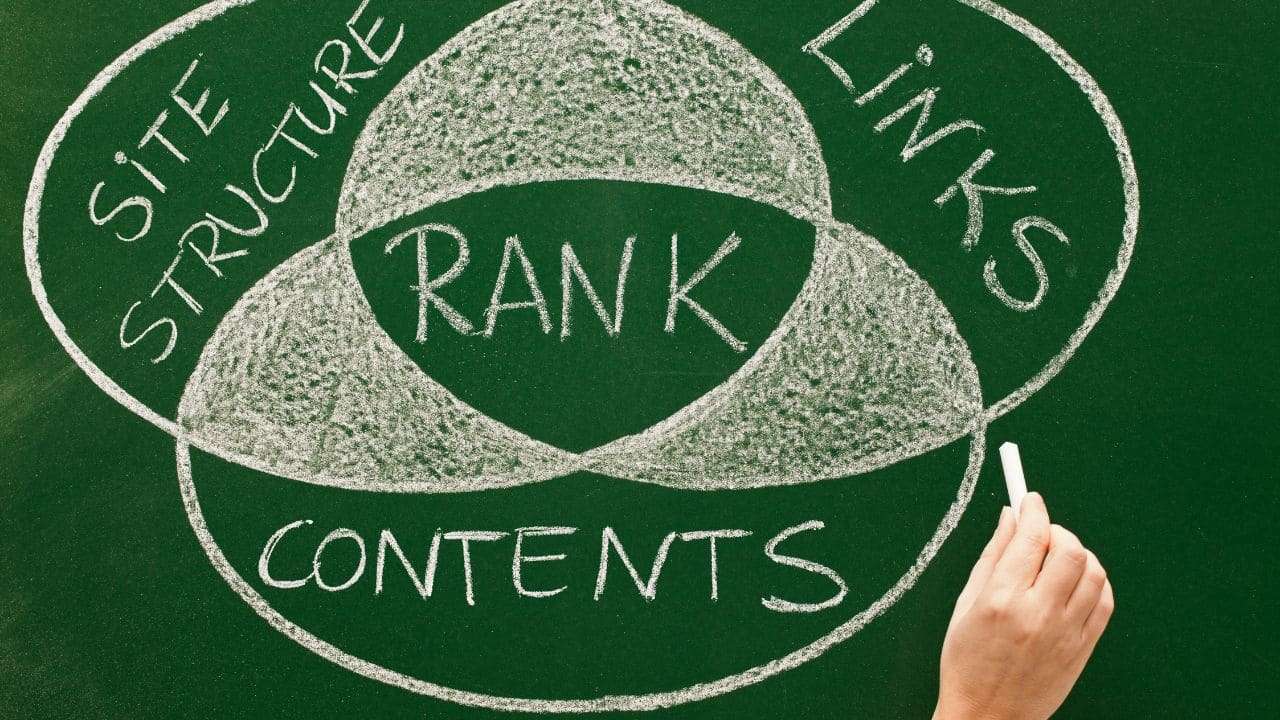
    By focusing on user intent, optimizing on-page SEO, and building a robust backlink profile, you can improve your ability to rank. This guide provides actionable SEO strategies to help you rank higher in competitive niches without overspending.

    What Makes a Niche Competitive?

    A niche becomes competitive when multiple websites target the same relevant keywords with high search volume. These competitive keywords often have high keyword difficulty, making it harder to achieve top search rankings. Additionally, websites in a competitive market usually possess strong domain authority and high-quality backlinks from authoritative sites. Besides content quality, user experience and on-page SEO are critical for ranking well. 

    Despite tough competition, targeting long-tail keywords with low keyword difficulty helps improve your ability to rank. Moreover, maintaining content fresh and relevant significantly boosts your search engine rankings. Therefore, success requires better content and strategic keyword research efforts.

    Mastering the Basics of SEO in a Competitive Niche

    Mastering SEO in a competitive niche requires focusing on several critical factors directly impacting search rankings. Firstly, conduct detailed keyword research using tools like Google Keyword Planner to find the right keywords. Although competitive keywords dominate most search engine result pages, targeting long-tail keywords often proves easier to rank. Secondly, optimize your website content for both users and search engines by including keywords naturally.

    • Tips to rank higher include:
      • Strengthen your backlink profile by earning high-quality backlinks from authoritative sites.
      • Improve user experience by making your website easy to navigate and mobile-friendly.
      • Focus on on-page SEO through effective on-page optimization and clear content structure.

    Moreover, consistently publish valuable content related to your niche that answers the user’s search intent. Lastly, regularly track your keyword rankings using SEO tools like SEO Powersuite’s Rank Tracker to adjust strategies accordingly.

    Strategies to Rank in a Competitive Niche Without Overspending

    Ranking in a competitive niche requires precise keyword research, high-quality backlinks, and smart on-page SEO strategies. Focus on long-tail keywords with low competition to effectively boost your search engine rankings. Optimize your website content for a better user experience and continuously monitor keyword rankings using reliable SEO tools.

    1. Analyze the Competitive Landscape Before Targeting Any Niche:

    Initially, assess the competitive landscape by performing a detailed competitive analysis using advanced SEO tools. Evaluate how many websites in a competitive niche already target your selected keywords. Additionally, check their domain authority, backlink profile, and existing search engine rankings. High keyword difficulty combined with strong competitors indicates a highly competitive niche.

    However, identifying gaps where competitors lack valuable content may improve your ability to rank. Moreover, examine the keywords your competitors consistently target. Consequently, focus on creating better content to surpass their positions in search engine result pages and improve visibility.

    2. Find and Use Low Competition Keywords for Faster Growth:

    Start by using tools like Google Keyword Planner to find keywords with low keyword difficulty and decent search volume. These low-competition terms are generally easier to rank and help attract consistent traffic to your website. Additionally, focus on long-tail keywords, which often reflect more precise search intent. Incorporate these keywords naturally into your website content for better search engine rankings.

    Furthermore, regularly refresh your content fresh and relevant to maintain positions on results pages. Lastly, avoid wasting resources on highly competitive terms when faster growth is possible through smarter keyword research.

    3. Focus on Search Intent to Increase Ranking Success:

    Align your content with the exact needs of your target audience to improve your search rankings.

    • Tips to rank higher include:
      • Identify the precise search intent behind each query before creating related content.
      • Address user concerns directly within your blog posts using accurate and relevant information.
      • Focus on valuable content that satisfies user needs while integrating target keywords seamlessly.

    Moreover, structure your content to be easy to navigate, enhancing user experience. Consequently, content matching search intent ranks higher on search engine results pages, improving organic visibility consistently.

    4. Build a Strong Backlink Profile Without Expensive Campaigns:

    Building a solid backlink profile does not always require expensive outreach or promotional campaigns. Instead, focus on earning high-quality backlinks by producing valuable content that attracts authoritative sites naturally. Additionally, guest posting on reputable websites helps improve both backlinks and domain authority. Moreover, regularly analyze your existing links to replace low-value connections with stronger alternatives.

    A well-balanced backlink profile will significantly boost your search engine rankings. Lastly, avoid black-hat tactics since poor-quality links may harm your seo success rather than improve it.

    5. Implement Technical SEO to Gain an Edge Over Competitors:

    Effective technical SEO ensures search engines crawl and index your website without any performance issues. Optimize website speed, improve mobile responsiveness, and eliminate broken links for a better user experience. Additionally, apply schema markup to help search engines understand your content structure efficiently. Moreover, improve internal linking strategies to strengthen keyword relevance across your pages.

    Addressing technical barriers helps you rank higher, even in a highly competitive industry. Finally, regular audits using advanced seo tools like SEO Powersuite’s Rank Tracker ensure technical issues never hinder your progress.

    6. Master On-Page Optimization for Competitive Keywords:

    Focus heavily on on-page SEO to optimize your content for competitive keywords effectively. Start by placing target keywords in critical areas, including titles, meta descriptions, and headers. Additionally, ensure your website content flows naturally and provides genuine value to readers. Moreover, optimize images, improve loading speeds, and structure content using proper HTML tags.

    Consequently, search engines better understand your pages, helping you rank well against competitors. Lastly, update old content regularly to keep it fresh and relevant, signaling content authority to search engines consistently.

    7. Leverage Smart SEO Strategies to Improve Ranking Performance:

    Smart strategies can significantly boost your search engine rankings even in a competitive market.

    • Tips to rank successfully include:
      • Prioritize producing better content that addresses real user concerns comprehensively.
      • Build relationships with influencers for natural, high-quality backlinks from authoritative sites.
      • Use advanced rank tracker tools to expand insights and measure performance consistently.

    Additionally, invest time in understanding the competitive landscape before targeting new topics. Consequently, balanced strategies combining technical SEO, content improvements, and focused link-building often outperform aggressive campaigns in highly competitive industries.

    8. Monitor Progress and Adjust Strategies Based on Ranking Results:

    Track performance regularly using advanced SEO tools to understand which strategies produce measurable results. Analyze keyword rankings frequently, ensuring your pages continue performing well in search engine results. Additionally, monitor traffic fluctuations to identify content requiring immediate improvements. Moreover, use tools like SEO Powersuite’s Rank Tracker for detailed insights into ranking changes.

     Consequently, adjust your keyword targeting and content strategies based on updated performance data. Lastly, continually refine your backlink approach and refresh older content to maintain strong positions across relevant SERPs and remain competitive.

    What Not to Do to Rank in a Competitive Niche

    Now that you fully understand how to rank in a Competitive niche. Here’s what not to do:

    Keyword Stuffing:

    Keyword stuffing disrupts the natural flow of website content and harms your ability to rank well. Search engines penalize pages that forcefully insert competitive keywords without providing valuable content. Instead, integrate keywords naturally and maintain relevance to the target keyword. Additionally, focus on long-tail keywords with low competition to attract highly targeted traffic. Remember, quality content with strategic keyword placement improves your search engine rankings significantly.

    Also, tools like Google Keyword Planner help you identify the right keywords without overloading your content. Consequently, avoid excessive keyword repetition and prioritize making your blog posts easy to navigate and highly informative.

    Buying Links:

    Buying links may seem like a shortcut, but it severely damages your backlink profile and domain authority. Search engines detect unnatural link-building patterns and penalize websites involved in such practices. Instead, focus on acquiring high-quality backlinks from authoritative sites through valuable content creation. Moreover, targeting the right keywords naturally attracts organic backlinks. Tools like SEO PowerSuite’s Rank Tracker help you monitor backlink quality effectively.

    Paid links rarely boost your search engine rankings and often lead to long-term SEO failure. Therefore, prioritize ethical link-building strategies that strengthen your website content and improve your position on search engine result pages.

    Forgetting About User Experience:

    Ignoring user experience directly lowers your ability to rank in a highly competitive niche. Visitors prefer websites that are easy to navigate and load quickly. Additionally, optimizing on-page SEO elements like headings, images, and internal links improves website content engagement. Google’s algorithm increasingly values positive user experience when determining keyword rankings. Therefore, focus on delivering valuable content that addresses search intent effectively.

    Furthermore, ensure mobile responsiveness and reduce unnecessary design clutter. When users find your site helpful and accessible, they stay longer, boosting your search engine rankings. Finally, consistently updating content keeps it fresh and relevant for returning visitors.

    Conclusion

    Achieving higher search rankings in a competitive niche requires a strategic approach focusing on keyword research, quality backlinks, and user experience. By targeting long-tail keywords and optimizing your website content, you can attract highly targeted traffic. Remember to regularly update your content to keep it fresh and relevant. What strategies have you found most effective in improving your search engine rankings?

    FAQs

    1. What does it mean to rank in a competitive niche?
    It means achieving higher search engine rankings in industries with many established competitors.

    2. Why is keyword research important for SEO success?
    Proper keyword research helps identify search terms with better ranking potential and targeted traffic.

    3. How can I improve my website’s domain authority?
    Acquire high-quality backlinks from authoritative sites and consistently publish valuable, optimized content.

    4. What is the difference between high and low competition keywords?
    High competition keywords are harder to rank for, while low competition keywords offer easier ranking opportunities.

    5. How often should I perform SEO audits?
    Conduct SEO audits quarterly to ensure your website remains optimized and free of technical issues.

    6. Do backlinks still matter for SEO in 2025?
    Yes, backlinks remain a strong ranking factor, especially from trusted and authoritative sources.

  • How to See My Google Reviews [Step-by-Step Guide]

    How to See My Google Reviews [Step-by-Step Guide]

    how to see my google reviews

    Business owners often question “how to see my Google reviews” to know what their audience is thinking. Not finding your Google reviews can be frustrating, especially when you’re eager to understand customer feedback. Many business owners face this issue, often due to unfamiliarity with the Google Business Profile interface. 88% of consumers trust online reviews as much as personal recommendations. This underscores the importance of regularly monitoring your reviews on Google Maps and your business profile.

     Fortunately, accessing your reviews is straightforward and can be done via desktop or mobile devices. This guide provides a comprehensive, step-by-step approach to help you view and manage your Google reviews effectively.

    Why Are Google Reviews Important?

    how to see my google reviews

    Google reviews are vital in shaping a business’s online presence and reputation. They directly influence how customers perceive your services, products, and trustworthiness. Moreover, reviews can significantly impact your local SEO, search results rankings, and customer engagement across desktop and mobile devices, including Android and iPhone.

    Build Trust with New and Existing Customers:

    Customers usually check reviews on Google before contacting or visiting a business location. These online reviews serve as digital word-of-mouth and affect how others perceive your credibility. Moreover, many positive reviews on your Google Business Profile build consistent confidence. Conversely, negative review clusters can reduce clicks to your review page and business listing. People often find your business through local SEO tactics, but they stay because of great ratings.

    They Improve Your Local SEO and Search Rankings:

    Google uses ratings and reviews to determine a business’s value and position in local search results. Better local rankings mean customers can locate your business faster on the Google Maps app. Hence, managing Google reviews is not just about brand reputation, it boosts your search engine reach. Businesses with more customer feedback rank higher, especially on mobile devices during intent-based searches. Besides visibility, review quantity also contributes to Google’s trust signals for your business profile.

    They Encourage Customer Engagement and Feedback:

    When customers leave reviews on a mobile device, they feel part of your brand’s growth. Google reviews allow customers to leave honest opinions and businesses to respond to reviews easily. Also, replying through your Google account shows you care about feedback, positive or negative alike. Even a single review left on Google can reflect how responsive a business owner is. Timely responses also prevent potential customers from misjudging your review management efforts.

    They Provide Insights for Business Improvement:

    Reading what customers are saying about your business gives you insight into service quality or flaws. Whether a review is deleted or remains visible, initial reactions shape lasting impressions online. Also, identifying recurring complaints helps business owners address underlying problems quickly and transparently. Although some comments may be critical, review management lets you transform issues into improvement opportunities. Eventually, this loop of feedback, action, and response helps in growing your business sustainably.

    They Help Potential Customers Make Informed Decisions:

    Prospective clients usually search for your business on Google Maps to compare ratings and reviews. Knowing how to find the review they want often drives their final decision to purchase. Explicitly, reviews your customers have left offer real-world context that marketing alone cannot provide. Moreover, when they see your business profile with helpful responses, trust builds even further. Even reviews on the Google Play Store affect how service-based apps are perceived on Android devices.

    How Do I See My Google Reviews on a Desktop or PC?

    how to see my google reviews

    Seeing your Google reviews on a desktop or PC is simple and helps manage your business profile. Whether you want to respond to reviews, check customer feedback, or delete Google reviews, following a few easy steps ensures you stay in control.

    Here’s how to do it:

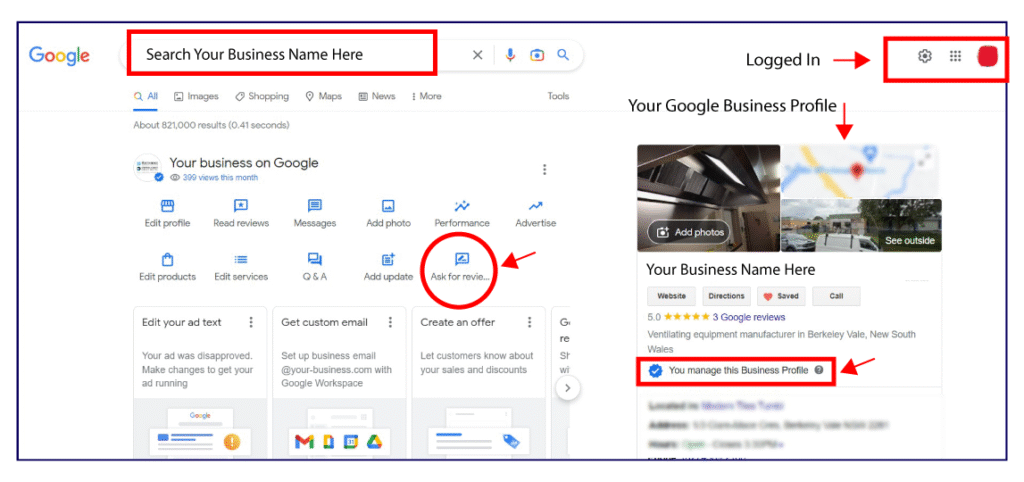
    1. Go to Google Search and sign in to your Google Account linked to your business profile.
    2. Type your business name into the search bar and press Enter.
    3. Look at the right side of the screen to find your Google Business Profile panel.
    4. Click “Google reviews” to view the number of reviews and ratings left on Google.
    5. Use filters to see reviews you left, past reviews, or the review you want to manage.
    6. Respond to reviews or manage reviews directly from your review page.
    7. Follow Google’s review guidelines when replying to or removing any inappropriate content.

    These steps help maintain accurate online reviews and improve your local SEO presence.

    How Do I See My Google Reviews on Mobile Phones?

    google reviews on mobile

    Checking your Google reviews on a mobile device is straightforward and helps you stay updated anywhere. Whether you’re using an Android or an iPhone, viewing and managing reviews on Google can be done through simple steps. This is essential for business owners aiming to improve customer satisfaction and local SEO.

    Here’s how to see your Google reviews on mobile:

    1. Open the Google Maps app on your Android or iPhone and make sure you’re signed into your Google account.
    2. Search for your business name in the search bar and tap on the correct listing.
    3. Scroll down on your business profile to find the “ratings and reviews” section.
    4. Tap “Reviews” to see all reviews your customers have left, both positive reviews and negative review feedback.
    5. Use filters to find the review you want or see reviews you left for others.
    6. Tap on “Manage reviews” if you’re the business owner to reply to or delete reviews according to Google’s review guidelines.
    7. Enable notifications to get alerts when customers leave reviews on Google.

    Viewing reviews regularly allows you to monitor your business reputation, manage Google reviews efficiently, and respond to reviews promptly, all from your mobile phone.

    How to Find My Google Reviews on Google Play?

    Finding your Google reviews on Google Play is important if you’ve left feedback on apps, games, or services. Whether you’re using an Android phone or a desktop, Google Play reviews are tied to your Google account and easy to access with a few steps. You’ll see all the reviews you left, including ratings and customer feedback.

    Follow these step-by-step instructions to find your Google Play reviews:

    1. Open the Google Play Store app on your Android mobile device and make sure you’re logged in.
    2. Tap on your profile icon at the top right to access your Google account settings.
    3. Select “Manage apps & device” and then tap on the “Manage” tab to see all your apps.
    4. Tap the “Ratings and reviews” option under your account menu to view your past reviews.
    5. Scroll through the list to see reviews you left on apps and services from the Play Store.
    6. Tap any review to edit or delete Google reviews if needed, as long as they follow Google’s review guidelines.
    7. Use this review page to manage reviews, monitor responses from developers, or update your opinions.

    This helps you track your review history, improve your review management, and ensure your feedback remains relevant.

    Conclusion

    Regularly checking your Google reviews is crucial for maintaining a positive online presence and enhancing customer satisfaction. By following the steps outlined in this guide, you can easily access and manage your reviews across various platforms. Remember, timely responses to both positive and negative reviews demonstrate your commitment to customer service. Have you implemented these steps to monitor your Google reviews?

    FAQs

    1. What are Google reviews?
    Google reviews are public ratings and comments people leave about businesses, services, or apps.

    2. Why should I check my Google reviews?
    They help you understand what others are saying about your service or business online.

    3. Can anyone leave a Google review?
    Yes, anyone with a Google account can leave a review for a place or business.

    4. How can I find reviews I’ve written?
    Log into your Google account and check the “Your contributions” section on Google Maps or Google.

    5. Do Google reviews show up right away?
    Not always. Sometimes they take time to appear or may be filtered by Google.

    6. Can I delete a review I posted?
    Yes, go to the review you wrote, tap the options, and choose delete.

  • How Small Businesses Are Adopting New Tech to Stay Competitive in 2025

    How Small Businesses Are Adopting New Tech to Stay Competitive in 2025

    admin-ajax

    As we enter 2025, small businesses face a fast-changing world. To keep up, embracing new technology is now a must.

    The quick changes in technology are changing how small businesses work. They can now make their operations better, improve customer service, and grow. By using new tools and technologies, small businesses can make their processes smoother, stand out from the competition, and grow steadily.

    Key Takeaways

    • Small businesses must adopt new technology to remain competitive.
    • Technology adoption is key to better operations and customer service.
    • Using new tech helps small businesses grow and stay ahead.
    • The competitive landscape in 2025 calls for innovation and flexibility.
    • Embracing technology is essential for lasting growth.

    The State of Small Business Technology in 2025

    The tech world for small businesses is changing fast. New tools are coming out, and businesses are trying to keep up. They face both chances and hurdles in integrating new technology into their work.

    Current Technology Landscape

    From 2023 on, tech has gotten more advanced. Small businesses are using tools like predictive analytics and customer service automation. These help them work better and make customers happier.

    Key Technology Shifts

    More businesses are using AI and automation. This makes their work smoother and helps them make better choices. One company taking the lead is Injectco, which implemented an AI-based lead scoring and nurturing platform to eliminate manual lead vetting.

    It flagged every incoming lead in real time, scored them 0 to 100 based on behavior, and auto-routed high-scorers directly to our booking calendar.” – Kiara DeWitt, CEO at Injectco

    This shift helped save her team nearly 9 hours per week — the equivalent of gaining a full-time employee without the payroll costs.

    Industry-Specific Trends

    Each industry is using tech in its own way. Retail is all about online shopping and making experiences personal. Manufacturing is getting more into IoT.

    small business technology trends

    Competitive Pressures

    Small businesses feel the need to keep up with new tech for many reasons. They want to work better, make customers happier, and beat the competition. They do this by implementing tech solutions that bring new ideas.

    Why Adopting New Tech Is No Longer Optional

    Small businesses must adopt new technology now more than ever. This is due to changing consumer needs and the need for better operations. To meet these demands and stay ahead, using new tech is key.

    Market Expectations and Consumer Behavior

    Today, people want a unified and tailored experience from businesses. Technology is essential for this. It helps businesses use data and AI to better serve their customers.

    Operational Efficiency Requirements

    Technology is also vital for making operations smoother. It automates tasks and makes processes more efficient. This helps small businesses save money, work better, and use resources wisely.

    digital transformation

    Competitive Advantage Through Innovation

    Using new technology can make a small business stand out. By adopting new tech, businesses can offer unique products and services. This sets them apart from others.

    Technology Market Impact Operational Benefit
    AI and Machine Learning Personalized customer experiences Predictive analytics for inventory management
    Cloud-Based Solutions Scalability and flexibility Enhanced collaboration and remote work capabilities
    IoT and Connected Devices Smart product offerings Real-time monitoring and predictive maintenance

    Top Technology Trends Reshaping Small Business Operations

    Small businesses are on the verge of a tech revolution. Several key trends are leading the way in 2025. These trends boost efficiency and open new growth paths and ways to engage with customers.

    AI and Machine Learning Applications

    Artificial Intelligence (AI) and Machine Learning (ML) are at the forefront. They offer small businesses powerful tools to enhance operations. These technologies are used in many ways, including:

    Predictive Analytics for Small Business

    Predictive analytics, powered by ML, helps small businesses make better decisions. It forecasts trends and behaviors. This is key for managing inventory, planning finances, and finding new opportunities.

    Mitchell Cookson, Co-founder of AI Tools Inc., shared how his company uses internal AI agents to analyze user behavior and support tickets.

    “These agents summarize trends weekly and recommend actionable insights — what used to take two people 25 hours now runs in the background and lands on our desks Monday morning.”

    Customer Service Automation

    AI-driven chatbots and virtual assistants are changing customer service. They offer 24/7 support, answer questions, and solve problems quickly. This boosts customer satisfaction and frees up human resources for more complex tasks.

    Cloud-Based Solutions

    Cloud technology is essential for small businesses. It offers scalability, flexibility, and cost savings. Cloud-based solutions let businesses access important apps and data from anywhere, making remote work and collaboration easier.

    IoT and Connected Devices

    The Internet of Things (IoT) connects devices and systems for real-time monitoring and control. For small businesses, IoT helps with smart inventory management and personalized customer services.

    Blockchain for Small Business Applications

    Blockchain technology is becoming popular among small businesses. It improves security, transparency, and efficiency. It’s used for secure transactions, supply chain management, and identity verification.

    By embracing innovation and adopting these technologies, small businesses gain big benefits. They see improved efficiency, better customer experiences, and smarter decision-making.

    Digital Transformation Strategies for Limited Budgets

    Small businesses face a fast-changing tech world. They need to find ways to adopt digital transformation without spending too much. This means investing wisely and getting the most value for their money.

    Prioritizing High-Impact Technologies

    Small businesses should pick technologies that make a big difference. This could be AI and machine learning for better customer service or cloud-based solutions for easier data sharing. By focusing on these, they can use their resources well.

    Subscription vs. Ownership Models

    Choosing subscription models can help save money. It means no big upfront costs and always having the latest tech. For example, cloud-based software subscriptions offer flexibility and scalability.

    Leveraging Free and Open-Source Solutions

    Free and open-source tools are great for small businesses. They save money and often have community support. Tools like open-source CRM systems and free project management tools are examples.

    Grant Programs and Tax Incentives

    Many governments help businesses with grants and tax breaks for new tech. Small businesses should look into these to lower the cost of digital transformation. Tax credits for tech investments can be a big help.

    By using these strategies, small businesses can overcome digital transformation challenges even with tight budgets. It’s about being smart, choosing the right tech, and finding affordable solutions to grow and stay competitive.

    Customer-Facing Technologies Driving Growth

    Customer-facing technologies are key for small businesses to stay ahead and grow in 2025. They help businesses offer smooth customer experiences, boost engagement, and raise conversions.

    Enhanced E-commerce Platforms

    Enhanced e-commerce platforms are changing how small businesses sell online. They offer mobile optimization, streamlined checkout processes, and integrated payment gateways. These features improve customer happiness and online sales.

    Personalization Technologies

    Personalization technologies are vital for small businesses to stand out. They use AI-driven customer insights and dynamic content generation to craft unique customer experiences.

    AI-Driven Customer Insights

    AI-driven customer insights help businesses understand customer data and behavior. This info is key for tailoring marketing and boosting engagement.

    Dynamic Content Generation

    Dynamic content generation lets businesses create content that matches individual customers’ tastes. This boosts the chance of a sale.

    Omnichannel Communication Tools

    Omnichannel communication tools are critical for a smooth customer experience across different channels. They integrate social media, email, and messaging apps. This ensures customers get consistent, timely updates.

    Augmented Reality for Retail

    Augmented reality (AR) is changing retail by letting customers interact with products in new ways. AR technology boosts engagement and sales for small businesses.

    Technology Benefits Examples
    Enhanced E-commerce Platforms Improved customer satisfaction, increased online sales Shopify, WooCommerce
    Personalization Technologies Highly personalized customer experiences, increased conversion rates AI-driven customer insights, dynamic content generation
    Omnichannel Communication Tools Seamless customer experience across multiple channels Social media integration, email marketing automation
    Augmented Reality for Retail Increased customer engagement, driven sales Virtual try-on, product demonstrations

    Back-Office Innovations Streamlining Operations

    Back-office innovations are changing how small businesses work. They make these businesses more flexible and competitive. By using new technologies, small businesses can work better, save money, and make smart choices.

    Accounting and Financial Management Systems

    Modern accounting and financial systems are key for small businesses. They help manage money well. These systems give real-time financial insights, do tasks automatically, and follow financial rules. By using these systems, businesses can make their financial work smoother and better manage their money.

    Inventory and Supply Chain Management

    Good inventory and supply chain management are important for small businesses. Technologies like predictive inventory solutions and supplier management platforms help. They help businesses manage their stock, cut waste, and work better with suppliers.

    Predictive Inventory Solutions

    Predictive inventory solutions use data and learning to guess demand. This helps businesses keep the right amount of stock. It saves money by avoiding too much stock and ensures they meet customer needs.

    Supplier Management Platforms

    Supplier management platforms help businesses talk and work better with suppliers. They make sure businesses get what they need on time and reliably. These platforms also help avoid problems in the supply chain.

    HR and Employee Management Solutions

    HR and employee management solutions change how small businesses handle their team. They make HR tasks easier, from finding new employees to helping them grow. This boosts employee engagement and work quality.

    Business Intelligence Dashboards

    Business intelligence dashboards give small businesses a clear view of their work. They help make decisions based on data. These dashboards combine data to give actionable insights that help businesses grow.

    By using these back-office innovations, small businesses can do better, stay ahead, and grow in a lasting way.

    Cybersecurity Essentials for the Modern Small Business

    Small businesses have seen many benefits from going digital. But, they also face more cyber threats. It’s key for them to keep up with new security risks as tech changes.

    Threat Landscape in 2025

    In 2025, small businesses will face a tough and changing threat world. Cyberattacks will get smarter, using AI and tricks to fool people. Small businesses need to stay alert and act fast to keep safe.

    Cost-Effective Security Solutions

    Good cybersecurity doesn’t have to cost a lot. Small businesses can find affordable ways to protect themselves. Here are some:

    • Multi-factor authentication
    • Regular software updates
    • Employee training programs
    • Cloud-based security services

    Employee Training and Awareness

    Employees are the first defense against cyber threats. Regular training and awareness programs can really help. They should learn about passwords, spotting phishing, and safe internet use.

    Compliance and Regulation Considerations

    Small businesses must also deal with many cybersecurity rules and standards. Knowing and following laws like GDPR and CCPA is important. It helps avoid legal trouble and keeps customers’ trust.

    Cybersecurity Measure Cost Effectiveness Impact on Security
    Multi-factor Authentication High Significant
    Regular Software Updates High Moderate
    Employee Training Moderate High
    Cloud-based Security Moderate Significant

    By knowing the threats, using smart security, training staff, and following rules, small businesses can boost their cybersecurity. This is part of their digital transformation and technology implementation strategy.

    Strategies for Successfully Adopting New Tech

    For small businesses, embracing new technology is now a must. They need to find ways to adopt and use new tech effectively.

    Technology Assessment and Planning

    Starting with a detailed tech assessment is key. It means checking current systems, finding what’s missing, and picking the right tech for goals. Careful planning makes sure new tech fits with business plans and grows with the company.

    Implementation Best Practices

    Getting new tech right is all about good implementation. This includes:

    • Phased Rollout Approaches: Slowly adding new tech to avoid problems and make adjustments.
    • Employee Onboarding Techniques: Giving full training to make sure staff knows and uses new systems well.

    Phased Rollout Approaches

    Phased rollout helps manage risks. It lets businesses test and tweak their plans before going all in.

    Employee Onboarding Techniques

    Good training is essential for tech success. Companies should invest in detailed onboarding. This should include practical training and support to help staff use new tech well.

    Measuring ROI on Technology Investments

    To show the value of new tech, businesses need to track ROI. They should look at how new tech improves productivity, saves costs, and boosts sales.

    Overcoming Common Adoption Challenges

    But, adopting new tech can be tough. Issues like resistance, lack of skills, and integration problems can arise. To beat these, businesses should encourage innovation, keep training up, and choose tech that works with what they already have.

    Case Studies: Success Stories of Tech-Forward Small Businesses

    Small businesses are making big strides by using new tech. They’re using advanced systems to grow, work better, and serve customers better.

    Retail Transformation

    In retail, small shops are using AI chatbots and augmented reality. For example, a New York boutique used AI to manage stock. This led to a 25% sales boost thanks to better stock and personalized advice.

    “The integration of AI in our inventory management has been a game-changer. It’s allowed us to predict demand more accurately and reduce waste.” – Emily Chen, Owner, Trendy Boutique

    Service Industry Innovation

    Service businesses are also seeing benefits from new tech. A California dental clinic used a cloud system for patient management. This cut admin costs by 30% and made patients happier.

    Manufacturing Modernization

    Small makers are using IoT and predictive maintenance. A car parts maker in the US used IoT to cut downtime by 40% and boost efficiency.

    Predictive Inventory Solutions

    Predictive inventory helps small businesses in retail and manufacturing. It uses data to guide stock decisions, reducing waste.

    Supplier Management Platforms

    Supplier platforms help small businesses manage suppliers and track shipments. A small food company in the US cut supply chain costs by 20% with such a platform.

    Industry Technology Adopted Benefits Realized
    Retail AI-powered inventory management 25% increase in sales
    Service Cloud-based patient management 30% reduction in administrative costs
    Manufacturing IoT-based monitoring system 40% reduction in equipment downtime

    Professional Services Digitization

    Professional services firms are also going digital. A Texas law firm used a digital system for documents. This made clients happier and cut document search time by 50%.

    These stories show how new tech can help small businesses grow and improve. By choosing the right tech, they can stay ahead and succeed in the long run.

    Conclusion: Preparing Your Business for Continued Technological Evolution

    Technology keeps changing, and small businesses must keep up to stay ahead. They need to adopt new technologies to compete. By being innovative and choosing the right tech, they can succeed for a long time.

    For small businesses, using new technology is essential. They must understand the tech world and change quickly. This helps them meet market needs and customer wants.

    Small businesses can grow and work better by focusing on key technologies. They should use affordable solutions and improve both customer service and back-office work. As tech changes, businesses ready to adopt new tech will lead the way to success.

    FAQ

    What are the key technology trends that small businesses should be aware of in 2025?

    Small businesses should watch out for AI, cloud solutions, IoT, and blockchain. These trends change how they work and grow.

    How can small businesses with limited budgets adopt new technology?

    They can pick important tech, use affordable services, and get help from government programs. This helps them stay up-to-date without spending too much.

    What are the benefits of adopting customer-facing technologies like enhanced e-commerce platforms and personalization technologies?

    These technologies make customers happier and help businesses grow. They offer a better experience and can increase sales.

    How can small businesses ensure the security of their technology systems?

    They can use affordable security tools, train employees, and follow rules. This keeps their systems safe from cyber threats.

    What are the key considerations for small businesses when adopting new technology?

    They should plan, follow best practices, and check if it’s worth it. Overcoming challenges is key to using new tech well.

    How can small businesses measure the ROI of their technology investments?

    They can track how much money they make, how efficient they are, and how happy customers are. Then, they compare these to what they spent.

    What are some common challenges that small businesses face when adopting new technology, and how can they be overcome?

    Challenges include not knowing enough, being hesitant to change, and not having enough money. Training, getting help, and finding cheap solutions can help.

    How can small businesses stay ahead of the curve in terms of technology adoption and remain competitive?

    They should keep up with new tech, figure out what they need, and invest wisely. This helps them grow and stay ahead.

  • Top 10 Global Employment Platforms for SEO Companies in 2025

    According to a recent survey, almost two-thirds of companies offer their employees the opportunity to work remotely at least some of the time. 

    There are numerous advantages to remote work for both businesses and employees, including lower overhead costs, better work-life balance, and the elimination of office politics.

    For SEO companies, one of the most significant benefits often overlooked is the ability to tap into a global talent pool. Instead of limiting recruitment to the global market, agencies can now recruit skilled professionals from anywhere in the world. This is especially beneficial for SEO companies aiming for global expansion or looking to bring in specialized expertise from different regions.

    This is more feasible than ever thanks to global employment platforms, which simplify the complexities of international hiring. These platforms offer features such as Employer of Record (EOR) services, global payroll systems, and contractor management tools — all of which make it easier for SEO companies to scale and manage remote teams across borders.

    If your SEO company is considering broadening its recruitment globally, let’s explore the top 10 global employment platforms that can help you hire talented professionals from around the world.

    1. Remote

    Remote is a leading global employment platform and EOR provider, designed to make it simple for companies to hire, pay, and manage talent in more than 190 countries. With a strong emphasis on compliance, Remote also offers international contractor management, global payroll, and time-tracking capabilities. It even has an integrated remote job board (called Remote Talent) to help you attract and source overseas employees.

    What really sets Remote apart is its transparent pricing and commitment to local expertise, which helps businesses confidently navigate the complexities of international hiring. It’s ideal for SEO companies looking to scale globally without the legal headaches.

    2. Deel

    Deel is another popular choice for businesses hiring international talent, offering a broad suite of features including EOR services, automated contracts, and real-time payroll tracking. While Remote is typically considered the best Deel alternative, this is a strong option for companies needing fast, scalable solutions. 

    That said, its wide array of features can sometimes feel overwhelming for smaller businesses or startups, and pricing may climb quickly as your hiring needs grow.

    3. Papaya Global

    Papaya Global stands out for its powerful payroll automation and strong compliance infrastructure. It supports hiring in over 160 countries and integrates easily with many HR and ERP systems. Their platform is particularly helpful for companies managing a mix of employees and contractors. One limitation is the less intuitive UI compared to competitors, but it’s still a strong choice for businesses with global hiring ambitions.

    4. Oyster

    Oyster positions itself as a “global employment platform for distributed teams” and lives up to that statement with an easy-to-use system and robust compliance support. Its unique strength lies in offering localized benefits packages, helping to create a better overall employee experience — although, some users have noted slower customer support response times during critical periods, which might be a consideration for fast-paced HR teams.

    5. Velocity Global

    Velocity Global offers comprehensive global hiring solutions, including EOR services, contractor management, and immigration support — ideal if your new hire is physically relocating. It’s particularly strong when it comes to navigating complex regulatory environments, but considering its pricing is on the higher end, it might be better suited to larger enterprises, or at least scale-ups with healthy budgets.

    6. Multiplier

    Multiplier prides itself on empowering businesses to onboard international employees quickly while staying fully compliant with local laws. Its standout feature is simplicity — users often praise its clean UI and ease of use. It also supports benefits administration and tax compliance, but its coverage is slightly narrower than some of the bigger players, so it’s definitely worth checking if your target country is supported first.

    7. Globalization Partners (G-P)

    G-P has been in the global employment game for a long time and is known for its extensive legal infrastructure and enterprise-level support. With a presence in 180+ countries, it’s a reliable choice for companies looking to hire overseas with minimal risk. On the downside, G-P’s platform can feel a bit dated compared to newer, more agile competitors, and the pricing isn’t always as transparent.

    8. RemotePass

    RemotePass caters especially well to remote-first companies by simplifying contractor management and international payroll. The platform is particularly appreciated for its fast onboarding and contractor-focused features. However, it has fewer advanced HR integrations and may lack the broader EOR functionality needed for hiring full-time employees in some countries.

    9. WorkMotion

    WorkMotion is a Berlin-based platform that enables companies to hire talent globally through its EOR and compliance services. It’s a great option for companies wanting a Europe-centric provider with local know-how. It’s not necessarily as mature or feature-rich as global leaders like Remote or Deel, especially when it comes to payroll reporting tools, there’s the advantage of working with a fellow company.

    10. Boundless

    Boundless helps businesses employ remote talent legally and compliantly, with more of a focus on transparency and employee well-being than many other providers. The platform stands out for its in-depth country guides and focus on fair employment practices, but it currently supports a smaller number of countries than some of its competitors, so it’s better suited for companies with more specific geographic targets.

    Wrapping Up

    Whether you’re a growing SEO agency or an established enterprise, global hiring is more accessible than ever, and global employment platforms are key to streamlining the process. While Remote sets the standard with its comprehensive features and transparency, each platform on this list brings a unique combination of tools and services designed to enhance your international hiring strategy. These platforms are perfect for SEO companies looking to expand their teams with top global talent, offering solutions that simplify compliance, payroll, and recruitment across borders.

  • Ask AI Questions Like a Pro with These Best Practices

    Ask AI Questions Like a Pro with These Best Practices

    ask ai questions

    Have you ever had the opportunity to ask AI questions and received a vague or unrelated answer? That happens more often than expected, mainly because people are not framing their prompts with enough clarity or direction. According to recent data, the effectiveness of AI responses largely depends on the context, phrasing, and specificity of the question you ask. Unlike a search engine that fetches links, artificial intelligence generates responses based on trained data patterns and how the prompt is structured. So, when the input lacks detail or is too broad, the AI struggles to return accurate and relevant information.

    Whether you want to improve productivity, generate creative ideas, or get concise, expert-like insights, your query must be crafted accordingly. This article provides the best practices, essential techniques, and helpful tips to ask AI questions like a pro. You will also learn to manage expectations and refine prompts for the best possible outcome.

    How to Use an AI Answer Engine: 3 Essential Considerations to Get Relevant Answers

    1. The Importance of Context:


    When interacting with any AI tool, the importance of providing context cannot be overstated or ignored. Context helps artificial intelligence narrow down potential answers and generate responses that are more accurate and relevant. Without it, even expert systems may provide vague or off-topic results that do not help you find what you want to know. Therefore, always include specific details, keywords, or language that guides the AI toward a clear direction. Additionally, sharing the purpose or background behind your query enables the tool to handle the request more efficiently. So, provide context early and clearly to streamline the answers you receive.

    2. Phrasing Questions Correctly:


    Asking the right questions is essential if you want helpful and specific responses from any AI-powered system. Instead of vague or overly broad queries, use concise language with one question at a time to avoid confusion. Also, frame your question around a clear request, using patterns like “Could you explain…” or “What is the best way to…” which guide the AI to follow your intent properly. Comparatively, open-ended questions allow for more insight and potential answers you might not expect. Overall, phrasing affects the quality of the AI answer, so structure your prompts with purpose and clarity.

    3. Utilizing Follow-Up Questions:


    Follow-up questions play a crucial role when you want to dig deeper or clarify a previous AI response. After the initial reply, you can refine the topic or direction by specifying which part you want to expand. Furthermore, asking follow-up questions helps the AI tool manage expectations and provide more targeted data in response. For instance, if an earlier answer feels too broad, a specific follow-up allows the AI to refocus. Moreover, follow-ups keep the chat interactive, ensuring you stay on track and get the best results. Hence, use follow-ups to improve productivity and extract clearer, better-informed insights.

    Talking with Generative AI: How to Write Effective Prompts for AI Questions

    Understand the Context and Purpose:


    Before you ask AI questions, define the purpose clearly and offer relevant background or context. Doing so helps the AI tool generate responses that align closely with your expectations. Furthermore, context allows artificial intelligence to narrow its focus and produce accurate and relevant answers. Thus, understanding the direction of your prompt is essential to get the best results from any AI-powered chat system.

    Use Precise Language for Relevant Responses:


    AI tools respond best when your question uses concise language with straightforward phrasing and clear intent. Avoid vague phrases and instead ask one question at a time using structured language. Moreover, using specific keywords in your prompt significantly improves the quality of the AI answer. Therefore, frame every query carefully to help the tool handle your request more effectively and produce helpful responses in less time.

    Incorporate Additional Context and Relevant Details:


    To streamline answers you receive and reduce bias, always include more information when possible.

    • Add relevant data or background events
    • Mention the specific topic or question, like “How does it affect X?”
    • Use words that match the tool’s training language
    • Include what kind of answer your request should generate
    • Highlight what outcome you expect from the query

    Break Down Complex Questions:


    Instead of asking overly broad or complicated questions, break them into smaller parts for clarity. Doing so ensures that artificial intelligence can follow the structure more effectively and produce more accurate responses. For instance, rather than combining multiple requests, ask follow-up questions based on earlier answers. Consequently, this helps you manage expectations and improve productivity by guiding the AI one step at a time.

    Use AI for Creative and Informative Queries:


    AI tools are not limited to fact-based answers—they also support creative queries and insightful suggestions. You could ask about content ideas, topic breakdowns, or ways to phrase something better. Additionally, these tools can help you refine language for writing, marketing, or professional use. Henceforth, whether the request is broad or specific, asking questions the right way increases the possibility of a helpful and well-structured response.

    AI-Related Questions for Research: An Intelligent Approach to Knowledge Management

    When you ask AI questions for research, specificity and structure significantly influence the results you receive. Context adds meaning, while concise language improves the AI’s ability to handle complex queries effectively. Moreover, each prompt should guide the tool with a clear direction, helping streamline potential answers. Use each query to generate insight, refine your data source, and manage expectations efficiently. Therefore, strategic interaction ensures better knowledge management using any AI tool.

    1. Be Specific:


    AI tools perform best when your queries are specific, detailed, and directed toward a focused topic. Vague language or broad phrasing can lead to irrelevant responses, reducing the accuracy and relevance of the AI answer. Instead, phrase your prompt around the exact detail or fact you want to know. For instance, ask, “What is the cost of renewable energy in 2024?” rather than “Tell me about energy.” Moreover, use concise language and frame your request so the tool can narrow its pattern of responses accordingly. Henceforth, specificity is a crucial guideline for improving productivity and getting the best results.

    2. Use Research Question Formats:

    The right question format plays a crucial role when interacting with any AI-powered system for research.

    • Descriptive Questions: “What are the features of AI chat tools used in education?”
    • Comparative Questions: “How does AI compare with human analysis in clinical diagnostics?”
    • Causal Questions: “What effect does data bias have on AI-generated medical research?”
    • Exploratory Questions: “Which AI tools could help researchers ask better questions efficiently?”
    • Evaluative Questions: “How accurate and relevant is the AI answer based on available sources?”

    Using these formats helps streamline the answers you receive and guides the AI more effectively.

    3. Leverage Copilot for Complex Queries:


    Copilot tools are trained to assist with complex tasks, so use them when your queries require depth. For example, when analyzing a dataset or generating multiple recommendations, Copilot can help you refine topics or phrase suggestions. Additionally, it provides expert-level insight by combining pattern recognition with contextual understanding. When you ask Copilot to handle broader challenges, add followup prompts to dig deeper into specific sections. Consequently, using AI tools like Copilot supports advanced research queries, especially those needing layered data and clear synthesis. Therefore, leverage AI-powered tools to manage complex information and get faster, more meaningful responses.

    4. You Can Incorporate Open-Ended Phrases for Broad Searches:


    Open-ended questions help generate broader responses, especially when the topic is new or lacks a definitive answer. Use phrases like “Could you explain…” or “What are some ways…” to allow the AI tool room to generate multiple perspectives. Moreover, broad queries can uncover insights you might not have initially considered. Although not as precise, they encourage the system to explore various potential answers within the context you provide. Subsequently, use follow-up questions to narrow down what you need. This technique works well when asking questions about human behavior, emerging tech, or ideas lacking a single straightforward response.

    5. Utilize Keyword Search for Precision:


    Keyword-based queries improve search precision when using any AI tool trained for efficient data retrieval. Focused terms like “cost comparison,” “climate data 2023,” or “training bias in AI” guide the tool to retrieve information quickly and accurately. Moreover, using targeted phrases helps refine the output and reduce off-topic noise. Before submitting your query, highlight essential terms that define your intent. Furthermore, combining keywords with context—for example, “economic effect of AI-powered automation”—results in better alignment between your request and the AI-generated output. Therefore, keyword queries remain one of the most effective prompts to streamline the answers you receive.

    6. Iterative Querying for In-Depth Research:


    Instead of expecting one perfect response, use iterative querying to gradually refine your research direction. Start with a general topic, then use followup prompts to dig deeper into more specific aspects. Each question builds context and helps the AI tool understand your line of thought. Moreover, this method improves productivity because it breaks a complex topic into manageable parts. Afterward, compare earlier answers with refined ones to identify new insights. This pattern helps handle uncertainty and surface details that a single query might miss. Hence, iterate thoughtfully to extract meaningful information from AI-powered systems during extended research interactions.

    Conclusion

    Crafting effective prompts is crucial for obtaining valuable insights from AI tools. By focusing on specificity, clarity, and context, users can significantly improve the quality of AI responses. Implementing these best practices not only enhances the interaction but also ensures that the answers you receive are accurate and relevant. Have you tried these techniques in your AI interactions? What strategies have you found most effective?​

    FAQs:

    How can I ask AI questions effectively?
    Use clear, specific language and provide context to guide the AI’s response.

    Why are my AI-generated answers often vague?
    Vague prompts lead to ambiguous responses; specificity improves accuracy.

    What is the importance of context in AI prompts?
    Context helps AI understand the intent, leading to more relevant answers.

    Can I ask multiple questions in one prompt?
    It’s best to ask one question at a time to avoid confusion.

    How do I handle incorrect AI responses?
    Rephrase your question or provide more context to refine the answer.

    What are open-ended questions in AI prompts?
    Questions that allow for detailed responses, encouraging comprehensive answers.

    How does prompt length affect AI responses?
    Concise prompts with essential details yield more focused answers.

    Should I use technical terms in AI prompts?
    Use appropriate terminology relevant to your query for precise responses.

    How can I improve AI’s understanding of my query?
    Provide examples or specify the desired format of the answer.

    Is it necessary to verify AI-generated information?
    Yes, always fact-check AI responses to ensure accuracy.

  • Mastering SEO as a Link Building Specialist: A Complete Guide

    Mastering SEO as a Link Building Specialist: A Complete Guide

    link building specialist

    Struggling to elevate your website’s search engine ranking despite quality content? You’re not alone, 66.31% of pages have zero backlinks, a critical factor in SEO success. Moreover, the top result in Google has an average of 3.8 times more backlinks than those in positions two to ten. This underscores the importance of effective link-building strategies, which is why having a link building specialist is important.

    As a link-building specialist, mastering SEO involves acquiring high-quality backlinks, understanding search intent, and staying updated with algorithm changes. This comprehensive guide provides actionable insights to enhance your link-building expertise and improve your site’s visibility.

    What Does a Link Building Specialist Do?

    A link building specialist plays a pivotal role in improving a website’s search engine rankings by acquiring high-quality backlinks. Their primary responsibility is to implement effective link building strategies that align with SEO best practices to enhance online visibility. A specialist meticulously identifies link opportunities and builds relationships with website owners to secure high-quality links. They leverage tools like Ahrefs to analyze a site’s backlink profile, monitor performance, and ensure alignment with domain authority goals.

    Link-building campaigns are crafted to include broken link building techniques and outreach to bloggers or relevant industry professionals. They emphasize the significance of fostering partnerships within digital marketing to build sustainable connections. Moreover, these professionals ensure keyword research is seamlessly integrated into the overall strategy, ensuring search engine algorithms recognize the site as authoritative.

    Essential Skills for a Successful Link Building Specialist:

    Mastering Communication Skills:

    Effective communication is pivotal for a link-building specialist to foster meaningful collaborations and achieve goals. Specialists must articulate their intentions clearly while maintaining professionalism in all interactions. By tailoring their messaging to suit different audiences, they can build trust and encourage positive responses. This skill also extends to resolving potential conflicts or objections tactfully, ensuring a smooth workflow.

    Research and Analytical Thinking Are Crucial:

    Link-building specialists must excel in research and analysis to identify the most valuable opportunities. They should analyze potential partner websites, assess domain authority, and evaluate content relevance. Using data-driven insights enables them to prioritize efforts and maximize results. Additionally, consistent performance tracking ensures strategies remain effective and adaptable.

    Understanding SEO Fundamentals:

    A robust understanding of SEO principles is indispensable for link-building professionals aiming to drive measurable results. They need to grasp the significance of backlinks, anchor text, and keyword optimization. Keeping up with algorithm updates allows them to refine their strategies accordingly, ensuring their efforts align with evolving search engine standards.

    Creativity in Content Strategy Is Necessary:

    Creativity plays a crucial role in designing compelling content strategies that attract backlinks naturally. Specialists should ideate unique content types like case studies, infographics, and expert interviews. By collaborating with content creators and employing innovative storytelling methods, they can enhance the shareability and value of their campaigns.

    Organizational Skills Help Manage Workflows:

    Managing multiple projects and deadlines requires impeccable organizational skills to maintain productivity and efficiency. Link builders should rely on tools and systems to streamline their workflows, track progress, and prioritize tasks. Being organized ensures consistent follow-ups, timely deliverables, and overall success in campaigns.

    Networking and Relationship Building:

    Building strong relationships with industry professionals and stakeholders is fundamental to long-term link-building success. Networking allows specialists to access new opportunities and cultivate trust within the community. Personalized outreach and ongoing engagement are essential components of forming meaningful and mutually beneficial connections.

    Problem-solving and Adaptability Are Key:

    The ability to solve problems and adapt to challenges is a hallmark of an effective link-building specialist. They should proactively address issues such as low response rates or changing SEO landscapes. By experimenting with alternative approaches and learning from past experiences, specialists can consistently optimize their efforts.

    Technological Proficiency Simplifies Tasks:

    Technological expertise enables link-building specialists to execute tasks efficiently and accurately. They must familiarize themselves with tools for prospecting, tracking backlinks, and analyzing competitor activity. Leveraging automation and analytics platforms can significantly enhance productivity, allowing specialists to focus on more strategic initiatives.

    Challenges and Solutions in Link Building:

    Link building remains a cornerstone of successful SEO strategies but often presents unique challenges. Understanding these obstacles and addressing them strategically is vital for achieving desired outcomes in digital marketing. Businesses need to prioritize a balanced approach while implementing solutions to overcome these hurdles effectively.

    The Challenge of Low-Quality Links:

    Low-quality backlinks can harm a website’s credibility and rankings significantly. Websites that acquire links from spammy or irrelevant sources risk penalties from search engines. Additionally, these links often fail to bring value in terms of referral traffic or authority.

    To address this, focus on quality over quantity when building backlinks. Conduct thorough audits to identify and disavow harmful links using tools like Google’s disavow feature. Collaborate with trusted websites in your industry to ensure your backlinks come from authoritative and relevant sources.

    Difficulty in Acquiring Natural Links:

    Securing organic backlinks without extensive outreach is undeniably challenging for most new or niche websites. Many businesses struggle to create content that naturally attracts links due to limited expertise or resources. Moreover, competitors often dominate the space with established authority.

    To overcome this, invest in creating valuable and unique content tailored to your audience’s preferences. Utilize data-driven insights or industry trends to craft compelling pieces that naturally earn links. Collaborating with influencers or niche thought leaders can also amplify reach and attract quality backlinks organically.

    Limited Outreach Success:

    Outreach campaigns often yield low success rates due to generic messaging or poor targeting. Many emails go unanswered because they fail to resonate with recipients. Additionally, high competition in outreach spaces makes it harder to secure responses.

    Personalizing outreach emails is crucial to improving response rates. Tailor messages to align with the recipient’s interests or past collaborations. Diversify outreach methods by engaging on social media or networking at industry events. Combining creativity with strategic targeting can significantly enhance your outreach success.

    Overcoming Budget Constraints:

    Limited budgets present significant obstacles for small businesses and startups in executing effective link-building campaigns. Premium tools, large-scale outreach, and content creation may feel unattainable without sufficient financial resources.

    However, effective link building doesn’t always require substantial expenditure. Start by leveraging free or low-cost SEO tools for basic link analysis and monitoring. Update existing content with recent link-building stats or trends to enhance its link-worthiness. Focus on guest posting or partnerships with relevant websites that align with your goals.

    Keeping Up with Algorithm Changes:

    Frequent updates to search engine algorithms can disrupt previously successful link-building strategies. Failing to adapt to these changes often results in decreased rankings and ineffective efforts. Staying uninformed about updates poses a risk to maintaining a competitive edge.

    Combat this challenge by regularly staying informed about algorithm updates and search engine guidelines. Diversify your link-building strategies to ensure they remain adaptable to shifts in the SEO landscape. Routine performance reviews and tweaks based on updated best practices can mitigate the risks of algorithmic changes.

    Avoiding Over-Optimization:

    Over-optimization occurs when excessive link-building efforts disrupt a website’s natural profile. Over-reliance on specific tactics, such as exact match anchor texts or link farming, may lead to penalties. Furthermore, overly aggressive approaches can appear manipulative to search engines.

    Maintain a balanced approach by diversifying anchor texts and ensuring backlinks come from credible sources. Avoid shortcuts like buying links or engaging in private blog networks that could damage your reputation. Focus on establishing a sustainable link-building process centered on quality and relevance.

    Managing Time Effectively:

    Link building is a time-intensive process that often competes with other marketing priorities. The manual nature of tasks such as research, outreach, and follow-ups can be overwhelming, especially for small teams, and poor time management can quickly lead to missed opportunities and reduced campaign impact.

    To optimize time management, automate repetitive tasks using reliable tools for prospecting and tracking. Delegate tasks effectively by assigning responsibilities to team members with relevant expertise. Integrating link-building activities with broader campaigns can also save time while boosting efficiency, and tracking hours with tools like My Hours can help teams see where time is spent and adjust workloads accordingly.

    Adapting to Industry Competition:

    In highly competitive industries, standing out and earning high-quality backlinks can be incredibly challenging. Competitors with established authority often dominate valuable opportunities, leaving little room for smaller players to thrive.

    To tackle this, identify gaps in competitors’ strategies to exploit untapped opportunities. Focus on creating original, data-driven content that appeals to authoritative websites. Building partnerships with complementary brands for mutual link-building benefits can also strengthen your position in a crowded space.

    Core Strategies Every Link Building Specialist Should Master:

    Building strong relationships with niche influencers:

    Establishing connections with influencers can lead to high-quality backlinks. By identifying key players in your industry through tools like BuzzSumo, engaging with their content meaningfully, and offering value through collaboration, you can create opportunities for mutual benefit. These relationships often translate into backlinks that boost authority and credibility.

    Crafting irresistible and link-worthy content assets:

    Creating compelling content is essential for attracting backlinks. Focus on developing guides, infographics, and original research that provide value to your audience. Additionally, high-quality visuals and timely content related to trending topics increase shareability and naturally attract links from authoritative websites.

    Leveraging broken link opportunities effectively:

    Broken link building is a proactive approach to earning backlinks. By identifying broken links on relevant websites using tools like Ahrefs, you can offer your content as a replacement. Personalized outreach explaining how your link improves their content often yields positive results.

    Guest posting for reputable and authoritative sites:

    Guest blogging remains a powerful method for link building when done strategically. Focus on contributing to websites with high domain authority by offering unique insights and solutions. Building strong relationships with editors and content managers can pave the way for ongoing collaboration and backlink opportunities.

    Utilizing HARO to connect with journalists and earn backlinks:

    Help A Reporter Out (HARO) offers a unique chance to secure backlinks by responding to journalists’ queries. Tailor your responses to align with your expertise, ensuring they are concise and professional. Timely and relevant contributions increase the likelihood of being featured and linked in their articles.

    Optimizing outreach campaigns for maximum impact:

    Outreach is a cornerstone of successful link-building strategies. Customize your communication based on the recipient, whether they are bloggers, journalists, or influencers. Highlight the value your content provides and monitor campaign results using tools like Hunter or BuzzStream to refine your approach over time.

    Harnessing skyscraper techniques to outrank competitors:

    The skyscraper technique involves creating superior versions of popular content. Start by analyzing high-performing articles in your niche and enhancing them with additional data, visuals, and insights. Once your content is ready, promote it to websites linking to the original piece to encourage them to link to your improved version.

    Monitoring and adapting to algorithm changes for sustainability:

    Google’s algorithms constantly evolve, making it essential to stay updated with the latest changes. Regularly assess how updates affect your rankings and adapt your strategies accordingly. Staying informed ensures your link-building efforts remain effective and compliant with current SEO best practices.

    The Future of Link Building as Part of SEO:

    The future of link building in SEO depends on evolving strategies and smarter execution. Skilled link building specialists now focus on securing high-quality placements that drive traffic and boost rankings. Tools like Ahrefs help identify backlink opportunities, but the trend is shifting toward building natural links and developing genuine relationships with site owners. Quality over quantity is now the standard, with campaigns designed to support broader business goals.

    Expertise in SEO, outreach, and innovative methods like HARO link building is essential. Guest posting also remains a reliable way to earn organic backlinks and improve domain authority. Today’s successful link building aligns closely with content marketing strategies, focusing on valuable, shareable content that attracts links naturally.

    Creating a diverse, high-quality link profile is key to improving search visibility. Businesses should look for link builders who understand advanced tactics and prioritize relationship building. As search engines evolve, link acquisition strategies must also adapt to maintain long-term effectiveness and visibility.

    Conclusion:

    Mastering SEO as a link-building specialist requires dedication, strategic planning, and continuous learning. By focusing on acquiring quality backlinks and understanding search intent, you can significantly improve your website’s search engine ranking. Remember, the digital landscape is ever-evolving; staying updated with the latest trends is crucial. What strategies will you implement to enhance your link-building efforts?

    FAQs:

    Why are backlinks important? They signal to search engines that your content is valuable, enhancing your site’s authority and ranking.

    How can I acquire high-quality backlinks? By creating valuable content, engaging in guest blogging, and building relationships with industry influencers.

    What are some common link-building strategies? Content creation, outreach, broken link building, and utilizing social media platforms.

    How do backlinks affect search engine rankings? They serve as endorsements, indicating to search engines that your site is trustworthy and relevant.

    What is anchor text, and why does it matter? It’s the clickable text in a hyperlink; relevant anchor text can improve keyword rankings.

  • What Are Earned Links and Why They Matter in SEO

    What Are Earned Links and Why They Matter in SEO

    earned links

    Struggling to enhance your website’s search engine ranking despite various efforts? The challenge often lies in acquiring high-quality backlinks, which are crucial for SEO success. Unlike purchased or exchanged links, earned links—also known as natural or editorial links—are obtained organically when other websites find your content valuable and link to it without solicitation. These links act as endorsements, signaling to search engines that your content is authoritative and trustworthy. Earned links significantly boost a site’s authority and credibility over time, leading to improved search rankings and increased organic traffic. 

    To acquire these valuable links, focus on creating exceptional, relevant content that naturally attracts attention and shares from reputable sources. This article provides a comprehensive guide on understanding earned links and implementing effective strategies to obtain them.

    What Defines Earned Links and Their Unique Characteristics:

    Earned links represent a significant aspect of SEO strategy, which is critical in boosting rankings. These links naturally come to your site when content creators find your material valuable or relevant. Unlike paid links, which can violate search engine guidelines, earned links act as a vote of confidence for your domain authority. To succeed in link earning, you must consistently provide great content that attracts links naturally.

    Key Characteristics of Earned Links:

    • High-Quality Content: Content must be informative, engaging, and relevant to encourage others to link.
    • Links Naturally Acquired: Backlinks should emerge without explicit requests or financial compensation, enhancing credibility.
    • Search Engine Compliance: These links align with search engine policies, ensuring a sustainable SEO strategy.
    • Boosts Domain Authority: Earned links signify trustworthiness, improving your backlink profile and overall search engine ranking.
    • Encourages Diverse Link Sources: They often come from varied domains, enriching your site’s backlink profile.

    Unlike link-building tactics involving guest posts or paid links, earned links emphasize organic acquisition. This approach relies heavily on creating high-quality content tailored to user interests and search intent. Additionally, building links through earned methods safeguards your site from penalties associated with manipulative practices.

    The Benefits of Acquiring Earned Links for SEO:

    1. Boosts Website Authority:

    Earned links enhance your website’s domain authority, signaling credibility to search engines.

    • They indicate trustworthiness when linked from reputable sources.
    • Search engines rank sites higher with high-quality incoming links.
    • Authority strengthens when content attracts attention from credible platforms.

    Correspondingly, higher domain authority often leads to better rankings on competitive keywords.

    2. Drives Organic Traffic:

    Quality links from trusted sites drive organic traffic to your website consistently.

    • Referrals from authoritative domains increase visitors.
    • Content linked by high-traffic platforms attracts diverse audiences.
    • Well-placed links create multiple pathways to your website.

    Consequently, earned links not only boost visibility but also encourage repeat visits.

    3. Enhances Brand Credibility:

    Earned links build brand credibility by associating your site with trusted domains.

    • Reputable links act as endorsements from recognized platforms.
    • Consumers trust brands linked to authoritative content sources.
    • Reliable links foster confidence among new and existing audiences.

    Hence, earned links contribute directly to a positive brand reputation.

    4. Improves Search Engine Rankings:

    Search engines prioritize sites with a robust link profile, rewarding them with improved rankings.

    • Algorithms identify earned links as indicators of content relevance.
    • Sites with diversified and high-quality links rank higher on SERPs.
    • Linking patterns highlight content valuable to target audiences.

    Consequently, acquiring earned links significantly impacts your site’s visibility and performance.

    5. Offers Long-Term Benefits:

    Unlike paid strategies, earned links provide sustainable advantages over extended periods.

    • Their impact lasts longer than promotional or temporary backlinks.
    • Natural link growth supports organic rankings steadily.
    • Long-term strategies ensure consistent traffic without recurring expenses.

    Moreover, this sustainability minimizes resource expenditure over time.

    6. Encourages Content Excellence:

    Earned links incentivize the creation of high-quality, shareable content tailored to audience interests.

    • Engaging content naturally attracts links from multiple sources.
    • High-value articles or media become go-to references for various topics.
    • Audience-centric material encourages shares and citations across platforms.

    Thus, focusing on earned links indirectly improves content development efforts.

    7. Facilitates Networking Opportunities:

    When others link to your site, it opens doors to new collaborative opportunities.

    • Linking relationships creates potential for partnerships with industry influencers.
    • High-quality backlinks often lead to guest posting invitations or collaborations.
    • Connections formed through earned links expand your professional network.

    Such benefits undeniably contribute to broader industry exposure.

    8. Reduces Dependence on Paid Links:

    Earned links lessen the need for expensive link-building campaigns that might not yield lasting results.

    • Cost-effective strategies prioritize organic over transactional backlinks.
    • Naturally acquired links comply with search engine guidelines better.
    • Reduced reliance on paid efforts ensures ethical SEO practices.

    Overall, earned links balance quality and cost-effectiveness for SEO success.

    The Difference Between Link Earning and Traditional Link Building:

    AspectTraditional Link BuildingLink Earning
    DefinitionManually acquiring backlinks through outreach or negotiationsCreating valuable content that naturally earns backlinks
    MethodologyRelies on outreach emails, link exchanges, or partnershipsFocuses on content creation and organic link attraction
    CompensationMay involve sponsored content or paid linksNo payment or link exchange involved
    Source QualityLinks may not always come from highly authoritative or relevant sitesEarned links typically come from reputable, relevant sources
    FocusOften emphasizes link quantityCan deliver quick results, but may lack long-term sustainability
    Search Engine TrustRisk of penalties if not done properlyBuilds trust through natural, editorial links
    Longevity of ImpactHas a lasting impact through consistent content valueIt may appear manipulative if overdone
    Perception by Search EnginesMay appear manipulative if overdoneSeen as votes of confidence due to content merit
    Overall EffectivenessEffective short term, risky if misusedMore sustainable and impactful over the long term

    Strategies to Earn Links Naturally:

    1. Create High-Quality Content Consistently:

    Consistently producing high-quality content is one of the most reliable ways to attract earned links. When your content offers value, answers questions, and provides actionable insights, it naturally encourages sharing. Content with unique data, research, or expert opinions is especially effective in earning backlinks from reputable sites. Regular publishing also keeps your site fresh, enticing search engines and visitors alike.

    Moreover, well-structured articles with compelling visuals such as infographics or videos enhance reader engagement. By focusing on quality over quantity, your content becomes a trusted resource others link to, further establishing your website’s authority over time.

    2. Develop Relationships with Industry Leaders:

    Building meaningful connections with industry leaders significantly boosts your chances of earning natural links. Engaging with influencers, experts, or authoritative voices in your niche can open doors to collaborations and co-authored content. When you contribute valuable insights or resources to their platforms, they are likely to reciprocate by linking to your site. Networking through webinars, events, or social media discussions further strengthens these relationships.

    Additionally, positioning yourself as a credible partner fosters trust, making it easier to earn links. By actively participating in your industry’s community, you not only gain backlinks but also establish your brand’s reputation and visibility.

    3. Optimize Content for Search Engines:

    Optimizing content for search engines ensures it reaches the right audience and maximizes its earning potential. Using relevant keywords naturally within your content increases its chances of appearing in search results. A well-organized structure with clear headings, internal links, and meta descriptions enhances user experience and search rankings.

    Furthermore, visually appealing formats like infographics or videos keep users engaged, improving dwell time. High-ranking content attracts backlinks organically as others recognize its value. Consistent technical SEO practices, such as mobile optimization and fast loading speeds, are also essential to maintain visibility and appeal. These strategies collectively drive natural link growth.

    4. Promote Content Through Multiple Channels:

    Promoting content across multiple platforms ensures it gains the visibility needed to attract natural links. Sharing blog posts, infographics, or research findings on social media expands their reach. Email newsletters and industry-specific forums further amplify their exposure to a targeted audience. Additionally, collaborating with influencers or brands to co-promote content can boost engagement significantly.

    Repurposing content into different formats, such as videos or podcasts, makes it more accessible and appealing to diverse audiences. Effective promotion not only drives traffic but also encourages other websites to link back to your valuable resources, enhancing your site’s authority and link profile.

    5. Publish Case Studies and Original Research:

    Case studies and original research are powerful tools for earning links due to their inherent value and credibility. Businesses and individuals often link to such content to support their arguments or provide evidence. Well-researched and data-driven case studies position your website as an authoritative resource. These types of content provide unique insights that are difficult to replicate, making them highly shareable within your industry.

    Structuring findings, with graphs and visuals, increases their appeal and usability. Publishing content that others find indispensable fosters natural linking, establishing your website as a go-to source for reliable and actionable information.

    Conclusion:

    Earned links are the cornerstone of a successful SEO strategy, offering sustainable and long-lasting benefits for your website. These valuable links enhance your site’s authority, credibility, and relevance, significantly boosting search engine rankings and driving organic traffic. Unlike purchased or low-quality links, earned links provide genuine endorsements that search engines view as votes of confidence. By focusing on creating high-quality, relevant content that naturally attracts attention, you can secure these impactful links and enjoy consistent growth over time. Are you ready to strengthen your website’s SEO foundation by implementing strategies to earn high-quality, natural links effectively?


    FAQs

    What are backlinks in SEO?
    Backlinks are links from one website to another, boosting authority and search rankings.

    Why are links important for SEO?
    Links signal trust and relevance to search engines, improving rankings and visibility.

    What are the different types of links in SEO?
    Types include inbound links, outbound links, internal links, and backlinks (earned or paid).

    How do links improve website traffic?
    High-quality links direct users to your site and improve search rankings, driving more visitors.

    What makes a link high-quality?
    Links from authoritative, relevant websites with strong content are considered high-quality.

    What is the role of internal links in SEO?
    Internal links help users and search engines navigate your site, improving usability and rankings.

  • SEO for Financial Services: Techniques to Drive More Traffic

    SEO for Financial Services: Techniques to Drive More Traffic

    seo for financial services

    In the competitive financial services industry, many firms struggle with low online visibility and limited website traffic. A well-executed SEO strategy can change that. By focusing on SEO for financial services, companies can boost their search engine rankings, attract more qualified leads, and increase client engagement. Key tactics include targeted keyword research, creating valuable content, and implementing strategic link building.

    These efforts not only improve visibility but also build trust with potential clients. This article offers a practical guide to help financial firms enhance their digital presence and achieve long-term success through effective SEO practices.

    The Role of SEO in the Financial Service Industry

    Search Engine Optimization (SEO) has become a cornerstone for businesses in the financial services industry. As financial institutions increasingly shift to digital platforms, optimizing their online presence becomes indispensable. Implementing effective SEO strategies not only enhances visibility but also drives customer engagement. Consequently, financial service providers must prioritize targeted SEO efforts to stay competitive in an evolving digital marketplace.

    SEO plays a crucial role in helping financial service companies reach their target audience effectively. By optimizing websites with technical SEO best practices, organizations can ensure seamless user experiences and improved search engine rankings. Additionally, local SEO efforts are critical for businesses that offer financial products and services within specific regions.

    Effective SEO Strategies for Financial Services Businesses

    1. Conduct Thorough Keyword Research:

    Conducting keyword research is essential for understanding the terms that financial advisors and clients commonly search for. By focusing on high-intent keywords related to specific financial topics and services, firms can better align their content with user needs. Long-tail keywords like “financial stability services near me” are especially valuable, as they reflect more specific search intent and often lead to higher conversion rates. Targeting niche phrases allows firms to address the unique concerns of their audience within the finance industry. Rather than keyword stuffing, it is important to integrate these phrases naturally into the content to maintain readability and effectiveness.

    2. Optimize Google My Business:

    Google My Business is a crucial tool for enhancing local SEO in the financial services sector. To make the most of it, ensure your business profile is accurate, complete, and regularly updated. Include essential details such as your company’s contact information and physical address to help potential clients find and connect with you easily. Adding photos of your office or financial advisors can boost credibility and make your business appear more approachable. Additionally, encouraging satisfied clients to leave positive reviews not only builds trust but also plays a key role in improving your local search rankings.

    3. Create High-Quality Financial Services Content:

    Content marketing plays a vital role in any effective SEO strategy, especially within the financial services industry. Creating educational and trustworthy content helps establish authority while addressing client concerns. Publishing informative articles on relevant topics, such as “Understanding Financial Products for Small Businesses” can attract and engage your target audience. Incorporating visuals like charts and infographics helps simplify complex financial concepts, making them more accessible to readers. To maintain credibility and search visibility, it is important to regularly update blog posts and ensure all information remains accurate, timely, and aligned with current industry trends.

    4. Focus on Technical SEO:

    Technical SEO is essential for ensuring that your website is easily crawled and indexed by search engines. A well-optimized site improves visibility and provides a smoother experience for users. Enhancing site speed is a key factor, as faster load times lead to better user engagement and higher rankings. Implementing schema markup is also valuable, especially for financial products, as it helps make your search listings more informative and clickable. Additionally, with many users searching for financial services on smartphones, having a fully mobile-friendly website is critical for reaching and retaining your audience effectively.

    5. Build a Strong Off-Page SEO Profile:

    Off-page SEO strategies are crucial for boosting your website’s authority and improving search engine rankings. One of the most effective methods is earning high-quality backlinks by collaborating with credible and relevant websites. These links signal trustworthiness to search engines and help drive targeted traffic. Promoting your content on financial forums, social media platforms, and professional networks can also expand your reach and attract engagement. Prioritizing backlinks from well-established websites within the finance industry further enhances your site’s credibility and visibility, ultimately contributing to stronger online performance and a better position in search results.

    Staying Ahead of SEO Trends in Financial Services:

    Financial services operate in a competitive landscape where consumer trust and visibility are critical. Adapting to new trends ensures websites meet search engine requirements and user expectations. Moreover, aligning SEO practices with shifting regulations, such as data privacy laws, can enhance both compliance and trustworthiness.

    Leveraging Data-Driven Insights for SEO Success:

    Analyzing data enables financial businesses to understand audience behavior and optimize strategies effectively.

    • Identify search intent: Use analytics to reveal patterns in customer queries and tailor content accordingly.
    • Monitor keyword performance: Regularly assess the effectiveness of targeted phrases to refine optimization efforts.
    • Adapt to algorithm changes: Stay informed about updates from search engines to maintain rankings.

    Enhancing Website Functionality for Better Visibility:

    Technical performance directly impacts user experience and SEO rankings.

    • Mobile-first indexing: Prioritize responsive design to accommodate increasing mobile traffic.
    • Site speed optimization: Minimize load times to retain users and satisfy search engine expectations.
    • Secure connections: Implement HTTPS and monitor security protocols to safeguard user data.

    Content That Engages and Converts Users:

    Compelling content establishes authority and drives conversions within the financial services sector.

    • Informative articles: Address specific concerns, such as retirement planning or tax-saving strategies.
    • Multimedia assets: Include videos, charts, and infographics for easier understanding of complex topics.
    • Localized content: Create materials tailored to regional markets to improve relevancy.

    Building a Strong Backlink Profile for Authority:

    Acquiring quality backlinks strengthens a website’s credibility and search rankings.

    • Partner with industry experts: Collaborate on content that earns mutual links.
    • Publish thought leadership: Share insights in reputable publications to gain recognition and backlinks.
    • Focus on content value: High-quality, actionable resources naturally attract inbound links.

    Tracking SEO Performance for Continuous Improvement:

    Monitoring performance metrics allows financial service providers to adjust strategies effectively.

    • Track traffic sources: Identify which channels bring the most qualified visitors.
    • Evaluate bounce rates: Pinpoint areas where users drop off to enhance engagement.
    • Measure conversion rates: Analyze how well the site turns visitors into customers or leads.

    Measuring SEO Success for Financial Service Campaigns:

    Measuring the success of SEO campaigns in the financial services industry requires a strategic and data-driven approach. This sector is highly competitive, and achieving sustainable results demands precision and thorough analysis. However, many businesses often struggle to identify key metrics and indicators that truly reflect campaign performance. By focusing on the right measurements, financial service providers can optimize their strategies for better visibility and engagement.

    1. Setting Clear Objectives:

    Defining clear and measurable objectives is crucial for assessing SEO performance in financial services.

    • Focus on Specific Goals: Ensure goals like increasing organic traffic or lead generation align with your overall business targets.
    • Track Long-Term Performance: Establish metrics to assess both immediate results and gradual improvements over time.
    • Incorporate Audience Insights: Use data to understand audience behavior, ensuring your strategy targets relevant and high-value users.

    2. Choosing the Right Metrics:

    Selecting appropriate metrics is vital to evaluate campaign effectiveness and guide decision-making.

    • Organic Traffic Trends: Monitor growth in visitors from unpaid search results to gauge visibility improvements.
    • Conversion Rates: Measure how effectively traffic converts into leads or customers to assess ROI.
    • Keyword Rankings: Track position changes for targeted keywords to identify optimization progress.
    • Bounce Rate and Dwell Time: Analyze user engagement to understand content relevance and quality.
    • Domain Authority: Evaluate your site’s authority in comparison to competitors to spot areas for improvement.

    3. Leveraging Advanced Analytics Tools:

    Using specialized tools allows for precise tracking and analysis of SEO performance.

    • Google Analytics: Monitor key data such as user demographics, traffic sources, and on-site behavior.
    • Search Console: Identify indexing issues, analyze keyword performance, and measure click-through rates.
    • Third-Party Tools: Platforms like Ahrefs or SEMrush provide competitive insights and keyword opportunities.

    4. Assessing Content Performance:

    Content quality and relevance are pivotal for building trust and improving SEO results in this niche.

    • Regularly update blogs or articles with fresh insights to maintain relevance and authority.
    • Include case studies or guides to address client-specific questions, driving engagement and trust.
    • Use financial data or statistics to strengthen content credibility and usefulness.

    5. Monitoring Competitor Strategies:

    Analyzing competitors can highlight potential opportunities and inform your SEO approach.

    • Identify competitors’ top-ranking pages and replicate their successes with better optimization.
    • Assess their backlink profiles to discover high-quality linking opportunities.
    • Compare their keyword targeting to refine your own strategy and identify untapped niches.

    6. Importance of Local SEO:

    Financial services often benefit from localized SEO strategies to target specific geographic markets.

    • Use location-based keywords to capture audiences searching for services in your area.
    • Optimize your Google Business Profile to enhance visibility in local searches and maps.
    • Encourage customer reviews to build trust and improve your local ranking factors.

    7. Reviewing Campaign Results Periodically:

    Regular evaluations ensure your SEO efforts align with objectives and adapt to changes in the market.

    • Conduct monthly or quarterly audits to identify areas for improvement or emerging opportunities.
    • Adjust strategies based on algorithm updates, user trends, or competitive landscape shifts.
    • Celebrate incremental achievements while continuing to refine your long-term goals.

    Conclusion:

    Effective SEO is a game-changer for financial services looking to enhance their online visibility and attract more clients. By implementing advanced techniques like precise keyword targeting, high-quality content creation, and strategic link building, financial institutions can achieve significant growth in organic traffic and customer engagement. Local SEO and compliance-focused strategies further amplify these efforts, ensuring long-term success in this competitive industry. Whether you manage SEO in-house or partner with experts, a well-executed strategy is vital for staying ahead. What SEO strategies have worked best for your financial services firm? 

    FAQs

    What is SEO, and why is it important?
    SEO improves a website’s visibility on search engines, helping attract more visitors and potential clients.

    How does SEO help businesses grow?
    SEO drives organic traffic, increases brand awareness, and connects businesses with their target audience.

    What are keywords in SEO?
    Keywords are phrases users type into search engines to find information or services.

    Why is content important for SEO?
    Quality content answers user queries, builds trust, and helps websites rank higher in search results.

    What is the role of backlinks in SEO?
    Backlinks from reputable sites boost a website’s authority and improve its search rankings.

    How can local SEO benefit businesses?
    Local SEO helps businesses appear in location-based searches, connecting them with nearby customers.