
Category: Marketing

  • A detailed Guide about Forum Linking

    A detailed Guide about Forum Linking

    In the world of search engine optimization (SEO), forum linking is a key strategy. It helps build authority, increase website visibility, and attract more visitors. This guide will dive into the details of forum linking, giving you the tools to use this off-page optimization technique.

    Forum linking is a way to build links by joining online communities and forums. It helps your website’s SEO by getting backlinks. By being active in these communities, you can gain authority, improve your website’s ranking, and reach a dedicated audience.

    This guide will show you the benefits of forum linking for SEO. You’ll learn how to pick the right online forums for your niche and create a great forum signature. You’ll also get tips on how to engage with users and do off-site SEO right, avoiding common mistakes.

    Key Takeaways:

    • Forum linking is a powerful link building strategy for SEO
    • Participating in relevant online communities can boost website authority and visibility
    • Effective forum linking requires identifying high-quality forums and creating a compelling profile
    • Engaging with forum members and adding value to discussions is crucial for successful forum marketing
    • Following forum guidelines and avoiding spam or self-promotion is essential for building trust and authority

    What is Forum Linking?

    Forum linking means being active and sharing useful content in forums related to your industry. This way, you can get high-quality backlinks to your site. These links help your off-site SEO and link building efforts.

    Benefits of Forum Linking for SEO:

    • Get backlinks from trusted and relevant places, which can help your website’s link building and authority building.
    • Make your link profile more diverse by getting a mix of forum linking, link acquisition, and other link diversification methods.
    • Show your brand and know-how in your field by taking part in forum talks and sharing useful info.
    • Reach a specific audience interested in what you offer, which could lead to more visitors and sales.

    Using forum linking can really help your off-site SEO game. It can make your website more visible and improve your search rankings.

    Forum Linking

    “Forum participation is a highly effective way to build backlinks, establish authority, and engage with your target audience.”

    Identifying Relevant Online Forums

    Finding the right forums to join is key to successful forum linking. Look for forums that match your industry and are of high quality. This way, you can find the best places to get links.

    Researching Industry-Specific Forums:

    First, find forums that fit your industry or niche. Use search engines and directories to find these forums. Look for ones with lots of discussions, active members, and a strong community.

    • Use keywords related to your industry to search for relevant forums
    • Check industry-specific websites and blogs for forum recommendations
    • Explore social media platforms to discover industry-related forum discussions

    Evaluating Forum Quality and Authority:

    After finding potential forums, check their quality and authority. This helps you know which forums are worth your time for linking.

    MetricDescriptionHigh-Quality ForumLow-Quality Forum
    Forum ActivityThe level of active discussions and engagementFrequent, high-quality postsSporadic, low-quality posts
    Forum MembershipThe size and quality of the forum’s user baseLarge, engaged communitySmall, inactive community
    Forum ModerationThe level of moderation and enforcement of guidelinesStrict moderation and clear rulesLax moderation or unclear guidelines
    Domain AuthorityThe overall authority and reputation of the forum’s domainHigh domain authorityLow domain authority

    By focusing on high-quality, relevant forums, you can make your forum linking more effective.

    forum prospecting

    Creating a Compelling Forum Signature

    Your forum signature is a key tool for engaging users and building your brand. It can also drive traffic to your website. To make it effective, you need to think strategically. Here are some tips to help you create a standout signature.

    Showcase Your Expertise:

    Your signature should show you’re an expert in your field. Share your qualifications, experience, and any certifications. This builds trust and makes you a go-to resource in online communities.

    Promote Your Brand:

    Show off your brand in your signature. Add a tagline or slogan that sums up your brand’s value. Include your logo to make your brand memorable.

    Encourage Click-Throughs:

    Put a link to your website in your signature. This makes it easy for people to visit your site. Use a call-to-action that makes them curious and want to click.

    By following these tips, you can create a forum signature that highlights your expertise and promotes your brand building. It will also boost user engagement and drive traffic to your website. Take the time to craft a signature that makes a lasting impression.

    Strategies for Effective Forum Participation

    Being successful in forums is more than just posting links or self-promo. You need to add real value and build strong relationships with others. By using the right strategies, you can engage well in forums and use them for forum participation, community engagement, and relationship building.

    Adding Value to Forum Discussions:

    To be effective in forums, you must be an active, valuable contributor. This means sharing value-added content that meets the needs and interests of others. Here are some ways to do it:

    • Give thoughtful, insightful responses to threads
    • Start new topics that lead to interesting discussions
    • Share your unique expertise or experiences to help solve problems
    • Share relevant resources, articles, or tools

    Building Relationships with Forum Members:

    Creating valuable content is just part of the job. Building relationships with other members is also key. By connecting and interacting with others, you become a trusted, respected member. Here are some tips:

    1. Engage with other users’ posts and comments
    2. Offer genuine support, advice, or encouragement
    3. Join in on off-topic discussions to make personal connections
    4. Celebrate members’ achievements

    By showing your commitment to the forum and its members, you build a positive reputation. This leads to lasting, beneficial relationships.

    “Effective forum participation is not about self-promotion, but about adding value and building genuine connections with the community.”

    Remember, being successful in forums is more than just posting links or self-promo. Focus on value-added content, community engagement, and relationship building. This way, you become a valuable, trusted member of the forum and make the most of this powerful marketing tool.

    Forum Linking Best Practices

    Online forums can boost your search engine optimization (SEO) if used right. It’s key to follow the rules to avoid spam and self-promotion. By sticking to forum guidelines, you can build real connections and do ethical link building.

    Avoiding Spam and Self-Promotion:

    To link well in forums, don’t spam with self-promo content. Share your knowledge, answer questions, and join meaningful talks. Only share links that are truly useful and fit the conversation.

    Following Forum Guidelines and Rules:

    • Read and follow each forum’s rules carefully. These might limit links, signatures, or types of posts.
    • Be part of the forum’s culture and etiquette. Actively participate, make friends, and help the community.
    • Don’t use bots to post, as it’s against the rules and seen as spam.

    By sticking to these practices, you can use forums to improve your SEO. You’ll also keep the trust and respect of the online communities you join.

    “The key to successful forum linking is to avoid spamming the forums with self-promotional content. Instead, focus on providing value to the community.”

    Tracking and Measuring Forum Linking Success

    It’s key to watch how well your forum linking works. By looking at important numbers and what your forum actions do, you can improve your SEO plan. This way, you get the best results and make your money work harder.

    Tracking Forum Link Acquisition:

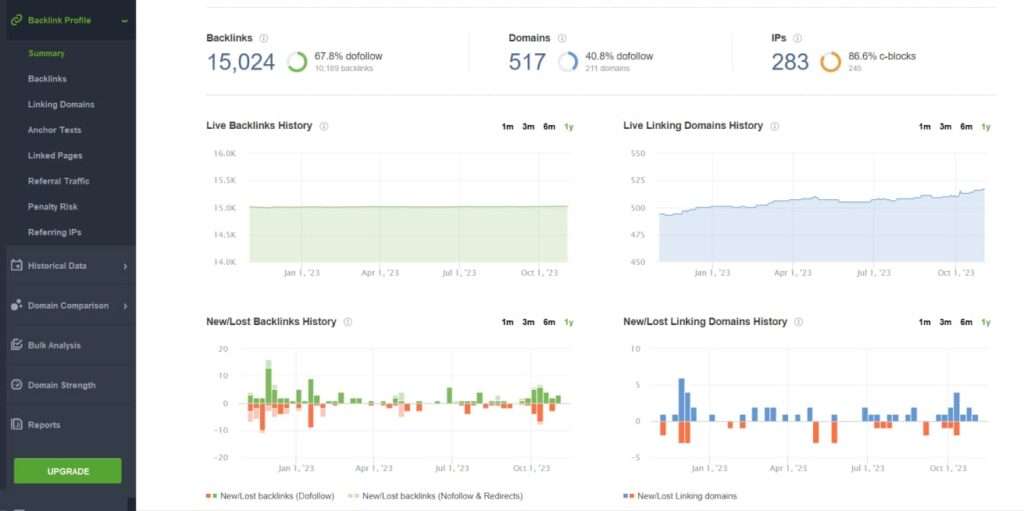
    Keep an eye on your link tracking in forum posts and signatures. Use tools like Google Search Console, Ahrefs, or Majestic to see how your links grow and get better. This shows you which forums give you the best backlinks and where to put your effort.

    Analyzing SEO Metrics:

    According to Rocket Ranker, See how your forum linking affects your SEO metrics. Watch things like organic traffic, rankings, and domain authority. This tells you if your forum work is helping your SEO. You can then tweak your strategy to get better results.

    Calculating ROI:

    To figure out your ROI, track the time and money you spend, and the good things it brings. Like more people seeing you, getting leads, and making sales. This shows the worth of your campaign optimization and helps plan your next steps.

    Using link tracking, SEO metrics, and ROI analysis, you make sure your forum linking fits with your online marketing goals. It also shows how it helps your business grow.

    Forum Linking for Local SEO

    Forum linking is a strong strategy for local SEO. It helps businesses by engaging in local forums and building relationships. This way, you get authoritative backlinks and boost your online presence.

    Leverage Geo-Targeted Forums:

    First, find forums specific to your area or industry. These geo-targeted forums are great for local SEO and community engagement. Join these forums, share valuable insights, and connect with others.

    Acquire Local Authority Links:

    While in local forums, aim to get local authority links. These links from community-focused forums can greatly help your local SEO. Make sure your forum presence shows you’re a credible local business.

    Leverage Hyperlocal Marketing:

    Good forum linking also means using hyperlocal marketing. Customize your content and engagement for your local community. Show you understand and are involved in the local scene to build trust.

    The secret to successful forum linking for local SEO is to add value, build real connections, and show you’re a trusted local member.

    Integrating Forum Linking into Your SEO Strategy

    To really make forum linking work, you need to blend it into your SEO strategy. It can boost your other efforts like content marketing and improving your site’s visibility. This makes your website more powerful and seen by more people.

    Make sure forum linking fits with your link building plans. Joining the right forums can get you valuable backlinks. These links can make your site more trusted and ranked higher in search results.

    Also, forums give you a peek into what your audience wants. This info helps you make content that really speaks to them. It’s a win-win for both you and your audience.

    Forum linking is just one part of a big SEO strategy. Mix it with other tactics like on-page optimization and social media. This mix can make your online presence even stronger.

    TacticDescriptionBenefits
    Forum LinkingActively participating in relevant online forums to earn high-quality backlinks and engage with your target audience.Improved off-page optimization, enhanced domain authority, and valuable audience insights for content marketing.
    On-Page OptimizationOptimizing your website’s content, structure, and technical elements to improve search engine visibility.Increased organic traffic, better user experience, and higher conversion rates.
    Social Media MarketingLeveraging social platforms to build brand awareness, engage with customers, and drive referral traffic.Improved online reputation, increased brand visibility, and potential for viral content sharing.
    Local SEOOptimizing your online presence for local search queries and location-based results.Enhanced visibility in local search, increased foot traffic, and stronger ties to the community.

    By adding forum linking to your SEO strategy, you get a strong plan. This plan can help your business grow and succeed over time.

    “Successful SEO is not about tricking search engines—it’s about partnering with them to provide the best search experience.” – Rand Fishkin, Co-Founder of Moz

    Conclusion

    Forum linking is a strong way to boost your website’s SEO. By using the tips from this guide, you can get quality backlinks, build authority, and attract more traffic. Start using these forum linking tips and see your website’s success grow.

    Being active in online communities has big SEO benefits. It helps you become a trusted name, build important connections, and improve your website promotion. Always add value to the community, not just promote yourself.

    Remember the tips from this guide as you work on your digital marketing. Adding forum linking to your SEO plan will help you get more online visibility and higher rankings. Use forum linking to reach your website’s full potential.

    FAQ

    1. What is forum linking?

    Forum linking is when you get backlinks to your site by joining online forums. You post content, talk with others, and add your site’s link in your signature or in posts.

    2. What are the benefits of forum linking for SEO?

    Forum linking helps your SEO in many ways. It gets you quality backlinks, diversifies your links, and boosts your site’s authority. It also lets you connect with your audience. By being active in forums, you can improve your site’s search engine ranking.

    3. How do I identify relevant online forums for forum linking?

    To find the right forums, look for ones related to your industry. Check their quality, authority, and if they match your audience and goals. Choose forums with lively discussions, quality content, and a big user base.

    4. What makes a compelling forum signature?

    A good forum signature draws people to your site and shows your expertise. Make it stand out by highlighting what makes you unique, with a clear call-to-action, and using keywords or branding that fits the forum.

    5. How can I effectively participate in online forums?

    To do well in forums, add value to discussions, build relationships, and show you know what you’re talking about. Don’t spam or self-promote. Always follow the forum’s rules.

    6. How can I measure the success of my forum linking efforts?

    It’s important to track how well your forum linking works. Use tools to watch your links, see how they affect your SEO, and figure out your return on investment. This shows you which forums and methods work best.

    7. How can I leverage forum linking for local SEO?

    Forum linking is great for local SEO. Join local forums to get backlinks and connect with your community. This boosts your local search ranking and makes you a trusted local brand.

    8. How do I integrate forum linking into my overall SEO strategy?

    To get the most from forum linking, make it part of your overall SEO plan. It should work with your other SEO efforts, content marketing, and ways to make your site more visible and authoritative.

  • How Link Building Is Revolutionizing Education Websites’ SEO Strategies

    How Link Building Is Revolutionizing Education Websites’ SEO Strategies

    How Link Building Is Revolutionizing Education Websites’ SEO Strategies

    SEO is dead without link building.

    An integral part of any SEO strategy, link building helps improve a website’s visibility, credibility, and authority in the eyes of Google and any other search engine. You know the basics, right? Link building is a process of “making” other websites link to your resource, thus paving the path for users to find your content and for search engines to see it as relevant and worth ranking higher in SERPs.

    When it comes to education websites, the principle is the same:

    Whether you manage a coursework writing service website or help any other educational platform boost its visibility and rankings on search google, you’ll use link-building as a part of your SEO strategy.

    This guide shares the benefits of this instrument for education websites and reveals some innovative strategies for creative link-building in 2024 and beyond.

    Why Link Building for Education Websites

    Link building is revolutionizing SEO strategies and is critical for digital marketing success as it influences a website’s visibility and organic search performance. Here’s why SEO is important and how link building makes a difference when an SEO specialist works with an education website:

    1. Link Building Boosts a Website’s Authority and Credibility

    First and foremost, SEO specialists try hard to earn backlinks from reputable sources like academic journals, government sites, or other authoritative education resources because such quality backlinks tell search engines that their content is credible and trustworthy.

    It leads to a website’s higher rankings in SERPs for specific keywords (user queries). Look:

    1. Search engines like Google prioritize content from trustworthy sites.
    2. When Google “sees” many backlinks to your website from relevant authoritative resources, it considers it reputable enough to rank higher.
    3. Your education website gets improved search rankings for keywords that meet user search intent.

    2. It Increases Organic Traffic

    When relevant education or industry-related websites link to your content, users from those sites are likely to click through. Thus, by acquiring high-quality links from reputable sources, SEO specialists drive direct traffic to their educational platform from other websites. To ensure the effectiveness of these links, using a backlink checker can help identify their quality and assess whether they are contributing positively to the platform’s SEO strategy.

    More than that:

    High-quality backlinks help education websites reach a broader audience by appearing in search results for more competitive and relevant keywords. As a result, your website gets better visibility, potential clicks, impressions, and conversion.

    3. Link Building Enhances Content Discoverability

    It’s all about SEO visibility:

    Building links to educational resources, guides, or research papers increases their visibility in search engine results pages (SERPs), thus helping the target audience (educators, students, and researchers) discover your content.

    Quality backlinks often lead to more content sharing, increasing the chances that your content reaches a broader audience on diverse platforms: social media, educational forums, etc. For that, SEO specialists apply the following creative link-building strategies:

    • Guest blogging (Writing articles for reputable education platforms, you kill two birds with one stone: showcase your expertise in the niche and get a link back to your website.)
    • Diversification of content formats (E-books, podcasts, webinars, etc. allow you to appeal to different audiences, thus creating alternative linking opportunities.)
    • Social media campaigns (Interactive content generates buzz and thus increases backlinks; building relationships with social media influencers can lead to natural link opportunities.)
    • Sponsored content (Partnerships with niche influencers and bloggers allow you to incorporate your education products or services into their content.)
    • Original research in the niche (Publishing original data and findings on your website is a powerful tool for attracting backlinks.)

    4. It Facilitates Collaboration and Networking

    Link building opens doors for collaborations between educational institutions, ed-tech companies, and content creators. These partnerships can lead to guest posts, co-authored research, and other collaborative opportunities.

    Moreover:

    Networking through link-building efforts expands reach, enabling education websites to tap into new communities and audiences. You collaborate with influencers and opinion leaders in the education sector, which can lead to shared audiences and increased backlinks from the influencer’s platform.

    To boost such collaborations and make this tactic work, SEO specialists and link builders might want to address some unconventional outreach techniques:

    • Creative emails (Craft personalized outreach emails that offer value and are clear about a win-win collaboration.)
    • Unexplored platforms (Look beyond traditional link-building platforms; explore Q&A websites, forums, niche social networks, etc.)
    • Events (Attend industry networking conferences or webinars for relationships that lead to link-building opportunities.)

    5. It Supports Niche Targeting

    By building links with other niche-specific educational sites, your platform can build relevant partnerships and target specific demographics, such as students, researchers, or professionals seeking specialized knowledge.

    Also, link-building strategies that involve local directories or educational institutions are good for local SEO impact:

    They help rankings in local search results and, thus, attract the target audience from specific geographic areas.

    6. Link Building Promotes Long-Term SEO Success

    Unlike other SEO tactics, the benefits of link building are long-term and promote sustainable growth. While time-consuming and challenging, a consistent link-building strategy helps you maintain high rankings even as search engine algorithms evolve.

    And guess what?

    Education websites are more resilient to algorithm changes if they build a robust link profile with high-quality backlinks. Whatever the algorithm, good backlinks are always a core factor in search engine rankings.

    7) Link Building Improves User Engagement and Trust

    Today’s link-building strategies won’t work without engaging stories about your brand and niche. It often involves creating valuable, informative content that other resources want to link to and share, such as research articles, educational videos made using educational video maker, infographics, and interactive tools that enhance user engagement.

    Backlinks to your engaging content from well-known educational websites or respected academic institutions add trust and credibility to your resource. No wonder it can increase user confidence and lead to higher engagement and conversion rates.

    Conclusion

    Whether you’re an SEO specialist in education or any other niche, you won’t avoid link-building in your strategy. Quality backlinks boost authority, drive traffic to your website, and build a sustainable digital presence. Education websites that invest in a well-rounded link-building strategy will see long-term growth and improved visibility in search engine results.

  • Is Affiliate Marketing Legit? The Secrets Behind Its Success

    Is Affiliate Marketing Legit? The Secrets Behind Its Success

    is affiliate marketing legit

    Many individuals question, “Is affiliate marketing legit?” due to widespread affiliate fraud. Research indicates that various scams plague this space, leading to skepticism about affiliate programs. However, affiliate marketing is a performance-based marketing strategy that allows people to earn commissions by promoting products. This approach offers a legitimate way to make money online.

    By joining reputable affiliate networks and utilizing effective marketing techniques, individuals can build a successful affiliate marketing business. In this article, the secrets behind the success of affiliate marketing will be revealed. Comprehensive guidance on how to navigate this rewarding field will also be provided.

    Is Affiliate Marketing Legit?

    Affiliate marketing is indeed legitimate when carried out through trusted programs and ethical practices. The question “is affiliate marketing legit?” often arises due to the presence of scams in the industry. By promoting a product or service, affiliate marketers earn commissions for every sale made through their affiliate link. However, scams do exist, making it crucial to research any affiliate marketing program thoroughly. Trustworthy affiliate networks offer transparent terms and conditions, ensuring fair compensation and protecting affiliate marketers. The legitimacy of affiliate marketing depends on the credibility of the network and the products promoted. Staying updated on digital marketing trends enhances visibility and campaign effectiveness.

    How to Recognize Reputable Affiliate Opportunities?

    To identify reputable affiliate programs, consider the following factors:

    • Established affiliate networks with a proven track record
    • Clear terms and conditions that outline commissions and payment structures
    • Products or services with positive reviews and transparency in pricing

    The Benefits of Affiliate Marketing

    • Affiliate marketing allows individuals to make money online without creating their own product or service.
    • Flexibility is provided to affiliate marketers, enabling them to work from anywhere with internet access.
    • Affiliate programs offer a variety of niches, ensuring relevance when promoting a product or service.
    • Commissions are performance-based, meaning affiliates can increase earnings with increased effort and marketing.
    • Collaborating with established affiliate networks simplifies processes such as tracking and payments.
    • Legitimate affiliate programs provide clear terms and conditions, ensuring transparency for marketers.
    • Affiliates can build trust with their audience by promoting high-quality products through affiliate links.
    • Email marketing and other digital marketing channels can significantly enhance affiliate marketing success.
    • The affiliate marketing industry continues to expand, creating more opportunities for affiliates to earn money.
    • Earnings can grow over time, especially for those who focus on sustainable, long-term affiliate marketing strategies.

    How to Succeed in Affiliate Marketing?

    Success in affiliate marketing requires a clear strategy and diligent effort. First, selecting a legitimate affiliate program aligns with personal interests significantly increases success chances. Additionally, focusing on a specific niche helps build an engaged audience. It is vital to utilize various online marketing techniques, such as email marketing and social media promotion.

    Another effective method involves regularly analyzing marketing efforts to identify areas for improvement. Additionally, maintaining transparency about affiliate links fosters trust with your audience. Lastly, consistently providing valuable content engages followers and encourages them to earn money through affiliate marketing.

    Avoiding Affiliate Marketing Scams

    Common Affiliate Marketing Scams

    Success in affiliate marketing requires a clear strategy and diligent effort. First, selecting a legitimate affiliate program aligns with personal interests significantly increases success chances. Additionally, focusing on a specific niche helps build an engaged audience. It is vital to utilize various online marketing techniques, such as email marketing and social media promotion. Another effective method involves regularly analyzing marketing efforts to identify areas for improvement. Additionally, maintaining transparency about affiliate links fosters trust with your audience. Lastly, consistently providing valuable content engages followers and encourages them to earn money through affiliate marketing.

    How to Avoid Them?

    To avoid affiliate marketing scams, thoroughly research any affiliate program before joining. Always check for online reviews and testimonials from existing affiliate marketers. It is also wise to read the terms and conditions associated with each affiliate program. Additionally, trusting your instincts can help; if something seems suspicious, it often is. Another effective strategy is to avoid programs requiring upfront payments. Lastly, joining reputable affiliate networks can provide access to legitimate affiliate marketing opportunities.

    Is Affiliate Marketing Worth It?

    Affiliate marketing is a legitimate way to make money online. Many people join an affiliate program and successfully promote affiliate products. The ability to earn money with affiliate marketing lies in its performance-based structure. Affiliate partners earn commissions when customers purchase through unique affiliate links. Because of its flexibility and low startup costs, affiliate marketing becomes an appealing option for many. Successful affiliate marketers build strong relationships with reputable affiliates and networks. Furthermore, the various marketing strategies and campaigns allow individuals to tailor their approach effectively. Thus, affiliate marketing is undoubtedly worth considering for anyone looking to generate income or make a passive income.

    Conclusion

    So, is affiliate marketing legit? It presents a genuine opportunity to generate income if approached correctly. Understanding its legitimacy and the various types of programs is crucial for success. Individuals are encouraged to assess their options and determine the best strategies to employ. What challenges have you faced in your affiliate marketing efforts, and how do you plan to overcome them?

    FAQs

    1. How does affiliate marketing work?

    Affiliates promote products using unique affiliate links and earn commissions for sales generated through those links.

    2. What is a reputable affiliate network?

    Reputable affiliate networks provide reliable programs, ensuring transparency and support for affiliates.

    3. What marketing strategies work best for affiliate marketing?

    Effective strategies include social media marketing, content marketing, and targeted email campaigns.

    4. What are common types of affiliate scams?

    Common scams include fake programs, misleading claims, and pyramid schemes masquerading as affiliate opportunities.

    5. Are affiliate programs free to join?

    Most affiliate programs are free to join, requiring no upfront costs to participate.

  • Top 10 Digital Marketing Trends for 2024

    Top 10 Digital Marketing Trends for 2024

    digital marketing trends

    Staying ahead in the digital marketing landscape can be challenging as new trends emerge rapidly. Recent research indicates that marketers must adapt to changes like AI integration and evolving social media strategies to remain competitive. In 2024, staying updated with the latest digital marketing trends is crucial for success.

    From harnessing the power of short-form video to leveraging AI for personalized campaigns, businesses must strategically plan their marketing efforts. This article outlines the top 10 digital marketing trends for 2024, offering a comprehensive guide to help you navigate and implement these trends effectively.

    Top 10 Digital Marketing Trends for 2024

    1. Artificial Intelligence in Marketing:

    Artificial intelligence will significantly shape marketing strategies in 2024 by optimizing customer experiences. AI marketing tools, including chatbots and data analysis, will allow for better personalized messages and targeted marketing. Platforms like LinkedIn and search engines will integrate AI, offering a highly tailored experience.

    Consequently, marketers can expect enhanced ROI from AI-driven campaigns. Digital marketers should plan to invest in AI marketing strategies to stay competitive. This shift will lead to more efficient marketing campaigns, helping brands maximize digital efforts while navigating the changing digital landscape.

    2. The Rise of Short-Form Video:

    Short-form video content, particularly on short video platforms like TikTok, will dominate the 2024 marketing landscape. Marketers are increasingly leveraging platforms like TikTok for their rapid engagement capabilities. Besides, video marketing is expected to be a key marketing tool for brands. Short-form content allows marketers to offer highly targeted messages, appealing directly to consumers with limited attention spans.

    As consumer habits evolve, marketers need to invest in video marketing and leverage unlimited video editing capabilities to maximize ROI. Similarly, platforms focusing on short, engaging content will continue gaining momentum throughout 2024, offering endless opportunities for creative video enhancements.

    3. Personalization Through First-Party Data:

    With the growing concern over data privacy, first-party data will play an essential role in personalizing digital marketing strategies. Marketers will shift focus from third-party cookies to gather direct data from consumers, ensuring privacy while improving customer experience. Personalization of email marketing campaigns and marketing content will improve by utilizing this data, allowing marketers to offer more relevant ads and messages.

    Therefore, marketers plan to invest in first-party data solutions to enhance digital efforts. This change will significantly influence digital ads and marketing efforts in 2024.

    4. The Decline of Third-Party Cookies:

    The impending elimination of third-party cookies will drive marketers to find alternative solutions for data collection. Google’s decision to phase out third-party cookies will force a shift toward first-party data and more privacy-conscious marketing strategies.

    Consequently, digital marketers will rely on other methods like customer consent and platforms like social media for targeted marketing. As this change unfolds, marketers will need to rethink strategies for personalized ads, emphasizing first-party data collection. Despite challenges, marketers plan to invest in solutions that align with privacy standards in 2024. For businesses using AI phone calls as part of their customer outreach, tools like carrier lookup can help identify the carrier associated with a phone number, improving communication and enhancing fraud prevention, all while maintaining privacy standards.

    5. Influencer Marketing Evolution:

    Influencer marketing will see a significant transformation in 2024, with brands focusing on more authentic collaborations. Marketers will prioritize partnerships with micro and nano influencers, who offer highly engaged audiences. Platforms like TikTok and Instagram will continue being popular for influencer campaigns.

    Additionally, content marketing strategies will shift towards long-term relationships rather than one-off campaigns. As influencer marketing becomes a staple for digital marketing teams, brands will focus on genuine connections to maximize ROI and customer engagement. Consequently, influencer collaborations will remain a critical marketing channel in 2024.

    6. The Growing Importance of ROI in Digital Campaigns:

    ROI will be increasingly critical in digital campaigns during 2024. Marketers are focusing on improving returns by using data-driven decisions, optimizing marketing strategies, and ensuring each campaign delivers measurable results. First-party data will help marketers better target their audience, increasing efficiency and reducing costs.

    Also, AI is playing a vital role in enhancing the effectiveness of marketing campaigns, allowing for smarter spending decisions. With the growing importance of personalized marketing, brands are continually seeking ways to enhance customer experience while simultaneously maximizing returns on their investments. Consequently, ROI will remain a top priority in digital marketing. Even now many brands keep track of their ROI and write down the results of their campaigns digitally. Word is a popular tool for keeping track of these insights however, to ensure accessibility across your company you can always batch convert PDFs to allow easy access and sharing.

    7. Email Marketing and AI Integration:

    In 2024, email marketing will be revolutionized by AI integration, empowering marketers to craft highly personalized campaigns tailored to consumer behavior. By using an email verifier alongside AI, marketers can ensure each message reaches a verified and engaged audience, maximizing impact. AI will also automate critical tasks like segmentation and timing, driving higher engagement rates and delivering stronger results.

    Moreover, AI-powered analytics will provide deeper insights into campaign performance, enabling quicker adjustments for greater efficiency. As a result, AI is not only improving how email lists are managed but also driving innovation in email marketing strategies across industries.

    8. SEO Adaptations for Voice Search:

    With the rise of voice search, SEO in 2024 must adapt to meet changing user behaviors. Search engines, particularly Google, are prioritizing content optimized for natural language queries that voice assistants typically handle. Marketers will need to focus on long-tail keywords and conversational phrases to remain relevant in search rankings.

    Moreover, mobile-first indexing will continue to play a crucial role as most voice searches come from mobile devices. Marketers must ensure websites are both mobile- and voice-friendly, thereby enhancing the customer experience. Optimizing for voice search is quickly becoming essential to remain competitive in the digital landscape.

    9. Social Media as a Key Marketing Channel:

    In 2024, social media will continue to be a dominant marketing channel for brands seeking direct interaction with consumers. Platforms like TikTok and LinkedIn are gaining traction, with short-form videos playing a critical role in driving engagement. Marketers will rely on social media to create interactive content that fosters community building and authentic connections with audiences.

    Additionally, social commerce is set to expand, allowing users to shop directly from these platforms. Hence, brands must maintain an active presence across key platforms to stay ahead in the rapidly evolving social media landscape, ensuring strong engagement and reach. However, it’s easy to lose track of time when managing social media, so consider using automated time tracking to track the time spent on these tasks, helping you optimize your efforts and identify areas for improvement.

    10. Inbound Marketing Focus:

    Inbound marketing will take precedence in 2024, as consumers demand more value-driven and informative content. Marketers are investing heavily in content marketing strategies that attract potential customers without being overly promotional. SEO and social media will be pivotal in bringing the right audience to well-curated content.

    Moreover, personalized marketing messages will build stronger relationships, as brands focus on delivering relevant, useful information to their audience. Consequently, inbound marketing will remain an effective method for generating long-term leads and conversions, emphasizing the importance of building trust through valuable and consistent interactions.

    Conclusion

    The top digital marketing trends for 2024 are set to redefine how businesses engage with their audiences. By focusing on AI, personalization, and new social media strategies, marketers can enhance their efforts and achieve greater success. How will your marketing strategy adapt to these emerging trends this year?

    FAQs

    1. What changes are expected in SEO for 2024?

    SEO will focus on optimizing content for voice search and mobile-first indexing.

    2. How should marketers adapt to the decline of third-party cookies?

    Marketers will need to rely on first-party data and alternative tracking methods for accurate targeting.

    3. What impact will conversational marketing have in 2024?

    Conversational marketing will enhance real-time interactions and improve customer satisfaction through chatbots.

    4. How can email marketing benefit from AI this year?

    AI will enable more personalized and automated email campaigns, increasing open rates and engagement.

    5. What new strategies should businesses implement in their marketing plans for 2024?

    Businesses should focus on integrating new technologies, like AI, and exploring emerging social media trends.

  • What is Digital Marketing? Types and Strategies

    What is Digital Marketing? Types and Strategies

    what is digital marketing

    Many businesses struggle with effectively reaching their target audience in the digital age. Traditional marketing methods often prove insufficient for today’s digital landscape. What is digital marketing? It encompasses online strategies such as email campaigns, video marketing, and digital ads to engage potential customers.

    As digital marketing continues to evolve, understanding its various types and strategies becomes crucial for success. This article offers a detailed guide on what is digital marketing, exploring different techniques and strategies to enhance your marketing efforts and drive business growth.

    What is Digital Marketing?

    Digital marketing involves the use of digital channels to promote products or services. Key forms include content marketing, email marketing, and social media marketing. It leverages online platforms such as websites and social media to reach target audiences. As the field grows, new roles emerge for instance, a virtual digital marketing assistant represents how support functions can be adapted to digital environments, reflecting the broader shift toward remote and tech-enabled work. Digital advertising, including video marketing and search engine marketing, plays a crucial role. Campaigns are often tailored to specific digital marketing channels to maximize effectiveness. This approach allows for measurable results through analytics, making it a versatile tool for modern marketing.

    Importance of Digital Marketing

    Digital marketing is crucial for reaching a wide audience effectively and efficiently. It enables precise targeting through various digital channels like social media and email. Companies can track performance using analytics to optimize their strategies continuously. The ability to tailor marketing campaigns for specific audiences ensures higher engagement and conversion rates. Moreover, digital marketing often offers a cost-effective alternative to traditional marketing methods, providing significant benefits in terms of return on investment. In specialized sectors such as chemicals, these advantages are maximized by working with a Marketing Agency for Chemical Companies that understands the unique needs of the industry.

    The Role of a Digital Marketer:

    A digital marketer manages and executes online marketing strategies across various platforms. They focus on content marketing, email campaigns, and social media interactions. Their responsibilities include optimizing digital channels and analyzing campaign performance. They are responsible for social media reporting, tracking key metrics to assess engagement and adjust strategies accordingly.

    Essential skills include knowledge of marketing tactics, analytics, and digital advertising. Effective digital marketers stay updated with industry trends and adapt strategies to achieve marketing goals.

    Strategies and Types of Digital Marketing

    Content Marketing:

    Content marketing focuses on creating and distributing valuable content to attract and engage an audience. It involves various forms, including blog posts, articles, infographics, and videos. This strategy aims to provide relevant information that addresses the needs and interests of the target audience. Effective content marketing enhances brand visibility and builds trust with potential customers. However, for this strategy to be successful you must explore the content that your competitors publish. And the best thing is, you don’t even have to do it all manually, you can simply use a web crawler and implement a fast datacenter proxy service to efficiently and safely gather data from competitor websites without getting blocked or detected. An SEO Magnifier AI article rewriter can help refine and restructure gathered content, ensuring uniqueness while maintaining the original message’s clarity and relevance. Key characteristics of content marketing include:

    • Consistent content creation.
    • Targeted distribution.
    • Value-driven approach.

    Email Marketing:

    Email marketing involves sending targeted messages directly to users’ inboxes to promote products or services. It remains a powerful tool for building customer relationships and driving conversions. Campaigns can include newsletters, promotional offers, and product updates. Personalization and segmentation enhance the effectiveness of email marketing efforts. In today’s digital age, you can use an email signature generator to create a unique email signature within seconds.  Effective email marketing practices involve:

    • Crafting compelling subject lines.
    • Using segmentation for targeted messages.
    • Analyzing campaign performance.

    Social Media Marketing:

    Social media marketing leverages platforms like Facebook, Instagram, and Twitter to engage with audiences. It includes creating and sharing content, running ads, and interacting with users. Social media provides an opportunity for brands to build a community and drive engagement. Successful social media strategies focus on:

    • Consistent posting and engagement.
    • Utilizing paid social ads.
    • Analyzing metrics for optimization.

    Affiliate Marketing:

    Affiliate marketing involves partnering with affiliates who promote your products or services in exchange for a commission. Affiliates use their platforms to drive traffic and sales to your website. This form of marketing expands the reach and leverages the influence of others. Effective affiliate marketing requires:

    • Choosing the right affiliates.
    • Providing promotional materials.
    • Using an affiliate management tool to track affiliate performance and optimize campaigns.

    Search Engine Marketing (SEM):

    Search Engine Marketing (SEM) includes strategies to increase a website’s visibility in search engine results through paid ads. SEM campaigns can target specific keywords to drive traffic and conversions. It complements Search Engine Optimization (SEO) efforts for enhanced search visibility. SEM strategies focus on:

    • Keyword research and selection.
    • Crafting effective ad copy.
    • Monitoring and adjusting bids.

    Mobile Marketing:

    Mobile marketing targets users on their smartphones and tablets through various channels, including SMS, apps, and mobile websites. This type of marketing ensures messages and content are optimized for mobile devices. Effective mobile marketing enhances user experience and engagement. Key aspects of mobile marketing include:

    • Optimizing for mobile devices.
    • Using location-based targeting.
    • Implementing responsive design.

    Influencer Marketing:

    Influencer marketing involves collaborating with individuals who have a significant following on social media or other platforms. Influencers promote products or services to their audience, leveraging their credibility and reach. This approach helps brands build trust and drive sales. Successful influencer marketing involves:

    • Identifying relevant influencers.
    • Developing authentic partnerships.
    • Measuring campaign impact.

    Video Marketing:

    Video marketing uses video content to engage audiences and promote products or services. It can include product demonstrations, testimonials, and promotional videos. Video content is highly engaging and can be shared across various digital channels. Effective video marketing strategies include:

    • Creating high-quality, engaging videos.
    • Optimizing video content for SEO.
    • Analyzing viewer engagement and feedback.

    Digital Advertising:

    Digital advertising encompasses various online ad formats, including display ads, search ads, and social media ads. It aims to drive traffic, increase brand awareness, and boost sales. Digital advertising provides measurable results and can be tailored to specific audiences. Key features of digital advertising include:

    • Targeted ad placement.
    • Performance tracking and analytics.
    • Budget flexibility and optimization.

    Benefits of Digital Marketing

    • Enhanced Reach and Engagement: Digital marketing allows businesses to reach a global audience. Through various online channels, brands engage with potential customers more effectively and on a larger scale.
    • Cost-Effectiveness and ROI: Digital marketing often costs less than traditional marketing methods. The ability to track and analyze performance helps businesses optimize their budget and achieve better returns on investment.
    • Targeted Marketing: Digital marketing enables precise targeting based on demographics, interests, and behavior. This ensures that marketing efforts reach the right audience, improving conversion rates and campaign effectiveness.
    • Real-Time Analytics: Marketers gain access to real-time data on campaign performance. Immediate insights allow for quick adjustments, enhancing the ability to respond to market changes and optimize strategies. To get valuable real estate market insights, you can use Zillow data extraction to support more targeted and timely marketing efforts.
    • Increased Brand Visibility: Effective digital marketing strategies boost brand visibility across multiple online platforms. Increased visibility helps build brand recognition and attract a larger audience. A strong logo design plays a crucial role in this process by serving as a visual anchor that makes your brand easily identifiable.

    What Is a Digital Marketing Agency?

    A digital marketing agency specializes in managing online marketing efforts for various businesses. These agencies handle everything from creating digital marketing campaigns to managing social media. They use digital marketing channels like email, search engines, and social media to promote products and services effectively.

    A digital marketing agency also leverages marketing automation and analytics to track campaign performance. Their expertise helps in developing tailored marketing strategies that meet the specific goals of their clients. By utilizing digital advertising and other tactics, they enhance a business’s online presence and reach.

    What Is SEO in Digital Marketing?

    SEO, or Search Engine Optimization, is a crucial form of digital marketing. It involves optimizing a website to rank higher in search engine results. This optimization includes improving website content, structure, and technical elements. Effective SEO increases a site’s visibility, attracting more organic traffic. Key aspects of SEO include keyword research, on-page optimization, and link building.

    By enhancing these elements, SEO improves a website’s relevance and authority, ultimately driving more targeted visitors. It aligns digital marketing strategies with search engine algorithms to boost online presence and achieve marketing goals.

    What Is Internet Marketing?

    Internet marketing involves promoting products and services using various digital channels. Techniques such as email marketing campaigns, digital ads, and video marketing are commonly utilized. Moreover, it integrates different forms of marketing, including digital media and content marketing, to maximize effectiveness.

    One of the key aspects of digital marketing is its ability to reach specific target audiences, while simultaneously analyzing marketing analytics to measure success. As it has become increasingly essential, it not only provides valuable insights into marketing goals but also helps refine strategies. Consequently, its role in the digital world continues to grow significantly.

    How Can You Become a Digital Marketer?

    To become a digital marketer, start by acquiring essential digital marketing skills. Pursue relevant education or training programs that focus on digital marketing techniques and strategies. Gain practical experience by working on marketing projects or internships. Moreover, use mentor matching programs to connect with experienced professionals in the digital marketing field.

    Building a solid portfolio and networking with industry professionals can help advance your career. Digital marketers need to stay updated with trends and innovations to remain competitive. Effective digital marketing strategies are crucial for career development and success.

    Here are some top 10 digital marketing trends for 2024.

    Conclusion

    Effective business strategies in today’s digital landscape often hinge on understanding what is digital marketing. This approach encompasses various online methods such as email campaigns, video marketing, and digital advertising. By leveraging these digital marketing strategies, businesses can expand their reach and drive engagement. As you implement these techniques, evaluate which ones align best with your specific goals. How have you utilized digital marketing to achieve success in your business?

    FAQs

    1. How do I get started with digital marketing?

    Begin by defining your goals, selecting appropriate digital marketing channels, and creating a detailed strategy.

    2. What skills are needed for digital marketing?

    Essential skills include SEO, content creation, social media management, and data analysis.

    3. What is the role of marketing analytics?

    Marketing analytics helps track performance, measure success, and refine strategies based on data insights.

    4. Can digital marketing replace traditional marketing?

    While it offers new opportunities, traditional marketing can still complement digital efforts for a well-rounded approach.

    5. How can digital marketing help my business?

    It can increase brand visibility, attract potential customers, and drive sales through targeted online strategies.

  • How to Make a Collage on Instagram Story?

    How to Make a Collage on Instagram Story?

    how to make a collage on Instagram Story

    Ever wondered how to make a collage on Instagram Story but found it confusing? Many users face the same issue when trying to combine multiple photos in one story. Stories with creative elements, like collages, tend to attract more engagement. Luckily, Instagram offers features such as Layout mode, which allows you to easily create stunning collages.

    This guide will walk you through the entire process, from choosing photos to adding finishing touches, helping you create a visually appealing Instagram story collage. The complete step-by-step guide is provided in the article.

    How to Make a Collage on Instagram Story Using Layout Mode?

    Layout mode on Instagram is a built-in feature that allows users to create collages effortlessly. It lets you add multiple photos into a single Instagram story by arranging them in various grid patterns. Here’s how to make a collage on Instagram using layout mode:

    • Open Instagram and swipe right to access the camera screen.
    • Tap the “Layout” icon on the left side of the screen.
    • Choose a collage layout that suits the number of photos you want to add.
    • Add multiple photos from your camera roll or take new ones using Instagram’s camera.
    • Resize and adjust each image to fit the layout perfectly.
    • Once you’re satisfied, tap “Done” to finalize your collage.
    • Add stickers, text, or other tools to customize your collage further.
    • Post the collage directly to your Instagram stories by tapping “Your Story” at the bottom.

    Creating a Instagram Collage with Stickers

    Creative ideas for using stickers in your Instagram collage:

    • Use stickers to highlight specific details or add emphasis to parts of your collage.
    • Choose themed stickers to match the overall mood of your collage, adding a cohesive feel.
    • Combine emojis and text stickers to enhance the storytelling aspect of your collage.
    • Add playful or animated stickers to give your collage a more dynamic and engaging look.
    • Layer stickers over photos to create depth and interest without overwhelming the visuals.

    Collage Techniques for Instagram Stories

    When creating a collage on Instagram stories, multiple techniques can be applied to make it stand out. Start by selecting a layout mode that fits the photos you’re working with, ensuring they are arranged clearly. Various options can be found in Instagram’s Layout feature, offering flexibility in how images are placed.

    Adding multiple photos allows a seamless blend of different moments or themes in one story. The tools available on Instagram enable easy resizing, helping create a well-proportioned collage. For a more dynamic effect, consider using stickers or text to emphasize different parts of the story.

    Resizing and positioning photos creatively in the collage ensures balance while still highlighting key elements. Additionally, photo background removal can help refine your images, ensuring a professional and polished look for your collage. Make sure to choose photos that complement each other in terms of color and content, making the collage more visually appealing.

    Customizing Your Instagram Story Collage

    Personalizing with Text and Stickers:

    Adding text and stickers can bring life to any Instagram collage. Personalize your story by choosing creative stickers or using text to highlight important aspects. This approach helps draw attention to specific elements without distracting from the overall theme.

    Arranging Your Photos for a Balanced Look:

    Achieving a balanced look is simple with the right arrangement. Distribute your photos evenly, leaving enough space for stickers or text if needed. Avoid overcrowding by using a minimalist approach, allowing each photo to shine within the collage.

    Adding Multiple Photos in Instagram Stories

    Including multiple photos in your Instagram story is a great way to showcase several moments at once. Whether you’re selecting photos from your camera roll or taking new shots directly, the process is quick and easy. This feature allows for creative layouts, stickers, and text to be added, making your stories more engaging.

    FAQs

    1. What is the best app for creating Instagram collages?
    Apps like Layout, Canva, and Pic Collage are popular choices for creating collages.

    2. Can I edit my collage before posting?
    Yes, Instagram allows basic photo editing before you post a story collage.

    3. How do I create a full-screen collage on Instagram?
    Choose a vertical layout that fits Instagram’s story dimensions for a full-screen collage.

    4. Can I use stock photos in Instagram collages?
    Yes, you can upload stock photos from your camera roll to Instagram stories.

    5. How do I share my Instagram collage with friends?
    After creating your collage, tap “Share” to publish it to your story or send it directly to friends.

  • The 5 Best B2B Travel Solutions

    The 5 Best B2B Travel Solutions

    b2b travel solutions

    Managing corporate travel can be challenging with various travel needs, expenses, and arrangements to consider. Research indicates that businesses spend significant time and money on travel, making efficient solutions essential. B2B travel solutions streamline the entire travel management process, providing advanced travel technology, online travel agency integrations, and comprehensive travel management.

    These solutions help travel managers optimize travel, manage expenses, and enhance the overall travel experience. This article provides a complete guide to the five best B2B travel solutions, offering insights into how they can benefit your business.

    The Importance of B2B Travel Solutions

    B2B travel solutions streamline corporate travel and enhance efficiency for travel companies and business travelers. These solutions integrate travel management and travel policies, ensuring compliance and cost savings. Utilizing a B2B travel portal simplifies booking and coordination for travel agents and corporate travel planners.

    The right travel software supports the business needs of travel agencies, providing seamless travel services. For businesses seeking comprehensive digital solutions, partnering with experts in travel software development services can ensure efficient and scalable platforms tailored to industry needs. Travel portal development enables online travel management, making it easier for businesses to handle travel bookings and expenses efficiently.

    5 Best B2B Travel Solutions in 2024

    1. TravelPerk:

    TravelPerk offers a comprehensive travel booking platform, making it easy for businesses to manage their corporate travel needs, including booking business class flights. It provides real-time travel expense tracking, ensuring that all expenditures are monitored accurately. The platform is designed to ensure compliance with integrated travel policies, helping businesses stay within budget. TravelPerk’s user-friendly interface simplifies the booking process for travel agents and corporate travelers, making it an essential tool for the travel industry. With its advanced features, TravelPerk streamlines travel management, saving time and reducing costs for businesses.

    Key Features:

    • Comprehensive travel booking options
    • Real-time travel expense tracking
    • Integrated travel policies compliance

    2. Concur Travel:

    Concur Travel automates travel and expense management, providing a seamless experience for corporate travel planners. Its integration with corporate travel programs ensures that all bookings comply with company policies. The platform’s user-friendly travel booking interface simplifies the process for business travelers, reducing the hassle of managing travel arrangements. Concur Travel also offers robust reporting tools, enabling businesses to track expenses and identify cost-saving opportunities. This travel software is designed to meet the specific needs of the travel industry, making it a valuable tool for managing business travel.

    Key Features:

    • Automated travel and expense management
    • Seamless integration with corporate travel programs
    • User-friendly travel booking interface

    3. Egencia:

    Egencia provides advanced travel management tools, offering a personalized travel experience for business travelers. The platform’s robust reporting and analytics features help businesses make informed decisions about their travel policies. Egencia’s travel services are tailored to meet the needs of corporate clients, ensuring a smooth and efficient travel experience. The platform’s integration with other travel software enhances its functionality, making it a comprehensive solution for travel agents and corporate travel planners. Egencia’s advanced features make it a leading choice in the travel industry.

    Key Features:

    • Advanced travel management tools
    • Personalized travel services for business travelers
    • Robust reporting and analytics

    4. Navan:

    Navan leverages AI-driven travel booking to provide a personalized experience for business travelers. The platform offers real-time travel updates and support, ensuring that travelers are informed of any changes to their itinerary. Navan allows businesses to customize their travel policies, ensuring compliance and cost control. The platform’s integration with other travel management tools enhances its functionality, making it an essential tool for the travel industry. Navans’ advanced features streamline the travel booking process, saving time and reducing costs for businesses.

    Key Features:

    • AI-driven travel booking
    • Real-time travel updates and support
    • Customizable travel policies

    5. OTRAMS:

    OTRAMS is a powerful B2B travel solution designed to meet the diverse needs of travel agencies and corporate travel planners. Its user-friendly travel portal development enables efficient travel booking and management. It supports a wide range of travel services, including flights, hotels, and car rentals, providing a comprehensive solution for business travel. The system’s advanced travel policies ensure compliance and optimize travel management processes. OTRAMS’ features make it an essential tool for travel companies aiming to enhance their travel management capabilities and deliver superior travel services to their clients.

    Key Features:

    • User-friendly travel portal development
    • Comprehensive travel services support
    • Advanced travel policy compliance

    10 Benefits of B2B Travel Solutions

    • Cost Savings: Significant cost savings are achieved by using advanced travel technology solutions, which streamline the entire travel booking process and provide real-time pricing comparisons, helping companies manage travel expenses more effectively.
    • Efficiency: B2B travel software simplifies complex travel arrangements, enabling travel managers to handle bookings, itineraries, and travel policies in a unified platform, ensuring smooth and efficient travel management.
    • Customization: White-label travel portals allow companies to tailor travel solutions to their specific needs, offering a personalized travel experience for employees and clients, and enhancing overall satisfaction.
    • Integration: Seamless integration with existing corporate travel management systems provides a comprehensive travel management solution, ensuring all travel-related data is synchronized and easily accessible.
    • Real-Time Updates: Real-time travel updates and alerts keep business travelers informed about changes to their itineraries, enhancing the overall travel experience and reducing the likelihood of disruptions.
    • Data Insights: Access to detailed travel data and analytics helps companies gain visibility into travel spend patterns, enabling better decision-making and optimization of travel programs.
    • Global Reach: Leading B2B travel platforms provide access to a global travel ecosystem, allowing businesses to book travel services with international travel suppliers and tour operators efficiently, a critical feature for those in hospitality business management handling cross-border guest experiences. This means corporate travelers can easily arrange everything from international meetings to incentive trips like a Sydney tour, all within the same platform.
    • Support: Comprehensive support from B2B travel agencies and travel management companies ensures that travel managers and business travelers receive assistance whenever needed, improving the overall travel experience.
    • Scalability: Scalable travel solutions are designed to grow with the business, providing flexibility to add new features and services as travel needs evolve, ensuring continuous improvement in travel management.

    Best Practices for Choosing B2B Travel Solution 

    When selecting the right B2B travel solution, it’s essential to consider several factors to ensure it meets the company’s needs. First, evaluate the features offered by different travel management solutions, focusing on those that provide comprehensive travel management and expense tracking capabilities. Look for solutions that offer real-time updates and seamless integration with existing corporate systems, which will enhance efficiency and data synchronization.

    Consider the customization options available, especially with white-label travel portals, to ensure the solution can be tailored to specific business requirements. Additionally, prioritize solutions with robust support services from travel management companies, which can help travel managers and business travelers in times of need. Partnering with a trusted travel technology solutions provider ensures seamless integration and expert support throughout the journey.

    It’s also crucial to assess the scalability of the solution, ensuring it can grow with the business and accommodate increasing travel demands. Investigate the analytics and reporting capabilities of the travel solution, as these will provide valuable insights into travel spend and patterns, aiding in the optimization of travel programs. Leveraging proxy management solutions like Rayobyte tools can further enhance data security and facilitate efficient access to real-time travel data across global platforms, ensuring seamless travel operations.

    Finally, ensure that the chosen solution can provide global reach and access to a wide range of travel suppliers and services. This will enable efficient international travel arrangements and support a comprehensive travel management strategy. By considering these best practices, companies can find a B2B travel solution that enhances efficiency, reduces costs, and improves the overall travel experience.

    Conclusion

    Efficient travel management is crucial for modern businesses, but choosing the right B2B travel solution can be daunting. The five best B2B travel solutions streamline travel processes, manage travel expenses, and enhance the overall travel experience. With the right tools, businesses can achieve better visibility into travel spend, optimize travel arrangements, and improve employee satisfaction. What specific features do you consider essential in a B2B travel solution?

    FAQs

    1. How do B2B travel solutions benefit businesses?

    They streamline travel arrangements, reduce costs, and provide detailed travel spend insights.

    2. What is a white-label travel portal?

    A customizable travel solution branded to meet specific business needs.

    3. Why choose leading B2B travel platforms?

    They offer advanced features, real-time updates, and comprehensive support.

    4. How can travel and expense management help?

    It simplifies tracking travel expenses and ensures compliance with corporate policies.

    5. What role do travel management companies play?

    They provide expert support and manage travel arrangements for businesses.

  • What is Digital Dropshipping? Best Digital Dropshipping Products

    What is Digital Dropshipping? Best Digital Dropshipping Products

    digital dropshipping

    Are you intrigued by the potential of digital entrepreneurship but unsure where to start? The concept of digital dropshipping offers a compelling solution for aspiring online business owners. Research indicates a rising trend towards digital goods due to their low overhead costs and global accessibility. This article outlines what digital dropshipping entails and highlights the best products to consider for maximizing profitability.

    By understanding the dynamics of this innovative business model, you can tap into a thriving market with minimal upfront investment. The complete guide to launching your digital dropshipping venture awaits within these pages.

    What is Digital Dropshipping?

    Digital dropshipping involves selling digital products online without needing to handle physical inventory or shipping. It operates similarly to traditional dropshipping but focuses exclusively on digital goods such as e-books, software, online courses, and digital art. Sellers set up online stores, often using platforms like Shopify, to showcase and sell these products. When a customer makes a purchase, the seller forwards the order details to the supplier who then delivers the product directly to the customer.

    Interested in reverse dropshipping? Learn how to optimize your supply chain and maximize profits today!

    Advantages of Digital Dropshipping

    • No Physical Inventory: Eliminates storage costs and the need to manage physical stock.
    • Low Overhead: Requires minimal investment in warehousing or shipping infrastructure.
    • Global Reach: Access a worldwide audience without geographical limitations.
    • High-Profit Margins: Digital products often have lower production costs and higher profit margins.
    • Scalability: Easily scale operations as there’s no constraint on inventory or physical space.
    • Instant Delivery: Customers receive products instantly, enhancing user experience.
    • Flexible Business Model: Easily pivot between different digital products to meet market demand.
    • Reduced Risk: Lower risk of inventory obsolescence or unsold stock compared to physical products.

    8 Best Digital Dropshipping Products in 2024

    1. Digital Artwork:

    Digital artwork, including illustrations, paintings, and graphic designs, offers unique aesthetics that appeal to a wide range of consumers. It allows artists to reach global audiences without the limitations of physical shipping. Dropshippers can capitalize on niche markets seeking customizable art pieces and prints. This makes it an ideal product category for aspiring online business owners seeking low-barrier entry into creative digital markets. Platforms like Shopify facilitate easy integration and sale of digital art products. Art enthusiasts and businesses alike benefit from the convenience and variety of digital artworks available online.

    2. Ebooks and Guides:

    Ebooks and guides provide valuable information on diverse topics, catering to specialized knowledge seekers. They are popular for their accessibility and cost-effectiveness compared to traditional books. Dropshipping ebooks allows sellers to offer expertise without inventory management. Topics range from self-help and educational resources to technical manuals and fiction. Shopify apps enhance visibility and sales through targeted marketing and SEO strategies.

    3. Software and Apps:

    Software and apps offer practical solutions across productivity, entertainment, and utility sectors. Dropshipping these digital products ensures rapid delivery and global accessibility. A well-designed B2C marketplace solution enhances this accessibility, connecting sellers with customers worldwide seamlessly. Entrepreneurs benefit from recurring revenue models and scalability in the digital market. Shopify’s app ecosystem supports seamless integration and customer support solutions. Continuous updates and customer feedback drive innovation and market competitiveness.

    4. Music and Audio Files:

    Music and audio files, including sound effects and podcasts, serve entertainment and professional needs. They are popular among content creators, advertisers, and multimedia producers. Dropshipping digital audio products ensures instant delivery and minimal overhead costs. Shopify’s digital product management tools streamline licensing and distribution. Customizable playlists and subscription models enhance user engagement and retention.

    5. Graphic Design Templates:

    Graphic design templates are highly sought-after digital products for dropshipping due to their versatility and wide-ranging appeal across industries. From logos and social media posts to presentations and flyers created with a flyer creator app, these templates are essential for businesses and individuals looking to create professional-quality marketing materials quickly and efficiently. They offer a time-saving solution, enabling users to easily customize designs while maintaining a high level of creativity and visual appeal. These templates offer scalability and customization options, allowing buyers to personalize designs according to their needs. Businesses also turn to a design agency for additional support in creating custom templates tailored to their brand.

    6. Photography and Stock Images:

    Photography and stock images are essential digital products for dropshipping, serving creative professionals, marketers, and content creators worldwide. They encompass a wide range of high-quality photos and visuals suitable for various purposes. Stock images provide a cost-effective solution for obtaining professional-grade visuals without hiring photographers. They cater to diverse niches, including business, lifestyle, and technology, meeting specific thematic requirements.

    7. Printable Digital Products:

    Printable digital products encompass a wide range of items that customers can download and print at home. These include planners, stickers, artwork, and educational materials. They are popular due to their convenience and customization options for buyers. However, if you decide to sell printable digital products, make sure to offer secure payment options, and work with an open banking payments provider to ensure seamless transactions for your customers.

    8. Digital Memberships:

    Digital memberships offer exclusive access to content or services for a recurring fee. They can include subscription-based services, online communities, or VIP access to digital content. This model ensures steady revenue and customer engagement in the digital dropshipping landscape.

    Marketing Strategies for Digital Dropshipping

    • Targeted Advertising Campaigns: Utilize platforms like Facebook Ads and Google Ads to reach specific audiences interested in digital products.
    • Content Marketing: Create engaging blog posts, videos, and infographics that highlight the benefits of your digital products.
    • Email Marketing: Build a subscriber list and send targeted email campaigns promoting new products and special offers. To enhance the security of your emails and protect your domain, consider using an SPF generator to configure sender policy frameworks and prevent unauthorized access.
    • Influencer Partnerships: Collaborate with influencers in your niche to promote your digital products to their followers.
    • SEO Optimization: Implement effective SEO strategies to improve visibility on search engines and drive organic traffic to your Shopify store.
    • Social Media Engagement: Maintain an active presence on platforms like Instagram, Twitter, and LinkedIn to engage with your audience and promote your products.
    • Affiliate Marketing: Recruit affiliates who can promote your digital products in exchange for a commission on sales generated.
    • Customer Reviews and Testimonials: Showcase positive feedback from customers to build trust and credibility.
    • Cross-Promotions: Partner with complementary brands to cross-promote each other’s products to expand your reach.
    • Free Trials and Demos: Offer free trials or demos of your digital products to attract potential customers and encourage them to make a purchase.

    Conclusion

    Digital dropshipping offers a dynamic pathway to enter the e-commerce realm without the need for physical inventory. By leveraging digital products like ebooks, software, and digital artwork, entrepreneurs can tap into global markets with minimal overhead. The flexibility and scalability of this model make it an attractive option for aspiring business owners. Are you ready to explore the potential of digital dropshipping for your entrepreneurial journey?

  • Top 10 Best SEO Software for Small Business

    Top 10 Best SEO Software for Small Business

    best seo software for small business

    Small business owners often struggle to improve their online presence and search engine rankings. Research shows that effective SEO strategies are crucial for attracting search traffic and enhancing online visibility. Many SEO tools available offer features like keyword research, on-page SEO optimization, and SEO audits. The best SEO software for small business can significantly boost a website’s performance and search engine results. This article provides a comprehensive guide to the top 10 best SEO software for small businesses. These tools will help improve SEO efforts and achieve better search engine rankings. Read on for detailed insights and recommendations.

    Importance of SEO Software

    SEO software plays a crucial role in enhancing the online presence of small businesses, especially when integrated with social media strategies to amplify reach and engagement. Utilizing the best SEO tools for small businesses, small business owners can improve search engine optimization effectively. Keyword research tools help identify the most relevant keywords, ensuring content aligns with search volume trends. Free tools like Google Keyword Planner offer valuable insights without any cost, aiding in developing effective SEO strategies.

    Conducting an SEO audit with specialized software identifies areas for improvement, optimizing the overall search results. Tools available for free SEO solutions make it accessible for businesses with limited budgets. Enhancing online visibility through these tools increases search traffic, driving more potential customers to the website.

    Employing a free SEO tool provides cost-effective means to boost search engine rankings. Ultimately, leveraging these tools contributes significantly to maintaining a strong online presence and achieving better search engine results.

    Benefits of Using SEO Tool for Small Business

    • Improved Online Presence: Boosts search engine rankings, leading to better visibility.
    • Keyword Research: Identifies high-impact keywords to target for organic search success.
    • Local SEO Optimization: Enhances local search results, making businesses more visible to nearby customers.
    • SEO Audit Capabilities: Assists in identifying and fixing technical SEO issues.
    • Analysis Tools: Provides detailed insights into search engine performance and user behavior.
    • Cost-Effective Solutions: Free tools and free versions make it affordable for small businesses.
    • Enhanced Search Engine Rankings: Increases chances of appearing on the first page of search results.
    • Comprehensive SEO Strategies: Supports the development of effective SEO strategies tailored to business needs.
    • Google Business Profile Integration: Optimizes business profiles for better local search results.
    • Search Traffic Monitoring: Tracks and analyzes search traffic to understand visitor patterns and improve content.

    10 Best SEO Software for Small Business

    1. Ahrefs:

    Ahrefs stands out as one of the best SEO software for small business, providing comprehensive SEO features. Its powerful SEO tools help improve a small business’s website’s SEO performance significantly. With tools for keyword research, on-page SEO analysis, and SEO audit, Ahrefs caters to all SEO needs. Website owners can benefit from detailed backlink analysis, which is crucial for effective SEO. Ahrefs also offers tools to help monitor search engine results pages (SERPs), ensuring continuous improvement. For those new to SEO, Ahrefs provides user-friendly features and guides. Ultimately, Ahrefs is a top SEO software choice for small businesses.

    2. SEMrush:

    SEMrush ranks among the best SEO software for small business, offering an all-in-one SEO platform. It provides tools for keyword research, SEO audit, and on-page SEO optimization. SEMrush’s SEO features include competitive analysis, allowing small business owners to track competitors’ SEO strategies. This tool helps improve SEO efforts by identifying new opportunities. SEMrush also includes tools to help with SEO optimization for local and global search. Its comprehensive SEO tools are available in both free and paid versions, making it accessible for various budgets. SEMrush is essential for website owners aiming to grow their business through effective SEO.

    3. Google Analytics

    Google Analytics is a vital SEO tool for small businesses, offering detailed insights into website performance. It allows website owners to monitor traffic sources, user behavior, and conversion rates. These insights help in refining SEO strategies and improving search engine optimization. By using Google Analytics, businesses can track the effectiveness of their SEO efforts. This free tool is highly recommended for both new and experienced SEO professionals. Google Analytics integrates seamlessly with other SEO tools like Google Search Console, providing a holistic view of SEO performance. Its robust features make it indispensable for small businesses seeking to enhance their online presence.

    4. Google Search Console

    Google Search Console is essential for small businesses, providing valuable insights into website health and performance. It helps in identifying and fixing SEO problems, ensuring optimal search engine optimization. This tool allows small business owners to monitor search engine results pages (SERPs) and track keyword rankings. Google Search Console offers tools for keyword research and on-page SEO improvements. Website owners can use it to submit sitemaps and monitor indexing status. It’s a free tool that complements other SEO tools, enhancing overall SEO efforts. Google Search Console is a must-have for maintaining an effective SEO strategy and improving online visibility.

    5. Moz Pro

    Moz Pro is among the best SEO software for small businesses, offering a range of tools for comprehensive SEO management. It includes keyword research tools, site audits, and on-page optimization features. Moz Pro helps small business owners identify and fix common SEO issues, improving website performance. The tool’s keyword research capabilities assist in finding high-value keywords. Moz Pro also offers backlink analysis and rank tracking, crucial for effective SEO strategies. Available in both free and paid versions, Moz Pro caters to various business needs. It’s an excellent choice for website owners aiming to enhance their online business through robust SEO practices.

    6. Screaming Frog SEO Spider

    Screaming Frog SEO Spider is a powerful SEO audit tool, ideal for small businesses seeking thorough site analysis. It helps in identifying technical SEO issues that can impact search engine rankings. The tool offers comprehensive SEO features, including URL crawling, broken link checking, and duplicate content analysis. Screaming Frog SEO Spider is used by SEO professionals to ensure optimal website performance. This tool helps in improving on-page SEO by providing detailed reports on various site elements. It’s available in both free and paid versions, making it accessible for every small business. For effective SEO, Screaming Frog SEO Spider is highly recommended.

    7. Ubersuggest:

    Ubersuggest is a versatile SEO tool that helps small businesses enhance their online presence. It offers keyword research tools, SEO audit features, and backlink analysis. Ubersuggest is useful for website owners looking to improve their search engine optimization. The tool provides insights into search volume and competition for targeted keywords. Ubersuggest’s free tool options make it accessible for small businesses with limited budgets. It also includes tools for on-page SEO and competitive analysis. For those new to SEO, Ubersuggest offers easy-to-understand reports and recommendations. Ubersuggest is a valuable addition to any small business’s SEO toolkit.

    8. Serpstat:

    Serpstat is an all-in-one SEO tool that offers comprehensive features for small businesses. It includes tools for keyword research, site audits, and rank tracking. Serpstat helps small business owners optimize their websites for better search engine rankings. The tool provides insights into search engine results pages (SERPs) and competitor analysis. Serpstat’s free and paid options make it suitable for various budgets. It also offers SEO plugin support for WordPress SEO, enhancing usability. Website owners can use Serpstat to improve their SEO strategies and achieve better online visibility. Serpstat is one of the best SEO tools available for small businesses.

    9. KWFinder:

    KWFinder is a specialized keyword research tool that helps small businesses find relevant keywords for their SEO strategies. It offers insights into search volume, keyword difficulty, and competitive analysis. KWFinder is particularly useful for small business owners looking to improve their SEO performance. The tool helps in identifying long-tail keywords that can drive targeted traffic. KWFinder’s user-friendly interface makes it easy to use, even for those new to SEO. It also provides tools for analyzing search results and identifying keyword opportunities. KWFinder is an excellent choice for small businesses seeking to enhance their online visibility through effective keyword research.

    10. Yoast SEO:

    Yoast SEO is a popular SEO plugin for WordPress, offering essential tools for on-page optimization. It helps small businesses improve their website’s SEO through easy-to-use features. Yoast SEO provides real-time analysis of content, ensuring it meets best SEO practices. The plugin helps in optimizing meta tags, URLs, and content readability. Yoast SEO is widely used by website owners to enhance their online presence. It includes tools for keyword optimization and SEO audit, ensuring comprehensive SEO management. Yoast SEO is available in both free and paid versions, catering to various business needs. It’s an indispensable tool for effective SEO on WordPress sites.

    Conclusion

    Choosing the best SEO software for small business can greatly impact online success. Effective SEO tools can enhance search engine optimization, boost search traffic, and improve overall SEO performance. Investing in the right tools can promote your business and achieve better search results. Have you found an SEO tool that works best for your business?

  • What is Lifecycle Marketing?

    What is Lifecycle Marketing?

    what is lifecycle marketing

    Struggling to retain customers despite numerous marketing efforts? Research shows that acquiring new customers costs five times more than retaining existing ones. A well-planned lifecycle marketing strategy addresses this issue by engaging customers at every stage of their journey.

    Lifecycle marketing involves using targeted techniques to guide customers from initial awareness to long-term loyalty. This approach requires understanding customer profiles and implementing effective marketing techniques.

    By managing each stage of the customer journey, businesses can enhance customer satisfaction and increase lifetime value. This article provides a comprehensive guide to mastering lifecycle marketing and achieving a successful lifecycle.

    Importance of Lifecycle Marketing

    Lifecycle marketing maximizes customer engagement by addressing each stage of the customer journey. This approach helps acquire new customers, retain loyal customers, and increase customer lifetime value. Effective marketing strategies include personalized marketing and marketing automation. By tailoring marketing messages to different stages, marketing efforts become more relevant and impactful. Utilizing customer data ensures that campaigns are well-targeted, enhancing the overall customer experience.

    Stages of Lifecycle Marketing

    lifecycle marketing stages

    1. Initial Contact:

    Initial contact marks the beginning of the customer lifecycle. Potential customers become aware of your brand through various marketing channels. An effective marketing campaign introduces the brand and provides valuable information. Personalize initial interactions to capture attention and build interest. Utilizing email marketing can nurture potential customers and guide them through the sales funnel. This stage sets the foundation for future customer engagement and retention. As emails are the foundation of this process make sure to create a DKIM record and craft the perfect subject lines to reach your prospect and avoid spam triggers.

    2. Engagement and Nurturing:

    Engagement and nurturing involve deepening the relationship with potential customers. Provide relevant content through email marketing and personalized marketing messages. Use marketing automation to deliver timely, personalized communications. Focus on enhancing the customer experience by offering valuable insights and addressing their needs. Effective customer engagement strategies build trust and move customers further down the funnel. This stage is crucial for converting potential customers into loyal customers.

    3. Conversion:

    Conversion is the stage where potential customers become paying customers. Tailored marketing strategies, including personalized offers and promotions, encourage purchases. Analyze customer data to identify the best marketing approach for closing sales. Use marketing automation to send targeted messages at optimal times. A successful conversion strategy increases customer lifetime value and boosts overall sales. Ensuring a seamless purchasing process enhances the customer experience and encourages repeat business.

    4. Retention and Loyalty:

    Retention and loyalty focus on maintaining long-term relationships with customers. Implement loyalty programs to reward repeat purchases and encourage customer retention. Use content marketing to keep customers engaged and informed. Personalized marketing efforts ensure that customers feel valued and understood. Analyze customer data to refine marketing strategies and improve customer lifetime value. Retaining loyal customers reduces acquisition costs and increases profitability.

    Customer Lifecycle Marketing Strategies

    Personalization Techniques:

    Personalized marketing enhances the customer experience by tailoring messages to individual needs. For instance, using customer data to send targeted email marketing campaigns can boost engagement. A potential customer who frequently browses fitness products might receive personalized recommendations and exclusive discounts. By personalizing content, businesses can increase customer engagement and retention, making the marketing approach more effective. Moreover, they can use a LinkedIn scraper to collect any relevant data about their prospects and take their personalization efforts one step further. Personalization helps convert potential customers into loyal customers by addressing their specific preferences and enhancing the customer journey through each lifecycle stage. For businesses aiming to optimize their data strategies, Data Warehousing Consulting can play a crucial role in supporting personalized marketing initiatives.

    Segmentation Methods:

    Segmentation divides the customer base into groups based on common characteristics. This strategy allows marketing efforts to target specific segments with relevant messages. For example, a marketing team can segment customers by purchase history, sending different marketing messages to new customers versus loyal customers. By personalizing campaigns for each segment, customer retention and engagement can be significantly improved. Segmenting potential customers by demographics or behavior enables more precise and effective marketing strategies, enhancing the overall customer experience.

    Automation Tools:

    Marketing automation tools streamline marketing campaigns, ensuring consistent and timely communication. Tools like email marketing platforms can automate customer engagement across different stages of the lifecycle. For example, a business can set up automated welcome emails for new customers and loyalty program updates for repeat buyers. Automation reduces manual effort and ensures that marketing messages are delivered at optimal times, increasing the effectiveness of campaigns. Using automation, businesses can maintain regular contact with customers, enhancing their lifetime value and engagement throughout the funnel.

    Content Marketing Approaches:

    Content marketing plays a crucial role in customer lifecycle marketing by providing valuable information at each stage. For example, creating blog posts, videos, and infographics tailored to different stages of the customer journey can attract and retain customers. A potential customer researching products might find a detailed blog post helpful, while a loyal customer could benefit from advanced tips shared in a newsletter. Effective content marketing strategies can increase customer retention by continuously providing value, thereby enhancing the customer experience and supporting the overall marketing campaign.

    Lifecycle Marketing Campaigns

    Email Marketing:

    Lifecycle email marketing involves creating targeted campaigns that address different stages of the customer lifecycle. Effective email marketing focuses on customer acquisition, engagement, and retention. Personalized content and automated workflows ensure messages are timely and relevant.

    These strategies help build long-term customer relationships and enhance customer satisfaction. By addressing various stages in the customer journey, email marketing campaigns increase customer lifetime value and loyalty.

    Social Media:

    Social media plays a crucial role in customer lifecycle marketing campaigns. Engaging content tailored to different stages of the customer lifecycle can boost brand awareness and customer loyalty. Social media platforms provide an opportunity for real-time interaction and customer feedback, which is essential for improving customer satisfaction. Using a logo maker can help businesses create visually appealing brand elements for their social media profiles.

    Effective social media strategies help in understanding customer behavior, fostering repeat customers, and building long-term customer relationships.

    Multi-channel:

    Multi-channel lifecycle marketing campaigns integrate various marketing techniques across different platforms. This approach ensures a consistent message reaches customers at different lifecycle stages. Combining email, social media, launch events, and other channels enhances customer relationship management and increases customer engagement.

    Multi-channel strategies are effective in targeting the ideal customer profile and ensuring customer satisfaction across the customer journey. These campaigns contribute to successful customer lifecycle marketing by addressing the overall customer experience.

    Best Practices in Lifecycle Marketing

    • Segment customers effectively to tailor marketing efforts to specific groups, increasing relevance and engagement.
    • Personalize communication to address individual customer needs, enhancing the customer experience.
    • Utilize automation tools to streamline processes and ensure timely interactions with customers.
    • Analyze customer data regularly to understand behaviors and adjust strategies accordingly.
    • Integrate customer feedback into marketing plans to improve services and meet customer expectations.
    • Focus on customer retention strategies to maintain long-term relationships and reduce churn.
    • Develop a comprehensive content strategy that addresses different lifecycle stages, providing valuable information.
    • Implement multi-channel campaigns to reach customers through their preferred communication platforms.
    • Monitor key metrics such as conversion rates and customer lifetime value to measure success.
    • Continuously improve marketing strategies based on data insights and industry trends.

    Benefits of Customer Lifecycle Marketing

    • Improves customer retention by engaging customers at each stage, ensuring they stay loyal to the brand.
    • Increases customer lifetime value through personalized and targeted marketing efforts.
    • Enhances customer satisfaction by providing relevant and timely information, and fostering positive relationships.
    • Drives higher conversion rates by nurturing leads effectively through the marketing funnel.
    • Boosts customer loyalty by consistently delivering value and addressing customer needs.
    • Streamlines marketing efforts through segmentation and automation, saving time and resources.
    • Provides better customer insights through data analysis, helping to refine marketing strategies.
    • Encourages repeat purchases by maintaining engagement and offering personalized promotions.
    • Supports long-term customer relationships by understanding and responding to customer behavior.
    • Increases overall marketing effectiveness by targeting the right message to the right audience at the right time.
    • Facilitates customer acquisition by creating compelling marketing campaigns tailored to ideal customer profiles.
    • Optimizes customer experience across various touchpoints, leading to positive word-of-mouth and brand advocacy.

    Role of a Lifecycle Marketing Manager

    • Develop and implement lifecycle marketing strategies to engage customers at different stages.
    • Analyze customer data to identify trends and improve marketing efforts.
    • Collaborate with other teams to ensure a cohesive customer experience.
    • Monitor campaign performance and adjust tactics for better results.
    • Manage marketing automation tools to streamline communication.

    Digital Marketing vs Lifecycle Marketing

    Digital MarketingLifecycle Marketing
    Focuses on broad online presenceFocuses on individual customer journeys
    Utilizes various digital platformsTailors communication to lifecycle stages
    Aims to attract new customersAims to retain and engage existing customers
    Emphasizes brand awarenessEmphasizes personalized engagement
    Measures success by traffic and leadsMeasures success by retention and loyalty
    Involves broad audience targetingInvolves segmented and targeted strategies

    Conclusion

    Lifecycle marketing focuses on understanding the customer journey and engaging them at every stage. Effective lifecycle marketing requires a well-planned strategy, utilizing various marketing techniques. This approach aims to increase customer loyalty and satisfaction. By analyzing customer profiles and behaviors, marketers can create targeted campaigns. These efforts help manage the entire customer journey effectively. Successful lifecycle marketing involves continuous improvement and adaptation. Implementing a robust lifecycle marketing plan ensures better customer relationship management and higher retention rates.

    How do you plan to use lifecycle marketing to enhance your customer relationships?

    FAQs

    1. How does lifecycle marketing benefit businesses?

    It improves customer retention and enhances overall customer satisfaction.

    2. How do you create a lifecycle marketing plan?

    Identify customer stages, set goals, and develop tailored marketing tactics.

    3. Why is understanding the customer lifecycle important?

    It allows businesses to provide relevant and timely interactions.

    4. How does digital marketing integrate with lifecycle marketing?

    Digital channels support targeted communications throughout the customer journey.

    5. How can lifecycle email marketing improve customer engagement?

    By sending targeted messages based on customer behavior and preferences.