Category: Marketing

  • 10 Benefits of Link Building for SEO

    10 Benefits of Link Building for SEO

    benefits of link building

    Weak link building efforts often leave strong pages buried behind louder competitors. Google says links help it find new pages and judge relevance faster. That means weak backlink profiles can slow visibility, credibility, and organic traffic growth. The benefits of link building come from quality backlinks, careful anchor text, and trusted placements.

    This guide covers safe link building for SEO, plus rankings, referral traffic, and long-term success. You will also see how white hat link building avoids penalties and supports better content.

    What Is Link Building for SEO?

    Link building for SEO involves earning backlinks from reputable websites that link to your content naturally. These website links signal search engine algorithms that your pages provide quality content and relevant information. Additionally, a strong link-building campaign helps acquire high-quality backlinks, strengthen your backlink profile, and improve search engine optimization efforts.

    Consequently, businesses build links through ethical methods, including guest post opportunities, internal link improvements, and valuable inbound links, supporting long-term SEO success and sustainable search rankings.

    Why Backlinks Matter for Search Engine Ranking:

    Backlinks remain an important ranking factor because every reputable website passing link juice strengthens your website’s authority. Furthermore, authoritative inbound links with relevant anchor text help search engine crawlers evaluate credibility and relevance.

    Consequently, quality backlinks improve search engine ranking, increase visibility across SERPs, and encourage reputable websites to link naturally to valuable resources.

    The Role of Link Building in SEO and Visibility:

    Effective link building strategies strengthen your SEO strategy by connecting relevant audiences with trustworthy content across multiple platforms. Additionally, quality backlink sources increase visibility, drive more traffic, and help pages rank prominently within search engine results.

    Therefore, businesses reaching their target audience consistently achieve better organic traffic and long-term online credibility through strategic backlink acquisition.

    Top 10 Benefits of Link Building for SEO

    Strong link building benefits extend beyond higher rankings because they strengthen authority, trust, and long-term digital growth. Accordingly, successful link building improves backlink profile quality, increases referral traffic, and expands visibility across competitive search results. Here are the key benefits of effective link building strategies.

    1. Boosts Search Engine Rankings:

    Search engines consider backlinks an important ranking factor because they indicate trust and relevance. Consequently, earning links from a reputable website helps pages rank higher in search while strengthening overall search engine ranking performance.

    Additionally, relevant anchor text and quality content improve keyword relevance, allowing websites to achieve better positions across competitive SERPs.

    2. Increases Organic Search Visibility:

    The following benefits improve website visibility through quality backlinks:

    • High-quality backlinks increase visibility in competitive search results and consistently attract qualified visitors.
    • Relevant inbound links help search engines recognize valuable pages more efficiently.
    • Strong link signals support better organic traffic while expanding reach within your niche.

    3. Strengthens Domain Authority:

    A healthy backlink profile strengthens domain authority because authoritative websites pass valuable link equity through natural references. Furthermore, acquiring links from trustworthy domains increases credibility while supporting broader SEO strategy goals.

    Therefore, websites with consistent, high-authority backlinks often maintain stronger rankings despite increasing online competition.

    4. Drives High-Quality Referral Traffic:

    Quality backlinks generate referral traffic through trusted recommendations instead of paid promotions.

    • Visitors arriving from authoritative websites often spend more time engaging with your content.
    • Relevant website links connect businesses with audiences already interested in similar topics.
    • Consistent referrals help drive more traffic while supporting better conversion opportunities.

    5. Builds Website Credibility and Trust:

    When reputable websites link naturally to your content, visitors perceive your business as reliable and knowledgeable. Additionally, authoritative references strengthen trust because users associate respected publishers with valuable information.

    Consequently, stronger credibility encourages repeat visits while supporting long-term SEO success across competitive industries.

    6. Supports Faster Content Discovery and Indexing:

    Link building efforts help search engines find new pages sooner, especially when authoritative websites link to your pages. Additionally, a strong link building plan encourages crawlers to revisit content, which improves your seo faster.

    Consequently, fresh articles, product pages, and link-to content assets enter search results more reliably. White hat link building supports this process because reputable websites link with context and purpose.

    7. Helps You Outrank Competitors Within Your Niche:

    A strong link building strategy helps brands rank higher in search when better content earns more quality backlinks. Moreover, backlinks from reputable websites signal stronger trust than weak links from low-quality directories.

    Because competitors often rely on similar keywords, link building activity can boost your rankings and boost your authority. A careful off-page seo strategy also helps you stay visible within your niche.

    8. Improves Brand Awareness and Online Presence:

    Every strong link works like a recommendation, so audiences notice your brand more often. The advantages of link building also support memorability and audience recall across repeated searches.

    • Websites to link from respected publications widen reach and reinforce memorable brand exposure.
    • Each link to a page gives readers another reason to link back naturally.

    9. Creates Long-Term SEO Value:

    Investing in link building builds durable gains because quality links continue helping long after publication. One of the top benefits of link building is authority that compounds across campaigns.

    The link building benefits often outlast short-term tactics and continue adding value. Furthermore, long-term seo success depends on link equity, consistent editorial mentions, and steady credibility.

    10. Enhances the Effectiveness of Your Overall SEO Strategy:

    Link building for seo works best when technical improvements, keyword targeting, and strong content support one another. Additionally, it helps improve your search engine performance by pairing internal link choices with external endorsements. A balanced seo strategy uses every link-building campaign to reinforce pages that matter most.

    How Can Black Hat Link Building Strategies Hurt Your Rankings?

    Black hat link building can damage rankings because it prioritizes shortcuts instead of genuine value. Search engines detect manipulative patterns, especially when sites buy links, hide link exchanges, or use private blog networks. These tactics may create temporary gains, but penalties usually follow soon after.

    As a result, pages can lose visibility, trust, and revenue very quickly. Businesses that depend on short-term wins often weaken their backlink profile, which makes recovery harder later. Ultimately, low-quality tactics undermine every link-building service and harm future growth.

    Search Engine Penalties:

    Search engine penalties often arrive after unnatural anchors, paid placements, or repeated low-quality link schemes. Consequently, a site may rank lower or disappear from key search results. When that happens, recovery requires cleaning links, reviewing content, and rebuilding trust. A careless approach damages future campaigns because search engines monitor repeated manipulation closely.

    Loss of Rankings, Traffic, and Credibility:

    When penalties hit, loss of rankings quickly reduces organic traffic and referral traffic. Moreover, visitors notice weak trust signals when your pages appear beside spammy sources. Eventually, a damaged reputation discourages partners from wanting to link back naturally. That setback makes every future link-building service effort more expensive and less effective.

    How Does a Backlink Qualify as High-Quality?

    A backlink qualifies as high-quality when it comes from an authoritative, trustworthy, and relevant source. Additionally, the linking page should serve readers, not search engine manipulation tactics. Strong links usually appear naturally inside content, point to useful resources, and fit the target topic.

    Backlinks from reputable websites usually provide that authority, especially on competitive topics. Therefore, high-quality backlinks improve credibility, support ranking growth, and strengthen link profile health over time.

    Relevance, Authority, and Trust Signals:

    Relevant links from authoritative publishers send stronger trust signals than generic mentions. Besides, a reputable website with consistent editorial standards usually passes more value to your pages. Search engines read these signals as evidence that your content deserves attention. Accordingly, links from respected sources help strengthen rankings and audience confidence together.

    Link Placement, Anchor Text, and Editorial Value:

    Good link placement places the backlink where readers naturally expect supporting evidence. Furthermore, descriptive anchor text helps search engines understand the linked topic without sounding forced.

    Editorial value matters because writers should choose websites to link only when the reference improves the article. This context makes the backlink feel earned, useful, and sustainable for both readers and search engines.

    Conclusion

    The Benefits of Link Building become clearer when links come from relevant, trusted sources. Google recommends crawlable links and useful anchor text because they support discovery and relevance. That approach strengthens visibility, credibility, and search rankings without relying on risky shortcuts. Meanwhile, black hat tactics can trigger link spam signals and weaken long-term SEO.

    Choose white hat link building, keep earning quality backlinks, and protect long-term SEO success. Finally, businesses that invest in better content usually attract stronger backlinks and steadier growth. Which benefit will shape your next link-building campaign?

    FAQs

    1. How long does link building take to work?

    Google notes that SEO changes can take weeks or several months to reflect. You should judge results patiently, because link effects rarely appear overnight in practice.

    2. What is white hat link building?

    White hat link building uses helpful content and ethical outreach methods only. It focuses on earning links naturally, which protects long-term SEO success better.

    3. What is black hat link building?

    Black hat link building uses manipulative tactics to inflate rankings artificially for search. Google treats link spam as manipulation, and that can lead to penalties.

    4. Does link building support long-term SEO success?

    Quality backlinks keep helping after publication, especially on strong content pages too. Google also says quality links and useful content build credibility over time.

    5. How do I start a link building campaign?

    Start with better content, then earn links from relevant, reputable websites in your niche.

  • How to Do SEO Without Link Building (And Still Rank #1)

    How to Do SEO Without Link Building (And Still Rank #1)

    SEO Without Link Building

    Many websites fail to gain consistent rankings because they depend entirely on backlinks for visibility. Research from Google shows multiple ranking systems evaluate relevance, content quality, page experience, and technical performance beyond links. Accordingly, SEO without link building helps websites improve visibility through helpful content, technical optimization, and stronger user experiences instead of relying only on external references.

    This approach supports sustainable growth while building long-term authority across relevant search results. This complete guide explains practical strategies, proven optimization methods, and realistic expectations for achieving better rankings without depending heavily on backlinks.

    What is Link Building?

    Link building is the process of earning relevant hyperlinks from other websites toward your pages. Accordingly, quality backlink sources strengthen digital marketing efforts by improving visibility across search results. Search engines evaluate anchor text, niche relevance, and content quality before assigning value.

    Additionally, effective link building tactics encourage referral visitors and sustainable organic traffic instead of temporary gains. A well-planned link building campaign supports search engine optimization, although success always depends on helpful content and trustworthy website signals.

    Why Does it Matter for Rankings?

    Link building matters because high-quality backlinks remain a strong signal supporting search engine rankings. However, relevance, authority, and natural anchor text influence value more than sheer backlink numbers.

    Additionally, authoritative references may improve search traffic when combined with excellent content marketing and technical optimization. Consequently, balanced SEO efforts usually outperform aggressive linking practices.

    Experience, Expertise, Authoritativeness and Trustworthiness (EEAT) Factor:

    Google evaluates Experience, Expertise, Authoritativeness, and Trustworthiness to assess content reliability and usefulness. Accordingly, creators should demonstrate firsthand knowledge, cite reliable sources, and maintain factual accuracy across every page. Google explains these quality concepts within its Search Quality Evaluator Guidelines and Helpful Content guidance.

    What is SEO Without Link Building?

    SEO without link building emphasizes improving website visibility through on-page improvements, technical performance, and valuable content instead of external references. Accordingly, pages can rank well by satisfying user intent, improving engine optimization, and addressing relevant topics comprehensively.

    Additionally, optimized metadata, logical structure, and consistent publishing strengthen website performance. This strategy prioritizes sustainable growth while reducing dependence on acquiring backlinks from third-party websites.

    How Search Engines Evaluate Pages Without Backlinks:

    Google evaluates pages using numerous ranking systems beyond backlinks, including relevance, helpfulness, usability, and technical quality. Accordingly, meaningful content, accurate information, and page experience help search engines like Google assess overall value. Backlinks are an important ranking factor, but aspects like content quality, topical authority, and a website’s speed also matter equally.

    When SEO Without Link Building is a Realistic Strategy:

    SEO without backlinks becomes realistic for local businesses, emerging websites, and specialized niche topics with limited competition. Additionally, long-tail keywords often present achievable ranking opportunities because competition remains comparatively lower.

    Strong content, optimized pages, and consistent updates gradually improve visibility despite limited external authority. Eventually, expanding authority naturally attracts mentions from relevant websites.

    Benefits and Limitations of Ranking Without External Links:

    Limitations: Competitive industries usually require external validation because authoritative references act as a vote of confidence in the eyes of Google. Nevertheless, relying exclusively on internal optimization may slow long-term growth within highly competitive search results.

    Benefits: SEO without external links reduces outreach efforts while emphasizing quality content and user satisfaction. Consequently, websites build lasting authority through consistent improvements rather than artificial promotion.

    How to Rank a Website Without Link Building?

    Ranking without link building requires consistent optimization across technical performance, content relevance, and user experience. Firstly, create pages matching audience expectations while maintaining structured information and clear navigation. Additionally, optimize every meta description, improve loading speed, and organize internal connections logically.

    Consequently, search engines recognize valuable pages more effectively, supporting sustainable visibility without excessive dependence on external references.

    Prioritize Search Intent and Keyword Targeting:

    Prioritize search intent and keyword targeting

    Firstly, identify audience intent before selecting keywords matching genuine questions and realistic expectations. Then, target specific long-tail keywords because they frequently attract qualified visitors with stronger conversion potential.

    Relevant keyword placement within headings, body text, and metadata supports stronger topical relevance. Consequently, optimized pages satisfy users while improving visibility across competitive searches.

    Build Topical Authority With High-Quality Content:

    Build topical authority with high quality content

    Publish quality content covering related subjects comprehensively instead of isolated articles targeting individual keywords. Additionally, support every page with accurate facts, practical examples, and updated information reflecting user expectations.

    Consistent publishing strengthens topical authority while supporting content marketing across related website sections. Consequently, search engines recognize expertise through comprehensive coverage instead of excessive promotional tactics.

    Improve User Experience and Engagement Signals:

    Improve website usability through faster loading, responsive layouts, and intuitive navigation across every important page. Additionally, clear formatting encourages visitors to remain longer, reducing frustration and increasing meaningful interactions.

    Helpful internal navigation supports easier content access while improving overall satisfaction. Consequently, positive engagement complements optimization efforts and strengthens long-term search performance.

    Technical SEO

    Technical SEO improves a website without changing visible content by optimizing backend performance and accessibility. Accordingly, it helps search engines like Google crawl, interpret, and index pages more efficiently. Strong technical foundations send positive signals to search engines, supporting SEO without link building strategies.

    Additionally, proper optimization can help websites rank without backlinks by improving usability, security, and performance. Consequently, businesses often combine technical improvements with content optimization to provide a better user experience and achieve long-term SEO success.

    Optimize Crawlability, Indexing, and Site Structure:

    Firstly, organize logical navigation because clear structures help Google understand relationships between website pages. Additionally, submit XML sitemaps and maintain accurate robots.txt directives for efficient crawling and indexing.

    Well-planned architecture supports ranking without strategies while improving accessibility across important website sections. Consequently, optimized structures increase visibility in search engines without depending entirely on external references.

    Improve Core Web Vitals and Page Speed:

    Google recommends improving Core Web Vitals because faster websites create better experiences for every visitor. Additionally, evaluate loading performance through PageSpeed Insights, Google Search Console, and mobile-friendliness tools for actionable technical recommendations.

    Faster websites often rank well in Google because performance supports positive usability signals. Keep in mind that most of the people nowadays use their phones for everything. So, keeping the website mobile-friendly is recommended by Google.

    Use Structured Data and Fix Technical SEO Issues:

    Structured data helps Google interpret the content of the page while supporting eligible rich search features. Additionally, resolve crawl errors, duplicate pages, broken redirects, and indexing issues before expanding optimization efforts.

    These technical improvements strengthen rankings without unnecessary reliance on external validation. Consequently, websites improve relevance and search visibility through cleaner technical implementation.

    On-Page SEO

    On-Page SEO focuses on optimizing every visible page element to improve relevance and user satisfaction. Accordingly, successful SEO without link building emphasizes valuable information, keyword relevance, and clear page organization. Strong optimization helps websites rank in Google by matching user intent with helpful content.

    Additionally, refined page elements improve engagement while supporting free SEO opportunities through consistent improvements. Consequently, on-page enhancements complement technical optimization and sustainable long-term website growth.

    Optimize Titles, Headings, and Content for Target Keywords:

    Firstly, place target keywords naturally within titles, headings, and descriptive paragraphs without unnecessary repetition. Additionally, maintain keyword optimization using tools like Yoast SEO to improve readability and metadata quality.

    Balanced optimization helps search engines evaluate page relevance more accurately. Consequently, optimized pages improve visibility while supporting sustainable organic growth.

    Strengthen Internal Linking Instead of External Links:

    Strengthen internal linking instead of external linking

    Effective internal linking connects related pages while helping visitors access valuable information more efficiently. Additionally, internal connections distribute authority naturally across important website sections without relying on external link strategies alone.

    Logical page relationships also strengthen contextual relevance for search engines. Consequently, organized linking supports stronger user experiences and improved crawling efficiency.

    Improve Image Optimization and On-Page SEO Elements:

    Effective optimization extends beyond images because several ranking factors influence sustainable search performance. Accordingly, optimize visual assets while improving supporting page elements for stronger relevance.

    • Compress images and write descriptive alt text because optimized visuals improve accessibility and loading performance.
    • Optimize URLs, headings, and metadata because these elements strengthen contextual relevance across important pages.
    • Improve mobile responsiveness and readability because both factors provide a better user experience consistently.
    • Use descriptive filenames because they help Google interpret image context more accurately.
    • Review page quality regularly because continuous improvements support stronger long-term optimization results.

    SEO Strategy for Ranking Without Backlinks

    An effective SEO without link building strategy prioritizes technical excellence, valuable content, and consistent website improvements. Accordingly, businesses can achieve SEO success by strengthening topical relevance and user satisfaction. Although link building for SEO remains valuable, many websites initially gain traction through comprehensive optimization alone.

    Consequently, sustained improvements gradually support building authority while reducing dependence on aggressive outreach campaigns.

    Track Ranking Metrics and Organic Performance:

    Monitor keyword positions, impressions, clicks, and conversions using Google Search Console and Google Analytics regularly. Additionally, evaluate traffic patterns before making optimization changes because measurable data supports informed decisions.

    Consistent reporting identifies opportunities for stronger performance and sustainable improvements. Consequently, tracking meaningful metrics supports continuous optimization without unnecessary guesswork.

    Adapt for AI Search and Evolving Search Engine Algorithms:

    Image of AI Overview

    Search behavior continues changing because AI-powered experiences increasingly influence information retrieval and user expectations. Accordingly, optimize content for AEO (Answer Engine Optimization) and GEO (Generative Engine Optimization) alongside traditional SEO practices.

    Helpful, accurate, and structured information supports evolving search experiences effectively. Consequently, adaptable strategies remain competitive despite frequent algorithm updates.

    When to Build Links as Your Website Grows:

    Eventually, getting other websites to link naturally strengthens growing websites after strong content foundations already exist. Additionally, link building can help competitive pages gain additional authority within challenging industries.

    Focus on relevance instead of the number of link-building opportunities because quality consistently outweighs quantity. Consequently, a reputable digital marketing agency may support ethical outreach when sustainable growth requires additional authority.

    Conclusion

    SEO without link building proves that sustainable growth depends on far more than earning external references. Accordingly, improving technical SEO, on-page optimization, helpful content, and internal linking creates stronger signals for search engines over time. Although backlinks remain valuable, websites can still achieve meaningful progress by prioritizing user intent and consistent quality improvements.

    Eventually, combining technical excellence with relevant content builds lasting authority and prepares websites for future algorithm updates. Focus on continuous optimization instead of shortcuts, and measure performance regularly for better long-term results. Which SEO strategy will you implement first to improve your website without relying heavily on backlinks?

    FAQs

    1. Is it possible to rank without backlinks?

    Yes, ranking without backlinks is possible for low-difficulty keywords with lower competition and modest search volumes. Strong content, technical SEO, and search intent optimization can achieve results.

    However, higher-difficulty keywords and competitive search volumes usually require extensive backlink strategies. Quality link acquisition becomes increasingly important as competition grows.

    2. Does internal linking help SEO?

    Yes, internal linking helps search engines understand page relationships and distribute authority across your website. It also improves navigation and user engagement.

    3. Can technical SEO improve rankings without backlinks?

    Yes, technical SEO improves crawlability, indexing, page speed, and overall user experience. These factors support stronger visibility even without external links.

    4. How long does SEO without link building take?

    Results vary by competition, website quality, and keyword difficulty. Many websites notice gradual improvements within several months of consistent optimization. Others may take 1-2 years to see a movement in their rankings.

    5. Does Google require backlinks for every page?

    No, Google does not require backlinks for every page. Helpful, relevant, and technically optimized pages can still earn visibility through multiple ranking signals.

  • What is Outsource Link Building?

    What is Outsource Link Building?

    Outsource link building in practice

    Poor-quality backlinks can waste marketing budgets and prevent websites from achieving consistent search engine visibility. Research consistently shows authoritative, relevant backlinks remain strong ranking signals, although quality link building takes time and careful execution.

    Consequently, many businesses choose to outsource link building instead of managing every campaign internally. This complete guide will explain what is outsource link building, how to outsource your campaign successfully and secure the best link opportunities for lasting SEO performance.

    What Does It Mean to Outsource Link Building?

    Outsource link building means hiring a specialist or reputable link-building agency instead of relying on an in-house team. Accordingly, experts handle outreach, content creation, and building backlinks through ethical practices supporting sustainable SEO growth. They secure high-quality backlinks from relevant publishers, strengthening your backlink profile and improving search engine rankings.

    Moreover, experienced professionals follow white-hat link building strategies, avoiding link farms and risky shortcuts. Consequently, businesses save time while focusing on core operations, although consistent collaboration remains essential for measurable organic traffic and lasting ranking improvements.

    How Link Building Outsourcing Differs From an In-House SEO Team:

    Link Building OutsourcingIn-House SEO Team
    Specialists use established outreach networks across multiple niche publishers.Teams build publisher relationships gradually because internal resources remain limited.
    Agencies adapt quickly to algorithm changes using proven link-building strategies.Internal teams balance technical SEO, content strategy, and additional marketing responsibilities.
    Costs are usually flexible, often charged per link or monthly campaigns.Fixed salaries and training increase long-term operational expenses.

    Benefits of Outsourcing Link Building

    Outsourcing link building provides access to experienced SEO specialists who secure relevant backlinks through proven outreach campaigns. Additionally, reputable link building agencies identify valuable link opportunities that improve domain authority and organic search visibility. Their expertise supports effective link building while maintaining ethical practices and avoiding risky backlink sources.

    Furthermore, agencies often share case studies, demonstrating measurable campaign success across different industries. Consequently, businesses gain high-quality links without expanding an in-house link building department, improving search rankings through sustainable strategies.

    How Outsourcing Supports Scalable SEO Link Building:

    Professional agencies scale outreach campaigns according to business goals without reducing backlink quality or relevance. Additionally, specialists identify niche publishers, guest posts, and broken link building opportunities using advanced tools like professional SEO platforms.

    They also adjust strategies after algorithm changes, ensuring consistent organic traffic growth. Consequently, businesses expand SEO efforts faster while maintaining high-quality content and reputable publisher relationships.

    Cost, Expertise, and Outreach Advantages Over In-House Efforts:

    Outsourcing often delivers broader expertise than maintaining a dedicated in-house SEO department for every campaign.

    • Firstly, SEO agencies provide experienced link builders with a proven track record across multiple industries.
    • Secondly, outreach teams maintain publisher relationships that generate high-quality backlinks more efficiently.
    • Finally, flexible pricing models reduce recruitment costs while supporting measurable campaign performance.

    When Should You Outsource Your Link Building?

    Businesses should outsource your link building when internal resources cannot consistently secure high-quality links through ethical outreach. Furthermore, outsourcing suits companies seeking faster organic search growth without expanding an in-house team. Experienced specialists also manage broken link opportunities, guest posts, and relevant backlink campaigns efficiently.

    Consequently, businesses improve search engine rankings while prioritizing product development and customer service. However, selecting the right partner remains essential because poor-quality backlinks may damage long-term SEO performance and overall ranking stability.

    How to Choose the Right Link Building Partner:

    Evaluate agencies using verified case studies, client testimonials, and a proven track record before making commitments. Additionally, confirm they prioritize white-hat methods, relevant backlinks, transparent reporting, and measurable campaign outcomes. Ask about content strategy, outreach processes, and anchor text practices before signing agreements.

    When Should You Not Outsource Your Link Building?

    You should avoid outsourcing when your business already has experienced in-house link builders delivering consistent SEO link building results. Additionally, companies operating within highly regulated industries often require direct control over relationship building and link acquisition activities.

    An internal team also protects confidential campaigns while aligning backlinks for your website with broader SEO strategies. Consequently, comparing in-house and outsourced link building helps determine whether outsourcing genuinely supports long-term business objectives and sustainable link quality.

    Situations Where an In-House Approach Is the Better Fit:

    An in-house link building team works better when employees possess strong industry expertise and established publisher relationships. Additionally, businesses requiring frequent collaboration between content, technical SEO, and marketing teams benefit from direct communication.

    Internal specialists also respond faster to product updates and changing campaign priorities. Consequently, maintaining in-house link builders improves consistency while strengthening relationship building across long-term SEO initiatives.

    Red Flags to Watch Before Hiring Link Building Services:

    Avoid providers promising guaranteed rankings or unusually cheap packages because quality link acquisition always requires careful planning. Additionally, agencies charging only per link without discussing relevance or link quality deserve extra scrutiny. Review their proven track record of success, reporting methods, and communication standards before signing agreements.

    How to Outsource Link Building?

    A structured process helps businesses outsource link building effectively while protecting long-term search visibility and brand credibility. Firstly, define measurable objectives before contacting potential providers with specific campaign expectations. Afterwards, compare agencies using transparent evaluation criteria instead of pricing alone.

    Finally, establish clear quality standards, reporting schedules, and communication processes before launching your outreach campaign. Following these steps creates a stronger foundation for sustainable backlinks and consistent SEO performance.

    Step 1. Define Your SEO Goals and Link-Building Requirements:

    Firstly, identify whether your priority involves increasing organic traffic, improving rankings, or earning backlinks for your website. Define preferred industries, target pages, and acceptable anchor text before planning outreach activities.

    For example, SaaS link building campaigns often require authoritative technology publishers instead of general business websites. Consequently, clear expectations help your link building partner deliver focused and measurable campaign outcomes.

    Step 2: Evaluate and Choose the Right Link Building Partner:

    Assess every link building partner using transparent processes, ethical outreach methods, and consistent reporting practices. Additionally, confirm experience within your niche, content quality standards, relationship building capabilities, and communication responsiveness.

    Review case studies, client feedback, and their approach toward sustainable link acquisition before making decisions. Consequently, choosing the right partner reduces unnecessary risks while supporting long-term SEO success.

    Step 3. Set Quality Standards, Communication, and Performance Metrics:

    Establish minimum link quality requirements, approved publishers, reporting frequency, and expected performance metrics before campaign execution. Additionally, define communication channels, response timelines, and review meetings to maintain campaign transparency throughout every stage. Track referring domains, relevant backlinks, organic traffic, and ranking improvements instead of counting links alone.

    Conclusion

    Outsource link building delivers long-term value when businesses focus on quality link building instead of chasing quick results. Additionally, experienced professionals strengthen digital marketing through ethical outreach, building relationships, and sustainable link acquisition. Since quality backlinks take time, choosing reliable partners and following best practices consistently produces stronger SEO outcomes.

    Whether you outsource backlink building or combine in-house efforts with external specialists, prioritize relevance and transparency throughout your link building campaign. Ultimately, the best link supports lasting authority instead of temporary ranking gains. Which outsourcing strategy will you implement first to strengthen your website’s SEO performance?

  • Beyond the Inbox: How to Scale Your HARO and Digital PR Pipeline

    For SEO agencies and in-house marketing teams, earning high-authority editorial links remains the holy grail of organic search visibility. Platforms like Connectively (formerly HARO) offer a direct line to top-tier journalists looking for expert insights.

    But as anyone who has managed a media outreach campaign knows, pitching is only half the battle. The digital landscape has grown hyper-competitive. According to the 2026 BuzzStream State of Digital PR Report, while demand for earned media is accelerating, 75% of PR professionals report that earning media coverage has become significantly more challenging year-over-year.

    To turn opportunistic media mentions into a predictable, scalable growth engine, you need a diverse digital PR ecosystem. Relying solely on manual inbox monitoring will eventually stall your growth. To break through the noise and scale your footprint, your outreach strategy must evolve past basic pitch templates. Here is how leading brands are optimizing their digital PR and link-building pipelines.

    1. Diversify Your Footprint with Strategic Brand Mentions:

    While landing a homepage link from a major news outlet is a massive win, search engines and modern AI overview engines rely on a broader net of contextual signals. If you only focus on Q&A pitches, you miss out on high-impact middleware placements like industry roundups, resource pages, and product reviews.

    Integrating dedicated brand mentions alongside your daily journalist pitching ensures your business is continuously referenced across diverse, niche-relevant content. This builds a natural, multi-layered link profile that signals consistent industry authority to both users and algorithms.

    Furthermore, data from a 2026 Reporter Outreach Digital PR Study shows that brand mentions carry up to three times more correlation with visibility in AI-driven search engines than standard backlinks alone. By combining unlinked and linked brand mentions across authoritative niche sites, you insulate your brand against core algorithm updates while establishing top-of-funnel topical authority.

    2. Leverage Data-Driven Domain Targeting:

    A common trap in digital PR is chasing volume over value, a tactic often referred to as “spray and pray.” Sending dozens of pitches a day to unvetted platforms wastes valuable time and can actually dilute your site’s topical relevance.

    Before committing resources to a massive outreach campaign or an expert quote pitch, you need deep data on your targets. Utilizing programmatic tools like bulk domain intelligence allows you to filter thousands of potential media and blog targets instantly. By analyzing metrics like organic traffic trends, backlink profiles, penalty histories, and topical relevance at scale, you can narrow your focus exclusively to the publishers that will move the needle for your rankings.

    This intelligence prevents you from pitching dead domains or platforms that have suffered recent traffic drops due to search engine helpful content updates. Instead, you target healthy, upward-trending sites that pass maximum link equity to your target pages.

    3. The Architecture of a High-Conversion Media Pitch:

    With traditional newsrooms shrinking and an influx of low-quality, automated outreach flooding journalists’ inboxes, the margin for error on pitching platforms is razor-thin. Industry data suggests that the average journalist response rate to cold or template-heavy pitches sits at under 4%.

    To maximize the ROI of your tracking and software stacks, your pitches must be engineered for speed and immediate utility.

    1. Write an Actionable, Buzzword-Free Subject Line: Keep under 10 words. Lead with the core data or value proposition. Avoid phrasing subject lines as questions; data shows that question-based subject lines have lower open rates. Instead, mimic a compelling news headline.
    2. Execute the Inverted Pyramid Method: First 2 sentences. Put the most critical information – the who, what, where, and why – at the very top of your email. The journalist should know exactly what your expert angle is within 4 seconds of opening the pitch.
    3. Provide Asset-Ready, Pre-Approved Quotes: Eliminate back-and-forth friction. Do not ask if they want a quote; provide a crisp, 2-to-3 sentence editorial-ready statement that can be copy-and-pasted directly into their draft without heavy editing.
    4. Consolidate Media Assets via Shared Links: Never use attachments. Host high-resolution headshots, data charts, or product images on a clean cloud link. Gateways often strip heavy email attachments, meaning your pitch might never reach the reporter’s inbox if it contains files.

    4. Move From Transactional Link Acquisition to Relationship Building:

    Journalists remember sources who make their lives easier. When replying to media queries, always lead with immediate value. The ultimate goal of scaling your pipeline through automation tools is to free up your team’s time to build authentic, repeatable human connections.

    When you consistently provide accurate, fast, data-led insights, journalists will bypass public sourcing platforms entirely and reach out to you directly for your next piece. This shifts your digital PR operations from a reactive, time-consuming grind to a proactive, incoming asset channel.

    By combining efficient pitch execution with a diversified PR strategy, backed by robust domain data, targeted brand mentions, and hyper-segmented outreach, you can transform your link-building operations into a predictable, scalable science.

  • How HARO Link Building Fits Into a Comprehensive SEO Strategy

    How HARO Link Building Fits Into a Comprehensive SEO Strategy

    How HARO Link Building Fits Into a Comprehensive SEO Strategy

    There is a version of the link-building conversation that treats every tactic as a standalone intervention you do HARO for a few months, you do guest posting for a few months, you build a few resource pages, and you hope the combined effect adds up to meaningful ranking improvement. This approach produces uneven results, and the reason is almost always the same: the tactics are not integrated into a coherent strategy with a clear purpose, consistent execution, and the right measurement framework to understand what is working.

    HARO link building, the practice of pitching expert responses to journalists and media outlets in exchange for authoritative backlinks, is one of the most powerful tactics available in modern SEO. But like all powerful tactics, it produces the best results when it is understood and used as part of a broader strategic framework rather than as an isolated activity. This article explains how HARO fits into a comprehensive SEO strategy and what you need to have in place for it to produce its maximum effect.

    What HARO Actually Does for Your SEO

    Before talking about integration, it helps to be precise about what HARO link building specifically produces and why those outcomes matter strategically.

    HARO generates editorial backlinks, links placed by journalists and editorial teams at established media outlets, in the context of genuine editorial content, with the authority that comes from a real publication deciding that your perspective is worth citing. These are meaningfully different from the links generated through most other link-building tactics.

    Guest post links are earned by producing content for another site; they have editorial value, but they are typically on sites that accept outside contributions rather than organic editorial placements in content produced by the publication’s own journalists. Directory links provide citation signals but carry less topical authority weight than editorial links in context. PBN links carry significant risk and declining algorithmic value.

    The editorial link that comes from a journalist at Forbes, Entrepreneur, or a high-DA trade publication citing your CEO as a source in their article about your industry is a different kind of asset. It passes substantial link equity, it builds brand authority signals that extend beyond pure link equity, and it typically comes with the branded exposure that makes the link valuable for referral traffic as well as organic rankings.

    HARO, when executed well, produces these editorial links at scale. The strategic question is: what else needs to be in place for those links to produce their maximum SEO effect?

    The Technical Foundation That Links Require

    Editorial links are most valuable when they land on a website that search engines can fully crawl and evaluate. This sounds obvious, but the technical health of the site receiving the links determines how much of the authority those links pass actually translates into ranking improvement.

    The most common technical issues that reduce the value of otherwise excellent link building are: slow page load times (particularly on mobile) that create negative user experience signals; crawlability problems that prevent search engines from properly indexing the pages being linked to; duplicate content issues that dilute the page authority that linked pages accumulate; and Core Web Vitals failures that send negative quality signals to Google regardless of how strong the incoming link profile is.

    The practical implication is that a comprehensive SEO strategy addresses technical health before or alongside link building investment, not after. Earning authoritative links to a technically problematic site is like running excellent marketing for a broken product, the investment produces less return than it should.

    The advanced SEO strategy that combines AI-powered technical auditing with strategic link building investment identifies and addresses technical issues faster than manual auditing, ensuring that the link equity earned through HARO and other tactics is fully absorbed rather than partially lost to technical impediments.

    The Content Strategy That Makes Pitching More Effective

    HARO pitching success rates vary dramatically between organisations, and a significant portion of that variance is explained by the quality and specificity of the expertise the organisation can offer to journalists. The journalist who receives fifty responses to a source request for expert commentary on fintech regulation and selects one is making a judgment about which response is most credible, most specific, and most useful for their article.

    Organisations with strong content programmes, detailed, expert-authored articles, research publications, case studies, and data assets,have an advantage in HARO pitching because their spokespeople can reference specific positions, specific research, and specific examples that make their responses more credible and more useful. The generic expert response that offers a general perspective on a topic competes poorly against the specific expert response that references the organisation’s published research, cites specific data, and offers a perspective that is clearly grounded in genuine expertise rather than general familiarity.

    Building the content programme that makes HARO pitching more effective is therefore part of the comprehensive SEO strategy, not a separate activity. The articles, the research, and the data that the content team produces become the credibility assets that HARO pitchers reference. The expertise demonstrated in content becomes the expertise that journalists want to cite.

    Building the SEO Team That Can Execute at Scale

    Comprehensive SEO strategy requires people who can execute across multiple specialisations simultaneously: technical SEO, content strategy, link building outreach, and performance analysis. Building this team, whether internally or through agency relationships — requires the same quality of due diligence that any professional hiring decision deserves.

    For organisations building internal SEO teams, the background verification dimension of this hiring is worth addressing directly. Understanding how long background checks take for jobs for the candidates being evaluated helps integrate background check timelines into the hiring process without creating unexpected delays when a strong candidate is ready to start. Most standard employment background checks complete within five to ten business days when properly initiated, knowing this in advance allows hiring managers to schedule conditional offers with realistic start dates rather than being surprised by the gap.

    For agencies like HaroBuilder that engage contractors and specialists as part of their delivery model, using structured screening solutions for the team members who will have access to client accounts, client SEO data, and client brand assets is the professional standard that protects both the agency’s reputation and the clients who have entrusted sensitive strategic work to the team.

    The Measurement Framework That Connects Everything

    A comprehensive SEO strategy is only as good as its measurement infrastructure. Link building that is not connected to a measurement framework that tracks link acquisition alongside ranking changes, organic traffic trends, and ultimately commercial outcomes (leads, conversions, revenue) is link building that cannot be optimised because it cannot be properly evaluated.

    The measurement framework that works for HARO-inclusive SEO strategy tracks several specific things simultaneously. Link acquisition velocity: how many high-DA editorial links are being earned per month, and from what publication categories? Domain authority trend: is the site’s overall authority profile strengthening as the links accumulate? Keyword ranking movement: are the specific keywords the strategy is targeting showing measurable improvement in rankings? And organic traffic: is that ranking improvement translating into more qualified visitors from organic search?

    The last metric, qualified organic traffic, is the one that connects the SEO investment to actual business value. Ranking improvements that do not translate into traffic improvements often indicate keyword targeting issues. Traffic improvements that do not translate into conversion improvements often indicate landing page or offer issues. The comprehensive SEO strategy that includes measurement across this full chain, from link acquisition to ranking to traffic to conversion, is the strategy that can be continuously improved rather than periodically guessed at.

    The Long View on HARO as a Strategic Asset

    The strongest argument for HARO as part of a comprehensive SEO strategy is not the individual link value of any single placement. It is the compounding nature of the editorial authority that consistent HARO placement builds over time.

    The organisation that has been consistently cited in major publications as a trusted expert source for two or three years has built something that is genuinely difficult for competitors to replicate quickly: an earned media profile that search engines recognise as a signal of real-world authority. The backlink profile is visible in the link graph. The brand mentions are visible in brand search volume. The combination of these signals positions the domain differently than one with equivalent technical quality and content quality but without the earned editorial authority.

    HARO link building is the most efficient tactic currently available for building this kind of earned editorial authority at scale — more efficient than cold outreach guest posting, more authentic than sponsored content, more durable than the short-lived visibility of paid advertising. In a comprehensive SEO strategy designed for long-term sustainable organic growth, it is not an optional enhancement. It is a core component.

  • How Much Does SEO Cost in the UK? SEO Prices in 2026

    How Much Does SEO Cost in the UK? SEO Prices in 2026

    How Much Does SEO Cost UK

    Many business owners struggle to answer a simple question: How much does SEO cost UK businesses in 2026? Pricing varies widely across the UK, with agencies, freelancers, and in-house teams offering different structures. Research shows that monthly retainers, project fees, and hourly rates strongly influence the total investment required. However, a clear strategy and realistic budget can improve performance and deliver consistent long-term results. This guide breaks down pricing, service types, and options to help you make confident decisions.

    Average SEO Cost in the UK for 2026

    SEO costs in the UK during 2026 generally range between £750 and £5000 monthly for most businesses. Small businesses usually pay lower fees, whereas larger campaigns demand higher investment and broader SEO efforts. Pricing varies depending on SEO strategy, competition level, services offered, and overall business goal alignment.

    Monthly SEO:

    CategoryTypical Cost (UK)Details
    On-page SEO£300–£1,500Includes keyword optimisation, content updates, and technical SEO improvements accordingly.
    Off-page SEO£500–£2,000Focuses on link building, authority growth, and local search visibility for businesses in the UK.
    Technical SEO£400–£1,800Covers technical SEO audits, site speed, indexing, and structured data enhancements.
    Local SEO£300–£1,200Optimises Google Business Profile, local business listings, and conversion rate improvements.

    Project-based SEO:

    CategoryTypical Cost (UK)Details
    On-page SEO£1,000–£5,000One-time optimisation of pages, metadata, and content for targeted SEO needs.
    Off-page SEO£1,500–£6,000Link building campaigns and outreach projects for stronger domain authority.
    Technical SEO£1,500–£7,000Comprehensive SEO audits, fixes, and performance upgrades for better crawling.
    Local SEO£800–£3,500Local business optimisation and local search ranking improvements accordingly.

    Hourly SEO Pricing Model:

    CategoryHourly Rate (UK)Details
    On-page SEO£50–£150SEO professional adjusts content, keywords, and page structure efficiently.
    Off-page SEO£75–£200Focuses on outreach, link building, and campaign execution gradually.
    Technical SEO£80–£220Handles technical SEO audits, fixes, and site performance issues accordingly.
    SEO Consultancy£100–£300Strategic advice, SEO pricing guide insights, and pricing structure recommendations.

    Performance-based SEO:

    CategoryPricing ModelDetails
    On-page SEO% of resultsPayment depends on ranking improvements and measurable SEO work outcomes.
    Off-page SEOPer link/metricCharges apply per successful link building or authority milestone achieved.
    Technical SEOMilestone-basedPayment occurs after fixing technical SEO issues and improving site health scores.
    Local SEOLead-basedPayment aligns with generated leads, conversion rate, or local business growth.

    Types of SEO Services Available

    • On-page SEO: focuses on content optimisation, internal linking, and improving technical aspects of SEO structure.
    • Off-page SEO: involves link building strategies, brand mentions, and authority signals for successful SEO performance.
    • Technical SEO: ensures website speed, indexing, crawling, and technical SEO support for better rankings.
    • Local SEO: improves visibility through Google My Business optimisation and targets local customers across the UK.
    • Ecommerce SEO: optimises product pages, categories, and conversion paths, especially for small SEO campaigns.
    • Enterprise SEO: handles large-scale websites, accordingly using advanced SEO tools and tailored SEO strategies.

    Different Types of SEO Providers

    Provider TypeDescription
    SEO FreelancerSEO freelancer offers flexible services, and freelancers charge for SEO at comparatively lower rates.
    SEO ConsultantSEO consultant provides strategic advice, cost structure planning, and tailored SEO guidance for businesses.
    In-house SEOIn-house SEO teams manage delivering SEO internally, ensuring alignment with business goals and SEO performance.
    B2B SEO AgencyB2B SEO agency focuses on professional campaigns, offering SEO packages and comprehensive SEO services.
    SEO AgenciesSEO agencies across the UK provide SEO services, although prices vary depending on expertise and scale.
    Cheap SEO ProvidersCheapest SEO options attract small businesses, but quality and long-term SEO results may vary significantly.

    Pro Tip: Questions to ask before hiring an SEO provider!

    1. What experience do you have in my industry?

    2. Which SEO strategy will you use for my business needs?

    3. How do you measure SEO success and ROI?

    4. What SEO pricing model do you follow?

    5. What is included in your SEO service or package?

    6. How often will you report progress?

  • How Many Keywords Per Page For SEO?

    How Many Keywords Per Page For SEO?

    How Many Keywords Per Page For SEO

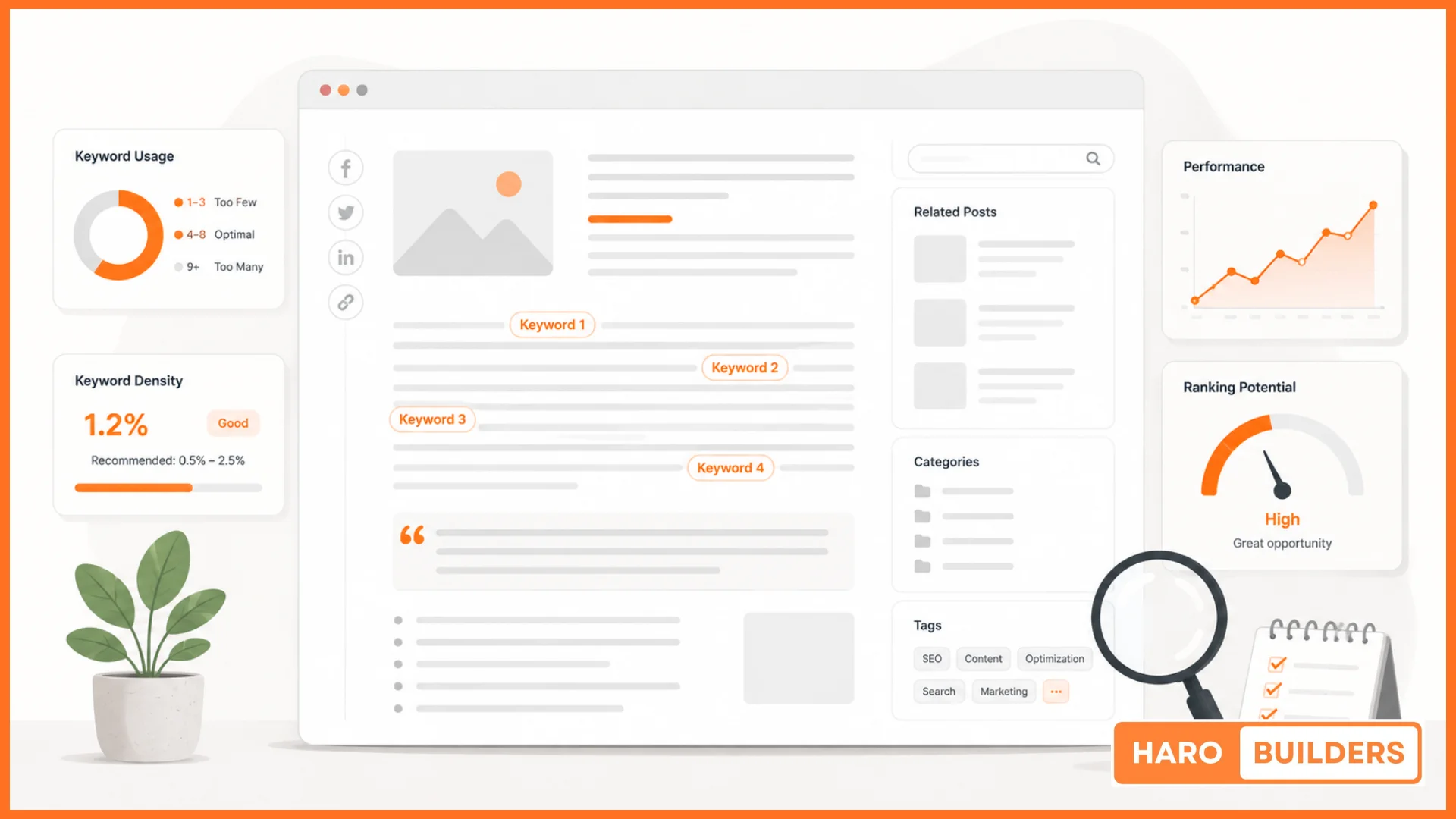
    There is no fixed number of keywords per page, but you should typically use 1 primary keyword and 3–5 closely related secondary keywords.

    Firstly, Google does not recommend an exact number of keywords per page because modern search engine algorithms focus on relevance rather than keyword count. Therefore, you should target one primary keyword as your main focus and include several closely related keywords that support the topic. This approach helps a single page rank for multiple search terms without confusion.

    Secondly, your keyword strategy should depend on the total word count and the depth of your content creation. Additionally, using too many SEO keywords can lead to keyword stuffing, which negatively affects user experience and reduces chances of ranking. Instead, you should use keywords naturally, ensuring proper keyword density while keeping the content readable.

    Finally, effective keyword research helps you identify relevant keywords, similar keywords, and phrase variations to optimize properly. Hence, when answering, “How Many Keywords Per Page SEO?”, focusing on one main keyword with a few secondary keywords improves page rank and increases SEO success over time.

    One Keyword Per Page vs Multiple Keywords Strategy

    Related Queries:

  • Does Linking to Other Sites Help SEO?

    Does Linking to Other Sites Help SEO?

    does linking to other sites help seo

    Yes, linking to other sites help SEO by improving relevance, trust, and crawler visibility.

    Firstly, external links to high-quality, authoritative sources signal to search engines that your content references reputable information, and contextual links within the main body strengthen topical relevance and help search engines understand relationships between pages. When outbound links point to authoritative websites, they support your backlink profile and improve overall search engine ranking signals. However, you should use the nofollow attribute when linking to low-quality or unverified sources to avoid passing link equity. Proper anchor text helps tell search engines what the linked page covers and improves keyword ranking signals.

    Secondly, linking also improves user experience because users access supporting resources, therefore increasing trust and engagement. Internal links help distribute link equity across your site structure and guide search engine crawlers efficiently. Likewise, inbound links and backlinks from referring domains work alongside outbound links to strengthen overall domain authority. Regular audits using tools like Semrush or Google Search Console ensure links remain functional and avoid broken link issues. 

    Finally, following best practices prevents penalties, avoids spammy anchor text, and maintains a strong, high-quality backlink profile, proving that: Does Linking to Other Sites Help SEO?

    Related Queries:

  • Do Google Reviews Help SEO?

    Do Google Reviews Help SEO?

    Do Google Reviews Help SEO

    Yes, Google reviews help SEO because they act as a strong signal to Google for local SEO performance.

    Firstly, customer reviews and the overall volume of reviews influence your SEO ranking in local search results. Additionally, the number of reviews, their quality, and the recency of reviews signal to Google that your local business stays active and relevant. Moreover, positive review trends improve visibility on Google Maps and Google Search, while negative review handling shows credibility. Consequently, reviews help search engines evaluate trust, which directly impacts local search ranking and overall exposure.

    Secondly, responding to reviews and consistent review management strengthen your Google Business Profile and customer engagement. Furthermore, replying to Google Reviews demonstrates that your business values feedback, which customers and Google recognize positively. Likewise, frequent review request efforts generate new reviews, increasing Google Reviews impact and credibility over time.

    Therefore, reviews can significantly improve visibility in local search results, because they help search engines interpret business relevance and authority, answering the question: Do Google Reviews Help SEO?

    Related Queries:

  • Do Rich Snippets Help SEO?

    Do Rich Snippets Help SEO?

    do rich snippets help seo

    Yes, rich snippets help SEO indirectly by improving click-through rate, visibility, and overall search result performance rather than acting as a direct ranking factor.

    Firstly, rich snippets enhance a web page appearance within the SERP by displaying additional information like star ratings, product page details, or local business data, which consequently attracts more user attention and increases clicks. Moreover, implementing structured data markup using schema.org and JSON-LD allows search engines to better understand content context, which accordingly improves how your rich result appears in search engines.

    Additionally, schema markup helps Google present more clickable and informative listings, thus making your result stand out compared to standard search result formats. However, although rich snippets do not directly influence ranking, a higher click-through rate signals user engagement, which eventually supports a stronger SEO strategy. Furthermore, adding structured data markup in HTML or WordPress websites ensures proper implementation and optimization across e-commerce and informational pages.

    Therefore, when you implement rich snippets following best practices, you improve visibility, CTR, and overall performance, which answers the question “do rich snippets help seo” by contributing to long-term SEO success.

    Related Queries: