HARO Builders – Header

Category: Marketing

  • Why Can’t I Go Live on TikTok? Common Reasons & Fixes

    Why Can’t I Go Live on TikTok? Common Reasons & Fixes

    why can't i go live on tiktok

    Why can’t I go live on TikTok even though I meet all the requirements? This is a common issue many users face, leaving them confused and frustrated. TikTok requires users to be at least 16 years old and have a minimum of 1,000 followers. However, some users still can’t go live despite meeting these conditions.

    Regional restrictions, account violations, and technical issues often prevent access to the live feature. To fix this, check your account status, update the TikTok app, and review community guidelines.

    If you still can’t go live, contacting TikTok support may help. This guide covers all possible reasons and solutions to help you regain live access.

    TikTok Live Feature: Who Can Access It?

    Only users who meet TikTok’s requirements can access the live feature and engage with their audience directly. The TikTok app restricts live stream access based on eligibility factors, ensuring users create quality content. Followers on TikTok play a key role in unlocking this feature and expanding engagement.

    Basic Requirements to Go Live:

    • Users must be at least 16 years old to access the live feature on the TikTok app.
    • To receive virtual gifts, users must be 18 or older, as per TikTok’s policies.
    • A stable internet connection is essential to prevent disruptions while going live on TikTok.
    • The account must follow TikTok’s community guidelines to avoid restrictions on live video access.
    • Users need a verified TikTok app version that supports live sessions.

    Why 1000 Followers Matter for Live Sessions:

    TikTok requires 1000 followers before granting live access, ensuring only engaged creators can host live streams. The rule helps filter out inactive users and maintain quality content for audiences. Moreover, followers to go live are necessary because TikTok prioritizes creators with an active and engaging audience. Live video access is a reward for consistent engagement and content creation. Additionally, having a larger follower base increases interaction, making live sessions more successful. Consequently, users with fewer than 1000 followers may need alternative ways to grow their audience before gaining live access.

    Can You Go Live Without 1000 Followers?

    Although TikTok generally requires 1000 followers, some users can access live streaming through special permissions. Occasionally, TikTok rolls out experimental features that allow newer creators to start their live session. Another option is posting on TikTok regularly to boost engagement and meet eligibility faster. Users can also attempt requesting live access via TikTok support, although approval isn’t guaranteed. Comparatively, those with fewer followers can join another creator’s live stream instead. Nevertheless, going live on TikTok without 1000 followers remains difficult unless TikTok modifies the requirement in specific regions.

    Why Can’t I Go Live on TikTok? 5 Common Reasons

    Going live on TikTok is an excellent way to engage with an audience in real-time. However, many users ask, “Why can’t I go live on TikTok?” even after trying multiple times. Various factors can prevent you from starting a live session, including account restrictions, region-based limitations, or technical glitches. Fortunately, most of these issues have simple fixes that can help restore your live access.
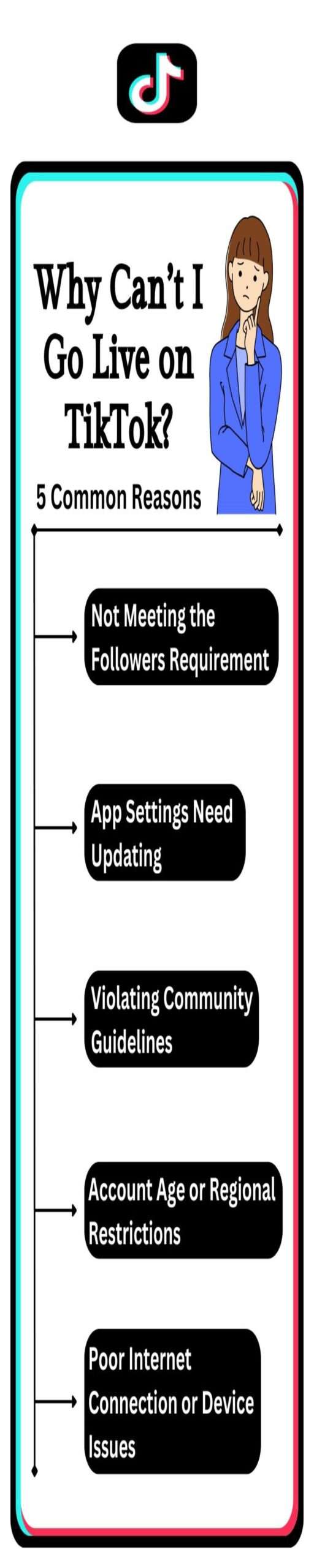
    5 common reasons

    1. Not Meeting the Followers Requirement:

    TikTok requires at least 1000 followers to go live, making it inaccessible for new accounts. Although this limitation exists to ensure engagement, some users look for alternative ways to access the live feature. Growing your followers on TikTok through consistent content can help, but some regions may allow early live access through special promotions.

    2. App Settings Need Updating:

    An outdated TikTok app may prevent you from accessing live video features, causing unnecessary issues. Checking and updating your app settings ensures you have the latest version, which improves performance and unlocks new options. If your live stream option is missing, updating the app should be the first step before troubleshooting further.

    3. Violating Community Guidelines:

    Users who violate TikTok’s rules may lose their ability to start a live session, even unknowingly. Ensuring compliance with platform guidelines helps you maintain access to the live feature without unnecessary restrictions. If your account has received multiple warnings, resolving past violations is necessary before you can go live on TikTok again.

    4. Account Age or Regional Restrictions:

    TikTok restricts live access to users over a certain age as mentioned above, which varies by location. If your account is too new, you might need to wait before unlocking the ability to post on TikTok and go live. Additionally, certain regions limit access, making it harder to gain the live video feature immediately.

    5. Poor Internet Connection or Device Issues:

    A weak internet connection or an outdated device may prevent a smooth live session from starting. Ensuring a stable network and using a compatible phone enhances live stream quality, reducing buffering and lag. If TikTok detects unstable connectivity, it might automatically block your ability to start your live broadcast.

    Fixing Issues With Your Live Stream

    Troubleshooting Technical Errors: Ensure your internet connection is stable before starting your live stream on TikTok. Additionally, update the TikTok app on your mobile to avoid glitches. If you still can’t go live, restart your device and check app permissions. Also, clear the cache in TikTok Live Studio for a smoother session.

    Resolving Bans or Restrictions: If TikTok says you can’t go live, review the platform’s guidelines for violations. Consequently, appeal any restrictions through the app’s support. Moreover, ensure your content complies with TikTok Live access policies. If you’re unable to go live anymore, check if your account meets the minimum 1000 followers requirement.

    Enhancing Video and Audio Quality for Better Engagement: The quality of your live stream significantly impacts engagement. Use proper lighting and a high-quality microphone. Furthermore, ensure your background is distraction-free for a professional look. TikTok also recommends keeping your live content clear and engaging. Finally, schedule your live sessions when your followers are most active.

    Workarounds to Go Live Without 1000 Followers

    Alternative Ways to Engage With Live Streams:

    • Join someone else’s live session since TikTok allows users to go live with another host.
    • Comment actively on popular TikTok live videos to attract an audience to your profile.
    • Use TikTok Live Studio on a desktop because it sometimes allows live access without meeting follower requirements.
    • Post engaging TikTok content regularly to increase audience interaction and improve visibility.
    • Share live stream links on Facebook Live or Instagram Live to drive traffic from other platforms.
    • Schedule your live sessions strategically when followers are most active to increase engagement.

    Partnering With Others for Live Sessions:

    • Collaborate with creators who already have live access by co-hosting a session with them.
    • Engage with your live stream audience during joint sessions to build credibility and attract more followers.
    • Go live with someone else using the dual live feature to reach a wider audience.
    • Encourage followers to tag you in live sessions so you gain exposure through their audience.
    • Use the TikTok app on your mobile to join trending conversations in live rooms.
    • Cross-promote your sessions on multiple platforms to drive more engagement.

    Using TikTok Features to Boost Your Reach:

    • Use TikTok Live Studio for pre-recorded content that mimics a live session without actual streaming.
    • Engage in popular TikTok challenges to gain followers and unlock the TikTok Live feature faster.
    • Go live with interactive Q&A sessions to increase engagement and encourage participation.
    • Optimize the quality of your live stream to ensure better audience retention.
    • Post TikTok videos consistently to keep your audience engaged before unlocking live access.
    • Interact with TikTok users through Duets and Stitches to grow your audience faster.

    Creative TikTok Live Ideas to Gain More Viewers

    Interactive Q&A Sessions:

    Engage with your live stream audience by answering questions in real time. Additionally, encourage your followers to submit topics beforehand. TikTok recommends keeping your live interactive to maintain viewer interest. Furthermore, use TikTok Live features like polls or stickers to make sessions more engaging and dynamic.

    Live Challenges and Trends:

    Participating in trending challenges boosts visibility. Moreover, invite new followers to join and engage with your content. TikTok and other platforms favor live trends that drive engagement. Consequently, creating challenges aligned with viral topics can help attract many followers on TikTok to your session.

    Behind-the-Scenes Content and Real-Time Engagement:

    Give followers exclusive access to your daily routine, work process, or event preparation. Moreover, letting them see the unfiltered side of your content builds a stronger connection. Also, TikTok users enjoy raw, spontaneous moments. Eventually, this approach can help increase live gifts and viewer retention.

    Making Money on TikTok Live

    Monetization Options for Live Sessions:

    TikTok offers a unique way for creators to earn money through live streams. Moreover, live gifts sent by viewers can be converted into real earnings. Also, collaborating with brands can enhance monetization opportunities. Certainly, engaging live content increases the chances of receiving virtual gifts from followers.

    How Many Followers You Need to Earn:

    To unlock the TikTok Live feature for monetization, you need at least 1000 followers. Moreover, engaging live sessions increase the likelihood of viewers supporting your content. Additionally, TikTok recommends keeping your live consistent and interactive to maximize earning potential. Also, scheduling live sessions when followers are most active helps.

    Maximizing Gifts and Donations:

    Encourage audience participation by acknowledging live gifts in real time. Furthermore, engaging with your live stream viewers increases the chances of receiving more gifts. Moreover, offering exclusive content or shoutouts can incentivize more donations. Lastly, using TikTok Live Studio tools enhances interaction and gift earnings.

    Conclusion

    If you’ve ever asked, “Why can’t I go live on TikTok?” you’re not alone. Many users experience issues due to account restrictions, regional policies, or technical problems. Ensuring your account meets TikTok’s live requirements and following the suggested fixes can help restore access. If you still can’t go live, reaching out to TikTok support might be your best option.

    Similarly, if you’re struggling with reposting content on TikTok, you’re not alone. Many users have reported issues with the repost button disappearing or not working as expected. If you’re facing this problem, check out our detailed guide on Why Can’t I Repost on TikTok for possible fixes and solutions.

    Have you faced any issues while trying to go live? Let us know in the comments!

    FAQs

    1. What should I do if I meet all requirements but still can’t go live?

    Ensure your app is updated, clear cache, and contact TikTok support for assistance.

    2. Can technical issues prevent me from going live?

    Yes, unstable internet connections or outdated app versions can hinder live streaming.

    3. Are there age restrictions for going live on TikTok?

    Yes, users must be at least 16 to go live and 18 to send or receive gifts.

    4. Why does TikTok say I’m eligible to go live but won’t let me?

    This could be due to account reviews, violations, or technical glitches; contacting support is advisable.

    5. How can I ensure I don’t lose live access in the future?

    Adhere to TikTok’s community guidelines and avoid content that may lead to violations.

  • How Link Reclamation Can Help You Reclaim Lost Backlinks

    How Link Reclamation Can Help You Reclaim Lost Backlinks

    link reclamation

    Losing valuable backlinks can have a significant impact on your website’s SEO performance, yet it’s often overlooked in many strategies. More than 10% of backlinks are lost over time due to factors like page removal or website updates. The consequences of losing these links are noticeable, as they contribute to a site’s authority and organic search rankings. Fortunately, link reclamation provides an effective solution to this problem. It involves identifying and recovering lost or broken backlinks that once pointed to your site.

    By reclaiming these links, you restore valuable link equity that helps maintain and improve your SEO health. In this article, we’ll walk you through the entire process of link reclamation, from identifying lost backlinks to reaching out for recovery. This comprehensive guide will show you how to take advantage of link reclamation and ensure that your hard-earned SEO efforts continue to pay off.

    What is link reclamation?

    Link reclamation is the process of recovering lost or broken backlinks that once pointed to your website. It plays a critical role in maintaining the strength of your backlink profile, which directly impacts SEO performance. According to SEO experts, “Reclaiming lost links ensures that the link equity, also known as ‘link juice,’ continues to flow, boosting your site’s SEO value.”

    When a link is removed or becomes broken, it creates an opportunity to restore it or replace it with a functional one. For instance, “Broken link building can help you not only recover lost backlinks but also discover new links pointing to your website.” Additionally, tools like Ahrefs, Google Search Console, and Screaming Frog’s SEO Spider can help identify these issues so that you can initiate the link reclamation process promptly. Reclaiming lost backlinks is crucial because it helps preserve the SEO strength and user experience of your site.

    The Importance of Link Reclamation in SEO

    Link reclamation is a crucial aspect of SEO strategy, especially when focusing on building and maintaining a robust backlink profile. The process of reclaiming lost links ensures that your website retains its link equity, often referred to as “link juice,” which strengthens your site’s SEO performance. When backlinks become broken or are removed, they lose their ability to direct traffic to your site. Consequently, the link value is lost, which negatively affects your SEO efforts.

    Why Link Reclamation is Important:

    • Preserving Link Equity: Broken or lost backlinks can significantly decrease your website’s link profile and SEO strength. Reclaiming these links restores the flow of link equity, enhancing your website’s ranking potential.
    • Improving User Experience: Users encountering broken links can have a negative experience, leading to a decrease in traffic and trust. Fixing these links improves the overall user journey.
    • Maximizing SEO Value: Reclaiming lost or broken backlinks helps you recover valuable links, ensuring your site continues to benefit from the SEO power they provide.

    Finding and reclaiming lost links contributes to the overall health of your website’s SEO. It’s a proactive approach that strengthens your link profile, maximizes SEO value, and ultimately drives more traffic. Since building new links can take time, ensuring that your existing backlinks remain intact is just as important. Henceforth, link reclamation should be an ongoing part of any comprehensive SEO strategy.

    How to Find and Reclaim Lost Backlinks

    1. Using Tools like Ahrefs for Backlink Discovery:

    Reclaiming lost backlinks is crucial to maintaining your website’s SEO strength and link equity. Using tools like Ahrefs can help track and analyze your backlink profile. Ahrefs’ Site Explorer allows you to crawl through your backlink profile, highlighting lost or broken links that no longer point to your site. This process involves identifying URLs that once carried valuable link juice but are now broken or missing. By monitoring your link profile regularly, you can easily identify opportunities for reclaiming external links that may have been removed, contributing significantly to your SEO performance.

    2. Manual Methods for Identifying Lost Links:

    While using tools like Ahrefs can be very effective, sometimes, manually checking your backlink profile is equally important. Start by reviewing your SEO spider logs to identify 404 error pages and other potential broken links on your site. You can also conduct a reverse image search to find images once linked back to your site. Additionally, reviewing Google Search Console for any broken backlinks pointing to pages that are now missing can help you uncover lost links. Manual link reclamation ensures you’re not missing any valuable backlink opportunities that automatic tools might overlook.

    3. The Benefits of Reverse Image Search in Link Reclamation:

    A reverse image search is an excellent way to find lost backlinks pointing to your images or content. When someone links to your visual assets, they often omit the source. By using tools like Google Reverse Image Search, you can track down instances where your images are used on external websites, enabling you to reclaim these valuable external backlinks. This technique not only helps restore SEO power but also aids in increasing your website’s link profile. As a bonus, you can request that webmasters add proper attribution, further enhancing your off-page SEO.

    4. How to Approach Website Owners and Webmasters:

    Approaching website owners or webmasters to reclaim lost backlinks requires a tactful, professional approach. Start by gathering all the necessary details regarding the lost link—e.g., the page it was originally on and its impact on your SEO. Politely contact the website owner, explaining why you’d like to restore the link and how it would benefit both parties. Craft a compelling case that highlights how fixing the link can help improve the user experience of their site as well as maintain their link equity. Keep your message clear, professional, and respectful.

    5. Strategies for Effective Link Reclamation Requests:

    When sending a link reclamation request, be sure to personalize it and make your appeal as direct as possible. Firstly, clearly explain that a backlink to your site has been lost or removed, and emphasize how this link was providing value to both sites. Secondly, offer solutions, such as asking for a broken link to be restored or suggesting a more appropriate anchor text. Additionally, when requesting a link back, it’s important to show appreciation and thank the webmaster in advance. This builds a positive relationship, enhancing the chances of a successful link reclamation.

    6. Timing and Frequency of Link Reclamation Efforts:

    Link reclamation efforts should not be done sporadically. Timing is essential, as reclaiming lost backlinks at the right moment can maximize the benefits of your SEO strategy. Typically, it’s advisable to check for broken or lost links quarterly. However, if you’re facing a significant drop in SEO performance, more frequent checks are recommended. Moreover, avoid bombarding website owners with frequent requests. Instead, space out your link reclamation efforts over time to avoid being seen as intrusive. This consistent but strategic approach ensures that you’re always maintaining a healthy backlink profile.

    How to Fix Broken Internal Links

    Fixing broken internal links is just as crucial as reclaiming lost external links. Broken internal links lead to poor user experience and negatively affect your website’s SEO performance. To begin, use tools like Screaming Frog’s SEO Spider to crawl through your website and detect pages with broken internal links. After identifying these issues, you can redirect them to relevant, active pages or update them with fresh URLs. Internal linking plays a significant role in keeping your site’s link equity intact and ensuring that users and search engines navigate your site seamlessly.

    Identifying Broken Internal Links:

    Identifying broken internal links is an essential step to maintaining your website’s SEO health. Tools like Google Search Console and Screaming Frog provide detailed reports on which internal links are no longer functioning. Focus on pages with 404 errors or other issues, and make sure every link that used to point to relevant content is fixed or redirected appropriately. This process not only helps recover lost link juice but also boosts your website’s credibility in the eyes of both users and search engines. Ensure your links are all active to keep your site’s SEO on track.

    The Importance of Fixing Internal Links for SEO:

    Fixing broken internal links is integral to maintaining a strong SEO profile. When internal links lead to non-existent pages, users are frustrated, and search engines may struggle to index your site correctly. Broken internal links negatively impact user experience and diminish the flow of link equity across your site. By promptly fixing these issues, you enhance your site’s navigability, which in turn boosts its performance in search rankings. Proper internal linking also ensures that every page on your website receives its fair share of link power, contributing positively to your overall SEO strategy.

    The Difference Between Link Reclamation and Link Building

    When working on SEO, link building and link reclamation play essential roles, albeit with different strategies and purposes. Both tactics are vital in improving a website’s SEO performance, but they require distinct approaches and efforts. Understanding these differences can help prioritize actions effectively for SEO success.

    Link Building:

    Link building is the process of acquiring external backlinks to a website. It is a proactive strategy that involves reaching out to other websites to secure valuable links pointing to your site. Building links ensures an increase in your site’s authority and improves its ranking in search engine results pages (SERPs).

    Key characteristics of link building:

    • Involves acquiring new backlinks from external sources
    • Focuses on outreach and relationship-building with other websites
    • Can be time-consuming and requires effort to ensure link quality
    • Aims to improve SEO by generating new traffic

    Link Reclamation:

    Link reclamation, on the other hand, is the process of recovering lost or broken backlinks that once pointed to your website. Over time, links can be removed or become inactive, which may affect the SEO value. Link reclamation works to restore these lost links, recovering valuable SEO equity.

    Key characteristics of link reclamation:

    • Focuses on restoring lost or broken links
    • Typically involves contacting website owners to restore or update links
    • Improves SEO health by regaining valuable link equity
    • Ensures the continuity of SEO efforts without having to build new backlinks

    Comparison of link reclamation and link building:

    FactorLink ReclamationLink Building
    DefinitionRecovering lost or uncredited backlinks.Acquiring new backlinks from external sites.
    ProcessIdentifying broken, removed, or unlinked brand mentions and requesting fixes.Creating content, outreach, and partnerships to earn new links.
    Effort RequiredLower effort since links already existed or were intended.Higher effort as it requires outreach, content creation, and negotiations.
    Impact on SEORestores lost link equity, maintaining or improving rankings.Increases domain authority and enhances search engine visibility.
    TimeframeFaster results since links often get reinstated quickly.Takes longer as building relationships and acquiring links is a gradual process.
    CostGenerally lower, as it involves outreach rather than content creation.Higher costs due to content production, outreach campaigns, and potential paid collaborations.

    Ultimately, link building focuses on acquiring fresh backlinks, while link reclamation is about restoring the SEO strength from previously earned backlinks. Both are crucial for enhancing your site’s SEO performance and ensuring a strong link profile.

    Conclusion

    Reclaiming lost backlinks is a crucial part of maintaining your website’s SEO performance. By identifying and restoring valuable links that once pointed to your site, you can recover lost link equity and improve your site’s authority. Link reclamation ensures that your previous SEO efforts continue to contribute to your rankings, preventing the negative impact of lost backlinks. Taking the time to monitor and reclaim these links is an investment in your site’s long-term SEO health. Have you experienced any lost backlinks that you could reclaim for better SEO results?

    FAQs

    How do I reclaim lost backlinks? Reach out to the website owners of the referring pages, inform them of the broken link, and request that they update or restore the link to your content.

    Is link reclamation effective? Yes, link reclamation can be highly effective. For instance, one study reported an 18.67% conversion rate in reclaiming lost backlinks through outreach.

    How often should I perform link reclamation? Regularly monitor your backlink profile and perform link reclamation as needed to maintain a healthy and effective backlink strategy.

    Can link reclamation improve my website’s SEO? Reclaiming lost backlinks can enhance your website’s authority and search engine rankings, contributing to better overall SEO performance.

  • Understanding Backlink Exchange: How to Build Quality Links

    Understanding Backlink Exchange: How to Build Quality Links

    backlink exchange

    Struggling with low search rankings despite great content? The issue often lies in a lack of quality backlinks, which are key to improving visibility and authority. Strong backlink profiles help websites rank higher, yet many businesses struggle with effective link-building. Worse, poor-quality links can harm SEO and lead to penalties. Backlink exchange is a powerful, ethical strategy to earn high-value links and boost rankings.

    When done right, it enhances credibility and long-term success. This guide covers everything you need to know—from finding opportunities to building authentic connections—so you can confidently implement a strategy that drives real results.

    What is Backlink Exchange?

    Backlink exchange is a strategy where two website owners agree to link to each other’s sites. This method, often called reciprocal link building, aims to enhance search engine optimization (SEO) by improving backlink profiles. For example, a blogger might say, “Let’s link back to each other’s relevant content to boost domain authority mutually.” However, Google’s webmaster guidelines emphasize that excessive link exchanges can result in penalties, making quality over quantity crucial.

    This tactic works best when websites share relevant content and align with niche interests. Collaborations like guest post swaps or three-way link exchanges often ensure better results while maintaining compliance with SEO strategies. Correspondingly, successful exchanges rely on high-quality, authoritative sites rather than low-quality domains, which can harm rankings. Website owners should prioritize building relationships through genuine outreach, focusing on creating an agreement between two parties based on value rather than shortcuts.

    Types of Link Exchanges and Their Impact

    Direct Reciprocal Links: 

    Direct reciprocal links involve two websites agreeing to link to each other directly. This method, while straightforward, must focus on exchanging links between relevant and high-quality sites to benefit SEO rankings effectively. Direct reciprocal links can increase traffic, boost domain authority, and improve search engine visibility when executed thoughtfully. However, engaging in excessive link exchanges or partnering with unrelated websites may hurt SEO performance. Google’s webmaster guidelines caution against reciprocal link-building schemes that appear manipulative. Hence, consider link quality over quantity to ensure safe and legitimate SEO strategies. Properly implemented, direct links can contribute positively to a site’s backlink profile.

    3-Way Link Exchange Mechanisms: 

    3-way link exchanges differ from traditional methods by involving three websites to create a triangular linking pattern. For example, Website A links to Website B, which links to Website C, and Website C links back to Website A. This approach aims to reduce the risk of being flagged as a link scheme by search engines. However, ensuring the exchanged links are relevant to your content and the sites involved are authoritative is essential. Notably, low-quality exchanges within these mechanisms may still negatively impact your search engine rankings. Consequently, 3-way link exchanges should only involve reputable partners to optimize SEO benefits.

    Guest Post Swaps as a Link Exchange Strategy

    Guest post swaps involve writing and publishing articles on each other’s websites with embedded backlinks. Unlike standard link exchanges, guest posts allow the inclusion of contextual backlinks, making them more natural for search engines. Evidently, this strategy can simultaneously enhance content visibility and SEO performance. However, prioritizing relevant content and ensuring the links align with the hosting site’s niche are vital considerations. Moreover, avoid excessive guest post exchanges, as they might be considered manipulative by search engines. Lastly, focus on building lasting partnerships with authoritative sites, as this approach can significantly improve your website’s backlink profile and rankings.

    Best Practices for Legitimate Link Exchanges

    Engaging in legitimate link exchanges can significantly enhance your website’s search engine rankings. However, improper implementation can lead to penalties. Follow these best practices to ensure your link exchange strategies are both effective and safe for SEO.

    1. Evaluate Potential Backlink Exchange Partners:

    Choosing the right partners for a backlink exchange is crucial for maintaining SEO integrity. Before engaging in an exchange, evaluate a site’s domain authority, ensuring it is strong and complements your niche. Additionally, check the quality and relevance of the content; only exchange links with websites providing high-quality, authoritative information. Be cautious of websites involved in excessive or spammy link exchanges, as these may harm your SEO performance. Tools like Ahrefs or Moz can help assess backlink profiles and domain metrics. Ensuring your link exchange partners are trustworthy and relevant protects your website and enhances its search rankings.

    2. Prioritize Quality Over Quantity:

    When it comes to link exchanges, a few high-quality links are far more valuable than numerous low-quality ones. Links from authoritative websites in your niche carry more weight in search engine optimization. Ensure links are relevant to your content, offering value to users rather than existing solely for ranking purposes. Diversify your backlink profile by combining reciprocal links with other strategies like guest posts and editorial mentions. Monitor outbound links from your site, ensuring they point to credible and beneficial resources. This approach not only enhances SEO but also builds credibility and trust with your audience.

    3. Approach Link Exchanges Strategically:

    Link exchanges require careful planning to remain compliant with search engine guidelines and avoid penalties. Focus on natural exchanges that genuinely benefit both parties rather than engaging in manipulative link schemes. Use three-way exchanges where possible, as these appear more organic to search engines. Limit the number of reciprocal links in your profile to avoid over-reliance. Be transparent with your exchange partners, clarifying terms like anchor text and link placement. Tools like SEMrush can help you evaluate the impact of link swaps. Strategic exchanges help improve rankings while maintaining the integrity of your SEO efforts.

    4. Secure Mutual Agreements Transparently:

    Transparency is essential for building trust in link exchanges. Clear agreements help both parties understand expectations and ensure smooth collaboration. Specify the type of link, anchor text, and its placement within the content. Agree on a timeline for implementation and establish processes to reassess the arrangement regularly. Transparency also involves being upfront about the purpose of the exchange, focusing on mutual value rather than manipulation. Maintaining open communication builds lasting relationships with partners and fosters ongoing opportunities for collaboration. A transparent approach not only benefits SEO but also upholds your reputation in the industry.

    5. Incorporate Guest Posting Opportunities:

    Guest posting offers an excellent alternative to direct link exchanges by adding value to both websites. It involves creating high-quality, original content for a partner site while receiving a backlink in return. This method enhances the credibility of your website by associating it with authoritative sources. When swapping guest posts, ensure the topics are relevant and beneficial to both audiences. Avoid reusing the same content across multiple sites, as this can dilute its effectiveness. Guest posting not only supports link-building efforts but also strengthens partnerships, expands your reach, and provides valuable content to broader audiences.

    6. Avoid Excessive Link Exchanges:

    Engaging in too many link exchanges can harm your website’s credibility and attract penalties from search engines. Limit the number of reciprocal links in your backlink profile to ensure it appears natural and diverse. Excessive exchanges are often associated with link schemes, which are prohibited by Google’s webmaster guidelines. Focus on quality over quantity, favoring links from authoritative and relevant websites. Diversify your link-building strategy by incorporating editorial mentions, guest posts, and organic outreach. Monitoring your backlink profile with tools like Google Search Console ensures you maintain compliance and avoid detrimental patterns that could impact rankings.

    7. Regularly Audit Your Backlink Portfolio:

    A well-maintained backlink portfolio is crucial for long-term SEO success. Use tools like Ahrefs, Moz, or SEMrush to analyze your backlinks, focusing on quality, relevance, and domain authority. Remove or disavow toxic backlinks that might harm your rankings, ensuring your profile remains clean and natural. Regular audits allow you to track the effectiveness of link exchanges and identify opportunities for improvement. Ensure that all exchanged links still provide value and comply with search engine guidelines. This proactive approach keeps your website competitive, protects it from penalties, and reinforces your efforts to achieve sustainable SEO growth.

    Common Mistakes in Backlink Exchanges to Avoid

    Engaging in backlink exchanges can benefit SEO strategies if executed correctly and cautiously. However, certain missteps can hinder your search engine rankings instead of improving them. Below are the most common mistakes in backlink exchanges to avoid:

    Overlooking Quality and Relevance:

    • Prioritizing quantity over quality can harm your SEO strategy and backlink profile significantly.
    • Links from irrelevant or low-quality sites fail to enhance search rankings or attract meaningful traffic.
    • Always evaluate domain authority, relevance, and content quality when selecting link exchange partners.
    • Choosing high-quality, niche-aligned websites ensures better SEO performance and long-term value.

    Ignoring Google’s Webmaster Guidelines:

    • Ignoring Google’s guidelines while exchanging links can result in penalties or ranking drops.
    • Practices like excessive swapping and linking to spammy websites violate ethical SEO standards.
    • Ensure every link exchange complies with Google’s rules to avoid penalties and build credibility.
    • Ethical link-building efforts improve rankings and safeguard your website’s reputation.

    Engaging in Reciprocal Link Building Without Caution:

    • Overusing reciprocal links diminishes link equity and appears manipulative to search engines.
    • Avoid direct exchanges between two sites by exploring safer methods like three-way exchanges.
    • Ensure links are from high-quality, relevant sites to maintain your backlink profile’s integrity.
    • Moderation and diversification strengthen your SEO strategy and protect against penalties.

    Failing to Vet Link Exchange Partners:

    • Collaborating with low-quality sites can damage your backlink profile and harm SEO rankings.
    • Evaluate partner sites for authority, relevance, and credibility before entering into an exchange.
    • Avoid sites with excessive outbound links or poor SEO practices that reduce link value.
    • Proper research ensures safer, high-quality collaborations that boost your SEO efforts.

    Poorly Executing Guest Post Swaps:

    • Low-quality guest posts with irrelevant content reduce credibility and harm both parties’ SEO efforts.
    • Ensure each guest post features valuable, well-written content relevant to your target audience.
    • Diversify link-building methods to create a natural backlink profile and maintain search engine trust.
    • High-quality guest posts strengthen the authority and drive organic traffic effectively.

    Lacking a Clear Agreement:

    • Unclear link exchange agreements cause disputes, misunderstandings, or premature link removals.
    • Define explicit terms for link placement, duration, and content quality to ensure effective collaboration.
    • Transparent agreements promote trust and long-term partnerships with exchange collaborators.
    • Clarity in agreements safeguards backlink quality and ensures compliance with SEO best practices.

    Relying Solely on Link Exchanges:

    • Over-reliance on link exchanges limits the diversity of your backlink profile and SEO growth.
    • Combine exchanges with other methods like content creation, organic outreach, and guest posts.
    • Balanced link-building strategies reduce risks and enhance long-term search rankings.
    • Diversification ensures comprehensive SEO success and sustainable online visibility.

    The Future of Link Exchanges in SEO

    The concept of backlink exchange has evolved significantly in SEO. Traditionally, link exchanges involved two websites swapping backlinks through direct agreements. However, as search engines have grown more sophisticated, black hat tactics like excessive reciprocal linking are now scrutinized, often leading to penalties that harm SEO. Websites looking to exchange links must approach the process carefully to avoid being flagged as part of a link scheme.

    In the future, successful link exchanges will depend on ethical, value-driven strategies. Instead of simply trading links, businesses should focus on forming meaningful partnerships with sites relevant to their niche. These collaborations should drive genuine traffic and enhance both sites’ authority. Proper link placement and contextual relevance will play a critical role in ensuring long-term SEO benefits.

    To truly leverage link exchanges, webmasters must prioritize quality content that naturally attracts backlinks. By focusing on authenticity and user experience, link exchanges can become a sustainable tool for SEO growth.

    Conclusion

    Backlink exchange is a powerful tool to enhance your SEO strategy when executed properly. Focusing on high-quality, relevant links can significantly improve your site’s authority and search engine rankings. However, it’s crucial to avoid unethical practices that could lead to penalties. By building genuine relationships with trusted websites and focusing on quality over quantity, you’ll see long-term benefits in organic traffic. Now that you have a comprehensive understanding of backlink exchange, are you ready to implement these strategies for your website’s success? Let us know how you plan to use them!

    FAQs

    1. How do I improve my website’s ranking?
      Focus on creating high-quality content, building backlinks, optimizing your site’s structure, and improving user experience.
    2. What is a meta description, and why is it important?
      A meta description is a brief summary of a webpage. It helps improve click-through rates and informs search engines about the content of the page.
    3. What is a backlink in SEO?
      A backlink is a link from another website to your own, which helps improve your site’s authority and search ranking.
    4. How does mobile optimization affect SEO?
      Search engines prioritize mobile-friendly websites because more users browse on mobile devices. A mobile-optimized site improves SEO rankings.
    5. What is technical SEO?
      Technical SEO refers to optimizing your website’s infrastructure, such as improving site speed, fixing crawl errors, and ensuring the site is indexable by search engines.

  • Forum Backlinks: The Secret Weapon for Effective Links

    Forum Backlinks: The Secret Weapon for Effective Links

    forum backlinks

    Struggling to rank higher despite consistent SEO efforts? You’re not alone—many businesses face this challenge. Backlinks are crucial for boosting search engine rankings, but acquiring high-quality ones can be difficult. Often overlooked, forum backlinks offer a powerful way to enhance your link-building strategy. By engaging in relevant discussions on niche forums, you can earn valuable backlinks while driving targeted traffic to your site. These links, especially from do-follow forums, strengthen your SEO efforts and contribute to long-term organic growth.

    This guide will help you create effective forum backlinks, leverage them for SEO, and avoid common pitfalls. Follow these actionable steps to unlock the potential of forums and enhance your link-building strategy for better results.

    What Are Forum Backlinks?

    Forum backlinks are hyperlinks obtained from online discussion platforms, directing traffic to a website. These links are created when users share relevant content or respond to queries, embedding links within their posts or profiles. Particularly, they are effective for improving a site’s authority when used correctly.

    Ensuring quality over quantity is crucial for effective forum link-building. Rather than spamming forums, contributors should engage authentically in discussions, offering value while subtly incorporating backlinks. Moreover, forums should correspondingly align with the website’s niche to maintain relevance and authority.

    Lastly, forum backlinks, though powerful, are comparatively less effective if misused or overused without a strategy. Therefore, proper research and ethical participation are vital for maximizing their benefits.

    Why Forum Backlinks Are Valuable for SEO

    Forum backlinks are undeniably valuable for enhancing your website’s SEO and boosting its online visibility. These links, particularly do-follow forum backlinks, pass link juice that strengthens your backlink profile significantly. When you use forum discussions to include a link, it enhances the relevance and authority of your site. However, it’s crucial to participate in relevant forums to ensure the forum backlinks provide maximum SEO value.

    Although forum link building requires time and effort, it provides a lasting impact when done correctly. Nevertheless, avoid spamming as nofollow links on irrelevant forums may harm your SEO efforts rather than help. Moreover, actively building forum backlinks ensures steady traffic to your site and adds credibility to your content. Ultimately, including forums in your SEO strategy is a smart way to support your overall digital marketing goals.

    1. Establishing Brand Credibility:

    Establishing brand credibility requires engaging in meaningful discussions on relevant forums within your industry niche. Participating actively in forum discussions showcases expertise and fosters trust among community members, consequently benefiting your brand image. Moreover, including do-follow forum backlinks judiciously in your posts can enhance your SEO strategy and add SEO value to your website.

    However, always ensure the links provide genuine value to avoid suspicion or backlash. Additionally, posting insightful content regularly builds a trustworthy reputation in online forums, thus helping to drive traffic to your website indirectly.

    2. Creating Niche-Specific Engagement:

    Forum links work best when targeted towards audiences genuinely interested in your niche. Choosing relevant forums ensures that your efforts align with audience interests and help in link-building effectively. Furthermore, participating actively in forum discussions allows you to identify what your audience values and create tailored content accordingly.

    Meanwhile, the use of forum sites like Warrior Forum can significantly boost engagement because they cater to specific industries. Ensure that any link to your website you include is relevant and informative, thereby enhancing SEO benefits for your business.

    3. Building Relationships in Online Communities:

    Building relationships within forum communities leads to long-term benefits for both your brand and audience. Contributing genuinely to forum posts strengthens ties, whereas spammy forum backlinks may harm your reputation. Markedly, forum profile creation is a crucial step, as it helps establish a recognizable identity online.

    Engaging with others’ content, such as answering queries or contributing tips, fosters trust and credibility. Significantly, cultivating these connections allows for natural backlinks and increased traffic to your site over time.

    4. Generating Indirect Traffic and Leads:

    Well-strategized forum backlinks may not just enhance your backlink profile but also attract valuable leads. Specifically, forums allow businesses to showcase expertise while embedding nofollow links in posts that point to their resources. This approach undoubtedly creates curiosity among users, prompting them to explore your website.

    Likewise, participating in forum discussions adds link juice that contributes to SEO strategy and boosts overall traffic. Nonetheless, focus on adding value rather than overtly promoting your services, as this builds authentic interest among the audience.

    5. Reinforcing a Diverse Backlink Profile:

    A strong backlink profile should feature links from various sources, including forum backlinks, blog comments, and guest posts. However, relying solely on forums may limit your results; henceforth, diversity is essential. Meanwhile, leveraging forum sites with high domain authority can significantly enhance your website’s ranking potential.

    Including nofollow links strategically maintains a natural link profile, whereas excessive do-follow forum backlinks might trigger search engine penalties. Thus, forums should complement, rather than dominate, your link-building strategy.

    Best Practices for Building Forum Backlinks

    Choosing the Right Forums for Your Niche:

    Choosing forums aligned with your niche ensures your backlinks reach the most relevant audience. Participating in niche-specific online discussion sites builds credibility and connects you with like-minded individuals. Before diving into forums, research-active communities with a significant number of participants and clear forum guidelines to ensure compatibility with your goals. Moreover, prioritize forums where discussions genuinely align with your expertise or the content you want to promote.

    Links from such forums hold greater SEO value because they are more relevant and authentic. It’s crucial to identify forums that encourage meaningful contributions rather than spammy link placement. Additionally, highly active forums with engaged members tend to bring more targeted traffic to your website. Altogether, aligning your efforts with forums in your niche enhances both the quality and the effectiveness of your forum backlinks strategy, making it a powerful tool for building your online presence.

    Participating Authentically in Discussions:

    Engaging authentically in forum discussions is essential for building trust and maximizing the value of forum backlinks. Simply posting links without meaningful input can lead to negative feedback from both forum members and moderators. Instead, focus on creating thoughtful contributions that address specific questions or challenges discussed in the forum. Authentic participation fosters a sense of community and ensures your presence is seen as valuable rather than self-promotional. Additionally, active engagement with forum members enhances your authority and increases the likelihood of your links being clicked.

    Moderators are less likely to flag posts when they add value to the discussion. Whenever possible, answer questions thoroughly and refer to your content only when it genuinely fits the conversation. Over time, consistent, authentic participation in discussions helps you establish a strong reputation, driving both targeted traffic and high-quality backlinks to your website.

    Placing Links Without Being Spammy:

    Placing links effectively in forums requires striking a balance between promotion and providing value. Dropping links randomly or excessively is often seen as spam and may lead to penalties from forum moderators. Instead, focus on embedding links within detailed, contextually relevant contributions that genuinely help other forum members. Links placed strategically in forum posts or signatures work best when they complement the discussion and address specific queries. Additionally, avoid over-relying on promotional links; instead, share valuable insights to build trust within the forum community.

    It’s equally important to respect forum guidelines, as many forums prohibit overtly self-promotional behavior. Nofollow backlinks, although not passing direct link equity, can still drive traffic and improve visibility. Overall, thoughtful link placement in forums not only enhances their effectiveness but also ensures they are welcomed by the community and moderators alike.

    Leveraging Do-Follow Forums for Maximum Impact:

    Do-follow forums offer a unique opportunity to gain high-quality backlinks that pass valuable link equity to your site. These backlinks are particularly beneficial for improving search engine rankings and driving targeted traffic. However, most forums default to no-follow links, making it essential to research and identify do-follow forums carefully. When leveraging these platforms, it’s vital to adhere to their community guidelines to avoid being banned or penalized. Moreover, the effectiveness of do-follow backlinks is amplified when they come from forums with high domain authority and active participation.

    Placing links within relevant threads ensures they align with the discussion and provide genuine value. Comparatively, do-follow links significantly boost SEO efforts when incorporated into a broader link-building strategy. Altogether, leveraging do-follow forums strategically can transform your backlink portfolio, making it more robust and impactful in improving your website’s performance.

    Monitoring and Updating Your Forum Backlink Strategy:

    Regularly monitoring and updating your forum backlink strategy ensures its continued relevance and effectiveness. Over time, links may become broken or lose value as discussions age or forums become inactive. Consistently checking for broken links or outdated threads helps maintain the quality of your backlink portfolio. Additionally, analyzing the performance of your forum backlinks allows you to refine your approach for better results. This includes focusing on forums that generate the most traffic or engagement and reconsidering participation in underperforming ones. It’s also essential to stay updated with new forums and trending discussions within your niche to keep your strategy fresh.

    By diversifying your efforts across multiple forums, you can reduce risks and maximize opportunities. Ultimately, a well-monitored and adaptive strategy ensures that your forum backlinks remain effective in driving traffic, improving SEO, and building your online presence.

    Challenges and Risks of Forum Backlinks

    Identifying Low-Quality Forums:

    Choosing forums with low engagement or inactive members can significantly harm your SEO efforts. Undoubtedly, such forums often lack value, providing negligible benefits for creating backlinks. Before posting, ensure the forum has an active community with meaningful online discussions. Comparatively, high-quality forums tend to have stricter forum moderators, ensuring adherence to forum guidelines.

    Recognize spammy forums that allow unchecked forum comments and irrelevant backlinks in forum posts or signatures. Therefore, focus on forums where members actively participate in discussions and contribute relevant insights.

    Avoiding Over-Optimization of Anchor Texts:

    Overusing exact match anchor texts in forum messages may lead to penalties from search engines. Instead, utilize a natural mix of anchor texts when placing links in forums. Evidently, forum signatures and posts are suitable for incorporating nofollow backlinks, ensuring compliance with forum community rules. Similarly, ensure link placement aligns with the context of the forum discussion.

    Otherwise, the links may appear forced, decreasing their overall SEO value. Another way to avoid penalties is by diversifying the types of backlinks you acquire from forums.

    Recognizing Potential Penalties from Spammy Links:

    Links from spammy forums often fail to add value to your website and could trigger penalties. Particularly, backlinks from forums with poor moderation or irrelevant content harm your SEO. Besides, search engines scrutinize backlinks placed on forums that disregard quality content. Moreover, over-reliance on forum directories offering dofollow backlinks may raise suspicion.

    To prevent this, prioritize links from high-quality forums that emphasize meaningful contributions and encourage forum backlinks that are relevant and contextual.

    Managing Time Effectively in Active Forums:

    Participating in active forums can drive targeted traffic to your website, albeit requiring consistent effort. Therefore, manage your time wisely to balance engagement and productivity. Initially, identify forums with high activity where members frequently visit and interact. Furthermore, set realistic goals for posting valuable content, instead of prioritizing sheer quantity.

    This approach ensures that your forum backlinks contribute to SEO without excessive time investment. Concurrently, use forum posts strategically to share insights that attract forum members to your website.

    Balancing Forum Backlinks with Other Link-Building Tactics:

    Relying solely on forum backlinks may not produce substantial SEO results, hence the need for balance. Combine creating backlinks on forums with other strategies, like guest blogging or securing backlinks from authoritative sites. Similarly, focus on gaining high-quality backlinks, as opposed to accumulating a large number of links from forums.

    Additionally, forums are excellent for building a community presence, but remember, they are one part of a broader link-building strategy. Altogether, leveraging forum backlinks should correspondingly align with your overall SEO goals.

    The Role of Forums in Modern Link-Building Strategies

    Forums play a vital role in modern link-building strategies by offering platforms for authentic engagement and backlink creation. By participating in discussions and addressing niche-specific queries, marketers can foster relationships with forum members and drive targeted traffic to their websites.

    While most forum backlinks are no-follow, they still offer significant benefits, including:

    • Increased visibility: Forum participation improves brand awareness within niche communities.
    • Enhanced engagement: Meaningful discussions lead to better interaction metrics, such as time on site.
    • Boosted credibility: Providing valuable insights positions marketers as industry experts.

    Even though forum backlinks might not directly influence search rankings, they indirectly enhance SEO by improving traffic and user engagement metrics. Additionally, forum discussions allow for organic link placements that align with search engine algorithms’ preferences for relevance and user satisfaction.

    Forums also complement content marketing strategies by:

    • Driving traffic to in-depth blog posts.
    • Offering valuable feedback to refine content strategies.
    • Ensuring links are contextually relevant for niche audiences.

    Moving forward, forums will remain an effective tool for sustainable link-building efforts. Marketers who prioritize genuine interactions over mechanical link placement can build authority, create valuable backlinks, and strengthen their overall SEO strategies.

    Conclusion

    Forum backlinks hold immense potential for boosting SEO efforts and enhancing online visibility. By strategically placing links in active forums and participating in discussions, you can attract targeted traffic to your website. Ensuring high-quality, relevant links while adhering to forum guidelines maximizes their SEO value. Beyond SEO, engaging in forum communities builds trust and credibility within your niche audience. Thoughtful forum link-building fosters valuable connections and opens avenues for sustained traffic. Are you leveraging forum backlinks effectively to meet your link-building goals and drive meaningful engagement?

    FAQs

    1. What are backlinks?
    Backlinks are links from one website to another, often used to improve SEO and credibility.

    2. Why are backlinks important?
    They signal trust and relevance to search engines, boosting rankings and driving traffic.

    3. What is a dofollow backlink?
    A dofollow backlink passes SEO value or “link juice” from the linking site to the linked site.

    4. What is a nofollow backlink?
    A nofollow backlink doesn’t pass SEO value but still drives traffic and diversifies your link profile.

    5. How can backlinks improve my website’s ranking?
    Search engines consider backlinks as votes of confidence, enhancing authority and visibility.

    6. What makes a backlink high quality?
    High-quality backlinks come from authoritative, relevant, and trustworthy websites with natural link placement.

  • Why Can’t I Repost on TikTok? How to Fix It

    Why Can’t I Repost on TikTok? How to Fix It

    Why Can't I Repost on TikTok

    Why can’t I repost on TikTok? You tap the repost button on TikTok, but nothing happens. Reposting on TikTok should be simple, yet many users struggle with the feature not showing up on TikTok. TikTok doesn’t always allow users to share certain content, as its algorithm is designed to control reposting options. 

    Additionally, account restrictions may prevent reposting due to privacy settings or flagged activity. The yellow repost button on TikTok may not appear if the new TikTok algorithm restricts content sharing. Fixing the repost option requires a few simple steps. The following guide explains how to fix the issue and enable reposting on TikTok.

    Repost Feature on TikTok

    The repost feature on TikTok allows users to share videos with their followers by tapping the yellow repost button. This function lets users share TikTok videos without downloading them, ensuring content circulates effectively. Reposts on TikTok appear in the Reposts tab of your profile, allowing easy access to previously reshared videos. TikTok allows this option primarily for videos from the For You Page, ensuring engagement within the app. However, users occasionally face TikTok repost issues, making it difficult to find the repost button on TikTok or share content effectively.

    Why Can’t I Repost on TikTok? 6 Quick Ways to Fix It

    Many users wonder, why can’t I repost on TikTok, as certain restrictions imposed by TikTok’s algorithm prevent them from sharing videos. The most common reason is that the repost button on TikTok does not appear if the video you want to share is not from the For You Page.

    Additionally, account restrictions may prevent users from accessing the repost tab, particularly if the TikTok account is flagged or limited. Ensuring your TikTok app is updated is crucial for fixing this problem. 

    Following are a few quick and easy ways to fix the issue and restore the ability to repost TikTok videos:

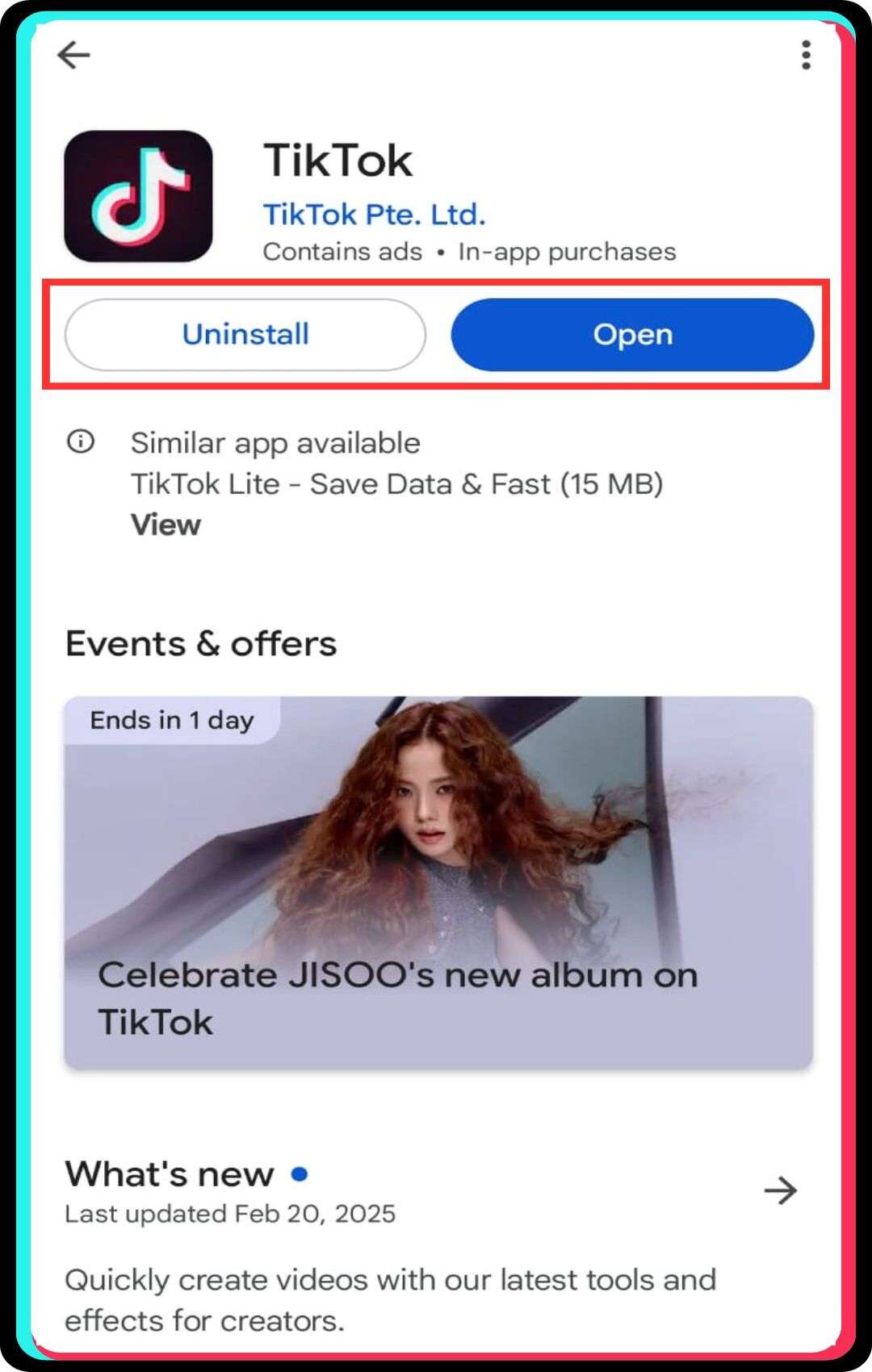
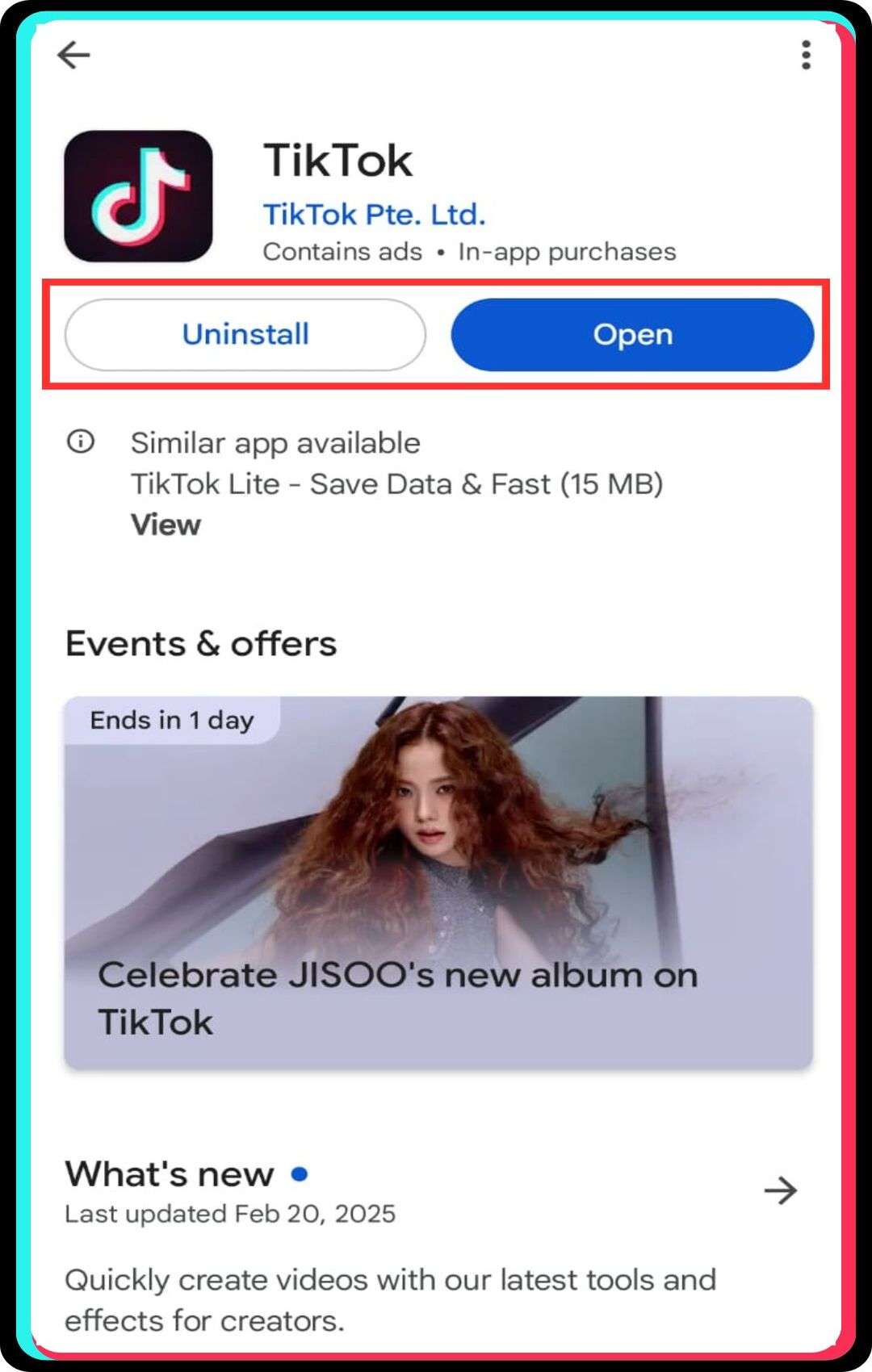
    1. Update the TikTok App

    Update the tiktok app

    Ensuring your TikTok app is updated is the first step to fixing the repost not showing problem. TikTok’s repost feature may not work if the app is outdated, as updates frequently introduce new features.

    Steps to update the TikTok app:

    • Go to the App Store or Google Play Store.
    • Search for TikTok using the search bar.
    • Tap the “Update” button if an update is available.
    • Wait for the installation process to complete.
    • Open TikTok and check if the repost feature is available.

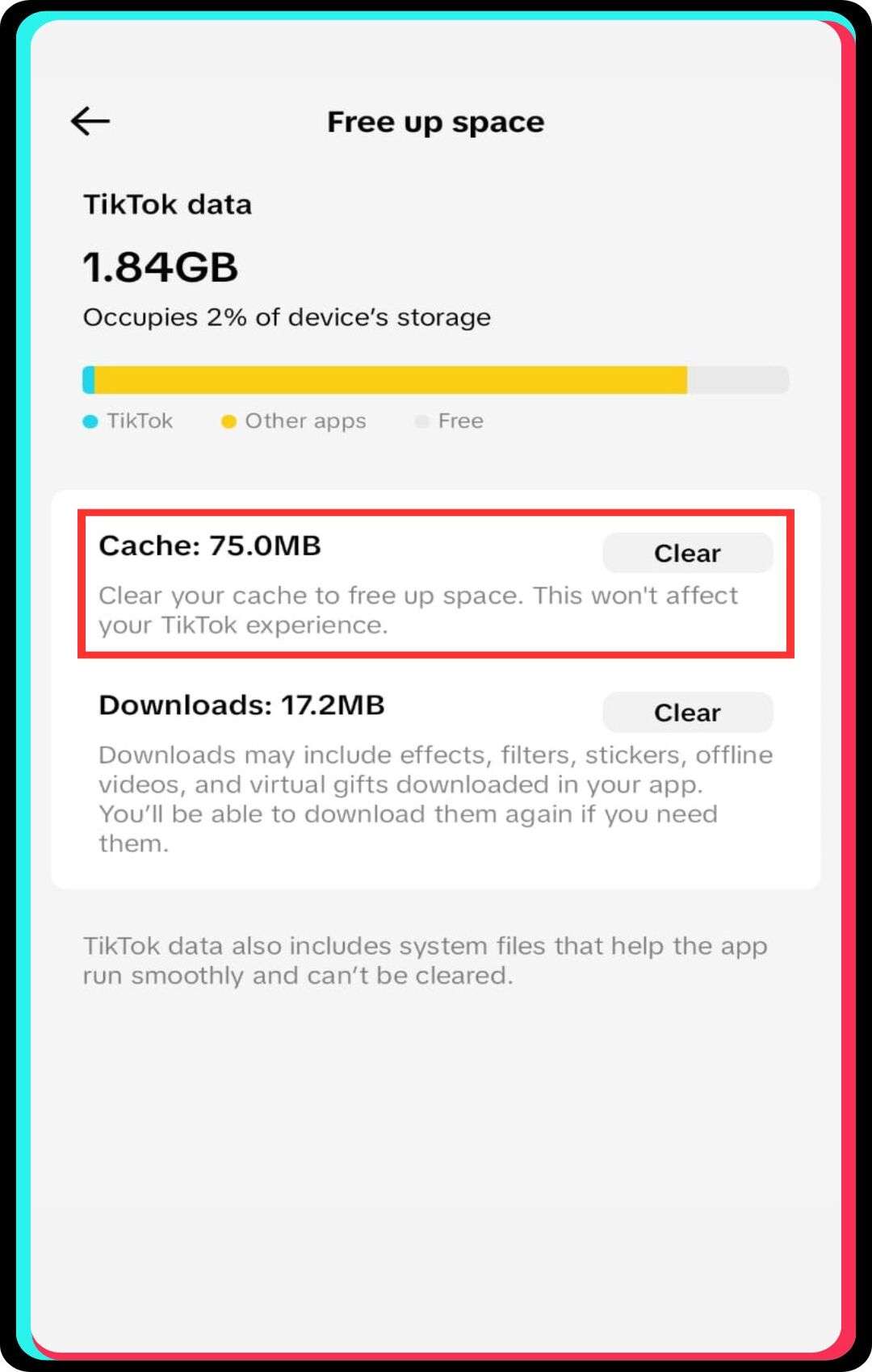
    2. Clear TikTok’s Cache

    clear tiktok's cache

    Deleting the TikTok app cache can fix issues related to reposts on TikTok. Cached data sometimes prevents features from working correctly, including the share button and repost tab.

    Steps to clear TikTok’s cache:

    • Open the TikTok app and go to your profile.
    • Tap the three-line menu in the top-right corner.
    • Select “Settings and Privacy” from the menu.
    • Scroll down and tap “Clear Cache.”
    • Restart the app and check if the repost option is available.

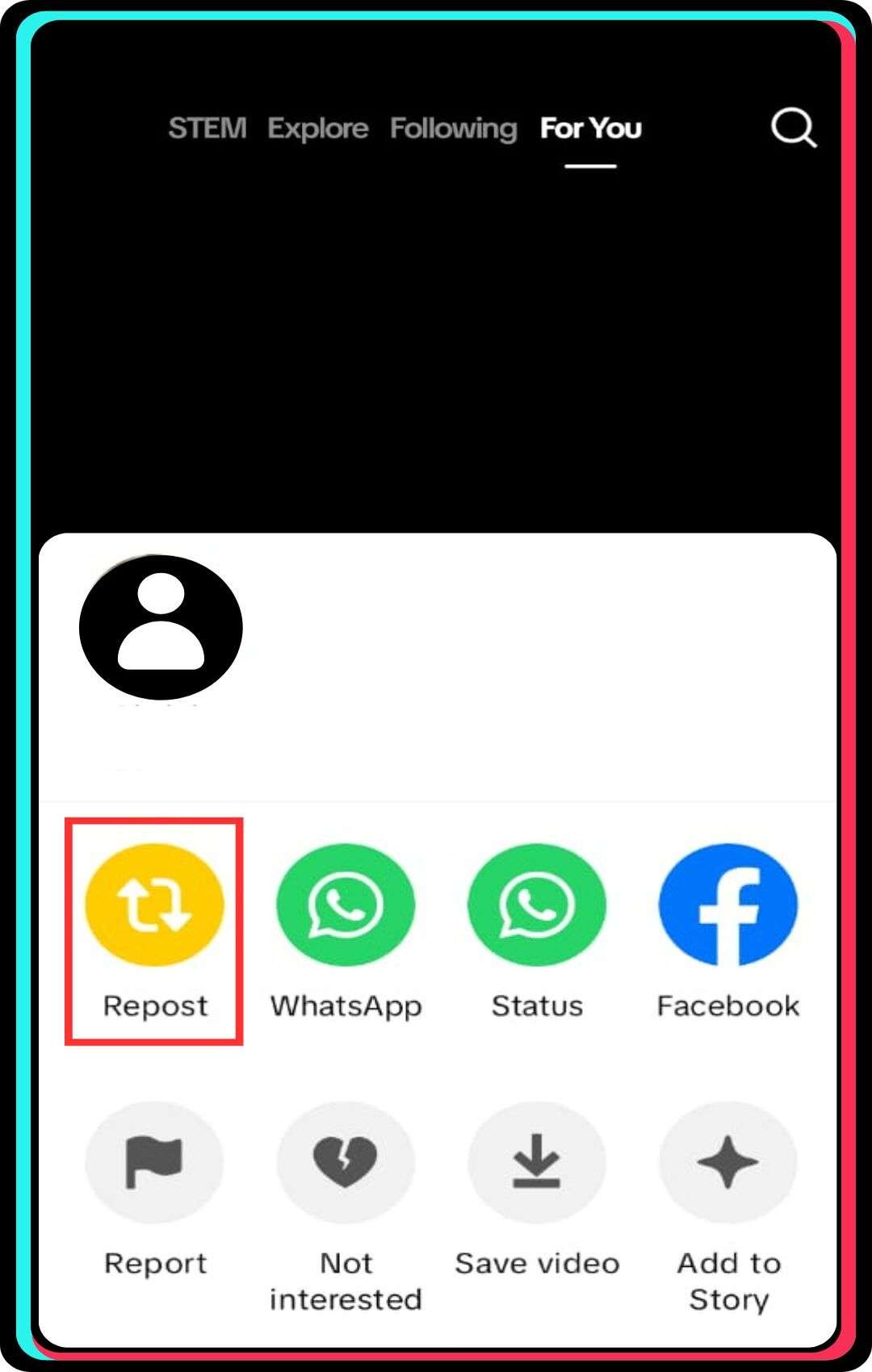
    3. Verify the Video’s Source

    Verify the Video's Source

    Not all videos on TikTok can be reposted. Some content with your followers might not be available for reposting due to creator restrictions or TikTok’s privacy settings.

    Steps to verify the video source:

    • Ensure the video is from the For You Page.
    • Check if the creator has disabled reposts.
    • Tap the share button to see if the yellow repost button appears.
    • Try reposting another video to check if the issue is video-specific.
    • If multiple videos have the same issue, consider TikTok’s account restrictions.

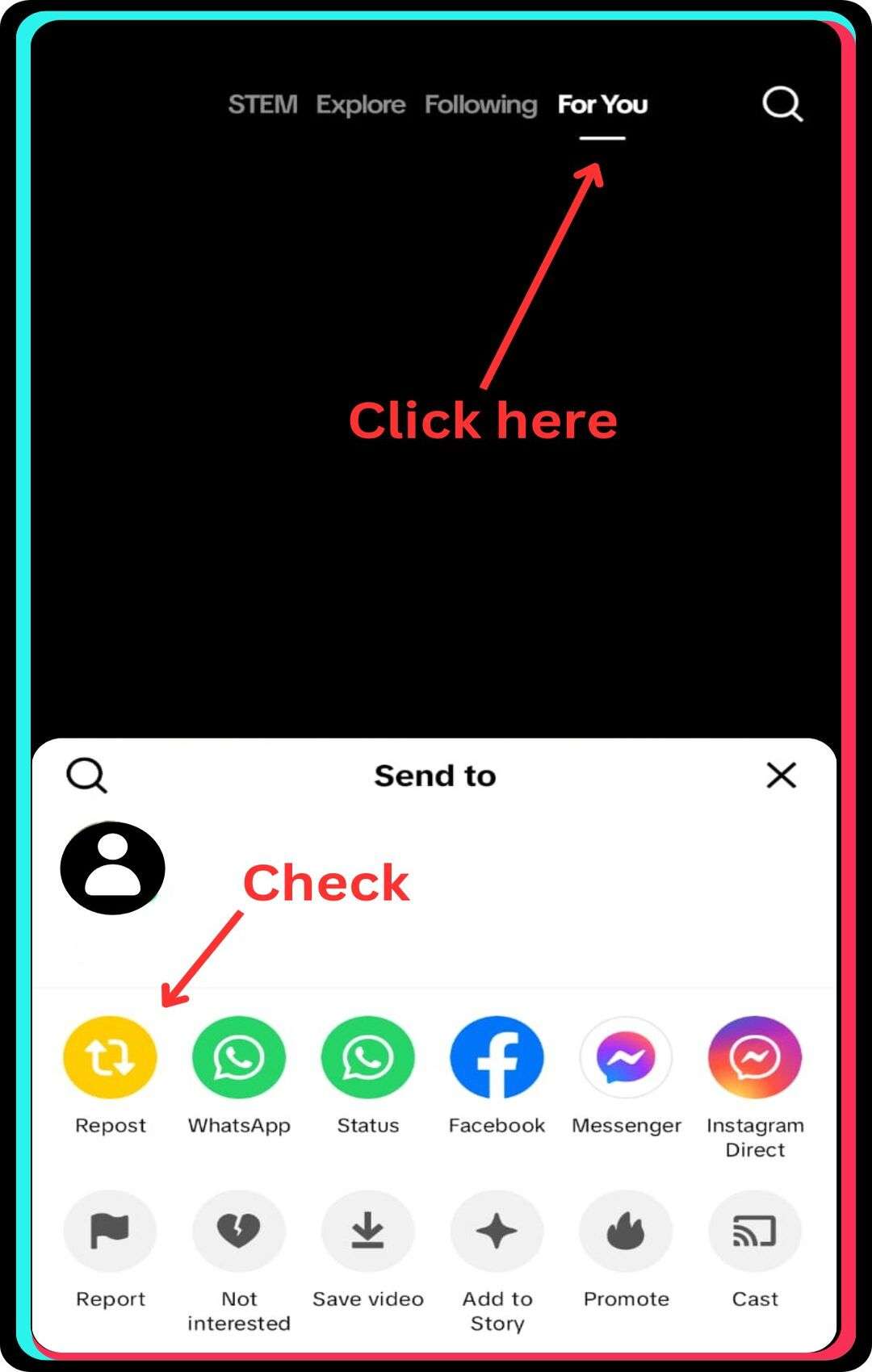
    4. Repost from the For You Page

    Repost from the For You Page

    The repost feature on TikTok is mainly designed for videos appearing on the For You Page, not from personal profiles or other sections. Reposting videos from different areas may not be supported.

    Steps to repost a video from the For You Page:

    • Scroll through the For You Page and find a video you want to repost.
    • Tap the share button at the bottom right corner.
    • If the yellow repost button appears, tap it to share the video.
    • Check your profile under the repost tab to confirm successful reposting.
    • If the repost option is still missing, try the troubleshooting methods mentioned earlier.

    5. Check Your Internet Connection

    Check Your Internet Connection

    A slow or unstable internet connection may cause the repost button on TikTok to not appear. Checking your network status ensures that TikTok’s app cache loads properly.

    Steps to check your internet connection:

    • Switch between Wi-Fi and mobile data to test connectivity.
    • Restart your router if using a home Wi-Fi network.
    • Run an internet speed test to check for slow speeds.
    • Turn on and off airplane mode to refresh your network.
    • Try using TikTok on another device to see if the issue persists.

    6. Reinstall TikTok

    Reinstall tiktok

    If all else fails, reinstalling the TikTok app can resolve reposting issues. This ensures a fresh installation, removing corrupted data that might cause TikTok’s repost issues.

    Steps to reinstall TikTok:

    • Press and hold the TikTok app icon on your device.
    • Tap “Uninstall” or “Remove App” to delete it.
    • Restart your device to clear temporary files.
    • Go to the App Store or Google Play Store.
    • Search for TikTok and reinstall the latest version.
    • Log in and check if the repost button is available.

    Why Some Videos on TikTok Cannot Be Reposted?

    Some videos on TikTok cannot be reposted due to content restrictions set by creators, privacy settings, or account types. Creators may disable the TikTok repost option, preventing others from resharing their content. Additionally, privacy settings that prevent sharing content restrict reposting for videos marked as private or meant for specific audiences.

    Differences between personal and business accounts in reposting also impact repost availability, as business accounts on TikTok have different rules for content distribution, limiting the ability to repost TikTok videos.

    Removing a Repost on TikTok

    Users can delete a reposted TikTok video if they shared it unintentionally. To find and delete a reposted video, tap the Share button, then select Remove Repost from the menu. After removing a repost, it no longer appears in the reposts tab or on followers’ feeds. However, limitations on undoing a repost after a certain time exist, meaning TikTok’s algorithm might retain engagement metrics even if the reposted content is deleted, impacting video visibility.

    How AI Influences the Repost Feature

    TikTok’s AI system determines content visibility and sharing options based on user interactions and engagement patterns. Algorithm-based restrictions on certain reposts prevent content from being reshared if flagged for violations or deemed inappropriate.

    Additionally, the role of AI in personalizing your For You feed ensures that only relevant videos appear, influencing TikTok’s repost algorithm. If TikTok’s AI detects repeated reposting of low-quality content, it may limit the user’s ability to repost on TikTok, affecting account reach.


    Contacting TikTok Support for Repost Issues

    If users cannot repost on TikTok, they can report concerns about reposting problems through the TikTok please fix option in settings. Using the feedback and TikTok Help Center for troubleshooting, users can check FAQs or submit a request detailing TikTok repost issues. If the problem persists, reaching out for account-specific restrictions is necessary, especially if TikTok’s algorithm has flagged the account. Users should contact support if they suspect a technical glitch affecting the TikTok repost button, ensuring a swift resolution.

    Best Practices for Reposting on Social Media Platforms

    • Ensure compliance with platform policies before reposting any content to avoid violations or restrictions on your account. TikTok’s algorithm monitors reposts, so following guidelines ensures that your repost button on TikTok remains functional without limitations on engagement.
    • Give proper credit to the original creator when reposting videos to maintain authenticity and ethical content sharing. Users struggling with the repost option on TikTok should verify whether the video on TikTok allows reshares before posting it.
    • Avoid excessive reposting within a short period, as social media platforms may flag the account for spam-like activity. TikTok doesn’t promote aggressive resharing, so repost TikTok videos moderately to maintain organic reach.
    • Regularly update the app to ensure that the repost feature functions correctly, preventing glitches or missing options. Many users tried to repost but failed due to outdated versions, so updating TikTok helps avoid such problems.
    • Monitor analytics to assess the performance of reposted content and adjust posting strategies accordingly. Reposts on TikTok can impact audience engagement, so analyzing insights ensures that shared content aligns with your account’s growth strategy.

    Conclusion

    The TikTok update occasionally removes or limits features, causing users to wonder, “Why can’t I repost on TikTok?” If you’re trying to grow your account, reposting can be essential for engagement, but TikTok’s algorithm sometimes prevents it. Issues may stem from the repost tab missing, account restrictions, or an outdated app. Clearing the TikTok app cache, reinstalling TikTok, or ensuring your app is updated can often fix the problem. If none of these methods work, search for TikTok support options and report the issue. Have you ever tried to repost a video on TikTok and faced this problem?

    FAQs

    1. Does deleting and reinstalling TikTok help with repost issues?
    Yes, reinstalling the app can resolve glitches, including problems with the repost feature.

    2. Why can’t I repost videos from a user’s profile?
    TikTok’s repost function is primarily available for videos on the For You Page, not directly from profiles.

    3. How do I report a problem with TikTok’s repost feature?
    Use the ‘Report a Problem’ option in TikTok’s settings to inform support about repost issues.

    4. Will the original creator know if I repost their video?
    Yes, TikTok notifies creators when their content is reposted by another user.

    5. Can I undo a repost on TikTok?
    Yes, you can remove a repost by tapping the share button on the video and selecting ‘Remove Repost’.


  • Social Media Outreach Strategy: Tips for Successful Campaigns

    Social Media Outreach Strategy: Tips for Successful Campaigns

    social media outreach

    Many businesses struggle to maximize social media outreach, missing valuable opportunities to build brand awareness and engage their audience. An effective strategy boosts engagement, website traffic, and conversions, while a lack of structure leads to wasted resources. A strong outreach plan leverages platforms like LinkedIn, Facebook, and Instagram to connect with potential customers. It includes personalized messaging, targeted ads, and credibility-building through professional profiles.

    This guide outlines key steps to enhance brand visibility, build trust, and drive meaningful interactions. Follow these strategies to turn social media outreach into a powerful digital marketing tool for lasting success.

    What is Social Media Outreach?

    Social media outreach refers to the strategic effort of connecting with individuals or groups through various social media platforms to promote a brand, product, or service. This approach focuses on building meaningful relationships with a target audience rather than merely advertising to them.

    Social media marketing utilizes LinkedIn, Instagram, and Twitter platforms to foster engagement and boost brand awareness. The primary aim of outreach efforts is to create genuine connections with prospects, influencers, and potential partners who align with your marketing strategy. However, spamming should be avoided to maintain credibility and build trust-based relationships.

    The Importance of Social Media Outreach in Digital Marketing

    Social media outreach is an integral component of digital marketing, enabling brands to connect with diverse audiences effectively. By building meaningful relationships, businesses can enhance their visibility and boost engagement rates across platforms like LinkedIn, Instagram, and Facebook. A thoughtful outreach strategy helps establish credibility while strengthening the brand’s online presence.

    Benefits of Social Media Outreach:

    • Build brand awareness and visibility: Regular engagement fosters recognition and trust among your audience, enhancing brand reputation.
    • Strengthen partnerships: Collaborating with influencers or media contacts creates mutually beneficial relationships, increasing your reach.
    • Increase website traffic: Redirecting followers to your website improves conversion rates and showcases your products or services effectively.

    A robust social media outreach strategy is essential for aligning efforts with overarching digital marketing goals. It ensures that businesses focus explicitly on their target audience, driving higher engagement rates and better outreach results. By prioritizing relevance and personalization, marketers can avoid spamming, which often damages brand credibility.

    Why a Clear Outreach Plan Matters:

    A structured plan provides a roadmap for reaching prospects in a meaningful and effective manner. When brands tailor their communication, they establish stronger connections that lead to long-term loyalty. Additionally, having a clear plan allows businesses to monitor progress and adjust tactics based on performance metrics.

    Crafting a Social Media Outreach Plan for Maximum Impact

    Effective social media outreach strategies are essential for boosting brand visibility and engagement online. Businesses aiming to build genuine connections can use tailored outreach efforts to engage their target audience. By carefully crafting messages and leveraging social platforms, organizations can foster meaningful relationships while enhancing their digital marketing approach.

    1. Understand Your Target Audience:

    Understanding your target audience is the foundation of any successful social media outreach strategy. Researching their demographics, interests, and behaviors ensures your messages resonate with them. Utilize tools like BuzzSumo to identify trends and influencers who align with your industry. Segment your prospect list to create personalized outreach messages and focus on connecting with audiences likely to be interested in your products or services. Evaluating the engagement rates of potential contacts will also help you prioritize the most promising opportunities.

    2. Optimize Your Social Media Profiles:

    Optimizing your social media profiles is crucial for building credibility and attracting attention. A professional profile photo that aligns with your brand’s tone is essential. Ensure your bio includes relevant keywords to enhance discoverability while also linking to your website to drive traffic. Consistency across all platforms strengthens your brand awareness, and showcasing your follower count can add to your credibility when appropriate.

    3. Create a Comprehensive Outreach Plan:

    Creating a comprehensive social media outreach plan ensures your efforts are structured and measurable. Begin by outlining your goals, such as increasing website traffic or boosting brand visibility. Identify the platforms most suited to your objectives, like LinkedIn and LinkedIn CRM for professional connections or Instagram for visual storytelling. Plan your outreach activities around significant events, campaigns, or product launches. Scheduling posts and messages ensures consistent communication, while selectively using social media ads can supplement your organic efforts.

    4. Personalize Your Outreach Efforts:

    Personalizing your outreach efforts helps your messages stand out and resonate with your audience. Generic messages are often ignored, so tailor each outreach message to the recipient. Address prospects by their name, mention their job title, and reference shared connections or mutual interests. Focus on providing value through your messages rather than solely promoting your products or services. Avoid spamming by keeping your communications thoughtful and relevant, and ensure every campaign prioritizes personalization.

    5. Build Relationships Before Asking for Collaboration:

    Building relationships before requesting collaborations ensures a foundation of trust and mutual respect. Start by engaging with their content on social media, such as liking, commenting, or sharing their posts. Reach out to people by acknowledging their achievements or contributions and provide value by sharing tips or resources related to your industry. Avoid pushing for partnerships too early, as building genuine connections takes time. Focus on creating a rapport that naturally leads to mutually beneficial collaborations.

    6. Leverage Social Media Tools and Analytics:

    Leveraging social media tools and analytics can significantly improve the effectiveness of your outreach efforts. Tools like BuzzSumo can help identify influencers and high-performing content. Analyze conversion rates to determine which efforts are delivering the best results. Compare follower engagement across platforms to focus on channels where you achieve the most impact. Evaluate the results of your outreach messages to refine future campaigns and use small-scale tests to optimize your strategy before implementing it broadly.

    7. Measure and Refine Your Strategy:

    Measuring and refining your social media outreach strategy ensures continuous improvement and effectiveness. Regularly monitor visibility and engagement metrics to assess the success of your campaigns. Track website traffic is driven by outreach links to understand which messages and platforms are performing best. Gather feedback from prospects to gain insights into how they perceive your outreach efforts. Adjust your strategies based on audience responses and use these insights to enhance your overall digital marketing approach.

    Tools to Help With Outreach

    Social Media Management Platforms:

    • Hootsuite:
      This platform allows you to manage multiple accounts across various social media platforms from a single dashboard. You can schedule posts for specific times to ensure consistent activity, monitor audience engagement through analytics, and respond to interactions directly. Additionally, it supports team collaboration, enabling multiple users to work on campaigns simultaneously.
    • Buffer:
      Buffer simplifies post-scheduling by providing a clean interface and drag-and-drop features for managing posts. It offers detailed analytics on audience behavior, such as optimal posting times and post-performance. Moreover, its integration with third-party tools ensures seamless campaign management across platforms.
    • Sprout Social:
      Sprout Social stands out for its robust analytics capabilities, which include detailed insights into engagement trends, audience demographics, and ROI metrics. Its built-in CRM feature enables brands to manage customer interactions effectively, while its scheduling tools ensure timely content delivery.

    Influencer Marketing Platforms:

    • BuzzSumo:
      This tool is ideal for identifying key influencers and understanding trending topics within your industry. It offers a comprehensive database of influencers, complete with engagement metrics and audience demographics, helping brands choose the right partners for collaborations.
    • Upfluence:
      Upfluence is designed to help brands find, analyze, and manage influencer partnerships. Its advanced search filters allow you to identify influencers based on niche, audience size, and engagement levels. The platform also tracks campaign performance, making it easier to measure ROI.
    • AspireIQ:
      AspireIQ simplifies influencer collaborations by providing tools to streamline communication, track deliverables, and monitor outcomes. Its campaign management dashboard ensures that every step of the influencer outreach process, from selection to reporting, is transparent and efficient.

    Content Creation Tools:

    • Canva:
      Canva is a powerful graphic design tool that allows users to create custom visuals for social media. It features a wide array of templates for posts, banners, and stories, which can be personalized with your brand’s colors, fonts, and imagery. Its drag-and-drop functionality makes it accessible even for non-designers.
    • Adobe Spark:
      Adobe Spark offers professional-quality tools for creating visually appealing content, such as short videos and infographics. It includes customizable templates and access to Adobe’s extensive stock library, making it a versatile option for marketers aiming to stand out.
    • Lumen5:
      Lumen5 is perfect for repurposing blog content into engaging video formats tailored for social media. It automatically selects key points from articles and pairs them with visuals and animations, reducing the time required to create shareable video content.

    Analytics and Monitoring Tools:

    • Google Analytics:
      Google Analytics tracks referral traffic from social media platforms, providing insights into user behavior and conversion rates. It allows you to set specific goals for campaigns, monitor progress in real-time, and refine strategies based on performance data.
    • Brand24:
      Brand24 monitors online mentions of your brand, offering insights into public sentiment and trending conversations. This helps you address customer concerns promptly and identify opportunities to join discussions relevant to your niche.
    • Social Mention:
      Social Mention provides a detailed analysis of your brand’s presence across multiple platforms. It tracks keywords, sentiment, and engagement metrics, giving you a clear picture of how your brand is perceived online.

    Enhancing Your Social Media Presence Over Time

    Building a strong social media presence demands a strategic approach and consistent effort. Leveraging social media platforms allows businesses to engage with audiences, enhance brand visibility, and drive traffic to their website. A well-structured social media outreach strategy is key to achieving these goals.

    Start with a Professional Profile:

    Your profile picture should convey professionalism, while a well-crafted bio highlights your expertise and services. Including a link to your website directs potential customers to explore your offerings. Ensure your social media accounts maintain consistency across platforms for better branding.

    Identify and Engage Your Target Audience:

    Begin by creating a list of people relevant to your industry. Use tools like BuzzSumo or LinkedIn to identify valuable contacts. Prioritize individuals based on their engagement potential rather than solely on follower count. Engaging with those likely to be interested in your brand fosters meaningful connections.

    Build Credibility and Awareness:

    Social media outreach enables you to engage directly with your audience, enhancing trust and credibility. Sharing valuable, industry-related content and asking them to share your posts can amplify your reach. Actively responding to comments and interacting with followers reinforces your brand’s reliability.

    Personalize and Optimize Outreach:

    Tailor outreach messages to align with recipients’ interests, using their job title or achievements for personalization. Additionally, using social media ads helps target specific demographics, boosting conversion rates and extending reach. Monitor and refine campaigns to ensure effective outreach results.

    Conclusion:

    An effective social media outreach strategy can significantly enhance brand visibility, increase engagement, and drive meaningful connections with your audience. By tailoring outreach messages, utilizing social media ads, and leveraging the right platforms, you can boost website traffic and improve conversion rates. The steps outlined in this guide offer a clear path to optimizing your outreach efforts and achieving your marketing goals. Now it’s your turn to take action—evaluate your current strategy, implement these techniques, and track your results. What’s the first change you’ll make to ensure your social media outreach delivers measurable success?

    FAQs

    1. Can outreach be done without ads?
    Yes, you can engage with your audience organically through posts and interactions.

    2. What kind of content works best for outreach?
    Engaging, relevant, and easy-to-share content performs well on social media.

    3. How often should you post for outreach?
    Regular and consistent posting keeps your audience engaged and interested.

    4. What is the main goal of social media outreach?
    The goal is to reach others, share ideas, and build connections.

    5. Is social media outreach difficult to learn?
    No, with practice and the right approach, anyone can use it successfully.

  • 10 Local Restaurant SEO Tips To Boost Online Presence

    10 Local Restaurant SEO Tips To Boost Online Presence

    restaurant seo

    Are you finding it hard to get your restaurant website to the top of search results? For restaurant owners, being visible online isn’t just an option, it’s a necessity. Many diners search for local restaurants online before deciding. And if your restaurant isn’t ranking high on search engines, you’re likely missing out on valuable traffic to your website and, ultimately, customers. A well-rounded restaurant SEO strategy, from optimizing your Google Business Profile to implementing local search keywords, can make all the difference in boosting your online presence.

    Whether you’re looking to drive more online orders or increase foot traffic, these 10 Restaurant SEO tips will guide you through simple, effective steps to improve search rankings, making your restaurant easier to find online. Dive into this guide to discover the best practices that can bring your restaurant name to the top of search results.

    What is Restaurant SEO?

    Search Engine Optimization (SEO) is enhancing a website to improve its visibility on search engines like Google. For restaurants, local SEO is critical because it directly impacts how easily local customers can find them online. This strategy involves optimizing a restaurant’s website and Google Business Profile, enabling it to rank higher in local search results.

    Optimizing a restaurant website for SEO involves using relevant keywords sparingly and structuring content effectively. Focus on clear, concise information about the business, such as hours of operation, menu options, and contact details. Moreover, adding an online ordering option can make the restaurant more accessible, potentially attracting more local customers.

    The Importance of Restaurant SEO for Growth

    SEO holds undeniable value for restaurants by boosting their online presence and visibility. In a crowded market, local SEO plays a critical role in reaching nearby customers searching for dining options. Optimizing a restaurant website and Google Business Profile helps restaurant owners appear in local search results, thereby attracting potential customers actively seeking their cuisine.

    Local SEO strategies benefit restaurants by helping them rank higher in local search, thus reaching more potential customers. Additionally, strong SEO efforts build a foundation for a broader marketing strategy, which further enhances online visibility. For restaurant owners aiming to thrive in the competitive restaurant industry, these SEO strategies are essential for success.

    10 Local Restaurant SEO Tips To Boost Online Presence

    1. Use Relevant Keywords for Local Search:

    Choosing relevant keywords for your restaurant website is essential for capturing the attention of local customers. Incorporate terms that reflect your restaurant’s unique features, such as cuisine type (e.g., “Italian restaurant,” “Mexican restaurant”), location, and popular dishes.

    Including these keywords in your website’s content and metadata increases visibility in local search results, helping nearby potential customers discover your restaurant when searching for dining options.

    Additionally, keywords that highlight your restaurant’s special offerings or ambiance, like “family-friendly Italian restaurant,” can make your listing more attractive to specific audiences, giving you a competitive edge in the local market.

    2. Identify Your Target Customers:

    Identifying your target customers is essential for successful local SEO on a restaurant website. Focus on understanding local demographics like age, income, and lifestyle to create a tailored marketing strategy. Analyze competitors’ local search rankings to gain insight into what attracts local customers.

    Consider cultural preferences if you operate a niche restaurant like Mexican or Italian. Finally, ensure your website includes updated business listings, contact information, and links to social media to reach potential customers effectively.

    3. Create Location-Specific Content:

    Crafting content that emphasizes your restaurant’s specific location can substantially enhance its local SEO performance. When potential diners search for nearby dining choices, content optimized with your location makes your restaurant more visible in local search results.

    Mentioning your neighborhood, city, and notable nearby landmarks on your website and social media channels further helps local customers discover your restaurant online. Additionally, such content signals to search engines that your business is a relevant, accessible option in the area, thereby boosting your chances of reaching a wider audience.

    4. Optimize Your Google Business Profile:

    Optimizing your Google Business Profile effectively enhances your restaurant’s local visibility, drawing nearby customers. Begin by ensuring that your business name, address, and contact information are accurate, updated, and consistent across online listings. These details make it simpler for potential customers to locate your restaurant when they search online.

    To further boost your profile, regularly post updates, such as special offers, new menu items, or events your restaurant might be hosting. These updates keep your profile active and offer reasons for customers to revisit your page, thus maintaining ongoing engagement.

    5. Ensure Consistent Business Listings Across Platforms:

    Consistency across business listings is crucial for restaurant SEO success, as accurate information improves search visibility. To boost your online presence, ensure your restaurant’s name, address, and phone number (NAP) remain identical on platforms like Google My Business, Yelp, and TripAdvisor. Inconsistent details can confuse both search engines and potential customers, negatively impacting your restaurant’s online visibility.

    Additionally, listing your restaurant in online directories helps capture local traffic, particularly from customers searching nearby. Moreover, local festivals and events provide excellent opportunities to update your listings with special offers or seasonal menus, which can drive additional interest.

    6. Focus on Customer-Centric SEO Strategies:

    To effectively grow your restaurant’s online presence, a robust customer-centric SEO strategy is essential. Local SEO techniques can help your restaurant appear prominently in search results, making it easier for nearby customers to find your restaurant online.

    By focusing on on-page SEO, you ensure relevant keywords are seamlessly included in headings, descriptions, and meta tags, which improves search rankings. 

    Optimizing for mobile devices is vital since many users search for restaurants on the go; a responsive, fast-loading mobile website ensures accessibility for these customers. 

    7. Add Structured Data for Rich Snippets:

    To optimize website content for rich snippets, implementing structured data is essential. Structured data organizes information in a way that search engines understand, making it easier to present relevant details on search result pages. Therefore, businesses can significantly enhance their online visibility by integrating structured data elements. For instance, applying schema markup helps highlight specific content like product reviews, star ratings, and pricing, all of which attract user attention.

    Moreover, structured data types vary based on content needs. For instance, a local business can use LocalBusiness schema, whereas an article page might benefit from using Article schema. This customization allows for relevant information to be displayed directly, making search results more informative and actionable for users.

    8. Attract Reviews to Boost Local Search Results:

    For restaurants aiming to boost local search results, attracting customer reviews is key to enhancing online visibility. Positive feedback builds credibility and encourages new patrons to visit, making reviews a powerful tool for reputation. After dining, staff can politely ask guests to share their experiences online. Sending follow-up messages or emails with review links also increases engagement.

    Additionally, offering incentives like small discounts on future visits can motivate customers to leave reviews. Regularly responding to feedback, whether positive or negative, demonstrates care and professionalism. Altogether, a proactive review strategy helps restaurants stand out, strengthening their position in local search rankings.

    9. Leverage Social Media for Local SEO Traffic:

    Social media is essential for restaurants aiming to increase local SEO traffic and attract nearby customers. Regular posts showcasing daily specials, events, or popular dishes, tagged with localized hashtags, can boost visibility within the community.

    Using popular social media apps like Facebook, X, and Instagram and engaging with local food influencers brings the restaurant closer to potential diners in the area, driving brand recognition. Consistently updated social profiles, including location, contact details, and hours, build trust and improve search engine accuracy. 

    Encouraging diners to tag the restaurant in their photos or leave reviews enhances credibility, creating valuable user-generated content that attracts more locals and strengthens the restaurant’s online presence.

    10. Track SEO Performance and Adjust Strategies:

    Monitoring SEO performance for a restaurant website is essential to attract and retain customers. Regularly reviewing metrics like organic traffic, keyword rankings, and online bookings helps gauge how well the site is reaching diners and driving reservations. For instance, tracking keywords related to location, menu items, and dining experiences can reveal which search terms are bringing in local customers.

    To optimize further, use tools like Google Analytics to understand user behavior on the site. Adjusting strategies based on these insights—such as updating menu-focused keywords or enhancing local SEO—ensures the restaurant remains visible and appealing to new and returning guests.

    Conclusion

    Applying these 10 SEO tips can transform your restaurant’s online visibility, helping you rank higher and attract more customers. By refining your Google Business Profile, focusing on relevant keywords, and keeping up with local SEO best practices, you’ll build a strong online presence that appeals to both new and returning customers. Boosting your search engine ranking isn’t just about being found—it’s about becoming the go-to restaurant for local diners. Are you ready to make SEO part of your restaurant’s winning strategy? Which of these Restaurant SEO tactics will you start implementing first to grow your restaurant’s reach?

    FAQs

    1. Why is a mobile-friendly website important for local businesses?
    Mobile-friendly sites provide a better experience for users searching on phones, which boosts engagement.

    2. How do high-quality photos impact customer decisions online?
    Clear, appealing photos attract customers by providing a visual impression of the business.

    3. Can online booking or ordering features enhance a business’s SEO?
    Yes, they improve user experience, which can lead to higher engagement and better SEO performance.

    4. What role do backlinks play in SEO for local businesses?
    Backlinks from reputable sources enhance credibility, improving the business’s ranking potential.

    5. How can blogging benefit a local business?
    Blogs provide helpful information, engage readers, and can attract more visitors to the website.

  • 100 Best Inspirational Quotes for Men in 2025

    100 Best Inspirational Quotes for Men in 2025

    Inspirational Quotes for Men

    Inspirational quotes for men can turn doubt into determination. Some days feel impossible as motivation fades, setbacks pile up, and confidence drops. But positive words can shift your mindset. Studies show that motivational affirmations improve focus and help in high-pressure moments. Even successful leaders rely on daily reminders to stay driven.

    If you’re looking for something to keep you moving forward, these inspiring words can help. They build inner strength, sharpen decision-making, and push you toward success. Whether it’s work, leadership, or perseverance, there’s wisdom for every situation.

    Here are 100 powerful Inspirational quotes for men to keep you motivated. Find the ones that push you forward!

    What is Inspiration?

    Inspiration isn’t just about feeling motivated for a moment it is all about finding something that actually pushes you to succeed in life. Some days, everything seems to be going wrong, and it’s easy to doubt yourself. But that’s when the right words can make all the difference. Motivational quotes from successful people show that failure isn’t the opposite of success it is part of the process. If you want to make the right decisions in tough times, you need inner strength and the mindset to keep pushing forward. Inspirational quotes for men can help you remind that you’re capable of more than you think.

    Best Inspirational Quotes for Men in 2025

    If there’s one thing successful men agree on, it’s that success doesn’t come easy. It takes patience, resilience, and the courage to step out of your comfort zone. Inspirational quotes for men can push you when doubt creeps in, especially when the road gets tough. Men often question whether they’re on the right path, but the truth is, every challenge is just a step forward. Daily motivational reminders can make a huge impact, whether it’s in work, personal growth, or simply finding purpose. So, if you’re looking for motivation, these words from successful people might be exactly what you need.

    Inspirational Quotes for Men on Work and Ambition:

    1. “The way to do great work is to love what you do.” – Steve Jobs
    2. “Opportunity is missed by most people because it is dressed in overalls and looks like work.” – Thomas Edison
    3. “Without ambition, one starts nothing. Without work, one finishes nothing.” – Ralph Waldo Emerson
    4. “Success is walking from failure to failure with no loss of enthusiasm.” – Winston Churchill
    5. “The only thing standing between you and success is the story you keep telling yourself.” – Jordan Belfort
    6. “Hard work beats talent when talent doesn’t work hard.” – Tim Notke
    7. “Success is not final, failure is not fatal: it is the courage to continue that counts.” – Winston Churchill
    8. “You have brains in your head. You have feet in your shoes. You can steer yourself any direction you choose.” – Dr. Seuss
    9. “Do not wait for the right opportunity. Create it.” – George Bernard Shaw
    10. “If you want to achieve greatness, stop asking for permission.” – Anonymous
    11. “Dream big, work hard, stay focused, and surround yourself with good people.” – Anonymous
    12. “The price of success is hard work, dedication, and determination to give your best.” – Vince Lombardi
    13. “There’s still going to be struggle, but work with passion, and you’ll see progress.” – Anonymous
    14. “Success usually comes to those who are too busy to be looking for it.” – Henry David Thoreau
    15. “If you are not willing to risk the usual, you will have to settle for the ordinary.” – Jim Rohn

    Motivational Quotes for Men About Success:

    1. “Success is not how high you have climbed, but how you make a positive difference.” – Roy T. Bennett
    2. “The opposite of success is not failure; it’s quitting.” – Anonymous
    3. “A man is not finished when he is defeated. He is finished when he quits.” – Richard Nixon
    4. “Successful men do what unsuccessful men are not willing to do.” – Jeff Olson
    5. “Failure is not the opposite of success, it’s part of success.” – Arianna Huffington
    6. “Every successful person was once an unknown person who refused to give up.” – Anonymous
    7. “Successful people keep moving. They make mistakes but never quit.” – Conrad Hilton
    8. “The only limit to our realization of tomorrow is our doubts of today.” – Franklin D. Roosevelt
    9. “Great things never come from comfort zones.” – Anonymous
    10. “The secret of success is to do the common things uncommonly well.” – John D. Rockefeller
    11. “Want to be successful? Work harder than anyone else and never stop learning.” – Anonymous
    12. “There is no secret to success. It is the result of preparation, hard work, and learning from failure.” – Colin Powell
    13. “Your willingness to look at your darkness is what empowers you to change.” – Iyanla Vanzant
    14. “Success is not just about making money. It’s about making a difference.” – Anonymous
    15. “You are only one decision away from a completely different life.” – Anonymous

    Inspirational Quotes About Life:

    1. “The two most important days in your life are the day you’re born and the day you find out why.” – Mark Twain
    2. “Life is 10% what happens to you and 90% how you react to it.” – Charles R. Swindoll
    3. “Your time is limited, so don’t waste it living someone else’s life.” – Steve Jobs
    4. “Happiness is not something ready-made. It comes from your own actions.” – Dalai Lama
    5. “Success is getting what you want. Happiness is wanting what you get.” – Dale Carnegie
    6. “Do what you can, with what you have, where you are.” – Theodore Roosevelt
    7. “Sometimes later becomes never. Do it now.” – Anonymous
    8. “He who has a why to live can bear almost any how.” – Friedrich Nietzsche
    9. “Everything seems to be going against you until you realize it’s setting you up for something greater.” – Anonymous
    10. “Life’s most persistent and urgent question is: What are you doing for others?” – Martin Luther King Jr.
    11. “Doubt kills more dreams than failure ever will.” – Suzy Kassem
    12. “You were born to be real, not perfect.” – Anonymous
    13. “Your life does not get better by chance; it gets better by change.” – Jim Rohn
    14. “The best way to predict the future is to create it.” – Peter Drucker
    15. “You’ll screw up royally, but that’s part of the process. Keep going.” – Anonymous

    Inspirational Quotes for Strength and Resilience:

    1. “Do not pray for an easy life; pray for the strength to endure a difficult one.” – Bruce Lee
    2. “Strength does not come from physical capacity. It comes from an indomitable will.” – Mahatma Gandhi
    3. “You never know how strong you are until being strong is your only choice.” – Bob Marley
    4. “What lies behind us and what lies before us are tiny matters compared to what lies within us.” – Ralph Waldo Emerson
    5. “Sometimes you don’t realize your own strength until you come face to face with your greatest weakness.” – Susan Gale
    6. “Courage is resistance to fear, mastery of fear, not absence of fear.” – Mark Twain
    7. “Fall seven times, stand up eight.” – Japanese Proverb
    8. “Resilience is knowing that you are the only one who has the power to pick yourself back up.” – Mary Holloway
    9. “Although the world is full of suffering, it is also full of overcoming it.” – Helen Keller
    10. “The strongest people are not those who show strength in front of us but those who win battles we know nothing about.” – Anonymous
    11. “Hard times create strong men.” – G. Michael Hopf
    12. “Keep your face always toward the sunshine, and shadows will fall behind you.” – Walt Whitman
    13. “Pain is temporary. Quitting lasts forever.” – Lance Armstrong
    14. “It is not the strength of the body that counts, but the strength of the spirit.” – J.R.R. Tolkien
    15. “Tough times never last, but tough people do.” – Robert H. Schuller

    Best Inspirational Quotes for Women

    inspirational quotes for women
    1. “The most courageous act is still to think for yourself. Aloud.” – Coco Chanel
    2. “Above all, be the heroine of your life, not the victim.” – Nora Ephron
    3. “A strong woman looks a challenge in the eye and gives it a wink.” – Gina Carey
    4. “Do not wait for someone else to come and speak for you. It’s you who can change the world.” – Malala Yousafzai
    5. “You have to believe in yourself when no one else does—that makes you a winner right there.” – Venus Williams
    6. “I am thankful for my struggle because, without it, I wouldn’t have stumbled across my strength.” – Alex Elle
    7. “A woman is the full circle. Within her is the power to create, nurture, and transform.” – Diane Mariechild
    8. “There is no limit to what we, as women, can accomplish.” – Michelle Obama
    9. “If you want something said, ask a man. If you want something done, ask a woman.” – Margaret Thatcher
    10. “You may not control all the events that happen to you, but you can decide not to be reduced by them.” – Maya Angelou
    11. “She remembered who she was and the game changed.” – Lalah Delia
    12. “Think like a queen. A queen is not afraid to fail. Failure is another stepping stone to greatness.” – Oprah Winfrey
    13. “Do what you feel in your heart to be right—for you’ll be criticized anyway.” – Eleanor Roosevelt
    14. “A girl should be two things: who and what she wants.” – Coco Chanel
    15. “Some women choose to follow men, and some choose to follow their dreams. If you’re wondering which way to go, remember that your career will never wake up and tell you it doesn’t love you anymore.” – Lady Gaga

    Inspirational Quotes for Students

    Inspirational Quotes for Students
    1. “The beautiful thing about learning is that no one can take it away from you.” – B.B. King
    2. “Education is the most powerful weapon which you can use to change the world.” – Nelson Mandela
    3. “It always seems impossible until it’s done.” – Nelson Mandela
    4. “You don’t have to be great to start, but you have to start to be great.” – Zig Ziglar
    5. “Success is not the key to happiness. Happiness is the key to success.” – Albert Schweitzer
    6. “The expert in anything was once a beginner.” – Helen Hayes
    7. “Work hard in silence, let success make the noise.” – Frank Ocean
    8. “The best way to predict the future is to create it.” – Peter Drucker
    9. “Develop a passion for learning. If you do, you will never cease to grow.” – Anthony J. D’Angelo
    10. “Your education is a dress rehearsal for a life that is yours to lead.” – Nora Ephron
    11. “Success is getting what you want. Happiness is wanting what you get.” – Dale Carnegie
    12. “Be a student as long as you still have something to learn, and this will mean all your life.” – Henry L. Doherty
    13. “The only thing standing between you and your goal is the story you keep telling yourself.” – Jordan Belfort
    14. “You have brains in your head. You have feet in your shoes. You can steer yourself any direction you choose.” – Dr. Seuss
    15. “Failure is not the opposite of success; it’s part of success.” – Arianna Huffington

    Best Motivational Short Quotes

    1. “Success is not final, failure is not fatal: it is the courage to continue that counts.”Winston Churchill
    2. “Start where you are. Use what you have. Do what you can.” – Arthur Ashe
    3. “Opportunities don’t happen. You create them.” – Chris Grosser
    4. “The way to get started is to quit talking and begin doing.”Walt Disney
    5. “Don’t let yesterday take up too much of today.” – Will Rogers
    6. “The only limit to our realization of tomorrow is our doubts of today.”Franklin D. Roosevelt
    7. “Everything you can imagine is real.” – Pablo Picasso
    8. “Hard work beats talent when talent doesn’t work hard.” – Tim Notke
    9. “Dream big and dare to fail.” – Norman Vaughan
    10. “Doubt kills more dreams than failure ever will.” – Suzy Kassem

    Wrapping Up

    Inspirational quotes for men can do more than just lift your mood, they can reshape your mindset and push you forward. But reading them isn’t enough. The real impact comes when you apply them daily, turning words into action. Success isn’t about avoiding setbacks; it’s about staying persistent despite them.

    Take a few quotes from this list and make them part of your daily habits. Let them guide your choices, build resilience, and keep you motivated. Which quote resonated with you the most? Drop it in the comments and let’s inspire each other!

    FAQs

    1. Can quotes about life improve men’s outlook and attitude?
    Reflecting on life-centric quotes can offer new perspectives and enhance positivity.

    2. Do short quotes have the same impact as longer ones?
    Concise quotes can be powerful, delivering impactful messages effectively.

    3. How do quotes for work differ from general motivational quotes?
    Work-related quotes specifically address professional challenges and aspirations.

    4. Are there quotes that emphasize the importance of personal growth for men?
    Many quotes highlight the significance of continuous improvement and learning.

    5. Can humorous motivational quotes be effective?
    Yes, they can uplift spirits and provide motivation with a lighthearted touch.

  • Link Metrics: Essential Tips for Successful Link Building

    Link Metrics: Essential Tips for Successful Link Building

    link metrics

    Why do some websites consistently rank higher on search engines, even with comparable content and strategies? The underlying factor often lies in mastering link metrics—a cornerstone of successful SEO.  91% of web pages receive no organic traffic, primarily due to weak or irrelevant backlink profiles. Many marketers focus on quantity over quality, neglecting essential metrics like domain authority, trustworthiness, and contextual relevance. This oversight can waste valuable resources while yielding little to no results.

    The solution is clear: prioritize understanding and measuring link metrics to craft a targeted, results-driven link-building strategy. By focusing on high-quality backlinks and analyzing metrics effectively, businesses can improve rankings, drive traffic, and achieve sustainable growth. This article provides a comprehensive guide to help you evaluate and leverage link metrics, ensuring your SEO efforts translate into measurable success. Dive in to uncover the essentials of building a winning link profile.

    What Are Link Metrics? 

    Link metrics are crucial to SEO performance, helping website owners measure and enhance their online presence. These metrics provide insight into the effectiveness of your link-building efforts and help you identify areas for improvement. Understanding and utilizing these parameters can elevate your search engine rankings, ensuring your site performs competitively. 

    Accurate measurement of link profiles ensures that SEO strategies align with your goals. These metrics evaluate the authority score, number of links, and overall quality of backlinks pointing to your website. High-quality backlinks improve rankings and help establish credibility in your niche. Conversely, poor-quality links may harm your site’s performance despite efforts to build more links. 

    Focus on acquiring high-quality backlinks from search engines like Google-recognized websites to enhance your site’s authority score. Analyze your competitors’ link profiles to identify opportunities for growth in your specific niche. Using an SEO tool, regularly monitor the number of referring domains and assess whether they contribute positively to your overall SEO strategy. 

    Core Elements of Link Metrics for SEO Success:

    1. Domain Authority:

    Domain authority measures a website’s potential to rank in search engine results, developed by Moz. This score, ranging from 1 to 100, provides insight into your website’s credibility. Higher domain authority means a greater likelihood of achieving top positions in search engines like Google. It is calculated by evaluating various factors, including the quality and quantity of referring domains linking to your website. Although it is not a direct ranking factor, it correlates with higher search engine rankings. A strategic link-building approach can improve domain authority, thereby strengthening your website’s visibility and performance in search results.

    2. Page Authority:

    Page authority focuses on individual pages, predicting their ability to rank on search engine result pages (SERPs). This metric, similar to domain authority, is also scored on a scale of 1 to 100 and depends on factors like the quality of inbound links to the page. Unlike domain authority, which evaluates an entire domain, page authority assesses a specific page’s potential impact. Improving page authority requires obtaining relevant, high-quality links to the target page. SEO practitioners should focus on creating compelling content that attracts valuable backlinks, ultimately boosting the page’s visibility and search engine performance.

    3. Anchor Text Usage:

    Anchor text, the clickable portion of a hyperlink, is crucial for communicating content relevance to search engines. Proper usage of anchor text enhances the relationship between the linked and linking pages, signaling context to search engines like Google. Including varied, contextually appropriate anchor texts is an effective strategy to boost your SEO efforts. However, over-optimized anchor text can lead to penalties, making moderation essential. Using descriptive and niche-relevant terms in anchor texts ensures the links appear natural. This balance strengthens the credibility of your link profile while improving rankings in search engine result pages.

    4. Link Equity:

    Link equity refers to the value or authority passed from one page to another through hyperlinks. This metric highlights the importance of high-quality backlinks in boosting a website’s authority and search rankings. Search engines analyze the distribution of link equity to evaluate the credibility of your website. Links from authoritative domains carry more equity compared to low-quality or spammy sources. While nofollow links do not transfer equity, they still contribute to traffic and brand visibility. Focusing on acquiring high-quality links helps maintain a balanced link profile and enhances your website’s overall performance in search engine results.

    5. Referring Domains and Linking Root Domains:

    Referring domains and linking root domains indicate the diversity and quality of websites linking to your site. It represents websites providing backlinks while linking root domains count unique sources of links. Both metrics play a significant role in SEO performance, as search engines favor diverse link profiles. A greater number of high-quality referring domains signals trustworthiness and relevance. Building links from niche-relevant domains is particularly important for maintaining authority in your specific industry. However, obtaining multiple links from a single domain is less impactful than acquiring links from diverse, authoritative sources.

    6. Number of Links and Link Count:

    The total number of links pointing to your website is a fundamental metric in SEO analysis. However, emphasizing quality over quantity is crucial, as low-quality links can negatively impact search engine rankings. Link count reflects the sheer volume, but links from spammy sources should be avoided. Instead, focus on acquiring relevant links from authoritative domains to improve link equity and domain authority. Regularly monitoring and auditing the links pointing to your website ensures a healthy link profile. Search engines prioritize websites with diverse, high-quality links, making this metric essential for sustainable SEO success.

    7. Authority Score:

    The authority score measures the overall strength, trustworthiness, and quality of your website’s link profile. Search engines use this score to assess your site’s reliability and determine its position in search results. Websites with high authority scores are more likely to rank higher in search engine result pages. Factors influencing the authority score include the number of referring domains, the quality of backlinks, and anchor text relevance. Regularly auditing your site’s authority score helps identify areas for improvement. Focus on obtaining high-quality links from credible sources to boost your authority score and enhance your search engine visibility.

    8. High-Quality Links:

    High-quality links are backlinks from reputable, authoritative, and niche-relevant domains. Search engines prioritize these links because they signify trustworthiness and relevance. Links from spammy or irrelevant sources, however, can harm your rankings. Acquiring high-quality links requires creating valuable, shareable content and building relationships with reputable websites in your niche. These links not only improve your link profile but also enhance traffic and user engagement. Regularly reviewing the quality of your backlinks ensures that your link-building efforts align with search engine requirements. Maintaining a focus on quality over quantity is key to achieving long-term SEO success.

    Crafting a Strategy Based on Link Metrics:

    An effective link-building strategy requires understanding key link metrics. These metrics help assess backlink quality and their impact on SEO. Analyzing backlinks ensures they come from relevant, authoritative sources. This data-driven approach enhances decision-making, improves website credibility, and boosts search rankings.

    Understanding Key Metrics

    Key metrics measure link-building success. Domain authority predicts ranking potential, while trust flow assesses backlink trustworthiness. Link relevance ensures contextual connections, and the number of backlinks indicates website popularity. These factors guide strategic link acquisition for better SEO performance.

    Prioritizing Link Acquisition Efforts

    Focus on acquiring high-quality backlinks from reputable sources. Relevant links from industry-related websites boost rankings. Backlinks from top-ranking sites pass significant link equity. Natural link placements enhance credibility, ensuring long-term SEO benefits and improved visibility.

    Avoiding Link Farms and Low-Value Backlinks

    Avoid link farms and spammy backlinks that harm SEO. Low-quality links can trigger search engine penalties. Instead, prioritize authoritative sources that add value. Quality links improve rankings, credibility, and long-term website growth.

    Tools to Measure Success

    Tools like Moz’s Link Explorer assess backlink quality and authority. Trust flow metrics evaluate link trustworthiness. These tools track backlink quantity, linking domains, and overall link value, helping refine SEO strategies for better rankings.

    Actionable Tips for Building Links

    • Target relevant industry websites for better link relevance.
    • Acquire links from authoritative sites to boost domain authority.
    • Focus on linking to key pages for maximum impact.
    • Regularly analyze backlinks to maintain quality.
    • Avoid spammy sites and link farms that hurt SEO.

    Measuring the Value of a Link

    A link’s value depends on relevance, authority, and quality. Links from related, high-authority websites offer better SEO benefits. Metrics like trust flow and domain authority help gauge link effectiveness, ensuring strong ranking improvements.

    The Future of Link Metrics in SEO

    Changes in Link Metrics Evaluation:

    Search engines prioritize link quality, relevance, and user engagement over sheer volume. Behavioral data like bounce rates and dwell time influence rankings. Businesses must focus on natural, diverse link profiles and content-driven backlinks while avoiding outdated or spammy tactics.

    • Content-driven links earned through high-quality material rank higher than links built through outdated practices.
    • Spammy links or link schemes are penalized more effectively, ensuring compliance with evolving SEO guidelines.
    • Natural link profiles that include diverse anchor texts and authentic placements are highly valued.

    The Role of AI and Machine Learning on Link Metrics:

    AI-powered tools streamline link analysis, detecting harmful backlinks and identifying high-value opportunities. Machine learning enhances predictive analysis, optimizing SEO campaigns. Behavioral signals, like click-through rates and dwell time, measure link effectiveness, helping businesses refine their strategies.

    • AI-driven tools detect and disavow spammy or harmful backlinks swiftly.
    • Predictive analysis identifies potential high-performing backlink opportunities based on historical data.
    • Advanced analytics measure link quality using behavioral signals like dwell time and click-through rates.
    • Content recommendations ensure that new material attracts valuable backlinks naturally.

    Emerging Trends in Link Metrics:

    The evolution of link metrics focuses on user-centric approaches, emphasizing meaningful connections and long-term value. Trends in link evaluation reveal a shift toward more dynamic and user-focused strategies that align with algorithm updates and audience behavior.

    • Localized Links: Links from regionally relevant websites gain importance for local SEO.
    • Brand Mentions: Even unlinked brand mentions now influence authority and rankings.
    • Multi-Channel Links: Integrating links from social media, forums, and blogs increases SEO impact.
    • Sustainable Practices: Ethical link-building avoids penalties and ensures lasting benefits.
    • Behavioral Focus: User engagement metrics like time on site and bounce rates define link quality.

    Tips for Optimizing Link Metrics:

    Optimizing link metrics requires deliberately building high-quality, contextually relevant links that align with SEO goals. Businesses can improve their link-building strategies by adopting these best practices:

    • Build authentic relationships with industry influencers to gain natural backlinks.
    • Audit backlinks regularly to remove spammy or irrelevant links harming rankings.
    • Create evergreen, informative content that attracts valuable backlinks organically.
    • Leverage competitor analysis tools to identify potential link-building opportunities.
    • Monitor behavioral metrics to evaluate the impact of backlinks on user interaction.

    Challenges and Solutions:

    Link metrics optimization involves overcoming challenges such as adapting to algorithm updates and managing harmful links. These issues can disrupt strategies but can be mitigated with proper solutions:

    • Stay updated on evolving search engine guidelines to refine link-building practices.
    • Use analytics tools to monitor and measure the performance of backlinks accurately.
    • Create high-quality, relevant content to attract organic links naturally.
    • Partner with SEO professionals to navigate complex situations and maximize results.
    • Regularly audit and disavow harmful links to protect rankings and maintain authority.

    Conclusion

    Mastering link metrics is a game-changer for businesses aiming to improve their online visibility and SEO results. By evaluating backlinks for quality, authority, and relevance, you can develop a link-building strategy that aligns with search engine expectations. Understanding metrics like domain authority and anchor text relevance ensures your efforts focus on impactful links rather than harmful or ineffective ones. This guide equips you with actionable insights to build a healthy link profile that supports long-term success. Implementing these strategies will not only enhance your rankings but also drive targeted traffic to your website. Which link metric will you prioritize to strengthen your SEO approach?

    FAQs

    1. Why are backlinks important for SEO?
    Backlinks act as votes of confidence, signaling search engines about your website’s credibility and relevance.

    2. How can I assess the quality of backlinks?
    Evaluate factors like domain authority, link relevance, and the trustworthiness of the linking site.

    3. What is the difference between dofollow and nofollow links?
    Dofollow links pass link equity to your site, while nofollow links do not influence search rankings directly.

    4. How do search engines evaluate backlinks?
    They consider factors like authority, relevance, and diversity of the backlinks in your profile.

    5. What are some tools for tracking backlinks?
    Popular tools include Ahrefs, Moz, SEMrush, and Google Search Console for analyzing backlink data.

  • How Technical SEO Services Improve Website Ranking

    How Technical SEO Services Improve Website Ranking

    technical seo services

    Many websites struggle with visibility and ranking issues due to overlooked technical elements. Slow page speeds, poor internal linking, and crawl errors create barriers that prevent search engines from properly indexing content. These issues not only affect rankings but also lead to a poor user experience, reducing engagement and conversions. Technical SEO services focus on optimizing a website’s crawlability, ensuring search engines can efficiently access and index pages.

    Strategies like structured data implementation, site speed improvements, and fixing broken links help enhance a website’s performance. Addressing these technical factors ensures that your site is not just discoverable but also ranks higher for relevant searches. This guide covers essential technical SEO strategies that can resolve hidden website issues, improve search engine visibility, and increase organic traffic.

    What is Technical SEO and Why is it Important?

    “What gets measured gets improved.”Peter Drucker

    This classic insight from Peter Drucker captures the essence of technical SEO services. Technical SEO involves optimizing a website’s infrastructure to enhance search engine visibility, accessibility, and ranking potential. This optimization focuses on making the site crawlable and indexable by search engine crawlers, ensuring that search engines accurately interpret the site’s content. Achieving strong technical SEO allows a website to improve its organic traffic by aligning with search engine requirements.

    Technical SEO efforts are integral to an overall SEO strategy. Regular audits and optimizations ensure that a site remains compliant with algorithm updates, improving performance metrics like bounce rate and conversion. Google Search Console provides insights into technical issues and indexing status, allowing for timely adjustments to maintain optimal website performance.

    Key Components of Technical SEO for Optimal Website Functionality

    Conducting a Comprehensive Technical SEO Audit

    A comprehensive technical SEO audit is crucial for optimizing website performance and maximizing organic traffic. Start by assessing crawlability and indexing to confirm essential pages are accessible to search engines, using tools like Google Search Console to identify any restrictions. Improving page load speed and Core Web Vitals, including Largest Contentful Paint (LCP) and First Input Delay (FID), enhances user experience and is essential for higher rankings, especially on mobile devices.

    Additional steps include verifying structured data for rich snippets and ensuring an updated XML sitemap for efficient crawling. Analyzing internal link structure also aids users and crawlers, directing them to key content. Finally, monitoring technical issues like broken links and optimizing for mobile-first indexing are essential. Conducting a thorough technical SEO audit uncovers issues that might impact visibility and ensures the site is well-positioned for long-term success.

    Focus on Core Web Vitals for Improved User Experience and Load Speed

    Focusing on Core Web Vitals is crucial for ensuring an enhanced user experience and improving load speed. These metrics, comprising Largest Contentful Paint (LCP), First Input Delay (FID), and Cumulative Layout Shift (CLS), directly impact a site’s performance. When optimized, they improve user satisfaction by reducing load times and improving interaction responses.

    • Largest Contentful Paint (LCP): Measures how quickly a page’s main content loads. A faster LCP leads to a smoother user experience, hence directly impacting page rankings.
    • First Input Delay (FID): Reflects a website’s responsiveness when users interact with it. Lower FID indicates immediate response times, ensuring a more engaging experience.
    • Cumulative Layout Shift (CLS): Tracks visual stability to avoid unexpected content shifts, which enhances accessibility and usability.

    Improving these Core Web Vitals aligns with Google’s recommendations, helping search engine crawlers index the website efficiently. Consequently, websites with optimized vitals are likely to see better rankings, visibility, and organic traffic growth. Moreover, addressing these metrics often involves reviewing technical SEO elements, such as internal linking and structured data.

    Ensuring Proper Indexing for Maximum Visibility in Search Results

    Proper indexing is essential for improving a website’s visibility in search results, ensuring that all pages are easily accessible to search engine crawlers. A technical SEO audit is a crucial first step, allowing you to identify and address any technical SEO issues that may hinder indexing. Issues like broken links, crawl errors, or a lack of structured data can significantly impact a site’s ranking.

    To ensure smooth indexing, consider the following:

    • Submit an updated XML sitemap to Google Search Console.
    • Optimize the internal link structure to guide crawlers effectively through important content.
    • Implement structured data markup to improve search engines’ understanding of your content.

    Equally important is addressing load speed, as slow sites can lead to a higher bounce rate, harming SEO performance. Technical optimization, focusing on Core Web Vitals, enhances both user experience and indexing potential, boosting organic traffic.

    Building an Effective SEO Strategy with Top Technical SEO Experts

    Building an effective SEO strategy requires a structured approach, particularly when technical SEO expertise is involved. Top technical SEO experts advise paying attention to core web vitals, which Google now prioritizes. Focusing on aspects like page load speed and mobile-friendliness helps to enhance user experience significantly. These experts also suggest a strong emphasis on schema markup to improve search engines’ understanding of page content, thus boosting visibility in SERPs.

    An effective SEO strategy should incorporate clear, actionable steps to tackle both on-page and off-page factors:

    • Optimize Core Web Vitals: Ensuring fast load times and responsiveness is critical for a good user experience.
    • Use Schema Markup: Structured data enhances search engines’ ability to display richer snippets, improving click-through rates.
    • Address Technical Aspects of Content: Properly formatted URLs, optimized images, and clean code structure benefit search engine indexing.
    • Implement HTTPS Security: Secure websites build trust with both users and search engines, directly impacting rankings.

    Top experts stress that an SEO plan without solid technical foundations might fail to deliver sustainable results. They also recommend regular site audits to identify and resolve any indexing issues, crawl errors, or broken links, which can hinder a site’s performance. Using the right SEO tools can streamline this process, helping businesses monitor technical issues and optimize their sites efficiently. Further, link-building strategies, like those used by successful sites, are essential for growing domain authority and ensuring long-term traffic.

    Moreover, a cohesive SEO approach should adapt to emerging trends, including advancements in AI and machine learning in search. Technical SEO professionals suggest staying updated on these developments to refine optimization tactics accordingly. This approach fosters growth, even in competitive niches, helping you achieve meaningful, measurable results.

    Professional Technical SEO Services for Sustained Growth

    Technical SEO services play a vital role in enhancing website performance and boosting organic traffic. A technical SEO audit helps identify critical issues affecting website visibility, such as crawl errors, indexation problems, and load speed challenges. By resolving technical SEO issues, businesses can ensure that search engine crawlers can effectively access and index web pages.

    Benefits of Partnering with a Specialized Technical SEO Agency

    • In-Depth Technical SEO Audits: Specialized technical SEO agencies conduct comprehensive audits, examining crawl issues, indexation status, and sitemap efficiency. These audits identify barriers affecting organic traffic and visibility, enabling precise optimization strategies tailored to your site’s needs.
    • Improved Search Engine Crawlability and Indexing: A technical SEO agency enhances a site’s crawlability, ensuring all relevant pages are accessible to search engine crawlers. Consequently, this boosts indexing and rankings, helping your content appear more consistently in search results.
    • Optimization of Core Web Vitals: Core Web Vitals optimization directly impacts page load speed and user experience, vital elements in today’s SEO landscape. Agencies specialize in addressing issues affecting load speed and helping sites meet Google’s standards for website performance and user satisfaction.
    • Enhanced Site Speed and Load Time: Agencies focus on technical optimization techniques that reduce load times and improve site speed. Faster load times not only reduce bounce rates but also improve rankings and user experience, leading to better SEO performance overall.
    • Effective Use of Structured Data Markup: Implementing structured data enhances how search engines interpret your content, providing rich snippets that improve visibility in search results. A specialized agency implements structured data markup, helping search engines display more informative results for users.

    The Long-Term Value of Professional Technical SEO Services

    Investing in professional technical SEO services delivers long-term benefits that go beyond just higher rankings. While on-page, link building, and content strategies are essential, the technical foundation of a website determines its long-term success in search engine visibility and user experience.

    Here’s why professional technical SEO services provide lasting value:

    • Stronger Website Architecture – A well-structured website ensures that search engines can efficiently crawl and index pages, leading to better rankings and visibility.
    • Enhanced User Experience – Faster load times, mobile optimization, and structured data improve user engagement, reducing bounce rates and increasing conversions.
    • Algorithm Resilience – Search engine updates frequently impact rankings, but a strong technical foundation ensures that a website remains stable and adaptable to algorithm changes.
    • Better Indexing & Crawlability – Optimizing XML sitemaps, robots.txt, and canonical tags prevents indexing issues, ensuring that search engines prioritize important pages.
    • Sustainable Organic Growth – Unlike paid ads, technical SEO builds long-term organic traffic without continuous spending.

    Technical SEO is not just a one-time fix; it’s an ongoing investment that supports scalability, security, and search engine compliance. With professional services, businesses can future-proof their websites, ensuring consistent performance, visibility, and revenue growth.

    Conclusion:

    Technical SEO services offer a solid foundation for your website, enhancing its technical health and improving search performance. By addressing issues like site speed, mobile responsiveness, and indexation, technical SEO makes your site more accessible to search engines and users alike. These strategies help your website gain better visibility on search engines like Google, resulting in increased traffic and higher rankings. With professional technical SEO solutions, you can optimize your site’s structure and functionality, creating a seamless user experience that boosts engagement. Ready to see the benefits of technical SEO for your website’s success?

    FAQs

    1. What is SEO, and why is it important?
    SEO improves your website’s visibility on search engines, helping attract more visitors and traffic.

    2. How does technical SEO differ from traditional SEO?
    Technical SEO focuses on backend elements, while traditional SEO often centers on content and keywords.

    3. What role does mobile optimization play in SEO?
    Mobile optimization ensures your site performs well on mobile devices, a key factor for search rankings.

    4. How do search engines rank websites?
    Search engines use algorithms that evaluate factors like relevance, site speed, and usability for ranking.

    5. What is a site crawl, and why is it essential for SEO?
    A site crawl allows search engines to access your pages, essential for indexing and ranking content.