
HARO Builders – Header

Category: Marketing

  • Adrian Portelli: The Man Who Bought Three Block Houses

    Adrian Portelli: The Man Who Bought Three Block Houses

    Adrian Portelli: The Man Who Bought Three Block Houses

    The real estate market is known for its unpredictability, but few have mastered it like Adrian Portelli. A growing trend among young entrepreneurs investing in properties, yet many struggle to make significant impacts. Portelli, however, has turned heads by purchasing three houses from the Block 2023 auctions, showcasing his knack for lucrative investments.

    This Australian entrepreneur, famed for his luxury giveaways and savvy business acumen, has rapidly climbed the ranks to become a notable figure in the real estate and automotive sectors.

    In this article, we delve into how Portelli’s strategic moves and entrepreneurial spirit led him to secure these properties, offering insights into his journey and the success of LMCT.

    Who is Adrian Portelli?

    Adrian Portelli is a prominent figure in the Australian real estate and luxury car scenes. At 34 years old, he has made a name for himself as a young rich lister, known for his involvement in high-stakes auctions and his love for luxury vehicles. Portelli’s entrepreneurial spirit has led him to create a promotions and giveaway platform that focuses on luxury cars, such as Lamborghinis and McLarens.

    Adrian Portelli Lifestyle

    Adrian Portelli an Australian entrepreneur, recognized for his luxury vehicle promotions.
    Picture: @adrian_portelli/Instagram

    His notable presence in the “Block 2023” series, where he engaged in a bidding war on Charming Street, further solidified his status in the public eye. Portelli’s passion extends beyond cars to include luxury and prestige houses, demonstrating his diverse interests in the world of opulence.

    Adrian Portelli’s Net Worth

    Adrian Portelli's Net Worth

    Adrian Portelli’s lavish lifestyle is a dazzling reflection of his impressive net worth.
    Picture: @adrian_portelli/Instagram

    Adrian Portelli, a 34-year-old entrepreneur, boasts an estimated net worth of over $1 billion, a remarkable achievement for someone his age. Although the exact figure remains undisclosed, his lavish lifestyle, including a penthouse, a yellow Lamborghini, and participation in high-profile auctions like “Block 2023,” suggests his considerable wealth.

    Sources of Wealth: Beyond the Block Auctions

    Portelli’s wealth is not just from his participation in block auctions. He has diversified his investments, focusing on luxury vehicles and real estate. His involvement in the “Little Legends Foundation” showcases his philanthropic side, further enhancing his public image.

    The raffle and giveaway aspects of his business have attracted a wide audience, contributing significantly to his net worth.

    His ownership of a yellow Lamborghini and a penthouse are testaments to his success and status as a young, affluent entrepreneur in Australia.

    Early Lifestyle

    Adrian Portelli grew up immersed in the automotive world, with his roots tracing back to his father’s truck repair business. From a young age, his passion for cars was evident, leading him to establish the auto enthusiast club LMCT. This club became a cornerstone of his journey, laying the foundation for his future ventures. Growing up in his family’s business, Portelli gained a profound insight into the automotive industry. This early exposure shaped his entrepreneurial spirit and fueled his ambition to excel in luxury vehicles and exclusive giveaways.

    The Block 2023 Auctions: Adrian Portelli’s Dominance

    Adrian Portelli’s success in the Block 2023 auctions was no fluke. His strategic approach and a keen eye for value were evident as he purchased three of the five houses on offer. These acquisitions added significantly to his portfolio, demonstrating his dominance in the property market among Thais and expats.

    Purchase of three Block Houses

    Adrian Portelli’s purchase of three Block houses is a striking demonstration of his real estate expertise.
    Picture: @adrian_portelli/Instagram

    Adrian Portelli Strategy Behind Winning 3 Block Houses:

    • Portelli started early, scouting potential properties and assessing their market value.
    • He actively participated in the bidding process, employing a dummy bidder to maintain an edge.
    • Portelli saw opportunities in House 4 and House 5, securing them with winning bids.
    • His knowledge of the market and auction dynamics helped him outperform his competitors.
    • Portelli’s ability to gauge the right moment to bid was crucial to his success.

    LMCT: Exploring Adrian Portelli’s Business Ventures

    LMCT, short for Luxury Motor Car Trader, stands as a testament to Adrian Portelli’s entrepreneurial spirit. As the founder of LMCT, Portelli turned his passion for cars into a thriving business, offering shopping discounts and exclusive giveaways of cars and houses. This unique approach has propelled LMCT to success, attracting a wide audience.

    LMCT

    Adrian Portelli, the founder of LMCT, is an entrepreneur driving innovation in the automotive world.
    Picture: @adrian_portelli/Instagram

    Portelli’s journey in the automotive industry began with his involvement in his father’s truck repair business. Building on this foundation, he founded LMCT, an auto enthusiast club that has since evolved into a comprehensive giveaway platform with a focus on luxury vehicles. The company’s innovative model has garnered attention beyond Australia, with Portelli actively expanding its reach.

    Indeed, meticulously planning and hosting club events is a highly strategic move to bolster one’s brand influence. Introducing uniformly Custom Lapel Pins as a highlight of such events undoubtedly enhances their appeal and recognition significantly. Every intricate detail on these pins, whether patterns, colors, or slogans, conveys the brand’s story. The spirit of the event is subtly communicated to every observer through these elements.

    They serve as a dazzling calling card for promoting the event to a wider audience. These pins not only adorn participants but also broaden the event’s reach. The brand’s voice extends beyond time and space, engaging a broader audience effectively. This contributes to the event’s popularity and strengthens the brand’s influence. A strong foundation is thus built for the brand’s future growth.

    The success of LMCT is evident in its value, contributing significantly to Portelli’s net worth. Through strategic marketing and a commitment to member value, LMCT has become a key player in the automotive and giveaway sectors. Portelli’s vision for LMCT extends beyond financial gain. He aims to create a community of car enthusiasts and offer rewards that go beyond mere transactions.

    The Key to Success

    • Start with a clear vision: Adrian Portelli’s journey began with a passion for cars and a desire to create a unique community for auto enthusiasts. This vision led to the founding of the LMCT club, which stands for Luxury, Motorsport, and Classic Trading. The club offers shopping discounts and exclusive giveaways of cars and houses. It even rewards members for catching criminals, showcasing a diverse range of benefits.
    • Diversify your ventures: Portelli’s success is not limited to LMCT. He has expanded his interests into real estate, owning properties in Hope Island. He is also building a luxury house in Sanctuary Cove. This diversification has been a key factor in his financial growth.
    • Leverage your background: His journey into the business world was influenced by his father’s truck repair business. This early exposure to the automotive industry laid the foundation for his future ventures.
    • Be bold in your investments: Portelli made headlines by purchasing three out of five houses in the 2023 auctions, spending $12.4 million. This bold move demonstrated his confidence and willingness to take risks, which is essential for success in the entrepreneurial world.
    • Stay adaptive: The success of LMCT and Portelli’s other ventures can be attributed to their adaptability. In a rapidly changing market, staying ahead of trends and being open to new opportunities is crucial for sustained growth.
    • Maintain a competitive edge: Portelli’s approach to business is marked by a competitive spirit, whether it’s in a bidding war against rivals or in securing the winning bid on a house.

    By following these key principles, Adrian Portelli has built a diverse and successful portfolio that extends beyond Australia, including striking riches in Los Angeles. His story is a testament to the power of vision, diversity, and engagement in achieving entrepreneurial success.

    Adrian Portelli’s Success Principles: Captured with Customized Pens

    The principles Adrian Portelli follows for success serve as a guiding light for future endeavors. His wisdom and perseverance lead to his notable achievements and set a high standard for others. These principles, much like treasured gems, deserve thorough examination, thoughtful consideration, and integration as drivers of our personal development.

    Why not take a classic yet inventive approach with customized pens to capture these invaluable principles? Customized pens, with their distinct personal designs, can bring these ideas to life. Each time the pen nib touches the paper, it transforms the act of writing. This process becomes a return to those inspiring insights and maxims. Each writing session then becomes a moment of spiritual renewal and motivation, providing immediate incentives for action.

    Conclusion

    Adrian Portelli’s transition from an auto enthusiast to a real estate magnate showcases his strategic thinking and entrepreneurial flair. Acquiring three out of five houses in the Block 2023 auctions, he expanded his property portfolio and strengthened his industry position. This story serves as an inspiration for aspiring entrepreneurs and highlights the potential of combining passion with business acumen. Are you ready to follow in Portelli’s footsteps and make your mark in the real estate world?


  • What is a B2B Marketplace? Benefits of Using a B2B Platform

    What is a B2B Marketplace? Benefits of Using a B2B Platform

    What is a B2B Marketplace? Benefits of Using a B2B Platform

    The complexities of business-to-business transactions can be very difficult. The need for efficient and streamlined processes is more crucial than ever. Enter the B2B marketplace, revolutionizing how businesses interact and transact. 

    These platforms offer a solution to the challenges of traditional B2B trading, providing a digital space where companies can connect, communicate, and conduct transactions with ease. 

    This guide gets into the essence of B2B marketplaces and the manifold benefits they bring to the table.

    What is a B2B Marketplace?

    A B2B marketplace is an online platform where businesses sell products or services to other businesses. It’s a digital marketplace that connects buyers and sellers, streamlining B2B transactions.

    Unlike a B2C marketplace, a B2B e-commerce platform focuses on wholesale transactions, often involving bulk orders. Key players like Amazon Business and Global Sources have revolutionized how B2B sales occur, offering a wide range of products at wholesale prices. 

    These marketplaces provide a convenient, efficient way for B2B buyers and suppliers to connect and conduct business, making the B2B e-commerce market more accessible and competitive.

    Difference Between B2B and B2C Marketplaces

    B2B (Business-to-Business) and B2C (Business-to-Consumer) marketplaces cater to different audiences. B2B marketplaces, like Amazon Business and Global Sources, connect businesses with suppliers, offering wholesale prices and focusing on bulk transactions. These platforms are designed for B2B sales and transactions, serving industries and companies rather than individual consumers.

    On the other hand, B2C marketplaces, such as Amazon and eBay, target individual consumers, offering a wide range of products for personal use. B2C platforms prioritize user experience, easy navigation, and consumer-friendly policies, while B2B platforms emphasize features like bulk ordering, specialized services, and business-oriented payment options.

    Benefits and Drawbacks of Using a B2B Platform

    Benefits of B2B Marketplace:

    1. Access to a Global Market: B2B marketplaces like Global Sources and Amazon Business provide businesses with the opportunity to reach a global audience. This exposure can lead to increased sales and the expansion of your customer base.
    2. Efficient Transaction Process: Online B2B platforms streamline the transaction process, making it easier for buyers and sellers to conduct business. This efficiency can lead to faster sales cycles and reduced operational costs.
    3. Wide Range of Products and Services: B2B marketplaces offer a diverse range of products and services, allowing businesses to find everything they need in one place. This convenience can save time and resources.
    4. Enhanced Visibility for Suppliers: Suppliers can showcase their products on a digital marketplace, increasing their visibility to potential buyers. This can help small and medium-sized businesses compete with larger companies.
    5. Improved Buyer-Seller Relationships: B2B platforms facilitate direct communication between buyers and sellers, leading to stronger relationships and better business outcomes. Buyers can easily find the best B2B marketplace that meets their specific needs.

    Drawbacks of the B2B Marketplace:

    1. Complex Integration: Integrating a B2B e-commerce platform with existing business systems can be complex. This often requires significant time and resources.
    2. Limited Personalization: B2B transactions often require personalized service. Online B2B marketplaces can struggle to provide the same level of personalization as traditional sales channels.
    3. Competition: With many businesses on the same platform, competition can be fierce. Standing out in a crowded digital marketplace can be challenging.
    4. Dependence on Platform: Relying heavily on a B2B e-commerce marketplace can lead to dependence. This can be risky if the platform’s policies change or if it experiences downtime.
    5. Security Concerns: Online B2B marketplaces can be targets for cyber attacks. Ensuring the security of sensitive information is a constant concern. Leveraging tools like Microsoft Entra ID ensures secure identity management, protecting sensitive information and maintaining trust in the platform.

    Key Features of B2B E-commerce Marketplace

    B2B e-commerce marketplaces provide a digital platform for wholesale business transactions between B2B sellers and buyers. These marketplaces are designed to cater to the unique needs of B2B customers, offering a wide range of products and services. Key features of these platforms include:

    • A multi-vendor marketplace model allows various suppliers to sell products to B2B buyers.
    • Advanced marketplace software and solutions to streamline the B2B supply chain.
    • Global reach, connecting local marketplaces to the larger global B2B e-commerce market.
    • Customization options to meet the specific requirements of different B2B industry sectors, emphasizing tailored solutions for industrial marketing and other specialized needs.
    • Integration with existing business systems for seamless operations.

    Successful b2b marketplaces like Amazon Business and Alibaba have set the standard in the industry, offering a reliable and efficient platform for b2b commerce. By choosing the right B2B marketplace, businesses can enhance their online presence and tap into new market opportunities.

    Trends in B2B E-commerce Marketplace

    • Global Expansion: B2B marketplaces are going global, allowing businesses to tap into new markets and customer bases.
    • Vertical and Horizontal Marketplaces: We’re seeing a rise in both vertical marketplaces, focusing on specific industries, and horizontal marketplaces that cater to a broader range of needs.
    • Personalization: B2B platforms are increasingly using AI and machine learning to offer personalized experiences to buyers and sellers.
    • Mobile Optimization: With the surge in mobile usage, successful B2B marketplaces ensure their platforms are mobile-friendly.
    • Multi-Vendor Platforms: The popularity of multi-vendor marketplace platforms is growing, as they allow multiple sellers to offer their products in one place.
    • Subscription Models: Some leading B2B marketplaces are experimenting with subscription models to ensure steady revenue streams.
    • Integration with B2B Supply Chain: Seamless integration with the B2B supply chain is becoming crucial for efficiency.
    • Digital Payments: The shift towards digital payment methods is streamlining transactions in B2B e-commerce.
    • Data Security: As more businesses use B2B marketplaces, the emphasis on data security and privacy is increasing.

    Conclusion

    The B2B marketplace has transformed the landscape of business transactions, offering a plethora ofadvantages including efficiency, convenience, and access to a global network. They serve as a one-stop-shop for businesses looking to buy or sell products and services, streamlining the procurement process and fostering growth. As the digital economy continues to evolve, the significance of B2B platforms is set to rise, making them an indispensable tool for companies worldwide. Have you explored the potential of B2B marketplaces for your business?

    FAQs

    1. Can B2B Marketplaces be used for international trade?

    Yes, many B2B marketplaces facilitate international trade, offering features like multi-language support and cross-border payment solutions.

    2. How do B2B Marketplaces ensure the quality of products and services?

    Most B2B marketplaces have quality control measures, such as seller verification, product certifications, and buyer reviews, to ensure the reliability of listings.

    3. What types of products and services can be found on B2B Marketplaces?

    B2B marketplaces offer a wide range of products and services, including industrial equipment, wholesale goods, professional services, and more.

    4. Are there any fees associated with using a B2B Marketplace?

    Some B2B marketplaces charge subscription fees, transaction fees, or listing fees, while others offer free basic access with optional paid features.

    5. How do B2B Marketplaces handle payments and transactions?

    B2B marketplaces typically provide secure payment gateways and escrow services to ensure safe and reliable transactions.

  • What is B2B SaaS? Marketing Strategies for 2024

    What is B2B SaaS? Marketing Strategies for 2024

    What is B2B SaaS? Marketing Strategies for 2024

    In today’s evolving business world, companies constantly seek efficient solutions to streamline operations and reduce costs. Enter B2B SaaS, a game-changer for businesses looking to leverage cloud-based software for a competitive edge. 

    But what exactly is B2B SaaS, and how can companies craft effective marketing strategies to thrive in 2024?

    This article provides a comprehensive guide to understanding B2B SaaS and outlines marketing strategies that will be crucial for success in the coming year.

    What is Software as a Service (SaaS)?

    Software as a Service (SaaS) is a cloud-based software delivery model. Companies use SaaS applications without installing them locally. SaaS providers manage the software’s maintenance and updates. This model allows for scalable and flexible software solutions. Key benefits of SaaS include:

    • Cost-effectiveness: Reduces upfront software costs.
    • Accessibility: Users can access the software from anywhere.
    • Regular updates: Providers ensure the software is up-to-date.

    Business-to-Business (B2B) Model

    Business-to-Business (B2B) Model

    In the B2B model, companies provide products or services to other businesses. Unlike B2C, B2B focuses on meeting the needs of organizations. B2B transactions often involve larger quantities and longer sales cycles. This model encompasses various industries, including software, manufacturing, and services.

    Key characteristics of B2B include long-term relationships, complex decision-making processes, and a focus on value-added services. In the digital age, B2B companies leverage technology to streamline operations and enhance customer experiences.

    What is B2B SaaS?

    B2B SaaS has transformed how companies access and use software. Unlike traditional software, SaaS offers cloud-based solutions that are scalable and cost-effective.

    The evolution of B2B SaaS is marked by the rise of subscription models, allowing businesses to pay for software on a usage basis. This shift has led to increased adoption of SaaS tools across various industries.

    Advancements in technology, such as AI and automation, have further enhanced the capabilities of B2B SaaS, making it a critical component of modern business operations.

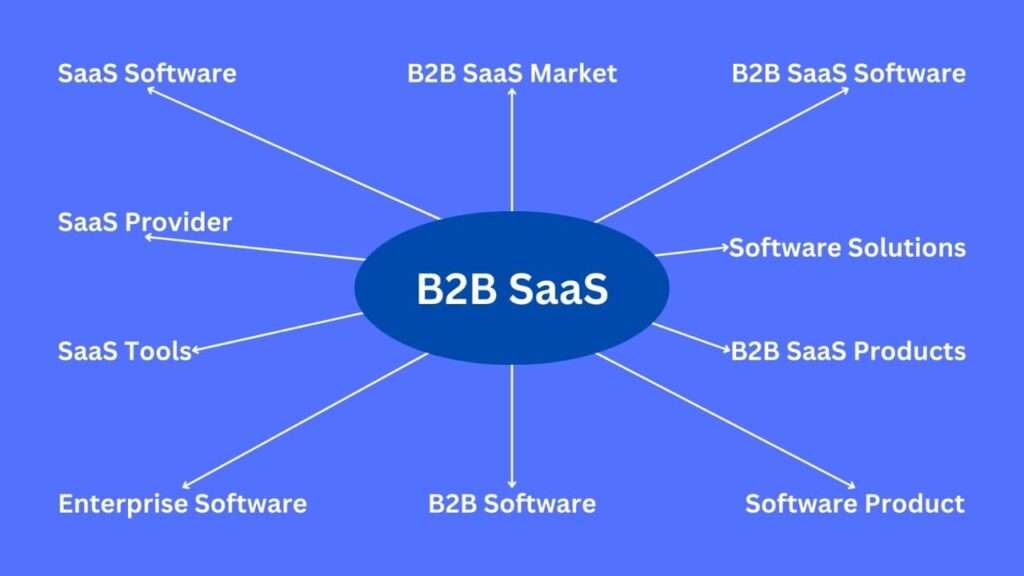
    Key Components of B2B SaaS

    Key Components of B2B SaaS

    1. SaaS Software:

    SaaS stands for Software as a Service. It is cloud-based software used by businesses to access various applications over the internet. Unlike traditional software, SaaS allows companies to subscribe to software solutions without the need for hardware installation. This model provides flexibility and scalability, making it an attractive option for small businesses and startups.

    2. B2B SaaS Market:

    It is rapidly growing as companies worldwide adopt cloud-based solutions to enhance their operations. With a focus on business-to-business software, this market offers a range of products and services tailored to meet the specific needs of enterprises. The increasing demand for efficient and cost-effective solutions is driving the expansion of the B2B SaaS industry.

    3. B2B SaaS Software:

    It refers to cloud-based applications designed specifically for business-to-business interactions. These software solutions offer features such as sales performance management, marketing automation, and enterprise resource planning (ERP). By leveraging B2B SaaS software, companies can improve their sales and marketing efforts, streamline their operations, and achieve better overall performance.

    4. Software Solutions:

    Software solutions in the B2B SaaS space encompass a wide range of applications aimed at solving business problems. From CRM and ERP systems to marketing platforms and e-commerce platforms, these solutions provide companies with the tools they need to operate efficiently. The flexibility and scalability of SaaS software solutions make them an essential component of the modern business landscape.

    5. B2B SaaS Products:

    B2B SaaS products are cloud-based software solutions tailored for businesses. They focus on streamlining operations and enhancing productivity. Unlike traditional software, these products are often subscription-based, offering flexibility and scalability. Leading B2B SaaS products include CRM systems, project management tools, and marketing automation platforms. They provide a competitive edge by automating tasks and providing insightful analytics.

    6. Software Product:

    A software product in the B2B SaaS context refers to a cloud-based application designed for businesses. These products address specific industry needs, such as accounting and invoicing software, HR, or sales performance management. Software products in the B2B SaaS space are known for their ease of integration, user-friendly interfaces, and robust security features. They enable companies to improve efficiency without significant upfront investment.

    7. B2B Software:

    B2B software encompasses a range of applications aimed at meeting the needs of businesses. It includes solutions for marketing and sales, customer relationship management, and supply chain management. B2B software is characterized by its ability to facilitate collaboration, streamline processes, and provide actionable insights. In the world of B2B SaaS, this software is accessible from anywhere, enhancing flexibility and agility.

    8. Enterprise Software:

    Enterprise software is designed for large organizations to support complex operations and processes. It includes ERP systems, business intelligence tools, and supply chain management solutions. In the B2B SaaS market, enterprise software is cloud-based, offering scalability and real-time data access. It helps companies worldwide to manage their resources efficiently and make informed decisions.

    9. SaaS Tools:

    SaaS tools are cloud-based applications that provide various services to businesses. They include tools for project management, customer support, and collaboration. SaaS tools are popular among small businesses and startups due to their affordability and ease of use. They enable companies to access advanced technology without significant investment in hardware or software development.

    10. SaaS Provider:

    A SaaS provider is a company that offers cloud-based software solutions to businesses. These providers manage the infrastructure, SaaS application security, and maintenance of the software. SaaS providers in the B2B space offer a range of products and services tailored to business needs. They play a crucial role in the SaaS industry, enabling companies to leverage the benefits of cloud computing without the complexities of managing it in-house.

    5 Benefits of B2B SaaS

    B2B SaaS, or business-to-business software as a service, is revolutionizing how companies operate. This cloud-based software model offers numerous advantages, particularly for small businesses and startups. Here are five key benefits of adopting B2B SaaS solutions:

    1. Cost-Effectiveness: Unlike traditional software that requires hefty upfront investments, B2B SaaS operates on a subscription basis. Companies can improve their cash flow by avoiding large capital expenditures and paying only for what they use.
    2. Scalability: B2B SaaS solutions offer the flexibility to scale up or down based on business needs. This is especially beneficial for companies experiencing rapid growth or seasonal fluctuations.
    3. Ease of Use and Maintenance: Software providers handle the maintenance, updates, and security of B2B SaaS applications. This means companies can focus on their core business activities without worrying about software upkeep.
    4. Accessibility: These platforms are accessible from anywhere with an internet connection. This supports remote work and ensures that teams can collaborate effectively, regardless of their location.
    5. Innovation and Integration: B2B SaaS companies often subscribe to solutions that are at the forefront of technology, including Privileged Access Management (PAM) tools, which provide critical security and compliance enhancements. This access to the latest features and integrations with other tools not only bolsters data protection but also enhances overall business efficiency by ensuring that sensitive information is only accessible to authorized users.

    In summary, Business-to-Business SaaS offers a better opportunity than traditional software models, particularly for companies looking to stay agile and competitive in the fast-paced business environment.

    Also Read: Connectively: HARO’s New Era in PR Networking

    Understanding the B2B SaaS Market

    The B2B SaaS market is a dynamic landscape where software providers cater to businesses. Unlike traditional software, SaaS solutions offer cloud-based software used by businesses for various functions. The world of Business-to-Business SaaS is vast, with companies worldwide leveraging these platforms for efficiency. B2B SaaS platforms are particularly appealing to small businesses and startups due to their scalability and cost-effectiveness.

    Leading B2B SaaS companies often subscribe to these solutions to improve their operations. The significance of B2B SaaS lies in its ability to provide software as a service, making it a vital component of the modern business ecosystem.

    10 Best B2B SaaS Marketing Strategies for 2024

    1. Leverage Content Marketing:

    In the world of B2B SaaS, content marketing reigns supreme. By creating informative and engaging content, companies can attract potential customers and establish their brand as a thought leader in the industry. This can include blog posts, whitepapers, and webinars that address the pain points and needs of their target audience. If you’re targeting industrial or technical sectors, exploring proven approaches to marketing for manufacturers can help tailor your content to resonate with that niche.

    2. Implement SEO Tactics:

    SEO is crucial for Business-to-Business SaaS companies to improve their online visibility and attract organic traffic. This involves optimizing website content with relevant keywords, improving site speed, and building quality backlinks. By focusing on SEO, companies can ensure that their products and services are easily discoverable by potential clients searching for software solutions.

    3. Utilize Social Media:

    Social media platforms are powerful tools for B2B SaaS companies to connect with their audience and promote their products. By sharing valuable content, engaging with followers, and running targeted ads, companies can increase their brand awareness and generate leads. Platforms like LinkedIn are especially effective for B2B marketing due to their professional user base. To streamline posting and managing content on LinkedIn, a LinkedIn post scheduler app can help companies maintain consistency, optimize posting times, and analyze engagement metrics for better results. When combined with lead management software, these efforts ensure that the leads generated through social media are effectively tracked, nurtured, and converted into customers.

    4. Email Marketing Campaigns:

    Email marketing remains one of the most effective ways to nurture leads and convert them into customers. SaaS companies can use email campaigns to keep subscribers informed about new features, updates, and offers. Personalization and segmentation are key to ensuring that the content is relevant and valuable to the recipient. Additionally, timely email notifications can help engage users by keeping them updated on critical actions or events.

    5. Invest in Paid Advertising:

    Paid advertising, such as Google Ads and LinkedIn Sponsored Content, can provide a significant boost to a B2B SaaS company’s marketing efforts. By targeting specific demographics and keywords, companies can ensure that their ads are seen by potential customers who are actively searching for software solutions. This can lead to increased website traffic and higher conversion rates.

    6. Focus on the Customer Experience:

    Understanding that SaaS companies thrive on subscriptions, enhancing the customer experience becomes paramount. To stay ahead, SaaS providers must ensure their software solutions are not just effective but also user-friendly. Regular feedback loops can help improve products and services, making them more aligned with customer needs. Personalizing the customer journey can significantly increase satisfaction and loyalty among users, driving long-term success in the competitive SaaS industry.

    7. Leverage Marketing Automation:

    In the world of B2B SaaS, marketing automation stands out as a powerful tool to streamline marketing campaigns and sales processes. By creating automated marketing campaigns, companies can efficiently nurture leads, saving time and resources. Moreover, leveraging AI in marketing automation can provide insights into customer behavior, allowing for more targeted and effective marketing strategies. This approach not only optimizes marketing efforts but also enhances overall sales performance management.

    8. Partner with Other B2B Saas Companies:

    Collaboration is key in the B2B space. By partnering with other B2B companies, SaaS providers can tap into new markets and expand their reach. This strategy can be particularly effective for small businesses and startups looking to gain a foothold in the crowded SaaS market. Joint marketing campaigns or offering complementary services can create a win-win situation, driving growth and increasing visibility among target audiences.

    9. Attend Industry Events:

    Attending industry events is a vital strategy for B2B SaaS companies to network, learn about the latest trends, and showcase their solutions. Whether it’s a cloud-based software conference or a general tech meet-up, these events offer a platform to connect with potential clients, other software providers, and influencers in the SaaS world. Engaging in these gatherings can significantly boost a company’s profile and open up new opportunities for collaboration and growth.

    10. Implement Account-Based Marketing (ABM):

    ABM is a strategic approach where marketing and sales teams work together to target specific accounts with personalized campaigns. For SaaS companies, ABM can be particularly effective in reaching high-value clients. By focusing on the needs and interests of specific businesses, companies can tailor their offerings more precisely, resulting in higher conversion rates. This targeted approach ensures that marketing efforts are more aligned with the overall business objectives, leading to better ROI.

    Measuring Success and ROI

    Measuring success and ROI in the world of B2B SaaS involves analyzing key metrics. Companies can improve their sales performance management through effective marketing campaigns. Unlike traditional software, SaaS solutions offer scalable advantages. B2B SaaS platforms enable businesses to create automated marketing campaigns, enhancing ROI.

    Conclusion

    As we have moved to 2024, the B2B SaaS landscape continues to evolve, offering both challenges and opportunities. Companies must stay adaptable, leveraging data-driven insights, personalization, and innovative marketing strategies to stay ahead. By focusing on customer needs, embracing digital transformation, and optimizing marketing efforts, B2B SaaS providers can achieve sustained growth and success in this dynamic industry. Are you ready to navigate the future of B2B SaaS marketing?

    FAQs

    1. How is the B2B SaaS market expected to grow in 2024?

    The Business-to-Business SaaS market is anticipated to grow significantly in 2024. Revenue is projected to reach $232 billion, indicating a continued upward trend in the industry.

    2. How important is SEO for SaaS marketing?

    SEO is crucial for SaaS marketing. It improves visibility, attracts organic traffic, and generates leads. SEO involves optimizing on-page elements, earning backlinks, and ensuring the website is well-configured for search engine algorithms​.

    3. What role does AI play in B2B SaaS marketing?

    AI plays a significant role in B2B SaaS marketing. It enables personalized experiences, automates repetitive tasks, and provides insights for data-driven decision-making. AI helps optimize marketing campaigns and enhance customer engagement​.

    4. How can SaaS companies leverage user testimonials in marketing?

    Business-to-Business SaaS companies can leverage user testimonials by showcasing them on their website and social media. Testimonials provide real-world proof of the value and effectiveness of their solutions.

    5. What is the significance of inbound marketing for B2B SaaS?

    Inbound marketing is significant, It focuses on attracting and nurturing leads through valuable content, SEO, and social media engagement. It helps establish authority, build trust, and guide prospects through the sales funnel​.

  • Connectively: HARO’s New Era in PR Networking

    Connectively: HARO’s New Era in PR Networking

    Connectively HARO’s New Era in PR Networking

    Introduction

    In today’s digital era, media outreach and public relations are rapidly evolving, necessitating platforms like Connectively for effective networking and collaboration. As an innovative successor to HARO (Help a Reporter Out), Connectively connects journalists with expert sources, enhancing media collaboration. It enables journalists to find specific expertise for their stories and allows experts to gain media visibility.

    It provides PR professionals with tools to discover media opportunities and enhance client presence. Connectively represents a vital link in today’s fast-moving information landscape, creating an interactive space for story development and expert recognition. By merging HARO’s trusted foundation with advanced technology, Connectively streamlines the complexities of modern media relations.

    The Evolution of HARO to Connectively

    HARO has long been a cornerstone in the PR and media landscape, serving as a crucial link between journalists and experts. This platform has evolved beyond its initial role, becoming a key network for diverse media connections. Its growth reflects the rising demand for expert-driven content, making it an indispensable tool in the industry.

    The transition to Connectively signifies more than a mere name change; it represents a significant enhancement in media outreach. This evolution caters to the needs of the digital era, offering a more effective, inclusive, and impactful approach. Connectively builds on HARO’s foundation, continuing to enrich media stories with diverse expert insights and strengthening visibility for professionals across various sectors.

    Transition to Connectively: A New Era in Media Networking

    The shift from HARO to Connectively is a major milestone in media networking. This change is more than just a new name; it’s a strategic upgrade, carefully crafted to meet the ever-evolving needs of media professionals in our digital world.

    Enhanced Features for Better Collaboration:

    Connectively brings a range of new tools that transform how media professionals work together. These tools include instant alerts, a smoother process for handling queries and responses, and personalized user profiles. These improvements not only make the platform more efficient but also more effective in connecting the right experts with the right media opportunities.

    User-Friendly Design for Easy Access:

    At the core of Connectively’s redesign is a focus on the user experience. The platform has undergone a revamp to make its main features more intuitive, making it easier for users to post a query, reply to a media request, or simply explore what’s available.

    Keeping Up with the Fast-Paced Media World:

    The media industry is constantly changing and moving quickly. Connectively is built to be flexible and responsive, with tools that keep up with these shifts, ensuring it remains an essential resource for media professionals today.

    Connectively’s Customized Features and Services

    Connectively stands out with its wide range of features, each tailored to the specific needs of journalists, content creators, subject matter experts, and PR professionals.

    For Journalists and Content Creators:

    Connectively is a gold mine for journalists and content creators looking for expert sources. The platform allows them to send out detailed queries, pinpointing the exact expertise they need for their stories. This targeted approach not only improves their content but also adds relevance and credibility to their work.

    Subject Matter Experts:

    Experts in various fields can use Connectively to showcase their knowledge and get noticed in the media world. By creating in-depth profiles that cover their expertise, experience, and past media appearances, they increase their chances of being found and quoted by journalists.

    For PR Professionals:

    Connectively is a vital tool for PR professionals seeking media opportunities. The platform’s real-time alerts on queries enable them to quickly respond to journalist requests, greatly improving the odds of getting media exposure for their clients.

    SEO-Friendly Features:

    Every aspect of Connectively is designed with SEO in mind. Journalists and content creators can boost the online visibility of their stories by including expert opinions, while subject-matter experts and PR professionals can improve their own or their clients’ SEO rankings through media mentions and links from reputable sources.

    4 Easy Steps to Efficiently Build Backlinks with HARO/Connectively

    Building backlinks is a crucial aspect of SEO strategy, and platforms like HARO and Connectively offer unique opportunities in this regard. Here are four easy steps to effectively utilize these platforms for building backlinks:

    1. Create a Compelling Profile:

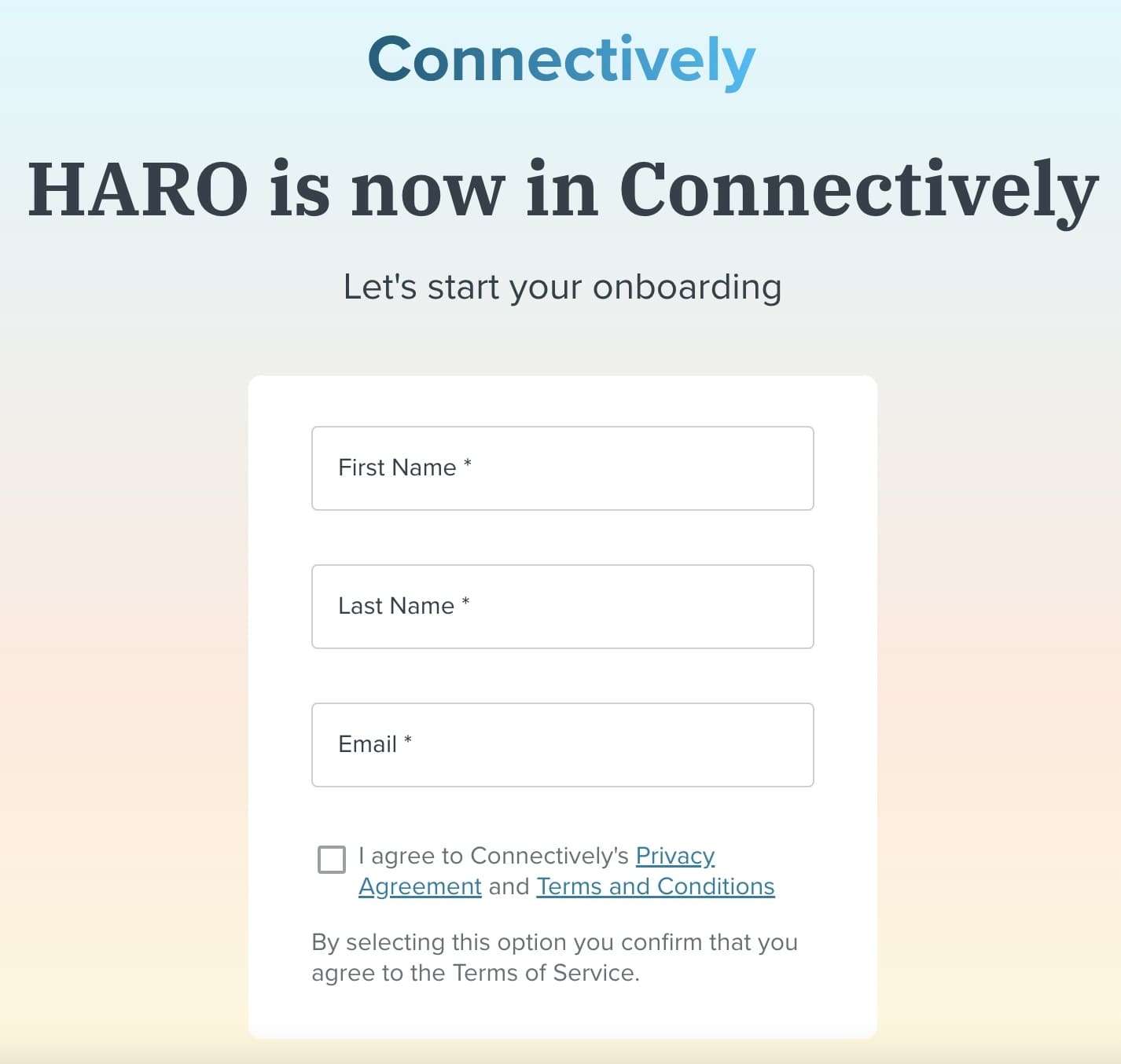
    Create a Compelling Connectively Profile

    Your first step on HARO/Connectively is to create a profile that stands out. For journalists, this means detailing your publication areas and past work. For experts and PR professionals, highlight your expertise, experience, and areas of interest. A well-crafted profile not only increases your chances of being selected but also makes your contributions more credible and link-worthy.

    2. Regularly Respond to Relevant Queries:

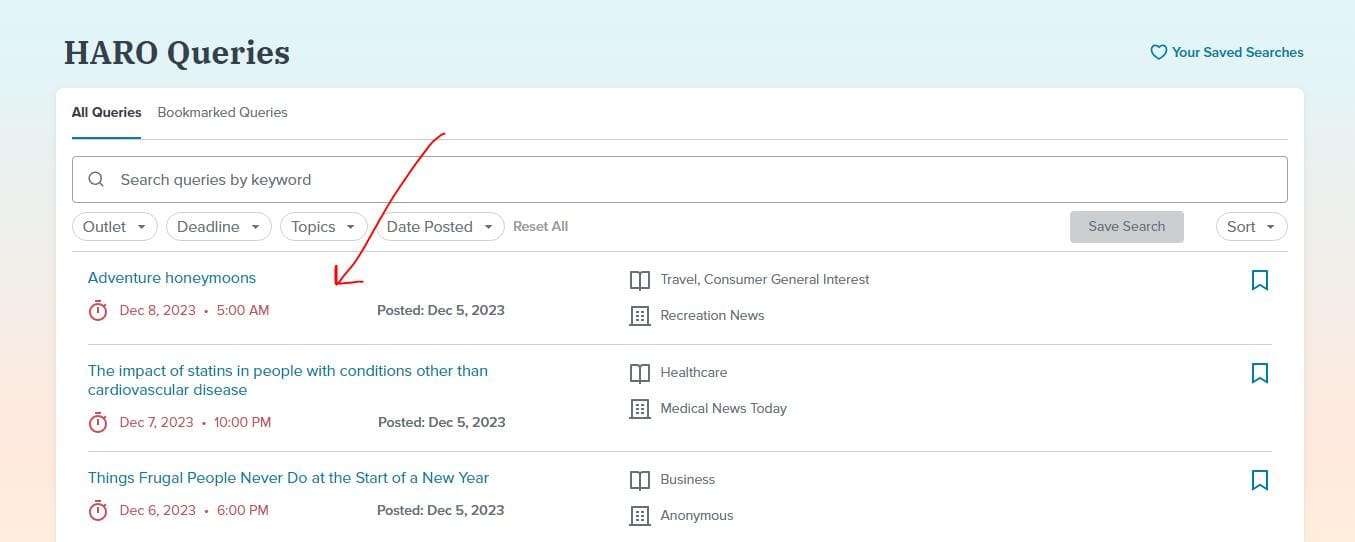
    Regularly Respond to Relevant Queries

    Stay active on the platform by regularly responding to queries that align with your expertise. Provide detailed, informative, and unique insights that can add value to the journalist’s piece. The likelihood of using and crediting your response with a backlink to your site or profile increases as your response becomes more relevant and valuable.

    3. Craft an Engaging Pitch:

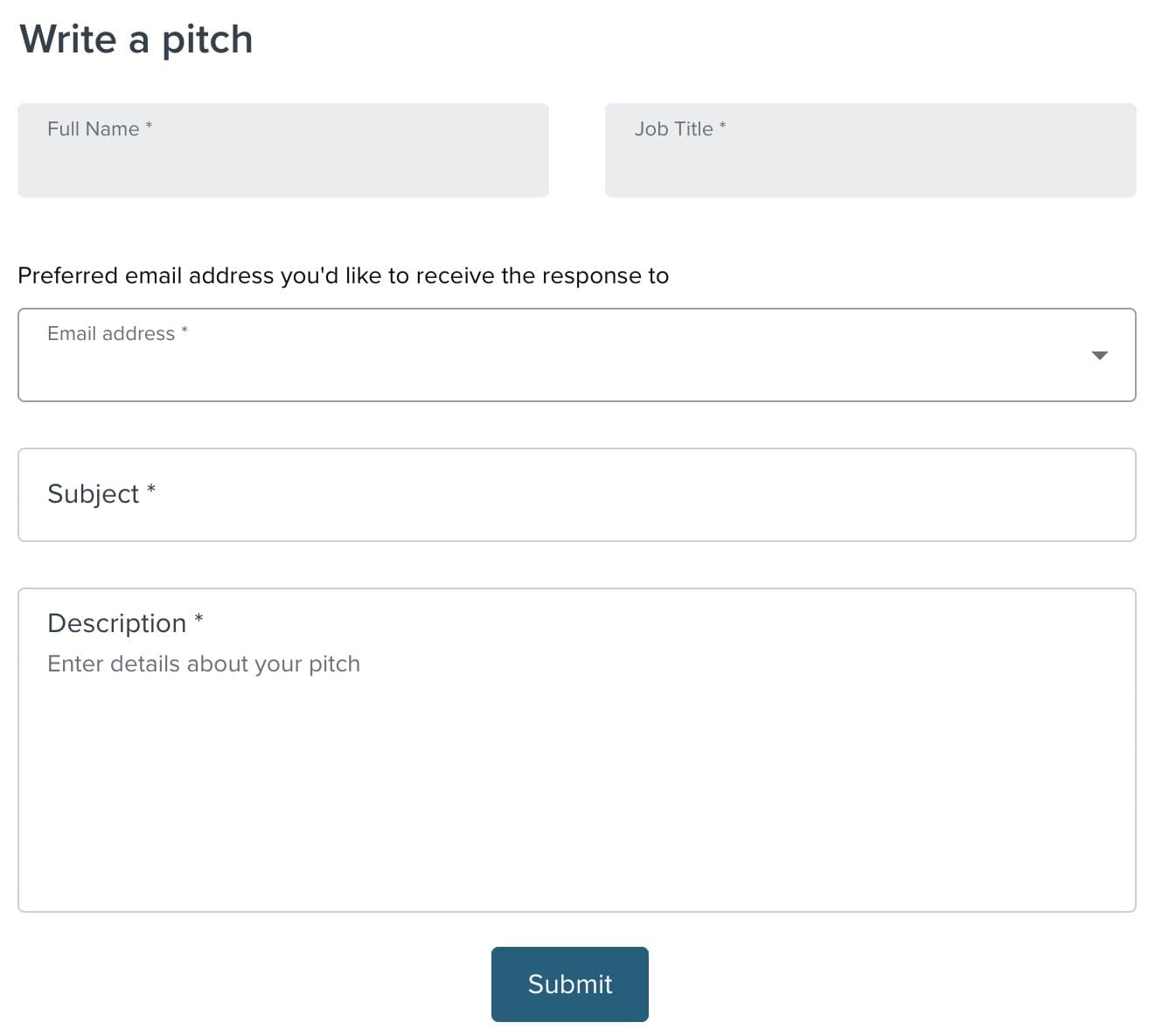
    Craft an Engaging Connectively Pitch

    Success in HARO link building largely depends on your pitch. It’s not just about finding the right opportunities; it’s how you present your expertise that counts. With Connectively, pitching is straightforward. Just hit the “Pitch” button on a query that fits your skills. This opens a simple tool where you can craft your response.

    When you write your pitch, keep it clear and focused. Answer the journalist’s question, but also add your unique insight or experience. This makes your pitch stand out and increases your chances of being chosen. Remember, a good pitch is your key to success in the competitive world of HARO link-building

    4. Monitor Your Mentions and Backlinks:

    Monitor Your Mentions and Backlinks

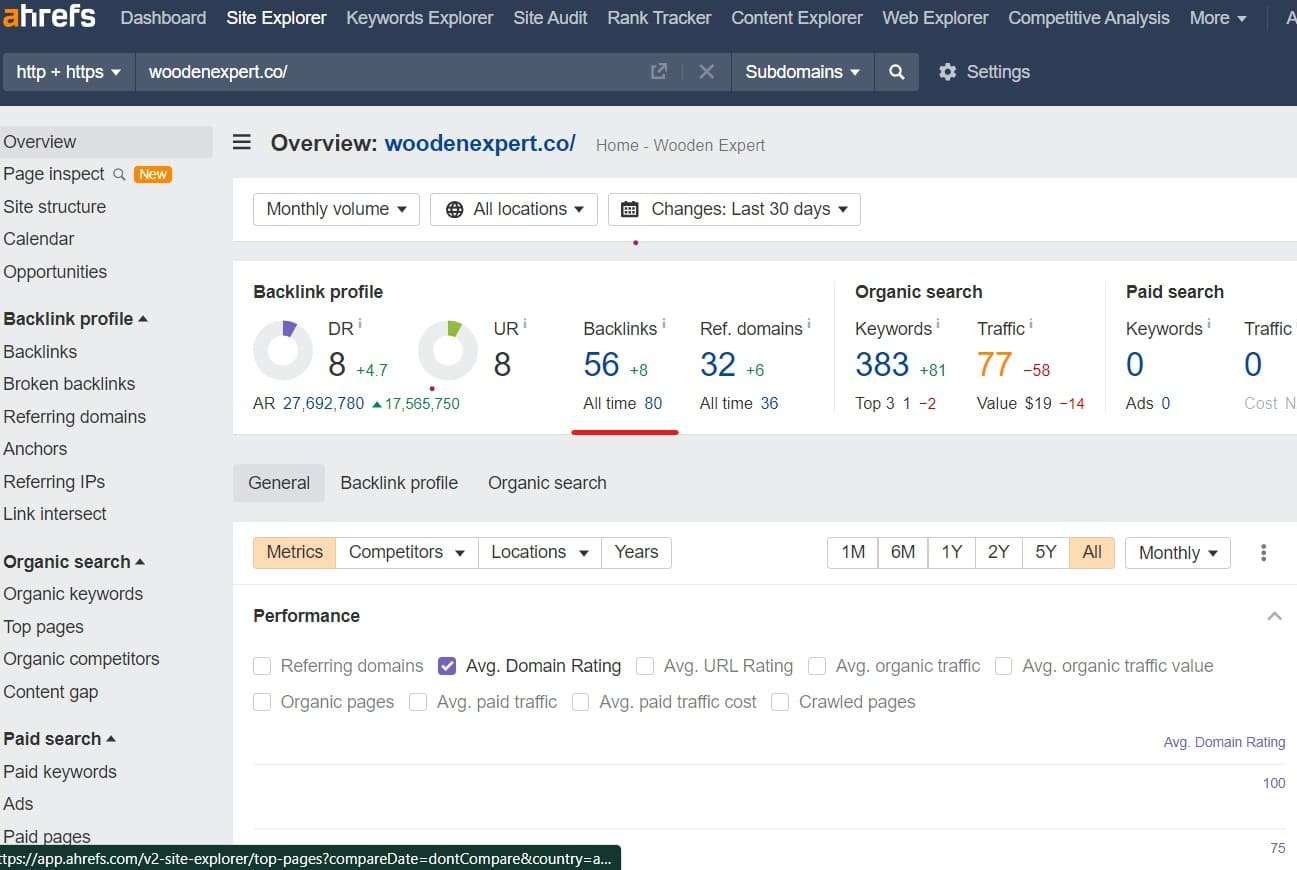
    After your contributions have been published, monitor for mentions and backlinks. Use tools like Ahrefs or tracking software to keep track of where your content is being used. This not only helps in understanding the impact of your efforts but also in building a portfolio of your media appearances.

    By following these steps, you can effectively use HARO/Connectively to build backlinks, enhancing your SEO efforts. Remember, consistency and quality are key to making the most of these platforms for your backlink strategy.

    User Experience and Interface of Connectively:

    Easy Navigation at the Heart of Connectively:

    The design of Connectively puts the user experience first. Its interface is intuitive, making it easy for anyone to navigate. Whether you’re looking to find information, respond to a query, or post your own questions, the platform makes these tasks straightforward and efficient. This user-friendly design ensures that even those new to the platform can quickly become proficient in using its features.

    Tools to Boost Productivity:

    Connectively possesses a variety of organizational tools that are crucial for enhancing productivity. Users can sort through pitches easily, use keywords for efficient searching, and keep track of deadlines without hassle. These features are especially useful for busy professionals who need to manage their time and resources effectively.

    The Impact of Connectively on Public Relations and Media:

    Transforming Media Relations:

    Connectively has made a significant mark on the world of media relations. It offers a streamlined platform that simplifies the process of making connections and collaborating. This ease of use has opened up new possibilities for creating stories and gaining brand exposure, changing the way public relations and media interactions are handled.

    Success Stories That Speak Volumes:

    The platform is filled with success stories that demonstrate its effectiveness. Journalists using Connectively have discovered unique insights, while experts have gained substantial exposure in the media. These stories testify to how Connectively is reshaping the landscape of media relations, making it easier for meaningful connections to form between journalists and sources.

    For example, a small startup company used Connectively to connect with journalists and pitch their innovative product. As a result, they received media coverage from several top-tier publications, leading to increased brand recognition and a boost in sales. Additionally, an industry expert utilized the platform to share their insights on a trending topic, which caught the attention of a major news outlet. This positioned them as thought leaders in their field and opened up new opportunities for speaking engagements and collaborations.

    Praise from Users:

    The user testimonials for Connectively further highlight its impact. Many have commended the platform for its user-friendly nature, efficiency, and the quality of connections it facilitates. These testimonials are not just words of praise but are evidence of the platform’s role in enhancing the efficiency and effectiveness of media and public relations work.

    Conclusion

    Connectively has emerged as a groundbreaking platform, transcending its HARO origins to redefine media networking and public relations. It offers an intuitive, user-friendly interface, meeting the needs of journalists, PR experts, and specialists. As a hub for digital media relations, Connectively streamlines connections between journalists and sources, setting new efficiency standards in the industry. It’s not just about queries and responses; it fosters meaningful collaborations, enhancing brand visibility and media relationships.

    For media professionals and those seeking expert exposure, Connectively is an essential tool. Its user-friendly design, coupled with robust features, positions it as the top choice in digital media. Looking forward, Connectively is poised to lead in media networking, adapting to the evolving media landscape with a commitment to innovation and user experience. It’s more than a platform; it’s a key resource for modern media professionals, offering the tools and opportunities for success in today’s digital world.

  • HARO Link Building: How to Get Backlinks with HARO

    HARO Link Building: How to Get Backlinks with HARO

    HARO Link Building: How to Get Backlinks with HARO

    Link building through HARO (Help a Reporter Out) is a vital strategy for enhancing online visibility and SEO. This platform uniquely benefits both journalists and businesses; it aids journalists in finding reliable sources while offering businesses a chance to secure high-quality links and boost their online presence. The effectiveness of HARO in the realm of SEO is rooted in its ability to provide exposure and link-building opportunities through a direct connection with journalists. For businesses, the key to leveraging HARO successfully lies in crafting pitches that are not only informative but precisely tailored to meet the journalists’ specific needs. This process demands a deep understanding of the journalists’ queries and a strategic presentation of one’s expertise or business value.

    Moreover, while HARO is an invaluable tool in any SEO toolkit, exploring HARO alternatives can also enrich a comprehensive link-building strategy. The impact of using HARO for SEO is tangible and measurable. Businesses can track the effectiveness of their HARO link-building efforts by analyzing key metrics such as the quality and relevance of the backlinks obtained, referral traffic, the authority of linking domains, and overall improvements in search engine rankings. These metrics offer a detailed insight into how HARO, and similar platforms, can significantly contribute to enhancing a business’s digital footprint and search engine visibility.

    What is HARO and how can it be used for link building?

    HARO Link Building: How to Get Backlinks with HARO

    HARO, or Help a Reporter Out, is a platform that serves as a bridge between journalists and sources. It offers a unique opportunity for businesses and individuals to showcase their expertise and, in return, gain high-quality backlinks from reputable media outlets. By responding to journalist queries with insightful and relevant information, users can enhance their digital marketing strategy and improve their website’s visibility in search engines. HARO’s daily emails are a key feature, providing a list of queries from journalists, which users can respond to, potentially earning a valuable link back to their website.

    Understanding the concept of HARO

    HARO operates by sending out daily emails containing numerous queries from journalists across various industries. These emails are a crucial resource for businesses looking to engage in HARO outreach. By creating a free account on HARO, businesses can start building their presence in the media world. The platform covers a wide range of topics, allowing users to find and respond to queries that align with their expertise. This approach is one of the best ways to acquire high-authority backlinks, as it connects users with journalists from high-authority publications.

    Utilizing HARO for link building:

    To effectively use HARO for link building, businesses should focus on identifying queries that are relevant to their expertise. Crafting well-thought-out responses to these queries is a critical step in HARO’s link-building process. This method not only helps in acquiring links but also in driving organic traffic to their website. SEO agencies and digital marketing professionals regard HARO as one of the most efficient platforms like HARO for link building.

    The key is to consistently respond to queries and provide valuable insights, which can lead to new link opportunities. HARO works best when users understand the importance of quality over quantity in their HARO outreach efforts. Outside of HARO, there are other free and paid options for acquiring links, but HARO remains a preferred choice for many award-winning SEO and digital marketing consultants due to its effectiveness and wide reach.

    Benefits of using HARO for backlinks:

    1. Enhanced Link-Building Campaigns: HARO is one of the best link-building strategies available today. It serves as a service that connects journalists with sources, providing businesses with a platform to be part of impactful stories. By participating in queries on HARO, companies can integrate HARO into their link-building campaigns, finding relevant link opportunities that are not only authoritative but also highly relevant to their niche.
    2. Establishing Credibility and Brand Awareness: Using HARO and alternatives to backlinks is an excellent way to establish credibility in your industry. Being featured in reputable publications through HARO can significantly enhance brand awareness. This visibility often translates into improved SEO results, as search engines value links from trusted sources, thereby increasing link equity.
    3. Access to a Wide Range of Opportunities: HARO provides access to a multitude of queries across various industries, offering diverse opportunities for link-building success. This variety allows businesses to target the most relevant and beneficial opportunities, ensuring that the backlinks they acquire are not only high-quality but also perfectly aligned with their brand and audience.
    4. Cost-Effective Strategy for Diverse Niches: HARO is a cost-effective solution for businesses of all sizes. Whether you’re a small startup or an established company, HARO offers the chance to gain valuable backlinks without the hefty price tag of traditional PR campaigns. Jenny, an award-winning SEO consultant, advocates for HARO as a tool that can level the playing field, allowing smaller businesses to compete with larger ones in building a strong online presence.

    Best practices for pitching on HARO:

    • Understanding HARO’s Platform Before diving into HARO pitches, it’s important to know if HARO aligns with your SEO goals. HARO offers a platform where journalists and sources converge, making it a valuable tool for acquiring high-authority backlinks. Familiarize yourself with how HARO works to effectively utilize its services.
    • Signing Up and Navigating Requests Sign up for a free HARO account to start. Regularly check HARO requests that align with your expertise. This step is crucial for SEO professionals looking to connect with journalists in need of expert insights.
    • Crafting Relevant and Insightful Responses When responding to a HARO query, ensure your answer is tailored to the journalist’s specific needs. Your response should provide unique insights, enhancing the value of the article and increasing the likelihood of securing a backlink.
    • Focusing on High-Quality Contributions Aim for high-authority backlinks by offering high-quality, informative content. Many SEO strategies, especially those centered on natural link building services, emphasize the quality of backlinks over quantity. Your contributions should reflect a deep understanding of the topic to stand out.
    • Timeliness and Precision in Replies Responding promptly to HARO requests can set you apart. Journalists often work on tight deadlines, so timely and precise replies are more likely to be considered. This practice not only improves your SEO but also builds your reputation as a reliable source.
    • Building Relationships for Long-Term SEO Value HARO outreach is one effective way to build lasting relationships with journalists. These connections can lead to ongoing opportunities, enhancing the long-term SEO value of your website through consistent, high-quality backlinks.

    Common mistakes to avoid when pitching on HARO queries:

    Successfully leveraging HARO for link building requires a strategic approach. Here are four common mistakes to avoid, ensuring your pitches stand out and align with SEO best practices:

    1. Generic Responses: One of the key mistakes is sending generic responses. When you want to respond to a HARO query, tailor your reply to the specific question. Journalists are often inundated with responses, so providing a unique, detailed answer increases your chances of being noticed. Remember, they are looking for the best and most relevant information to enhance their articles.
    2. Irrelevance and Spamming: Avoid the temptation to spam journalists with irrelevant pitches. Each response should directly address the journalist’s request. Spamming not only diminishes your chances of securing a backlink but can also harm your reputation among journalists and other link builders.
    3. Lack of Professionalism: Professionalism is crucial in your HARO outreach. This includes clear, concise communication and ensuring that your responses are free of errors. A well-crafted, professional pitch reflects positively on your expertise and increases the likelihood of achieving results with HARO. So, consider using AI for Google Slides to help you come up with visually appealing and impactful presentations that accompany your HARO pitches.
    4. Ignoring SEO Impact: Not understanding the SEO value of HARO can be a significant oversight. Link building with HARO, when done correctly, can lead to high-quality backlinks from authoritative sources. These backlinks are valuable for SEO, as they can improve your website’s visibility and ranking on search engines like SEO.

    What are the alternatives to HARO for link building?

    While HARO is a popular choice for link building, several other platforms offer similar services, catering to various needs and niches. Here’s a look at some notable alternatives:

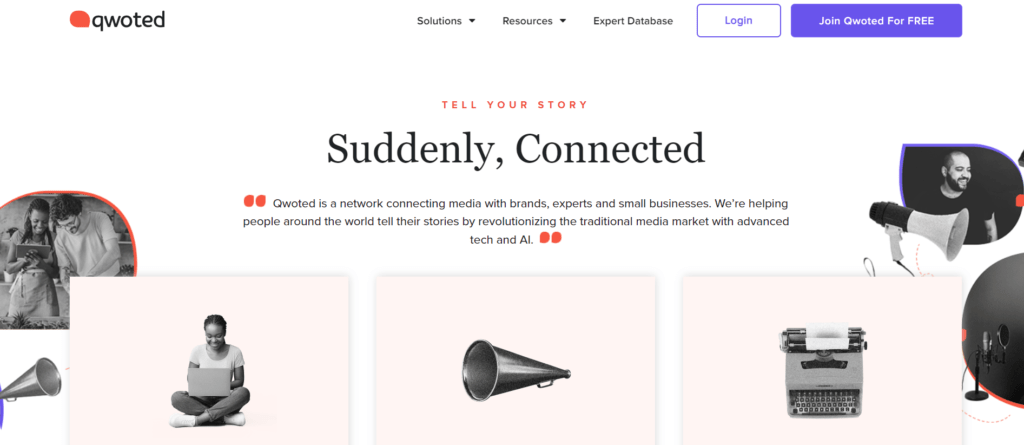
    Qwoted: This platform is designed to connect journalists with industry experts and thought leaders. Qwoted is particularly beneficial for businesses looking to build links in specific sectors. It offers a more targeted approach, allowing experts to connect with journalists who are specifically interested in their field of expertise.

    SourceBottle: Similar to HARO, SourceBottle is a platform where journalists and bloggers post requests for sources. It’s widely used for lifestyle, health, and business-related content. SourceBottle can be particularly useful for businesses looking to build links in these niches, offering opportunities to be quoted in relevant articles.

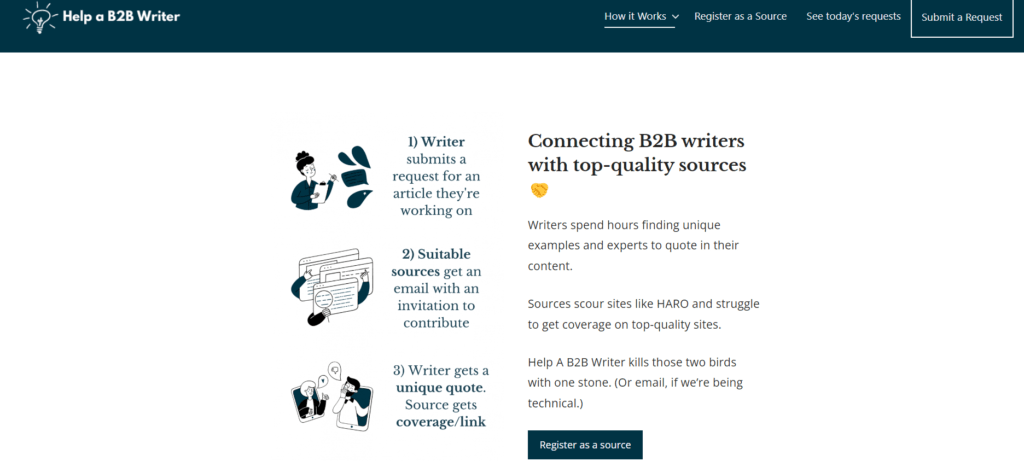
    Help a B2B Writer: As the name suggests, this platform is tailored for the B2B (Business to Business) market. It’s an excellent resource for companies in the B2B sector to connect with writers specifically looking for industry-specific insights and expertise.

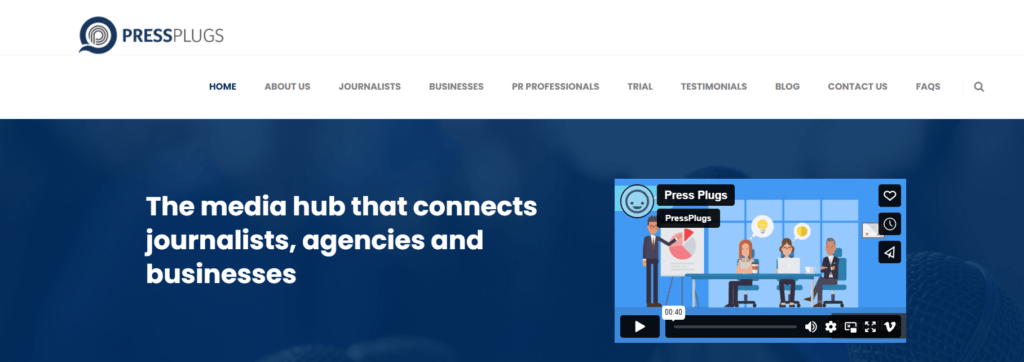
    Press Plug: This service works slightly differently by allowing businesses and individuals to list themselves as available sources for journalists. It’s a proactive way to offer your expertise, making it easier for journalists to find you when they need a source in your industry.

    Featured: Featured functions as a bridge between experts and journalists, similar to HARO. It provides opportunities for businesses and individuals to get their voices heard in various publications, thereby building quality backlinks and enhancing their online presence.

    Repute Post:
    The link building efforts with Repute Post is different from above-mentioned platforms. Here, you can find thousands of websites within your niche. The repute post marketplace features active publishers and those who are always interested in mutual collaboration for building genuine and high authority backlink.
    With marketplace, Repute Post also helps SEOs, Webmasters, and agencies to automate their link building efforts. They are one of the most trusted services providers for niche edits and white label link building services.

    Improving SEO results through Backlinks with HARO:

    Integrating HARO (Help a Reporter Out) into your SEO strategy can significantly boost your business’s search engine rankings and organic traffic. This integration allows businesses not only to optimize keywords but also to land killer links from authoritative sources, which are crucial for enhancing online visibility.

    Incorporating HARO into your SEO strategy

    To effectively incorporate HARO into your SEO efforts, focus on targeting relevant queries that align with your business niche. This approach helps in building topical authority, as the content you provide in responses will be directly related to your area of expertise. By obtaining high-quality links through HARO, you can enhance your website’s authority and credibility, which are key factors in search engine optimization. A digital marketing agency can leverage HARO to get the links you want, ensuring that each backlink contributes significantly to your overall SEO strategy.

    The impact of HARO backlinks on search engine rankings

    The backlinks acquired from sites through HARO are more than just standard links; they are often seen as endorsements from reputable sources. This recognition can substantially improve a website’s search engine rankings. High-quality links from HARO signal to search engines that your website is a credible and authoritative source, leading to potential improvements in organic search rankings.

    Maximizing keyword optimization with HARO link building

    HARO also offers an excellent opportunity to maximize keyword optimization. When crafting responses to HARO queries, strategically include targeted keywords. This practice not only aligns your responses with your SEO goals but also increases the likelihood of your content appearing in relevant search engine results pages. The best links are those that naturally incorporate targeted keywords, enhancing the relevance and authority of your website.

    Take Away of HARO Link Building:

    HARO stands out as a pivotal tool in the link-building arsenal, offering a unique approach that goes beyond traditional methods like guest posting. Its haro link service provides a direct pathway to get a link from esteemed publications, significantly boosting a website’s SEO profile. This platform facilitates organic and authoritative links to your website, which are instrumental in building valuable, long-term SEO success.

    The diversity and reach of HARO make it an invaluable resource for businesses targeting specific audiences across various industries. By avoiding common pitfalls and strategically responding to queries, companies can leverage HARO to not only enhance their online presence but also to secure high-quality backlinks that contribute to improved search engine rankings and a robust digital marketing strategy.

    FAQs

    1. How can I sign up for HARO?

    To sign up for HARO, visit their website and follow the registration process. It’s free to use!

    2. Is HARO only for journalists and businesses?

    No, HARO is open to anyone who wants to contribute their expertise to journalists’ queries.

    3. Are there any fees associated with using HARO?

    HARO offers free and paid plans, with additional benefits for paid users. However, you can start with the free version.

    4. Can I use HARO to promote my products or services?

    HARO is primarily for sharing expertise and opinions. While you can indirectly promote your business by being a valuable source, it’s not a direct advertising platform.

    5. How can I increase my chances of being featured in the media through HARO?

    Be responsive, concise, and provide well-documented information. Building relationships with journalists can also enhance your chances of being featured.