HARO Builders – Header

Category: Marketing

  • How HARO Link Building Fits Into a Comprehensive SEO Strategy

    How HARO Link Building Fits Into a Comprehensive SEO Strategy

    How HARO Link Building Fits Into a Comprehensive SEO Strategy

    There is a version of the link-building conversation that treats every tactic as a standalone intervention you do HARO for a few months, you do guest posting for a few months, you build a few resource pages, and you hope the combined effect adds up to meaningful ranking improvement. This approach produces uneven results, and the reason is almost always the same: the tactics are not integrated into a coherent strategy with a clear purpose, consistent execution, and the right measurement framework to understand what is working.

    HARO link building, the practice of pitching expert responses to journalists and media outlets in exchange for authoritative backlinks, is one of the most powerful tactics available in modern SEO. But like all powerful tactics, it produces the best results when it is understood and used as part of a broader strategic framework rather than as an isolated activity. This article explains how HARO fits into a comprehensive SEO strategy and what you need to have in place for it to produce its maximum effect.

    What HARO Actually Does for Your SEO

    Before talking about integration, it helps to be precise about what HARO link building specifically produces and why those outcomes matter strategically.

    HARO generates editorial backlinks, links placed by journalists and editorial teams at established media outlets, in the context of genuine editorial content, with the authority that comes from a real publication deciding that your perspective is worth citing. These are meaningfully different from the links generated through most other link-building tactics.

    Guest post links are earned by producing content for another site; they have editorial value, but they are typically on sites that accept outside contributions rather than organic editorial placements in content produced by the publication’s own journalists. Directory links provide citation signals but carry less topical authority weight than editorial links in context. PBN links carry significant risk and declining algorithmic value.

    The editorial link that comes from a journalist at Forbes, Entrepreneur, or a high-DA trade publication citing your CEO as a source in their article about your industry is a different kind of asset. It passes substantial link equity, it builds brand authority signals that extend beyond pure link equity, and it typically comes with the branded exposure that makes the link valuable for referral traffic as well as organic rankings.

    HARO, when executed well, produces these editorial links at scale. The strategic question is: what else needs to be in place for those links to produce their maximum SEO effect?

    The Technical Foundation That Links Require

    Editorial links are most valuable when they land on a website that search engines can fully crawl and evaluate. This sounds obvious, but the technical health of the site receiving the links determines how much of the authority those links pass actually translates into ranking improvement.

    The most common technical issues that reduce the value of otherwise excellent link building are: slow page load times (particularly on mobile) that create negative user experience signals; crawlability problems that prevent search engines from properly indexing the pages being linked to; duplicate content issues that dilute the page authority that linked pages accumulate; and Core Web Vitals failures that send negative quality signals to Google regardless of how strong the incoming link profile is.

    The practical implication is that a comprehensive SEO strategy addresses technical health before or alongside link building investment, not after. Earning authoritative links to a technically problematic site is like running excellent marketing for a broken product, the investment produces less return than it should.

    The advanced SEO strategy that combines AI-powered technical auditing with strategic link building investment identifies and addresses technical issues faster than manual auditing, ensuring that the link equity earned through HARO and other tactics is fully absorbed rather than partially lost to technical impediments.

    The Content Strategy That Makes Pitching More Effective

    HARO pitching success rates vary dramatically between organisations, and a significant portion of that variance is explained by the quality and specificity of the expertise the organisation can offer to journalists. The journalist who receives fifty responses to a source request for expert commentary on fintech regulation and selects one is making a judgment about which response is most credible, most specific, and most useful for their article.

    Organisations with strong content programmes, detailed, expert-authored articles, research publications, case studies, and data assets,have an advantage in HARO pitching because their spokespeople can reference specific positions, specific research, and specific examples that make their responses more credible and more useful. The generic expert response that offers a general perspective on a topic competes poorly against the specific expert response that references the organisation’s published research, cites specific data, and offers a perspective that is clearly grounded in genuine expertise rather than general familiarity.

    Building the content programme that makes HARO pitching more effective is therefore part of the comprehensive SEO strategy, not a separate activity. The articles, the research, and the data that the content team produces become the credibility assets that HARO pitchers reference. The expertise demonstrated in content becomes the expertise that journalists want to cite.

    Building the SEO Team That Can Execute at Scale

    Comprehensive SEO strategy requires people who can execute across multiple specialisations simultaneously: technical SEO, content strategy, link building outreach, and performance analysis. Building this team, whether internally or through agency relationships — requires the same quality of due diligence that any professional hiring decision deserves.

    For organisations building internal SEO teams, the background verification dimension of this hiring is worth addressing directly. Understanding how long background checks take for jobs for the candidates being evaluated helps integrate background check timelines into the hiring process without creating unexpected delays when a strong candidate is ready to start. Most standard employment background checks complete within five to ten business days when properly initiated, knowing this in advance allows hiring managers to schedule conditional offers with realistic start dates rather than being surprised by the gap.

    For agencies like HaroBuilder that engage contractors and specialists as part of their delivery model, using structured screening solutions for the team members who will have access to client accounts, client SEO data, and client brand assets is the professional standard that protects both the agency’s reputation and the clients who have entrusted sensitive strategic work to the team.

    The Measurement Framework That Connects Everything

    A comprehensive SEO strategy is only as good as its measurement infrastructure. Link building that is not connected to a measurement framework that tracks link acquisition alongside ranking changes, organic traffic trends, and ultimately commercial outcomes (leads, conversions, revenue) is link building that cannot be optimised because it cannot be properly evaluated.

    The measurement framework that works for HARO-inclusive SEO strategy tracks several specific things simultaneously. Link acquisition velocity: how many high-DA editorial links are being earned per month, and from what publication categories? Domain authority trend: is the site’s overall authority profile strengthening as the links accumulate? Keyword ranking movement: are the specific keywords the strategy is targeting showing measurable improvement in rankings? And organic traffic: is that ranking improvement translating into more qualified visitors from organic search?

    The last metric, qualified organic traffic, is the one that connects the SEO investment to actual business value. Ranking improvements that do not translate into traffic improvements often indicate keyword targeting issues. Traffic improvements that do not translate into conversion improvements often indicate landing page or offer issues. The comprehensive SEO strategy that includes measurement across this full chain, from link acquisition to ranking to traffic to conversion, is the strategy that can be continuously improved rather than periodically guessed at.

    The Long View on HARO as a Strategic Asset

    The strongest argument for HARO as part of a comprehensive SEO strategy is not the individual link value of any single placement. It is the compounding nature of the editorial authority that consistent HARO placement builds over time.

    The organisation that has been consistently cited in major publications as a trusted expert source for two or three years has built something that is genuinely difficult for competitors to replicate quickly: an earned media profile that search engines recognise as a signal of real-world authority. The backlink profile is visible in the link graph. The brand mentions are visible in brand search volume. The combination of these signals positions the domain differently than one with equivalent technical quality and content quality but without the earned editorial authority.

    HARO link building is the most efficient tactic currently available for building this kind of earned editorial authority at scale — more efficient than cold outreach guest posting, more authentic than sponsored content, more durable than the short-lived visibility of paid advertising. In a comprehensive SEO strategy designed for long-term sustainable organic growth, it is not an optional enhancement. It is a core component.
  • How Much Does SEO Cost in the UK? SEO Prices in 2026

    How Much Does SEO Cost in the UK? SEO Prices in 2026

    How Much Does SEO Cost UK

    Many business owners struggle to answer a simple question: How much does SEO cost UK businesses in 2026? Pricing varies widely across the UK, with agencies, freelancers, and in-house teams offering different structures. Research shows that monthly retainers, project fees, and hourly rates strongly influence the total investment required. However, a clear strategy and realistic budget can improve performance and deliver consistent long-term results. This guide breaks down pricing, service types, and options to help you make confident decisions.

    Average SEO Cost in the UK for 2026

    SEO costs in the UK during 2026 generally range between £750 and £5000 monthly for most businesses. Small businesses usually pay lower fees, whereas larger campaigns demand higher investment and broader SEO efforts. Pricing varies depending on SEO strategy, competition level, services offered, and overall business goal alignment.

    Monthly SEO:

    CategoryTypical Cost (UK)Details
    On-page SEO£300–£1,500Includes keyword optimisation, content updates, and technical SEO improvements accordingly.
    Off-page SEO£500–£2,000Focuses on link building, authority growth, and local search visibility for businesses in the UK.
    Technical SEO£400–£1,800Covers technical SEO audits, site speed, indexing, and structured data enhancements.
    Local SEO£300–£1,200Optimises Google Business Profile, local business listings, and conversion rate improvements.

    Project-based SEO:

    CategoryTypical Cost (UK)Details
    On-page SEO£1,000–£5,000One-time optimisation of pages, metadata, and content for targeted SEO needs.
    Off-page SEO£1,500–£6,000Link building campaigns and outreach projects for stronger domain authority.
    Technical SEO£1,500–£7,000Comprehensive SEO audits, fixes, and performance upgrades for better crawling.
    Local SEO£800–£3,500Local business optimisation and local search ranking improvements accordingly.

    Hourly SEO Pricing Model:

    CategoryHourly Rate (UK)Details
    On-page SEO£50–£150SEO professional adjusts content, keywords, and page structure efficiently.
    Off-page SEO£75–£200Focuses on outreach, link building, and campaign execution gradually.
    Technical SEO£80–£220Handles technical SEO audits, fixes, and site performance issues accordingly.
    SEO Consultancy£100–£300Strategic advice, SEO pricing guide insights, and pricing structure recommendations.

    Performance-based SEO:

    CategoryPricing ModelDetails
    On-page SEO% of resultsPayment depends on ranking improvements and measurable SEO work outcomes.
    Off-page SEOPer link/metricCharges apply per successful link building or authority milestone achieved.
    Technical SEOMilestone-basedPayment occurs after fixing technical SEO issues and improving site health scores.
    Local SEOLead-basedPayment aligns with generated leads, conversion rate, or local business growth.

    Types of SEO Services Available

    • On-page SEO: focuses on content optimisation, internal linking, and improving technical aspects of SEO structure.
    • Off-page SEO: involves link building strategies, brand mentions, and authority signals for successful SEO performance.
    • Technical SEO: ensures website speed, indexing, crawling, and technical SEO support for better rankings.
    • Local SEO: improves visibility through Google My Business optimisation and targets local customers across the UK.
    • Ecommerce SEO: optimises product pages, categories, and conversion paths, especially for small SEO campaigns.
    • Enterprise SEO: handles large-scale websites, accordingly using advanced SEO tools and tailored SEO strategies.

    Different Types of SEO Providers

    Provider TypeDescription
    SEO FreelancerSEO freelancer offers flexible services, and freelancers charge for SEO at comparatively lower rates.
    SEO ConsultantSEO consultant provides strategic advice, cost structure planning, and tailored SEO guidance for businesses.
    In-house SEOIn-house SEO teams manage delivering SEO internally, ensuring alignment with business goals and SEO performance.
    B2B SEO AgencyB2B SEO agency focuses on professional campaigns, offering SEO packages and comprehensive SEO services.
    SEO AgenciesSEO agencies across the UK provide SEO services, although prices vary depending on expertise and scale.
    Cheap SEO ProvidersCheapest SEO options attract small businesses, but quality and long-term SEO results may vary significantly.

    Pro Tip: Questions to ask before hiring an SEO provider!

    1. What experience do you have in my industry?

    2. Which SEO strategy will you use for my business needs?

    3. How do you measure SEO success and ROI?

    4. What SEO pricing model do you follow?

    5. What is included in your SEO service or package?

    6. How often will you report progress?

  • How Many Keywords Per Page For SEO?

    How Many Keywords Per Page For SEO?

    How Many Keywords Per Page For SEO

    There is no fixed number of keywords per page, but you should typically use 1 primary keyword and 3–5 closely related secondary keywords.

    Firstly, Google does not recommend an exact number of keywords per page because modern search engine algorithms focus on relevance rather than keyword count. Therefore, you should target one primary keyword as your main focus and include several closely related keywords that support the topic. This approach helps a single page rank for multiple search terms without confusion.

    Secondly, your keyword strategy should depend on the total word count and the depth of your content creation. Additionally, using too many SEO keywords can lead to keyword stuffing, which negatively affects user experience and reduces chances of ranking. Instead, you should use keywords naturally, ensuring proper keyword density while keeping the content readable.

    Finally, effective keyword research helps you identify relevant keywords, similar keywords, and phrase variations to optimize properly. Hence, when answering, “How Many Keywords Per Page SEO?”, focusing on one main keyword with a few secondary keywords improves page rank and increases SEO success over time.

    One Keyword Per Page vs Multiple Keywords Strategy

    Related Queries:

  • Does Linking to Other Sites Help SEO?

    Does Linking to Other Sites Help SEO?

    does linking to other sites help seo

    Yes, linking to other sites help SEO by improving relevance, trust, and crawler visibility.

    Firstly, external links to high-quality, authoritative sources signal to search engines that your content references reputable information, and contextual links within the main body strengthen topical relevance and help search engines understand relationships between pages. When outbound links point to authoritative websites, they support your backlink profile and improve overall search engine ranking signals. However, you should use the nofollow attribute when linking to low-quality or unverified sources to avoid passing link equity. Proper anchor text helps tell search engines what the linked page covers and improves keyword ranking signals.

    Secondly, linking also improves user experience because users access supporting resources, therefore increasing trust and engagement. Internal links help distribute link equity across your site structure and guide search engine crawlers efficiently. Likewise, inbound links and backlinks from referring domains work alongside outbound links to strengthen overall domain authority. Regular audits using tools like Semrush or Google Search Console ensure links remain functional and avoid broken link issues. 

    Finally, following best practices prevents penalties, avoids spammy anchor text, and maintains a strong, high-quality backlink profile, proving that: Does Linking to Other Sites Help SEO?

    Related Queries:

  • Do Google Reviews Help SEO?

    Do Google Reviews Help SEO?

    Do Google Reviews Help SEO

    Yes, Google reviews help SEO because they act as a strong signal to Google for local SEO performance.

    Firstly, customer reviews and the overall volume of reviews influence your SEO ranking in local search results. Additionally, the number of reviews, their quality, and the recency of reviews signal to Google that your local business stays active and relevant. Moreover, positive review trends improve visibility on Google Maps and Google Search, while negative review handling shows credibility. Consequently, reviews help search engines evaluate trust, which directly impacts local search ranking and overall exposure.

    Secondly, responding to reviews and consistent review management strengthen your Google Business Profile and customer engagement. Furthermore, replying to Google Reviews demonstrates that your business values feedback, which customers and Google recognize positively. Likewise, frequent review request efforts generate new reviews, increasing Google Reviews impact and credibility over time.

    Therefore, reviews can significantly improve visibility in local search results, because they help search engines interpret business relevance and authority, answering the question: Do Google Reviews Help SEO?

    Related Queries:

  • Do Rich Snippets Help SEO?

    Do Rich Snippets Help SEO?

    do rich snippets help seo

    Yes, rich snippets help SEO indirectly by improving click-through rate, visibility, and overall search result performance rather than acting as a direct ranking factor.

    Firstly, rich snippets enhance a web page appearance within the SERP by displaying additional information like star ratings, product page details, or local business data, which consequently attracts more user attention and increases clicks. Moreover, implementing structured data markup using schema.org and JSON-LD allows search engines to better understand content context, which accordingly improves how your rich result appears in search engines.

    Additionally, schema markup helps Google present more clickable and informative listings, thus making your result stand out compared to standard search result formats. However, although rich snippets do not directly influence ranking, a higher click-through rate signals user engagement, which eventually supports a stronger SEO strategy. Furthermore, adding structured data markup in HTML or WordPress websites ensures proper implementation and optimization across e-commerce and informational pages.

    Therefore, when you implement rich snippets following best practices, you improve visibility, CTR, and overall performance, which answers the question “do rich snippets help seo” by contributing to long-term SEO success.

    Related Queries:

  • Do Nofollow Links Help SEO?

    Do Nofollow Links Help SEO?

    do nofollow links help seo

    Yes, nofollow links can help SEO indirectly by supporting a natural backlink profile and driving referral traffic.

    Firstly, the nofollow attribute tells search engines not to pass authority or link juice directly; however, nofollow links may still influence search engine rankings through visibility and broader exposure. Additionally, these links can still drive traffic, especially from high-traffic platforms and authoritative websites. Consequently, referral traffic from nofollow backlinks often increases engagement, which impacts your rankings positively.

    Google explains that nofollow and dofollow links together create a balanced and natural backlink profile. A diverse link profile with mixed link types appears less spammy to modern search engine algorithms. Although nofollow links do not pass PageRank traditionally, Google now treats them as hints occasionally; therefore, some nofollow backlinks may pass authority signals depending on context and relevance. Also, using nofollow links for paid links or user-generated content follows Google’s guidelines strictly. 

    Similarly, a strong SEO strategy includes both follow links and nofollow links for stability. These link types help maintain a trustworthy backlink profile while avoiding penalties from search engines; overall, nofollow links support SEO value indirectly, especially when combined with strong dofollow backlinks.

    Related Queries:

  • How to Be an SEO Expert?

    How to Be an SEO Expert?

    how to be an SEO expert

    Many aspiring marketers fail to rank websites despite applying basic techniques and outdated strategies. Research shows that over sixty percent of pages never receive organic traffic from search engines like Google. This happens because professionals lack proper training, practical experience, and updated trends knowledge. However, learning how to be an SEO expert requires mastering fundamentals, using online courses, and building real campaigns. This guide explains essential skills you need, proven methods, and career paths. Additionally, it shows how jobs and agencies shape long-term success.

    What is SEO?

    Search engine optimization, commonly called SEO, improves website visibility on major search engines like Google, and it helps businesses increase organic traffic by aligning content with search engine algorithms and user intent. SEO experts use keyword research, on-page optimization, and technical SEO to improve search rankings effectively, while marketing strengthens online presence and ensures websites appear prominently within search engine results pages, consequently enabling professionals to compete successfully within the evolving SEO industry landscape.

    Why SEO Efforts Matter in Digital Marketing

    SEO efforts play a central role in digital marketing because they improve organic search visibility and help businesses attract targeted audiences through optimized content and effective keyword placement strategies. Moreover, SEO strategies build credibility, as backlinks act like a vote of confidence for search engines, while improved user experience and faster websites influence search engine rankings positively; therefore, businesses investing in marketing achieve sustainable growth and long-term results across highly competitive markets.

    Basics of SEO You Must Learn First

    How Search Engine Works?

    Search engines like Google use search engine algorithms to crawl, index, and rank web pages efficiently, while they analyze content relevance, backlinks, and user experience signals before displaying results on search engine results pages, consequently helping professionals optimize websites effectively for better visibility and improved search rankings.

    How search engine works
    Key Components of SEO Marketing

    Key Components of SEO Marketing

    SEO marketing includes on-page SEO, technical SEO, and off-page strategies like link building and backlinks acquisition, while content marketing and keyword research improve organic search performance and audience engagement effectively, therefore combining these components ensures consistent efforts and significantly improved search engine rankings across highly competitive niches.

    Importance of Keywords in SEO

    Keywords play a vital role in search engine optimization because they connect user queries with relevant content, while effective keyword research helps SEO specialists identify search trends, user intent, and ranking opportunities efficiently, consequently properly placed SEO keywords improve search results visibility and drive consistent organic traffic growth over time.

    Importance of Keywords in SEO

    How Search Engines Work:

    Search engines like Google use search engine algorithms to crawl, index, and rank web pages efficiently, while they analyze content relevance, backlinks, and user experience signals before displaying results on search engine results pages, consequently helping professionals optimize websites effectively for better visibility and improved search rankings.

    Key Components of SEO Marketing:

    SEO marketing includes on-page SEO, technical SEO, and off-page strategies like link building and backlinks acquisition, while content marketing and keyword research improve organic search performance and audience engagement effectively, therefore combining these components ensures consistent efforts and significantly improved search engine rankings across highly competitive niches.

    Importance of Keywords in SEO:

    Keywords play a vital role in search engine optimization because they connect user queries with relevant content, while effective keyword research helps SEO specialists identify search trends, user intent, and ranking opportunities efficiently, consequently properly placed SEO keywords improve search results visibility and drive consistent organic traffic growth over time.

    How to Be an SEO Expert? 3 Main Pillars of SEO

    1. On-Page SEO:

    On-page SEO forms the foundation of search engine optimization, and SEO experts use it to optimize content, improve user experience, and increase search engine rankings across major search engines like Google effectively.

    • Keyword Research: Conduct keyword research using SEO tools, analyze search results, identify SEO keywords, assess competition, and align keywords with user intent, consequently improving organic search visibility and overall ranking.
    • Content Quality: Create high-quality content marketing pieces, optimize content with relevant keywords, ensure readability, maintain accuracy, and update regularly, therefore improving user experience, organic traffic, and search engine rankings consistently.
    • Meta Description: Write compelling meta descriptions with primary keywords, keep length optimal, ensure relevance, and include action phrases, consequently improving click-through rates and visibility within search engine results pages effectively.
    • Internal Linking: Build internal linking structures by connecting relevant pages, using anchor text wisely, and guiding users, therefore improving crawlability, user experience, and distributing SEO value across website pages efficiently.
    • Image Optimization: Optimize images by compressing files, adding descriptive alt text, and using proper formats, consequently improving page speed, accessibility, and overall on-page optimization for better SE rankings.
    • Header Tags: Structure content using header tags logically, include keywords naturally, maintain hierarchy, and improve readability, therefore helping search engines understand content and enhancing overall SEO efforts effectively.

    2. Off-Page SEO:

    Off-page SEO focuses on external factors like backlinks, brand authority, and SEO strategies, while SEO professionals build trust signals that search engines like Google consider as a vote of confidence.

    • Backlinks: Earn backlinks from reputable websites, create valuable content, perform outreach, and use link building strategies, consequently improving domain authority and search rankings across competitive niches effectively.
    • Digital PR: Implement digital PR by connecting with journalists, sharing insights, and promoting content, therefore increasing brand mentions, backlinks, and strengthening overall marketing performance significantly.
    • Guest Posting: Write guest posting articles for relevant websites, include contextual backlinks, and provide value, consequently building authority, improving SEO knowledge, and increasing organic traffic through trusted platforms.

    3. Technical SEO:

    Technical SEO ensures websites meet search engine algorithms requirements, and SEO specialists optimize infrastructure, improve performance, and enhance crawlability, therefore helping websites rank better within search engine results pages.

    • Site Audit: Perform an SEO audit using SEO tools, analyze technical issues, review on-page elements, and fix errors, consequently improving site health, SEO efforts, and search engine rankings effectively.
    • Site Speed: Improve site speed by compressing files, enabling caching, and optimizing code, therefore enhancing user experience, reducing bounce rates, and increasing organic search performance across major search engines.
    • Crawlability: Ensure crawlability by fixing broken links, updating robots.txt, and improving site structure, consequently helping search engines work efficiently and index pages correctly within search engine results.
    • URL Structure: Create a clean URL structure using keywords, keep URLs short, and maintain consistency, therefore improving readability, SEO ranking, and helping search engines like Google interpret pages accurately.
    • XML Sitemaps: Generate XML sitemaps, submit them through Google Search Console, and update regularly, consequently helping search engines discover pages quickly and improve indexing across large websites effectively.
    • Mobile Friendly: Design mobile-friendly websites using responsive layouts, optimize loading speed, and test usability, therefore improving user experience, search rankings, and performance across mobile search engine results pages.
    • Schema Markup: Implement schema markup by adding structured data, testing with tools, and validating code, consequently helping search engines display rich results and improving visibility within search engine results pages.

    Difference Between an SEO Specialist and SEO Experts

    An SEO specialist focuses on implementing on-page and off-page SEO tasks, while experts handle broader strategies within digital marketing campaigns effectively. Additionally, a digital marketing specialist or digital marketing manager often collaborates with SEO professionals to achieve overall marketing goals successfully. A specialist usually handles keyword placement, site audits, and fixing technical issues, whereas successful SEO experts develop different SEO strategies and guide teams. Consequently, becoming an expert may require deeper SEO skills and knowledge, practical SEO experience, and a strong understanding of SEO concepts.

    Conversely, SEO experts act as consultants or SEO pros who lead campaigns, while specialists execute typical SEO tasks daily. Moreover, SEO experts focus on long-term SEO success, while specialists manage routine SEO practices and short-term performance improvements. Accordingly, SEO specialist job postings often emphasize hands-on experience, whereas top SEO professionals require advanced SEO certifications and leadership abilities. Therefore, the majority of roles begin with specialist positions, but professionals eventually take steps to become highly reputable SEO experts.

    Advanced SEO Strategies for Professionals

    • Firstly, implement different SEO strategies, including mobile SEO, technical optimization, and advanced content marketing, consequently improving SEO success across competitive industries effectively.
    • Secondly, analyze SEO audits regularly, fix technical SEO issues, and optimize site performance, therefore ensuring consistent growth in search rankings and organic traffic visibility.
    • Thirdly, leverage SEO tools and techniques, including automation and data analysis, to refine strategies, consequently improving campaign effectiveness and overall SEO experience significantly.
    • Additionally, attend SEO conferences and webinars, learn industry updates, and connect with SEO communities, therefore strengthening SEO knowledge and professional credibility consistently.
    • Moreover, align SEO focuses with broader marketing strategy goals, ensuring integration with digital marketing agencies and campaigns, consequently improving brand visibility and long-term performance.

    Essential SEO Tools Every Professional Uses

    SEO professionals rely on powerful tools to execute SEO practices effectively, while tools like Google Analytics and Google Search Console help monitor website performance and search engine results accurately. Additionally, Google Page Speed Insights identifies technical SEO issues and improves site speed, which enhances user experience significantly. Moreover, platforms like Ahrefs and Semrush provide keyword research data, backlink analysis, and competitor insights, therefore helping professionals optimize strategies and achieve better success across various digital marketing campaigns.

    Local SEO and Its Importance

    Local SEO plays a vital role as a component of digital marketing, especially for businesses targeting nearby audiences through search engines like Google. Additionally, it helps digital marketing agencies improve visibility for local clients by optimizing listings, keywords, and online presence effectively. Moreover, local SEO strategies increase traffic, improve search rankings, and drive conversions by focusing on location-based queries. Therefore, mastering local SEO becomes essential for professionals aiming to become good at SEO and deliver measurable results consistently.

    Why Link Building is Important in SEO?

    Link building remains a core part of SEO fundamentals because it strengthens authority and improves rankings significantly. Additionally, backlinks signal trust to search engines, consequently increasing visibility and organic traffic for websites consistently.

    “Backlinks are the backbone of success because they build credibility and authority over time.”

    Moreover, SEO campaigns rely on quality links to outperform competitors and align with current SEO trends. Therefore, mastering link building through SEO training and practical experience supports long-term growth in SEO jobs and agency environments.

    How to do an SEO Audit

    Firstly, review SEO basics including site structure, content quality, and keyword usage across important pages. Secondly, analyze technical issues like broken links, page speed, and mobile usability, therefore improving overall performance. Additionally, check backlinks, on-page elements, and indexing status, consequently ensuring effective SEO campaigns and better search visibility through consistent SEO audits.

    What is an SEO Consultant?

    An SEO consultant provides expert guidance on SEO fundamentals, strategies, and campaign improvements for businesses. Additionally, consultants analyze SEO campaigns, recommend SEO tools, and improve performance using practical experience. Therefore, companies often hire consultants through SEO agencies to achieve better rankings and long-term digital marketing success.

    Building a Career as an SEO Professional

    How to Become an SEO Specialist Professionally:

    Firstly, commit to structured training and build strong SEO fundamentals through reliable online courses consistently. Additionally, focus on basics of search engine, practice concepts daily, and earn SEO certifications to validate your growing expertise. Moreover, develop essential skills you need, including analysis, content optimization, and technical awareness for better results. Therefore, stay consistent, because becoming an SEO expert requires discipline, patience, and continuous improvement through learning and execution.

    Gaining Experience Through Real Projects

    Secondly, take action by working on real SEO campaigns, because practical experience strengthens your confidence and abilities significantly. Additionally, start freelancing or join an SEO agency, where you handle real challenges and client expectations effectively. Moreover, test strategies, measure outcomes, and refine your approach, consequently improving your performance with every project. Therefore, focus on consistent execution, because hands-on experience transforms basic knowledge into real-world expertise and measurable growth.

    Creating a Long-Term SEO Career Path

    Finally, focus on building long-term growth by improving skills as an SEO expert and tracking emerging SEO trends regularly. Additionally, stay consistent with learning, adapt strategies, and expand your knowledge to remain competitive in the field. Moreover, our Haro Builder team started with SEO fundamentals, then shifted toward link building after recognizing its overall importance. Therefore, follow a similar path, because steady efforts and smart decisions lead to sustainable career success.

    FAQs

    1. What is SEO ranking?

    SEO ranking refers to the position of a webpage in search engine results pages. Higher rankings increase visibility and drive more organic traffic to websites consistently.

    2. What is SEO writing?

    SEO writing involves creating content that aligns with user intent and search engine guidelines. It focuses on clarity, keyword placement, and value to improve visibility and engagement.

    3. What tools should a beginner learn first?

    Beginners should focus on analytics tools, keyword research tools, and auditing platforms. These tools help analyze performance and improve campaigns effectively.

    4. Are jobs in this field in demand in the US?

    Yes, these jobs continue growing due to increasing demand for digital marketing professionals. Companies require experts who can improve organic traffic and online visibility consistently.

    5. How important are industry trends for professionals?

    Trends guide strategies and help professionals adapt to algorithm updates quickly. Ignoring trends can negatively impact rankings and overall performance significantly.

    6. Can beginners start with online courses only?

    Yes, beginners can start with online courses to learn basics and strategies. However, combining learning with practical experience ensures better long-term results.

  • How to Do SEO Yourself? 5 DIY SEO Tips

    How to Do SEO Yourself? 5 DIY SEO Tips

    how to do seo yourself

    Many small business owners fail to get results despite investing time in digital marketing efforts. Research shows that most websites receive minimal traffic because they ignore effective SEO tactics and local SEO strategies. Consequently, many wonder how to do SEO yourself without hiring expensive experts or agencies. This DIY SEO guide explains simple steps to improve rankings and boost visibility consistently. Additionally, you will learn practical methods tailored for small business growth and sustainable online success. The complete guide below explains proven techniques to help you get results confidently.

    How Does Search Engine Optimization Work?

    Search Engine Optimization works by improving how users and search engines access and interpret website content. It uses keyword research and optimization techniques to align pages with relevant search result queries. Google Search Console and Google Analytics help track search engine optimization efforts and measure performance improvements accurately. Additionally, the strategies focus on on-page and off-page SEO for balanced website growth. Consequently, better structure and backlinks increase search engine ranking and help search engines index pages efficiently.

    What “Search Engine” Algorithms Look For:

    • Search engine algorithms analyze keyword placement, meta description, H1, and alt tag usage for content relevance.
    • They evaluate Technical SEO factors like speed, mobile usability, and crawlability to optimize your website effectively.
    • Additionally, algorithms assess backlink quality and link-building patterns to determine authority and trust signals.
    • They consider user engagement signals, because users and search engines prefer valuable and readable content.
    • Consequently, consistent SEO efforts and proper optimization improve visibility across competitive search results pages.

    Core SEO Elements That Impact Ranking

    SEO ElementDescription
    Keyword ResearchKeyword research helps identify terms users search for, using a reliable keyword research tool effectively.
    On-Page SEOIt optimizes H1, meta description, alt tag, and content for better search engine ranking.
    Technical SEOIt ensures proper indexing, faster loading, and smooth crawling for search engine bots.
    BacklinksBacklinks from authoritative sites strengthen credibility and improve ranking in competitive search results.
    Analytics ToolsTools like Google Analytics and Google Search Console track SEO audit data and performance metrics.

    SEO-Friendly Structure for Websites

    An SEO-friendly website structure helps search engines crawl pages and index content without unnecessary confusion. Firstly, use clear navigation and logical hierarchy so users and search engines locate information quickly. Secondly, optimize internal linking and tag structure, because it distributes authority across important pages effectively. Additionally, Technical SEO improvements like fast loading and mobile responsiveness enhance overall user experience significantly. Finally, consistent SEO audit practices and free SEO tools help maintain performance and optimize your website continuously.

    How to Do SEO Yourself? 5 DIY SEO Tips

    1. Keyword Research SEO Optimization:

    Firstly, learn how to do SEO by starting keyword research using a reliable free tool, because it builds strong SEO basics. Secondly, use tools like Google Analytics and Search Console to identify keywords generating consistent website traffic for your pages. Additionally, analyze competitors and select achievable keywords, because effective SEO focuses on ranking opportunities with lower competition initially.

    Afterward, group keywords into topics and assign them to pages, making your website SEO friendly. Finally, update content regularly, because it is a long-term investment improving SEO performance gradually.

    2. On-Page SEO Optimization Techniques:

    Initially, optimize titles, headings, and descriptions because on-page SEO improves visibility in search results significantly. Secondly, include keywords naturally throughout content, ensuring SEO best practices guide structure and readability consistently. Additionally, optimize images using alt tags and proper formatting, making your website more accessible for users and search engines.

    Furthermore, structure URLs clearly, because SEO makes content easier to crawl and index your website effectively. Finally, update pages frequently, because working on your SEO consistently helps boost your website traffic and engagement.

    3. Technical SEO Essentials for Beginners:

    Firstly, fix technical SEO issues like slow loading speed, broken links, and mobile responsiveness problems affecting performance. Secondly, ensure search engines crawl and index your website correctly using tools like Google Search Console regularly. Additionally, create XML sitemaps and improve structure, because technical SEO basics support better indexing and ranking outcomes.

    Then, complete technical SEO tasks frequently, ensuring dedicated improvements maintain long-term site stability. Finally, monitor changes through software, because effective SEO requires ongoing adjustments and consistent technical improvements.

    4. Off-Page SEO and Link Building Strategies:

    Initially, understanding off-page SEO involves actions outside your website, including backlinks and online brand mentions. Secondly, build backlinks through guest posting, freelance SEO opportunities, and outreach campaigns targeting authoritative websites. Additionally, Off-Page SEO involves actions like social sharing, which improves SEO marketing visibility across different platforms.

    Also, consider whether your SEO includes networking strategies, because link building strengthens credibility over time. Finally, partner with an SEO agency or consultant if necessary for professional SEO support and faster results.

    5. SEO Audit and Checklist for DIY Optimization:

    Firstly, perform a free SEO audit using a reliable audit tool to identify errors and performance gaps. Secondly, follow a DIY SEO checklist covering tasks such as fixing broken links and improving page speed. Additionally, review SEO performance using tools like Google Analytics and Search Console for accurate tracking insights.

    After that, fix issues and update pages, because it takes consistent effort and monitoring. Finally, maintain regular activities, ensuring your SEO optimization strategy delivers sustainable and measurable long-term improvements.

    6 SEO Tools to Boost Your Website Performance

    1. Google Analytics tracks website traffic, user behavior, and SEO performance, helping improve marketing strategy decisions.
    2. Ahrefs acts as an advanced SEO tool for backlink analysis, keyword research, and competitor tracking.
    3. SEMrush provides comprehensive SEO software for keyword tracking, site audits, and SEO optimization strategy planning.
    4. Ubersuggest works as a free SEO tool offering keyword ideas, content suggestions, and traffic estimation insights.
    5. Screaming Frog identifies technical SEO tasks, including broken links and duplicate content issues, quickly.
    6. Yoast SEO improves on-page SEO by optimizing meta tags and ensuring SEO-friendly content structure.

    Using Google Search Console for Insights

    Google Search Console provides valuable insights into how search engines interpret and rank your website content effectively. Firstly, track indexing status and resolve errors, ensuring search engines crawl and index your website properly. Secondly, analyze search queries and impressions, because SEO focuses on improving performance in search results consistently. Additionally, you can check indexing errors and overall page issues, explaining why pages are not appearing on Google. Furthermore, add your sitemap, detect violations, and index articles quickly using tools like Google.

    Quick SEO Tips for Immediate Results

    • Firstly, optimize titles and meta descriptions, because tips like these improve click-through rates quickly.
    • Secondly, improve loading speed and mobile usability, ensuring your website is accessible to all users.
    • Additionally, update existing content with targeted keywords, because DIY SEO tips to boost rankings work faster.
    • Furthermore, build quality backlinks, since off-page SEO involves actions that increase authority and trust.
    • Also, fix technical SEO issues immediately, because the best practices require a healthy and optimized website.
    • Lastly, stay consistent with SEO activities, because it can be done effectively with willingness to learn continuously.

    Conclusion

    Learning how to do SEO yourself gives small business owners control over their digital marketing success. By applying consistent tactics and improving local SEO, you can gradually get results without heavy investments. Additionally, this DIY guide shows that patience and regular updates play important roles in long-term growth. Many people still ask, Is SEO dead?, Yet consistent efforts clearly prove its ongoing effectiveness. Therefore, focusing on quality content and technical improvements strengthens visibility and website authority effectively. If you follow these steps consistently, your efforts will produce measurable improvements over time.

    Are you ready to apply these strategies and transform your website performance today?

    FAQs

    1. What tools can I use for DIY SEO?

    You can use Google Analytics, Search Console, and other free tools. These tools help track traffic, keywords, and performance metrics effectively.

    2. What is keyword research in SEO?

    Keyword research identifies terms users search for related to your content. It helps target the right audience and improve search rankings effectively.

    3. Does content quality affect search engine rankings?

    Yes, high-quality content improves user engagement and search engine ranking. It also helps build trust and authority within your niche.

    4. What is the role of backlinks?

    Backlinks act as votes of trust from other websites to your content. They improve domain authority and help boost search rankings.

    5. Is SEO a one-time process or ongoing?

    It is an ongoing process that requires updates and regular improvements. Continuous effort ensures long-term growth and consistent website traffic.

  • Is SEO Dead in 2026? How AI Is Changing the Rules of SEO

    Is SEO Dead in 2026? How AI Is Changing the Rules of SEO

    Is SEO Dead

    Many marketers still ask, “Is SEO dead?” as AI overviews reshape search visibility today. Concerns rise as Google’s AI changes how users interact with results and AI chat systems expand. LLMs and AI search reduce clicks, yet SEO is not dead in reality. Google’s AI overviews influence ranking patterns, while optimizing for Google still drives organic discovery. The solution combines AI tools, updated strategies, and strong content planning for 2026 and beyond. This article explains how SEO adapts to AI-driven search and evolving digital marketing performance.

    Is SEO Dead in 2026? The Debate Around Modern SEO

    Many marketers question whether SEO is dead, especially after rapid growth in AI search technologies. However, search engine optimization still drives organic search traffic, although strategies have significantly evolved. Search engines like Google, Bing, and even platforms like Reddit continue shaping visibility and ranking factors. Meanwhile, generative AI and LLMs influence how people search and interact with search results. Consequently, marketers must adapt SEO strategies to align with AI tools, changing user experience, and modern digital marketing expectations.

    Why Many Marketers Claim SEO Is Dead:

    Many marketers argue SEO is dead because zero-click search and AI overviews reduce website traffic. Additionally, AI search results from ChatGPT and Perplexity often answer queries directly without requiring clicks. Consequently, traditional SEO methods struggle to maintain ranking and visibility across evolving search engines and platforms.

    How the SEO Industry Responds to “SEO Is Dead” Claims:

    The SEO industry strongly rejects claims that SEO is dead, emphasizing adaptation instead. Experts highlight that search engine optimization now includes GEO, AI tools, and authoritative content marketing strategies. Furthermore, marketers focus on optimizing for LLMs, user experience, and search engines like Google, Bing, and emerging AI platforms.

    What Changed in SEO Between 2025 and 2026:

    The Rise of AI Search and Its Impact on SEO

    AI search significantly transforms how people search, access information, and evaluate search results across platforms. Generative AI tools like ChatGPT and Perplexity provide direct answers, reducing reliance on traditional search engines. Consequently, zero-click search increases while organic search traffic declines. However, marketers still optimize content for visibility within AI search results and LLMs. Furthermore, search engines like Google integrate AI overviews, reshaping user experience and ranking signals. Therefore, SEO strategies must align with AI-driven search behavior and evolving digital marketing trends.

    Traditional SEO vs AI-Driven SEO Strategies

    How AI Tools Are Reshaping SEO Strategies

    How Marketers Use AI to Improve Content Strategy:

    Marketers use AI tools and AI models to improve content strategy and optimize search queries effectively. Additionally, AI SEO helps refine content creation for better visibility in AI search results. Consequently, marketers, update your SEO strategy for Google Search Console insights and align with AI-driven search trends.

    Automation and Data Insights in Modern SEO:

    Automation improves SEO performance by analyzing search queries across Google Search and Bing platforms. Furthermore, AI crawlers process data faster, helping marketers track AI-driven search patterns. Consequently, marketing strategy benefits from AI models that identify visibility in AI search results and enhance content strategy accuracy.

    ChatGPT, AI Search, and the New Search Experience

    How ChatGPT Influences Search Behavior:

    ChatGPT and AI chatbots significantly influence AI-driven search behavior across Google Search and AI platforms. Additionally, users prefer AI summaries instead of traditional search engines like Google. Consequently, SEO may shift toward generative engine optimization while marketers adjust marketing strategy to maintain visibility in AI search results.

    AI Assistants and Their Role in Search Results:

    AI assistants reshape the search experience by providing AI summaries directly within AI search results. Moreover, search engines like Google integrate AI overviews and AI modes for better responses. Consequently, SEO isn’t dead but evolves as AI models influence visibility in AI search and optimize user engagement.

    GEO and the Future of Search Optimization

    GEO and the Future of Search Optimization

    What GEO Means for Marketers:

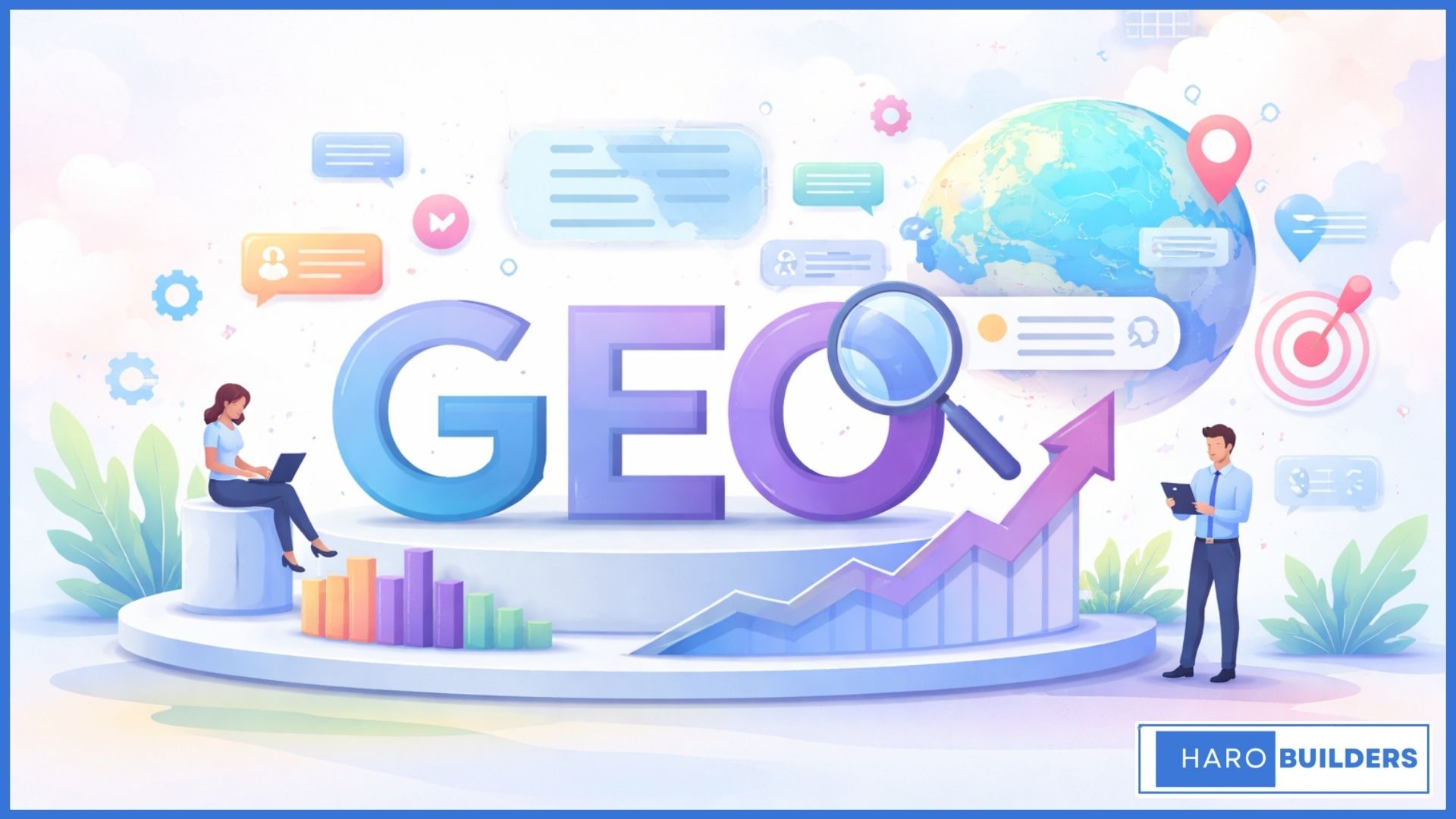
    GEO, or generative engine optimization, helps marketers optimize for AI-driven search systems effectively. Additionally, it supports visibility in AI search results across Google and Bing platforms. Consequently, marketers, update your SEO strategy to align with AI models, ensuring SEO still performs in modern search environments.

    How GEO Improves Visibility in AI Search:

    GEO improves visibility in AI search results by aligning content strategy with AI crawlers and AI summaries. Furthermore, it enhances ranking on Google Search and Bing through AI needs optimization. Consequently, SEO performance increases while AI tools help marketers track AI search visibility across platforms.

    GEO vs Traditional SEO Approaches:

    Traditional SEO focuses on ranking on Google and optimizing for search engines like Google and Bing. Conversely, GEO targets AI search optimization across AI platforms and AI models. Additionally, SEO isn’t dying but shifting toward AI-driven search, where generative systems influence visibility and search results significantly.

    Why SEO Still Matters for Google Search

    SEO still plays a vital role in Google Search despite the rise of AI search technologies. Additionally, search engines like Google and Bing continue relying on solid SEO signals for ranking content effectively. Moreover, SEO isn’t dead or outdated because traditional search engines still drive organic search traffic. Consequently, marketers, update your SEO strategy using Google Search Console insights. Therefore, SEO performance remains important for visibility in AI search results and long-term marketing strategy success in 2026 and beyond.

    Conclusion

    The question Is SEO Dead? continues circulating as Google’s AI and AI Overviews reshape search behavior. However, SEO is not dead because it still supports visibility across AI chats and LLMs and AI search systems. Additionally, Google’s AI overviews and optimizing for Google remain key to digital success in 2026 and beyond. Marketers now combine AI tools with traditional strategies for stronger performance in search results. Moreover, SEO continues evolving alongside AI-driven search and changing user intent globally. Ultimately, success depends on adapting content strategies to both AI systems and search engines effectively today. Do you think SEO will fully disappear in future search?

    FAQs

    1. Does Google still use traditional SEO ranking signals?

    Yes, Google still uses traditional ranking signals for search results, and AI only enhances how results are displayed.

    2. What is the role of AI in modern SEO?

    AI helps analyze keywords, content, and user search intent, and it improves optimization efficiency and content strategy decisions.

    3. Is organic traffic declining because of AI search?

    Organic traffic is shifting due to AI search results, however quality content still attracts steady search traffic.

    4. What is the future of SEO with AI tools?

    SEO will combine AI tools and traditional optimization methods, and this hybrid approach improves search performance and visibility.

    5. Should businesses still invest in SEO in 2026?

    Yes, businesses should continue investing in SEO strategies because it remains essential for long-term digital marketing success.