If unwanted users constantly bother you on TikTok, it becomes exhausting to ignore or tolerate negativity. Many users search for ways to block someone on TikTok quickly and discreetly. You can learn how to block someone on TikTok easily with a simple process. This 2025 guide outlines steps using TikTok’s block feature from the user’s profile or comment sections. You’ll also learn how blocking users on TikTok affects their ability to view your profile or interact with content. The complete easy steps guide below in the article.
What Happens When You Block Users on TikTok?
When you block someone on TikTok, that user can no longer view your TikTok profile. Additionally, they can’t comment on your videos or interact with any new content you post. Blocked accounts won’t show in your follower count, nor will they see your activities. Moreover, their previous likes or multiple comments might disappear from your TikTok video posts. Users on TikTok who are blocked are silently removed from your online presence. Consequently, they can’t message or tag you either. Blocking on TikTok is a private action, so the blocked user isn’t notified at any point.
How to Block Someone on TikTok? Easy Steps to Follow
If you want to block a TikTok user who keeps showing up in your comment sections or sends repeated messages, learning how to block someone on TikTok is essential. The platform makes it simple to block users directly from their TikTok profile or through activity on a TikTok video. Whether you’re dealing with unwanted attention or just managing your blocked accounts, this step-by-step guide will help you take full control while using TikTok in 2025.
Step 1: Open the TikTok App
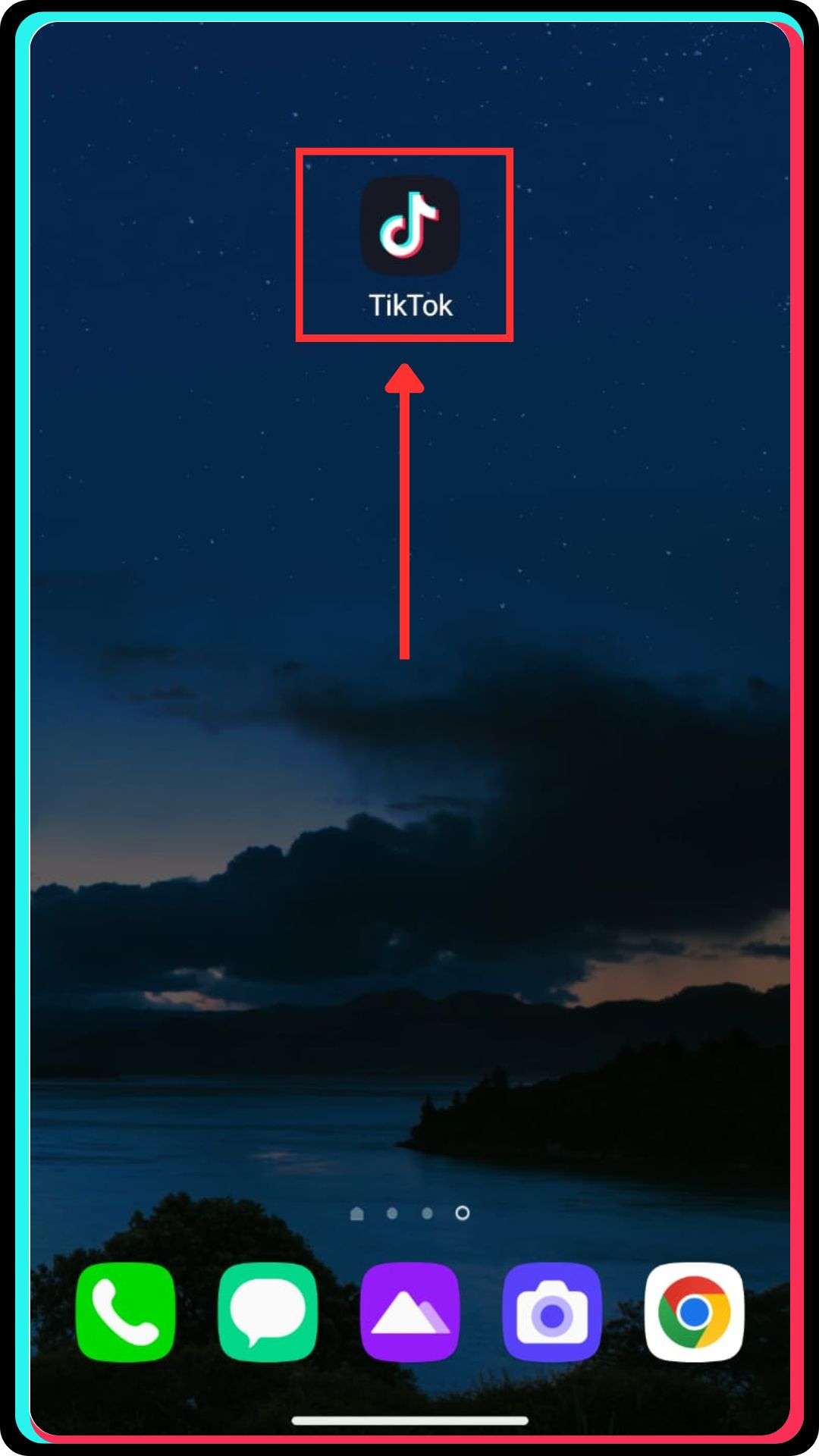
Open the TikTok app using your mobile device.
Ensure you’re signed into the correct TikTok account.
Step 2: Locate the TikTok User
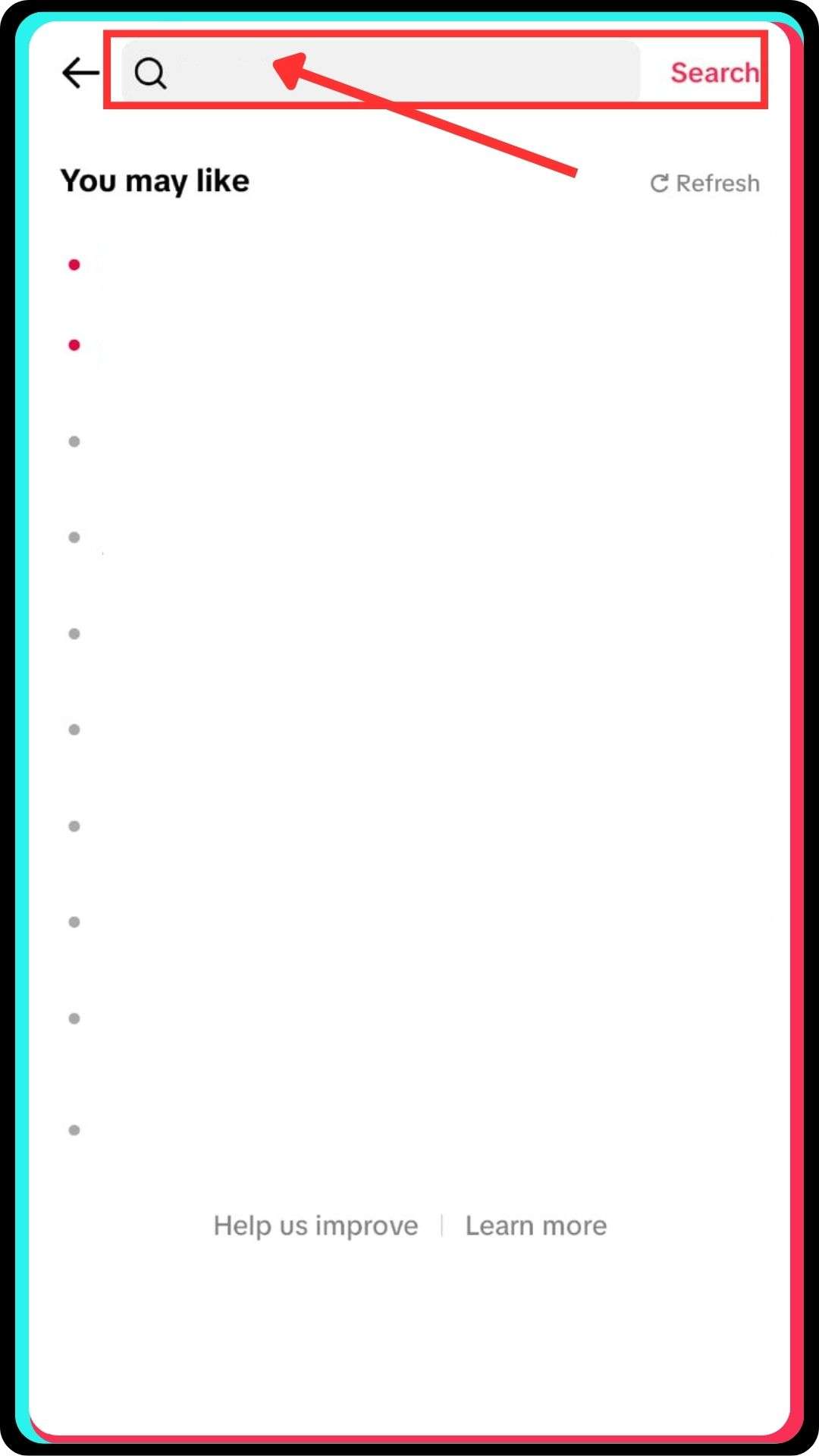
Use the search bar to find the TikTok user you want to block.
Alternatively, tap their username from a TikTok video or multiple comments.
Step 3: Visit Their Profile Page
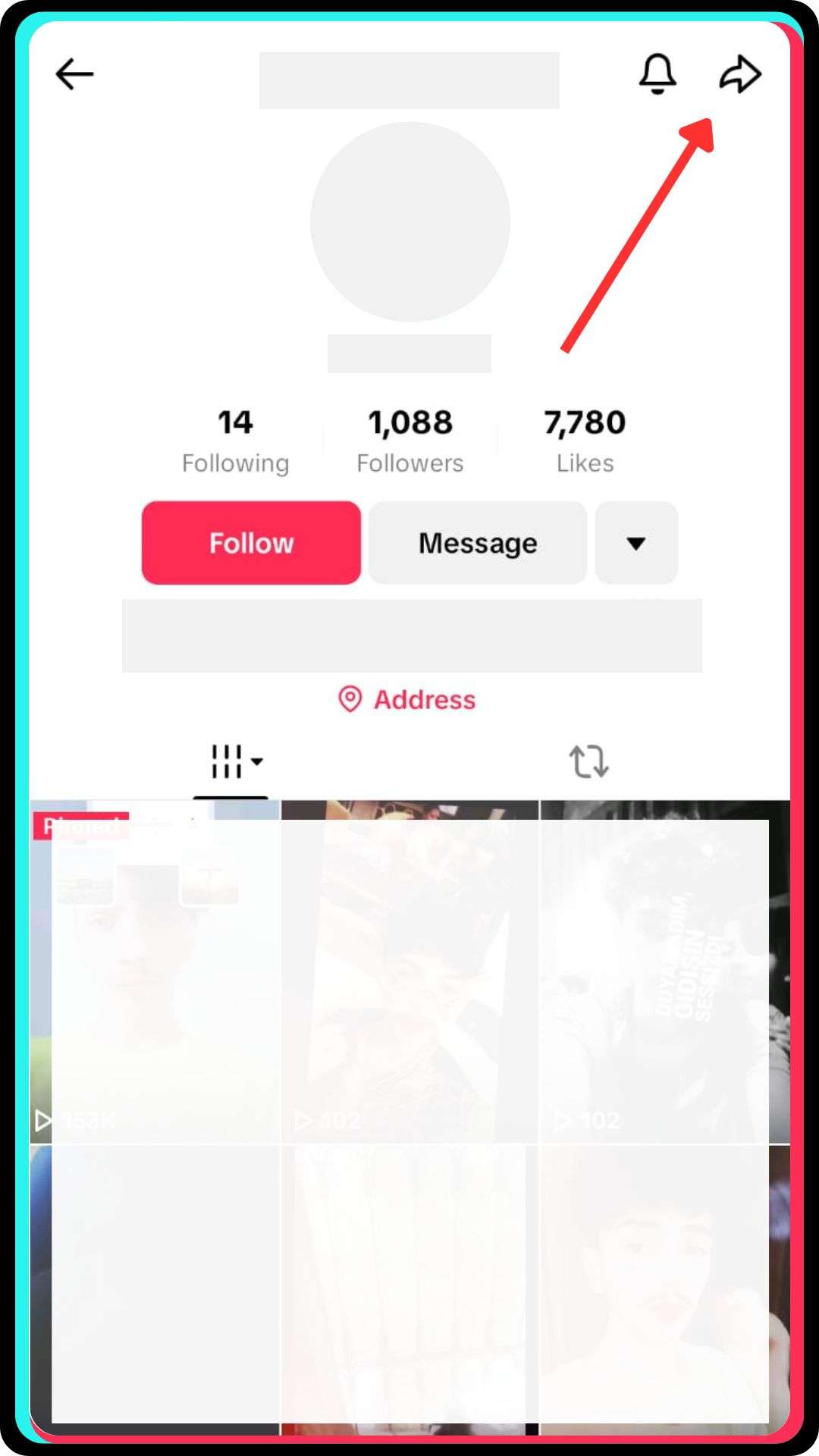
Tap their name to go to their TikTok profile.
Then tap the share icon in the top right corner.
Step 4: Block the User
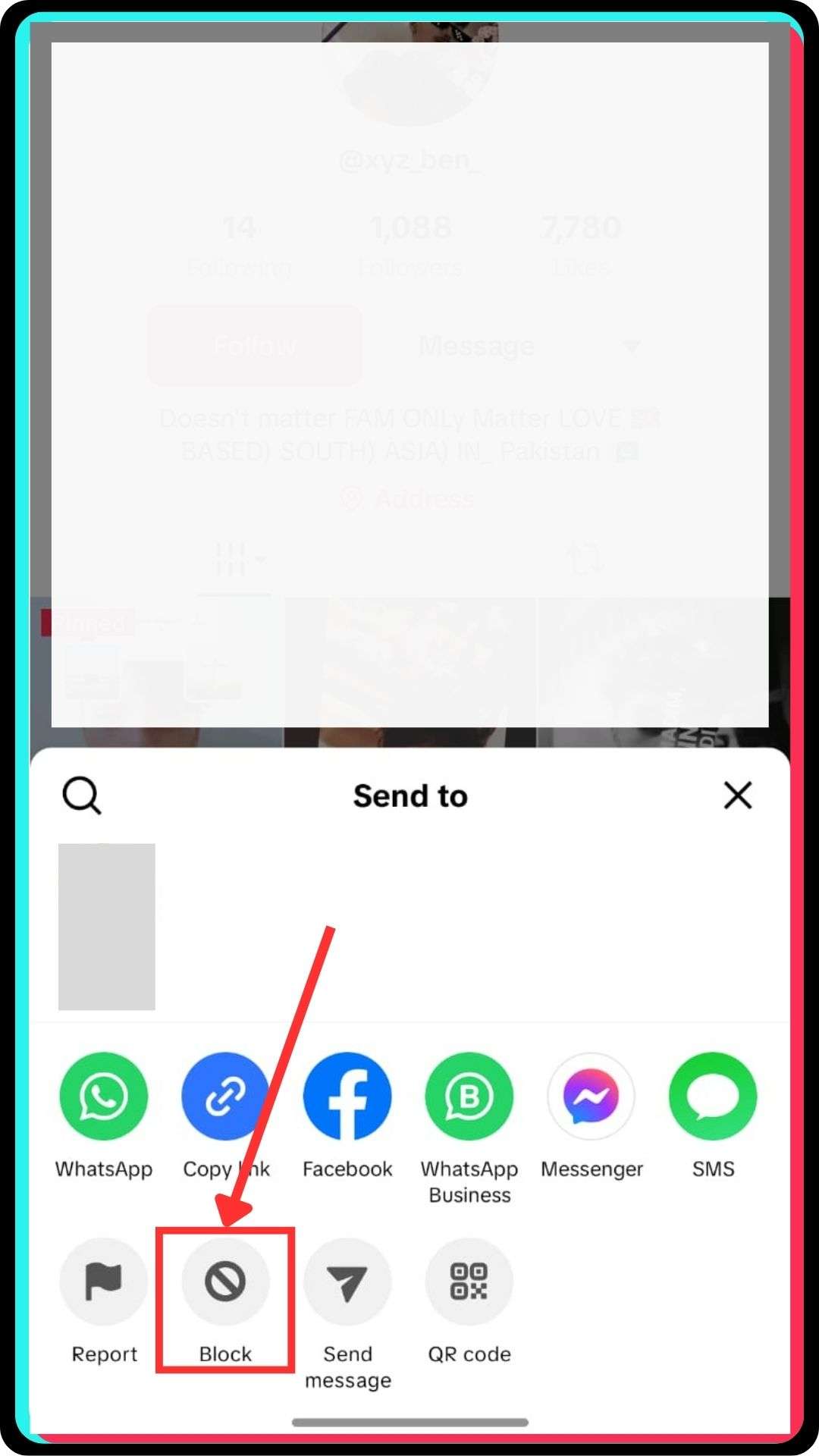
Select “Block” from the list that appears.
Confirm your action to move them to your blocked list.
See Blocked Accounts on TikTok
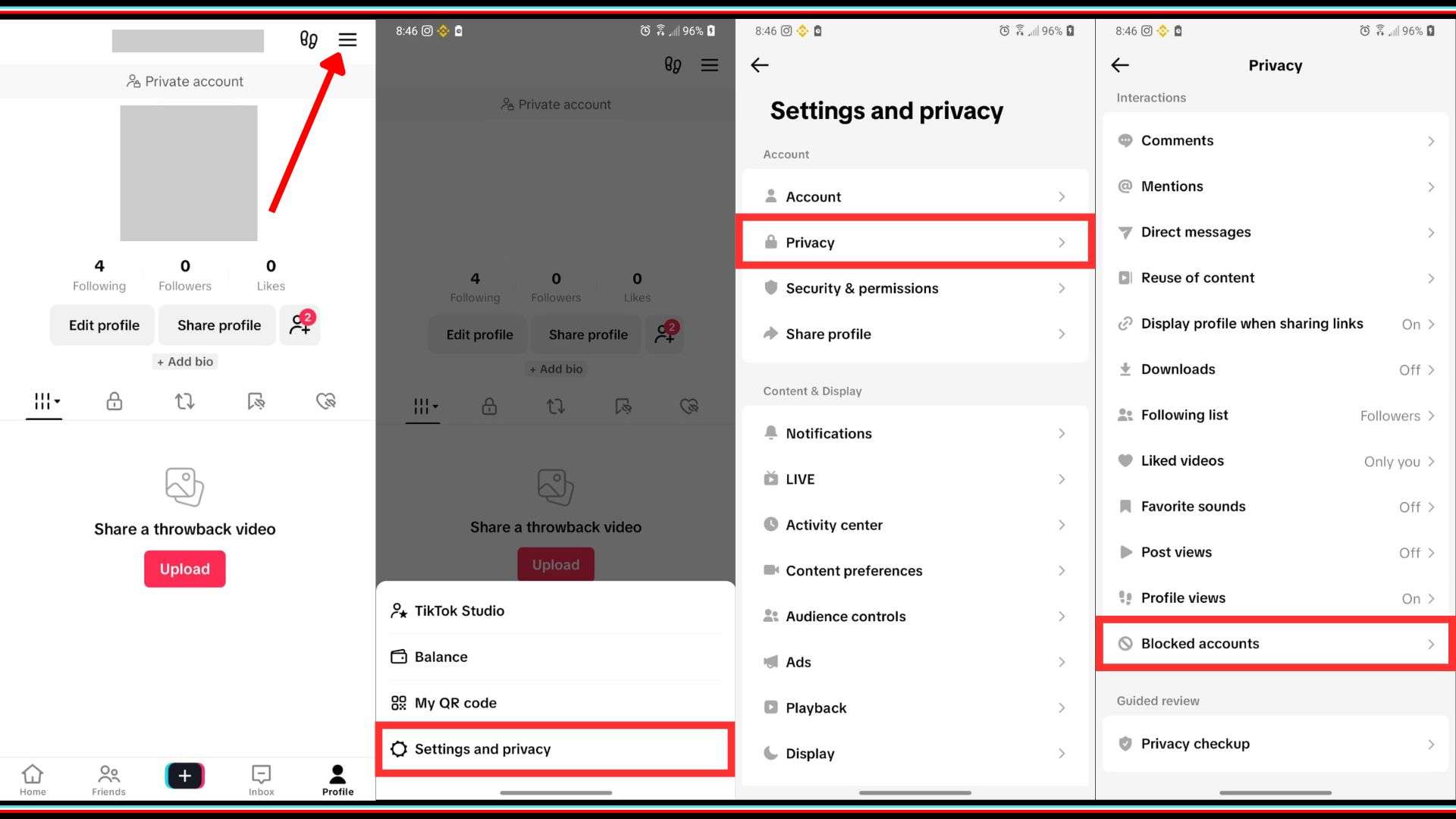
To see blocked users on TikTok, open the TikTok mobile app and go to your profile page. Then tap the three lines in the top-right corner and head into your privacy settings. Scroll until you find the blocked accounts section, which lets you manage users discreetly. TikTok doesn’t notify users when they’ve been blocked, nor does it show your profile to them. Blocked users won’t be able to follow, message, or interact with your content on TikTok. This block feature allows you to control unwanted TikTok interactions and maintain a positive viewing experience without interruption.
Steps to Unblock Someone on TikTok?
Open the TikTok mobile app and log into your TikTok account.
Tap the three lines on the top-right corner of your profile page.
Go to Privacy, then tap on Blocked accounts to view the full list.
Use the search bar to find the specific person you want to unblock.
Tap on the user’s profile page and select the Unblock option.
Once unblocked, the user can again view your profile and interact with your content.
TikTok does not send any notifications when someone is unblocked.
You can repeat these steps to easily unblock multiple TikTok users as needed.
How to Know If You’re Blocked on TikTok
If someone blocks you on TikTok, their content vanishes and their TikTok account becomes unreachable. You won’t be able to view their profile or comment on their videos, even through the search bar. Additionally, your previous comments may disappear from their posts, and their profile won’t appear in your following list. TikTok doesn’t notify users when they’ve been blocked, so the signs are indirect but noticeable. If you try to visit their profile and receive an error, it’s a clear indication. Although blocking users on TikTok is private, these signs evidently reveal you’ve been blocked without them knowing.
What TikTok Users Should Know About Account Privacy
TikTok allows users to control who interacts with their content, including blocking unwanted attention. When someone tries to visit your profile or interact with your content, privacy settings help restrict access. You can manage your following list, decide who can comment, and block anyone trying to follow you. TikTok does not notify users when they’re blocked, ensuring discreet action. Furthermore, users can see blocked users on TikTok and adjust settings accordingly. To maintain a positive experience, knowing how to block someone without them knowing becomes increasingly important for personal content control.
Contacting TikTok Support for Serious Violations:
If someone leaves harmful comments or engages in harassment, you should straightaway report the violation. TikTok allows direct contact with their support team for such cases. Furthermore, contacting TikTok Support helps when multiple TikTok accounts target your videos. Although blocking helps reduce interactions, serious violations need formal intervention. You may use the in-app form or visit the official support page. TikTok Support typically responds quickly, especially for safety-related issues that affect your ability to enjoy content on TikTok.
FAQs
1. Where do I find my blocked list on TikTok?
Go to settings and privacy, open Privacy, tap Blocked accounts to view and manage users.
2. How do I unblock someone on TikTok?
Visit blocked accounts list, find the user, tap their profile and select Unblock.
3. Can I block someone who already blocked me?
You usually cannot block someone who blocked your main account, without alternate access methods.
4. Why can’t I see the block option?
The interface moved block option under the share arrow in recent app updates.
5. Does blocking remove previous comments or likes?
Yes, past interactions like comments or likes may disappear from your content afterward.
Many users start a new Google Docs layout only to later realize they forgot to add page numbers correctly. Web-based documents often require numbering for professional chapters or templates. Most people get confused about it, especially when deciding where to place headers and footers properly. You can insert page numbers via the Insert menu, choosing a web or Android method. The guide below covers section breaks, first‑page numbering control, total page count display, plus Android and Google Workspace variations. A complete step by step walkthrough follows in this article to help you learn how to add page number in Google Docs efficiently.
Why Are Page Numbers Important in a Document?
Page numbers in a Google Doc help organize the content and maintain a structured format. They ensure readers include proper references, especially when reviewing lengthy text or legal documents. Moreover, they help differentiate between sections using either the header or footer. Consequently, when pages are printed or shared, the information flows consistently. Additionally, page numbers allow users to edit or rearrange content automatically without losing track. Hence, inserting page numbers enhances document readability and boosts overall presentation quality.
How to Add Page Number in Google Docs
To learn how to add page number in Google Docs, use the Insert tab to begin placing numbers. You can insert page numbers in Google either in headers and footers. This tutorial also lets you include the total page count for chapters, templates, or long Google Workspace content.
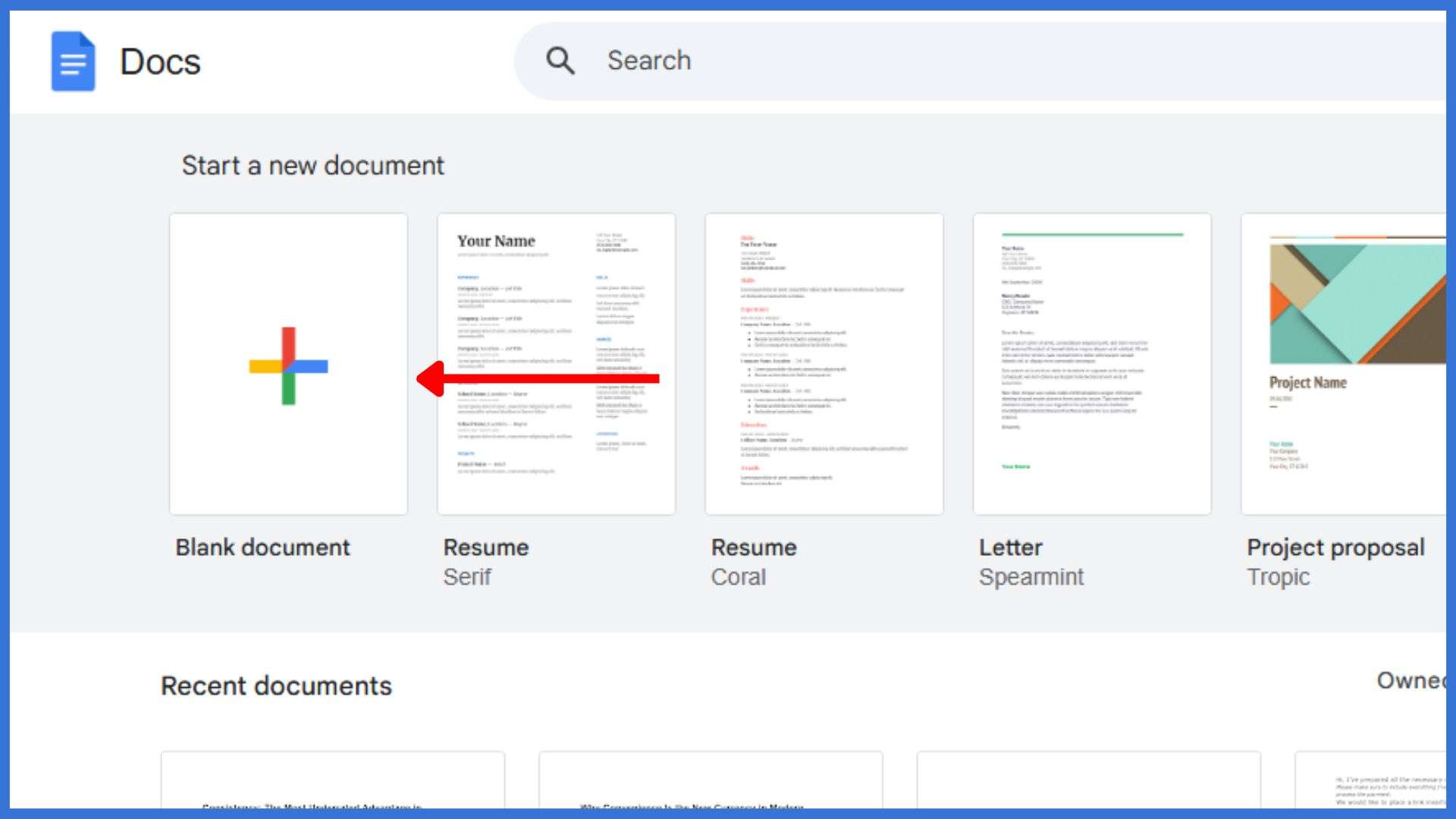
1. Open Your Document in Google Docs:
Open the file where you want the page numbers to automatically display using Google Docs.
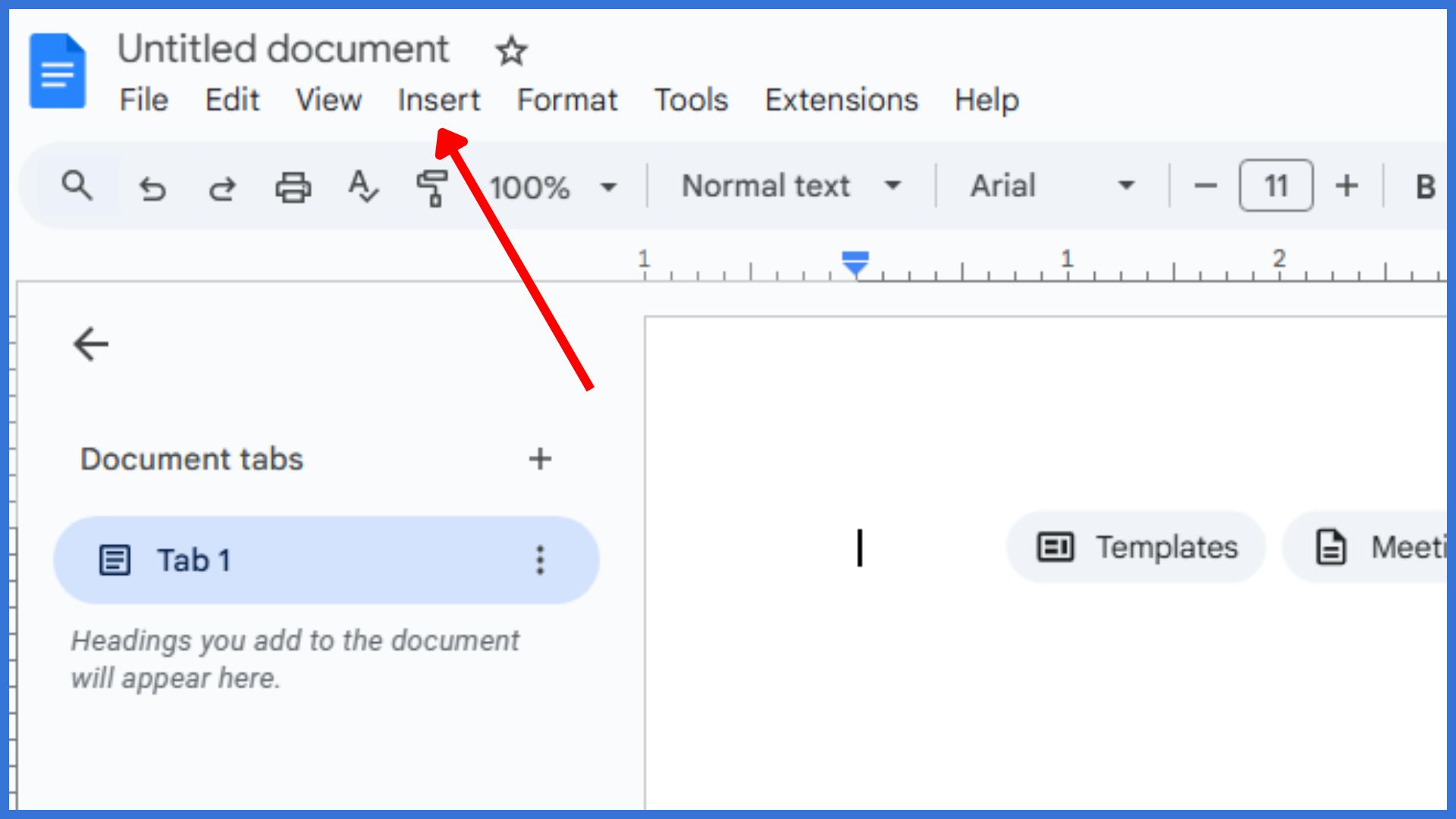
2. Click on the “Insert” Menu:
Click the Insert button from the top menu to begin formatting your page layout.
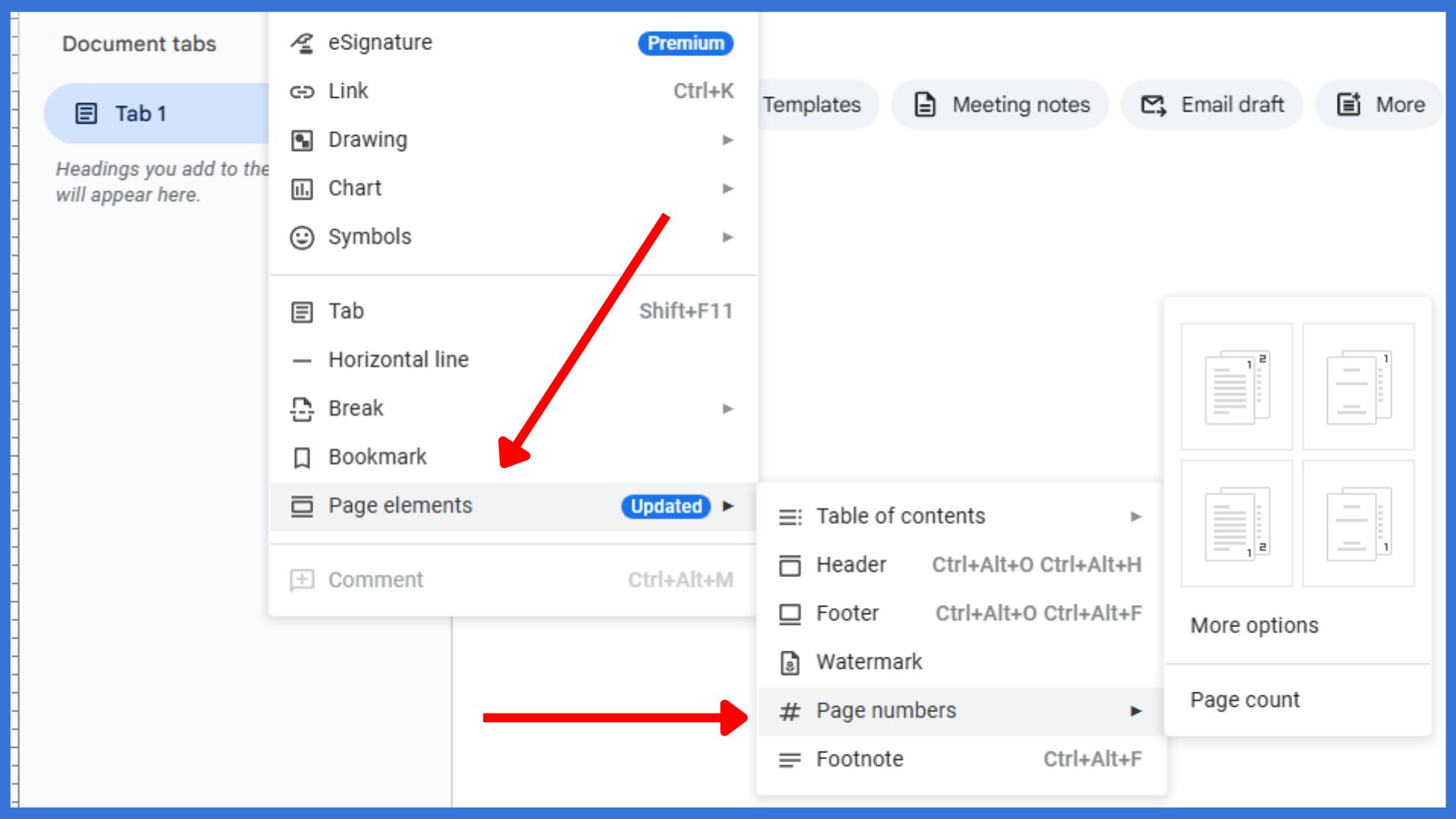
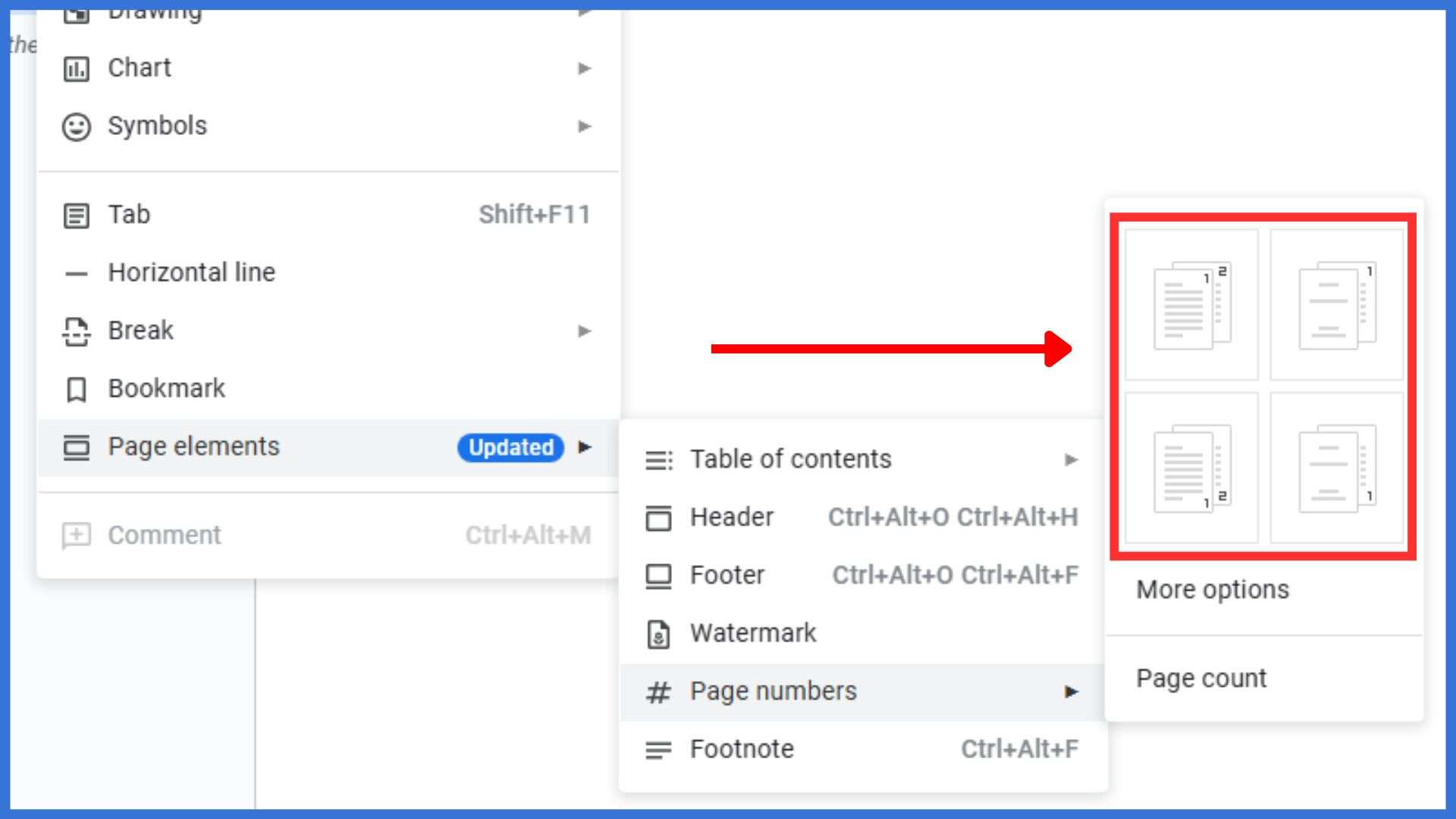
3. Hover Over “Page Numbers” in the Dropdown:
Place your cursor on “Page numbers” and wait for additional layout options to appear.
4. Choose a Page Number Format (Top or Bottom):
Select whether you want the numbers in the header at the top or footer below.
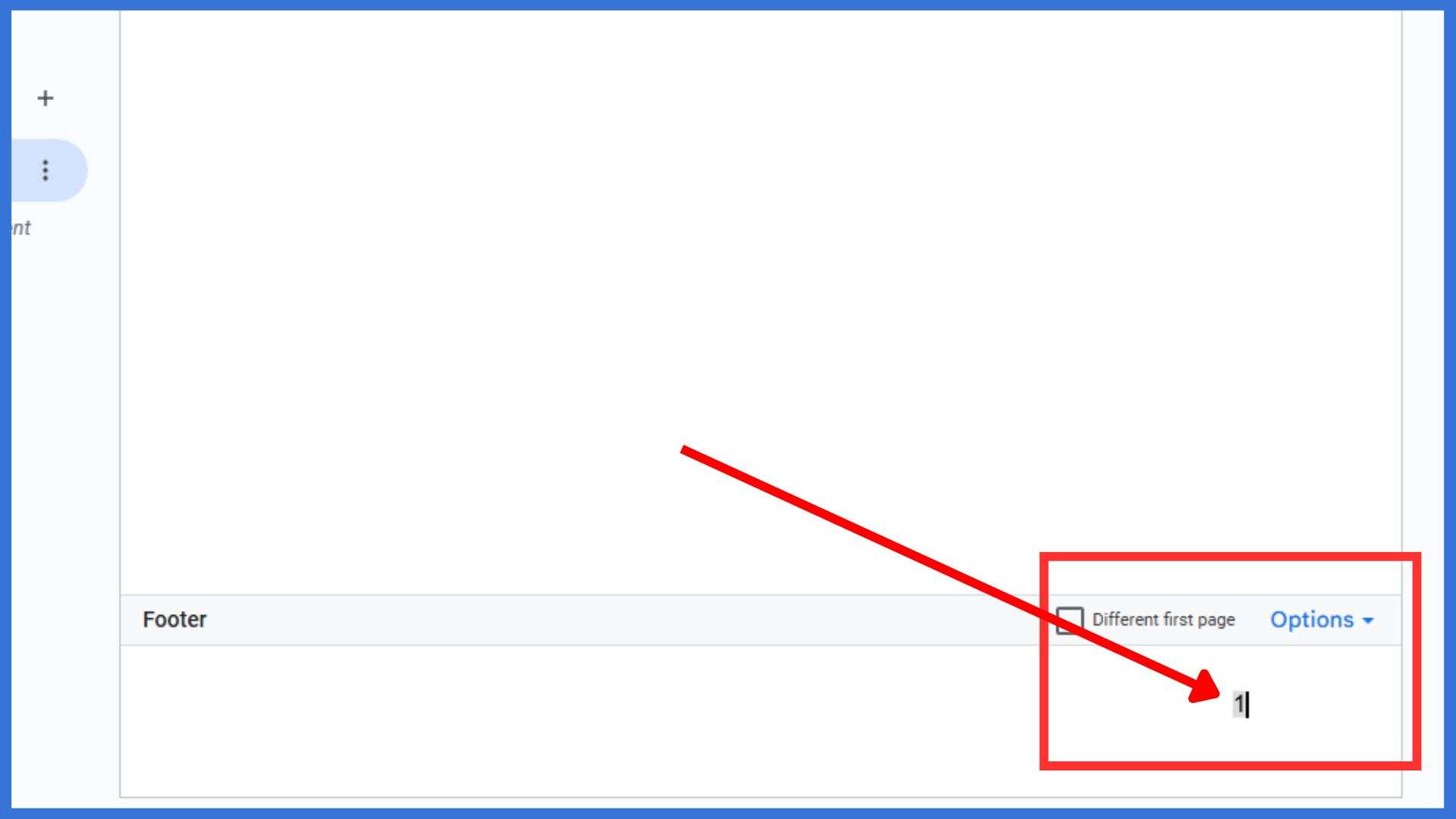
5. Insert Page Numbers in Header or Footer:
Use headers and footers to add numbers on every page or for specific sections.
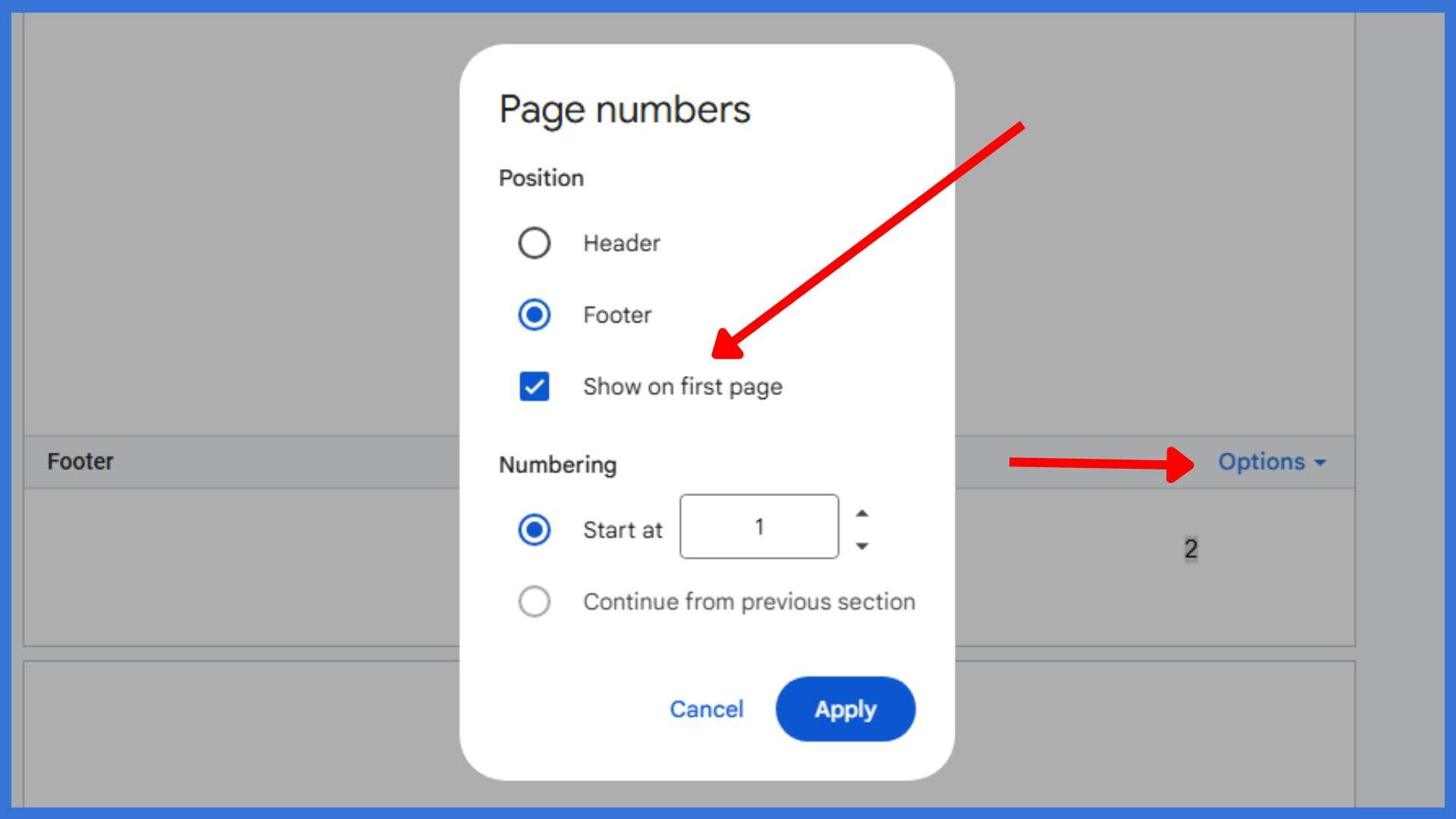
6. Adjust for First Page if Needed:
Deselect numbering on the title page if you don’t want numbering on the first page.
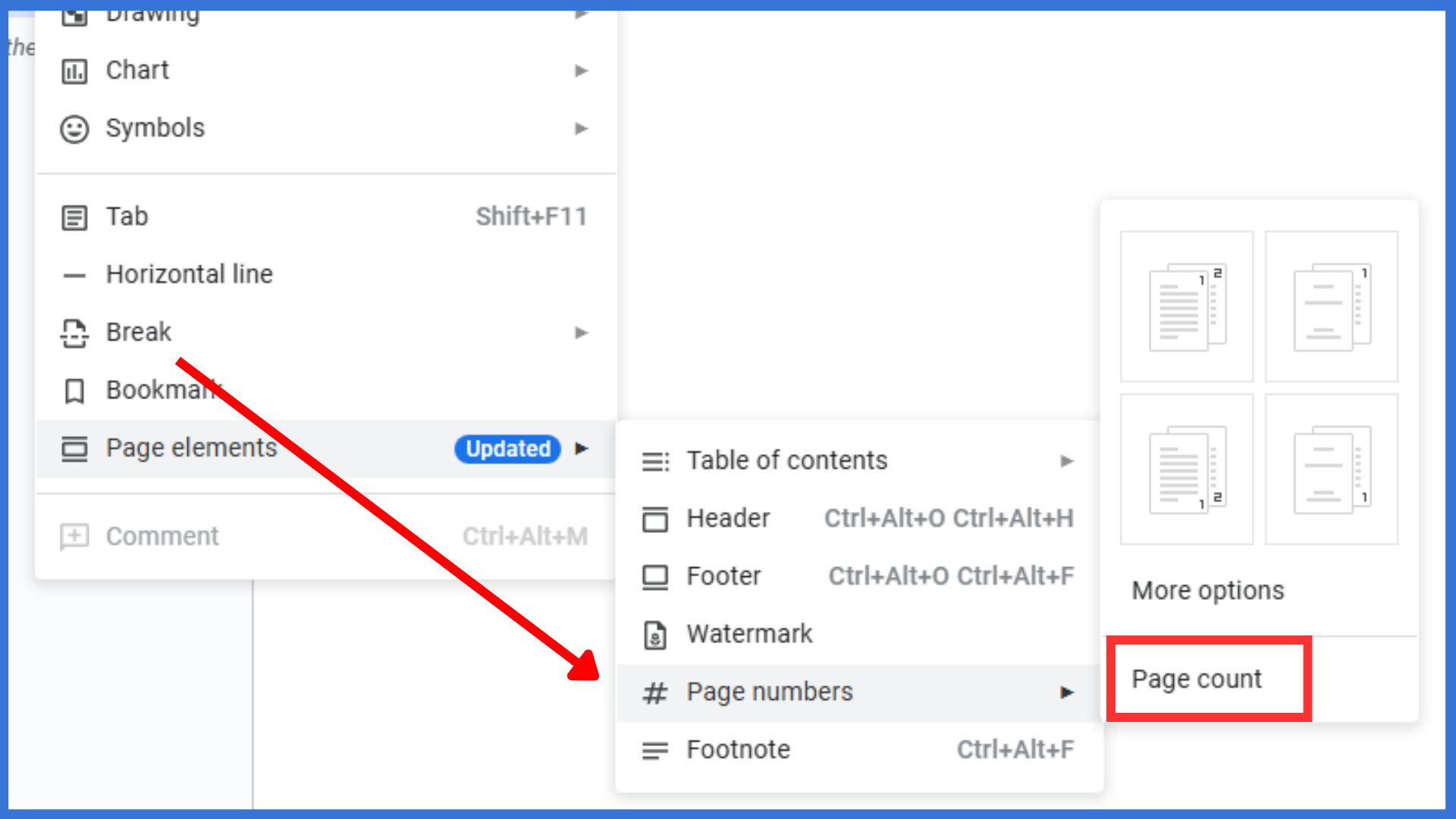
7. Add Page Count if You Want to Show Total Pages:
Include the page count next to the number to show total pages, especially for books.
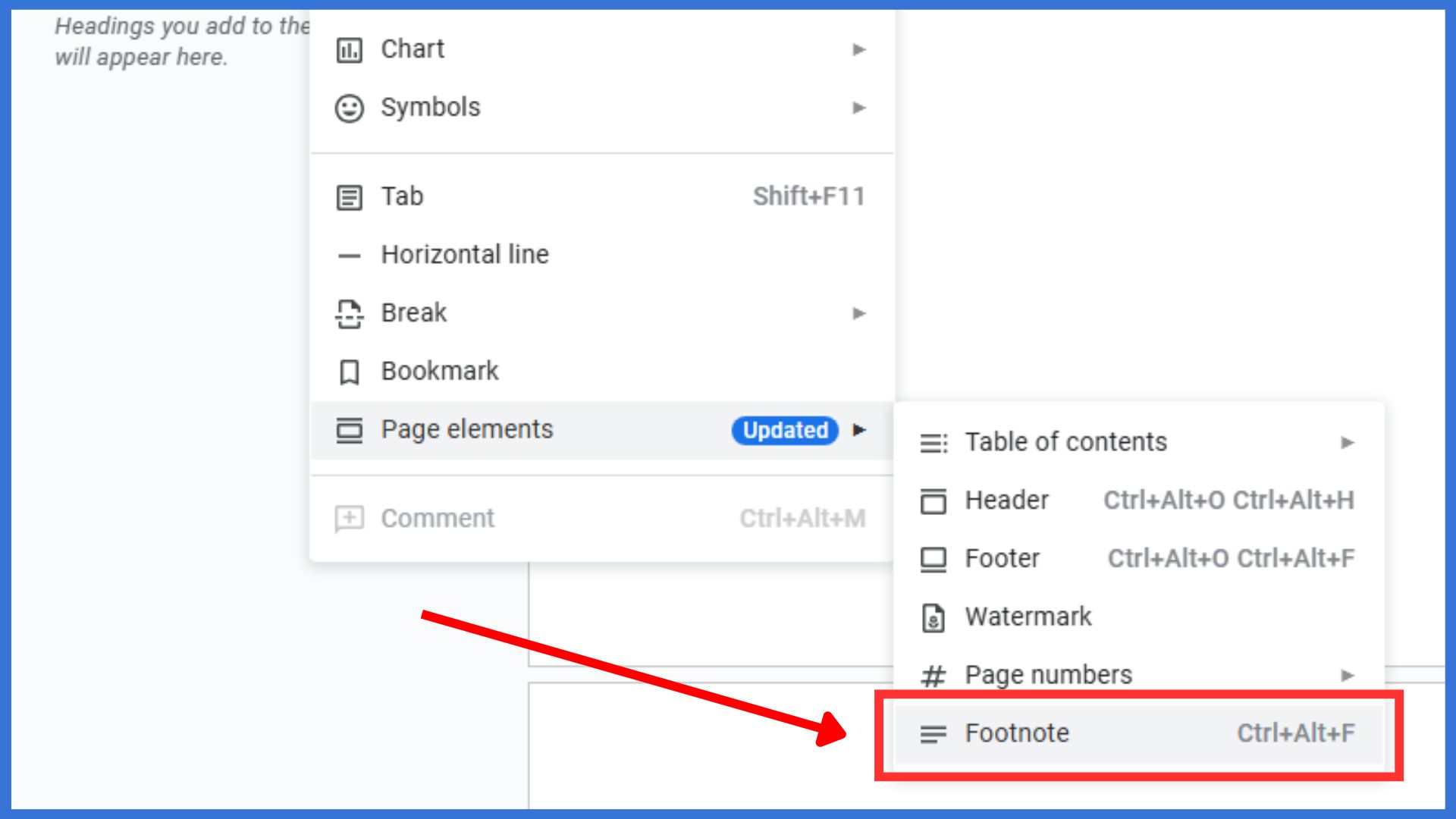
8. Add a Footnote If Needed for Additional Page Context:
Use the Insert option to add a footnote when you want to include extra information below.
Can You Add Page Numbers in Both Web and App Versions?
Yes, you can add page numbers in both the web and Android app versions of Google Docs. On desktop, the Insert option in the top menu lets users click and choose the page number style. Likewise, the mobile app allows you to access this feature, albeit with slightly different steps. Additionally, you can format numbers in the header or footer, depending on your preference. Therefore, regardless of device, Google Docs provides the flexibility to number pages efficiently.
FAQs
1. How to create different headers with page numbers?
Add section breaks, unlink headers, then insert unique page numbering per section.
2. How do I number only odd or even pages?
Use More options in the page numbers menu to set numbering for odd/even pages.
3. How can I reset page numbering mid‑document?
Break the document into sections, unlink them, then restart numbering in new sections.
4. Why won’t page numbers appear in the header?
Possibly because the header isn’t enabled. Double-click top of page to insert header first.
5. Where can I get more help on page numbers?
Visit Google Docs Help Center or look in-product under Help → Need more help? Knight Resources.
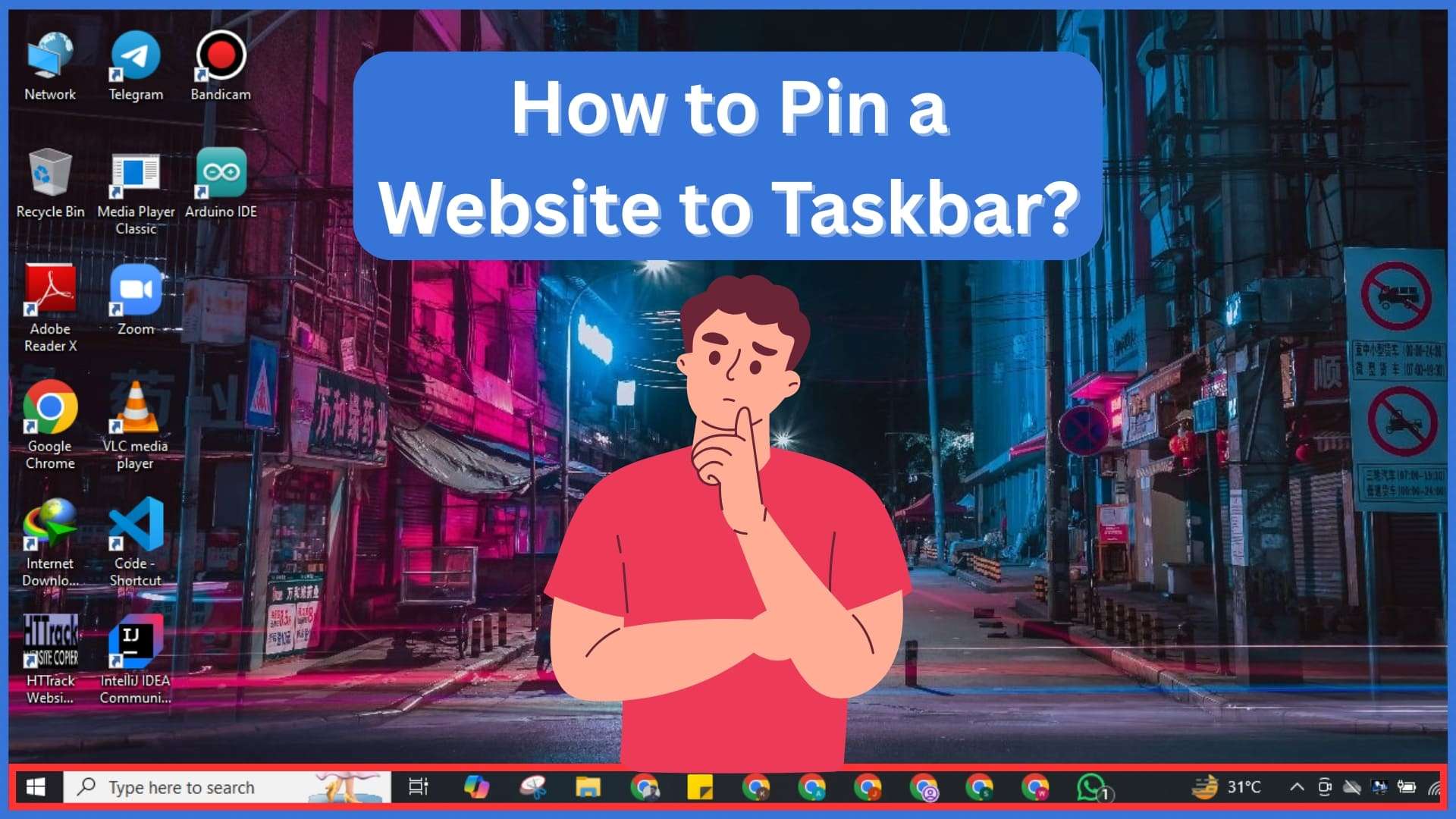
Ever find yourself hunting through tabs when you could launch your favorite site faster? Frequent website access boosts productivity when pinned directly. The solution lies in knowing how to pin a website to taskbar using your preferred browser. This guide shows how to create a desktop shortcut and right‑click on the icon to pin it straight to your taskbar. You’ll see steps for Chrome, Edge, and Firefox. The full walkthrough is provided in the article below.
How Pinning Websites to the Taskbar Enhances Quick Access
Pinning a website to the taskbar allows users to launch web pages directly from the desktop interface. Instead of opening a browser first, users can click the pinned icon for immediate access to the URL. This method works efficiently on Windows 10 and Windows 11 using Chrome, Firefox, or Microsoft Edge. Evidently, it simplifies workflows for frequently visited websites and web apps. Moreover, creating a shortcut saves time during repeated tasks. Users can also pin websites to the Start Menu for added convenience. Altogether, it enhances multitasking by reducing unnecessary browser navigation steps throughout the day.
How to Pin a Website to Taskbar in Windows?
To understand how to pin a website to taskbar, it’s important to know that this feature improves access speed. Both Windows 10 and Windows 11 allow users to pin websites directly using browsers like Google Chrome, Firefox, and Microsoft Edge. Each browser provides compatibility with shortcut-based or built-in pinning options. Moreover, users can decide whether to add the website to the taskbar or Start Menu based on their preference. The method mainly depends on browser choice and system version. Ultimately, pinned websites function like regular apps, offering instant access through a familiar desktop icon.
Pin a Website to Taskbar Using Google Chrome:
Open Google Chrome and visit the URL you want to pin to the taskbar.
Click the three-dot menu in the browser’s upper-right corner for more options.
Hover over “More tools” and then select “Create shortcut” from the submenu.
Name your shortcut accordingly, and check the box labeled “Open as window.”
Click “Create” to place the shortcut on your desktop.
Right-click the desktop icon and select “Pin to taskbar” from the context menu.
Your website is now pinned for instant access without needing to reopen the browser.
This method works efficiently across Windows 10 and Windows 11 systems.
Pin a Website to Taskbar Using Microsoft Edge:
Launch Microsoft Edge and enter the URL of the website you wish to pin.
Click the three-dot menu in the top-right section of the browser window.
Scroll down to find “More tools”, then click “Pin to taskbar.”
Confirm the name of the shortcut before pinning it to the taskbar.
The Edge browser immediately places the icon on your Windows taskbar.
This shortcut can also be pinned to the Start Menu if preferred.
You can use this method in both Windows 10 and Windows 11.
No need to manually create a desktop shortcut for this method.
Pin a Website to Taskbar Using Firefox:
Open Firefox and navigate to the website you want pinned.
Reduce the browser window size to allow access to your desktop.
Drag the URL icon (padlock symbol) from the address bar onto your desktop.
Right-click the new desktop shortcut and select “Properties.”
Under the “Shortcut” tab, add Firefox’s path before the URL in the Target field.
Click “Apply” and then “OK” to save changes to the shortcut.
Right-click the edited icon and choose “Pin to taskbar.”
This method works best on Windows 10 and Windows 11 devices.
Add Website Shortcuts to Start Menu in Windows 11
To pin your favorite website to the Start Menu in Windows 11, begin by opening your preferred web browser. Then, access the URL you want to pin and create a desktop shortcut. Afterwards, right-click the shortcut on your desktop and select the “Pin to Start” option from the context menu. This process adds the website icon to your Start Menu for quick access. Depending on the browser, the layout may vary slightly. Moreover, users can pin multiple web links for organized accessibility. Eventually, this method helps you quickly access frequently visited pages without reopening the browser window.
Alternative Ways to Pin URLs or Web Pages
Besides built-in pinning options, you can also add a website by dragging the URL to the taskbar. Simply drag and drop the website icon from the address bar to your desktop. Then, right-click the shortcut and choose the option to pin it directly to the Windows 10 taskbar. This works with the Google Chrome browser and Microsoft Edge browser alike. Also, double-clicking the desktop shortcut opens the desired website in your default browser. Furthermore, you can pin it to the Start Menu in Windows 10 for added flexibility. These methods ensure easier access to your most-used webpages. The Windows 10 taskbar offers several customization features, including resizing, repositioning, combining taskbar buttons, and adjusting icon alignment. Users can also manage which system icons appear, change taskbar color, and configure it for multiple displays.
Access to harmful content is just a tap away, even on devices used by children or employees. Many users face the same issue but don’t know how to block websites on iPhone effectively. A majority of parents worry about inappropriate online content, especially on mobile devices. Whether you’re dealing with adult websites, distractions, or security threats, iOS offers built-in options to block specific sites. From Screen Time settings to Safari restrictions, you can take full control. This article outlines easy ways to block unwanted websites on iPhone and iPad using simple, step-by-step instructions.
Why You Might Want to Block Websites on iPhone
Blocking websites on iPhone is essential for reducing access to inappropriate or adult content. Equally, it protects users from dangerous or unwanted websites that may carry malicious threats or constant distractions. Parents often want to block certain sites to ensure online safety and help their kids focus on school tasks.
One effective method for managing screen activity is learning how to block websites on iPhone using built-in content restrictions. This allows control over specific URLs and prevents unapproved access.
Consequently, individuals and families benefit from safer browsing habits and better productivity when these privacy settings are correctly applied on iOS devices.
How to Block Websites on iPhone?
Block Specific Websites Using Screen Time Feature:
Firstly, go to Settings and tap Screen Time on your iPhone or iPad.
Secondly, select Content & Privacy Restrictions, then enable this option using a screen time passcode.
Thirdly, tap Content Restrictions, then choose Web Content under the list of controls.
Under Limit Adult Websites, tap Add Website under the Never Allow section.
Type the full URL of the specific website you want to block.
Afterwards, return to save settings and block the unwanted websites immediately.
Henceforth, these blocked websites will be inaccessible through Safari or any other browser on iOS.
You can also review approved websites under Allowed Websites Only anytime.
Enable Content Restrictions in Safari:
First, head to Settings, tap Screen Time, and select Content & Privacy Restrictions.
Enable the toggle switch if restrictions are not already active on your iPhone.
Next, tap Content Restrictions, then locate and select Web Content under Safari settings.
Choose the option titled Limit Adult Websites to block access to adult or inappropriate websites.
Additionally, you can use the Never Allow list to block specific websites using full URLs.
Approved websites may still remain accessible unless added to the restricted list.
After configuring, close settings to enforce web content blocks in Safari.
This method works well for anyone seeking to block sites on both iPhone and iPad.
Blocking a Website on Chrome Browser in iOS:
Unlike Safari, Chrome on iOS lacks built-in options to block websites directly within the app. However, you can still block specific websites in Chrome by applying the same Screen Time method used for Safari. Since iOS content restrictions apply across all browsers, blocking sites through Screen Time also affects Chrome.
Additionally, third-party parental control apps can help block certain websites, including malicious websites or adult content. These tools offer more flexibility if you’re managing multiple devices or users. Afterwards, restart Chrome to ensure any newly blocked URLs are fully restricted on your iPhone or iPad.
How to Block Unwanted Websites Without Using Screen Time
Although Apple’s Screen Time feature is widely used to block certain websites, it’s not the only method. You may need to block websites on iPhone or iPad without relying on Apple’s built-in controls. This is especially useful when managing multiple browsers like Chrome or Safari. To restrict access to websites using alternative tools, follow these steps:
Use DNS-based filters like OpenDNS to block websites at the network level.
Set up parental control apps that block inappropriate websites on iPhone automatically.
Configure router settings to block websites across all connected devices, including iOS.
Use VPNs that offer malicious website blocking filters and content restrictions.
Preventing Access to Blocked Websites
Blocking websites on your iPhone is effective only when unauthorized access is prevented afterward. You must ensure your child’s iPhone doesn’t allow changes to restricted settings. After configuring Apple’s Screen Time settings, always enable a screen time passcode. Additionally, restrict access to browsers like Chrome if they bypass Safari’s content filters. Furthermore, disable access to website lists or app stores that may override your blocks. Therefore, always monitor attempts to bypass filters on websites and apps you already restricted.
Tips to Manage Privacy Restrictions and Block Apps
Privacy settings on your iPhone or iPad can restrict websites and apps that may not be kids safe.
Tips to manage privacy restrictions:
Use Apple’s Screen Time feature to block apps and purchases on iPhone effectively.
Enable content restrictions to block access to inappropriate websites on iPhone using Safari.
Select “Limit Adult Websites” to automatically block malicious websites and adult content in Safari.
Choose “Allowed Websites Only” to create a list of approved websites for your child’s iPhone.
Block access to certain websites and apps by adjusting privacy settings under Screen Time.
Consider apps used to block websites via custom filters and stricter browsing rules.
Conclusion
Knowing how to block websites on iPhone empowers you to limit access to inappropriate or distracting content. Using Screen Time, you can create a list of approved websites, apply content restrictions, and set a passcode. You can also block access to specific URLs on Safari and Chrome. This helps reduce exposure to malicious websites and ensures kids stay safe online.
Moreover, the Screen Time feature works across all iOS devices, including iPad. With just a few steps, you can restrict access to websites you want to block. So, which types of websites do you feel should be restricted first, and why?
If you’re adjusting your iPhone’s settings for a more personalized experience, you may also like to change voice on maps to suit your driving preferences and make navigation more enjoyable.
FAQs
1. Can Chrome on iPhone block websites like Safari?
Not directly. Use Screen Time restrictions or parental control tools that work across browsers.
2. Does iPhone block malicious websites automatically?
Safari uses built-in fraud warnings, but you can block malicious sites manually through filters.
3. How do I make my child’s iPhone kids-safe for browsing?
Enable content restrictions, limit adult websites, and restrict apps using Screen Time settings.
4. Can I block sites permanently on my iPhone or iPad?
Yes. Once blocked in Screen Time, websites stay restricted until the settings are changed manually.
5. Why are some websites still accessible after I block them?
Check if the correct URL was entered. Also, make sure no alternate browsers bypass the block.
Facing unwanted public view, you’re searching how to unpublish WordPress site quickly. Many WordPress users struggle hiding content during updates or rebranding. Additionally, managing multiple pages or posts can feel overwhelming when site maintenance demands discretion. Thankfully, WordPress makes it easy to unpublish pages or your entire WordPress site in just three easy steps. In this guide, we’ll show you how to unpublish WordPress site permanently, temporarily, and hide specific pages or posts, and manage broader site visibility. The complete guide is provided below for your clear reference.
What Does It Mean to Unpublish a WordPress Site?
Learning how to unpublish WordPress site means removing your content from public view without deleting everything. You may want to unpublish your WordPress site temporarily or permanently, depending on your goals and timeline. It’s an ideal solution when redesigning, troubleshooting, or preparing to relaunch. Instead of deleting posts or pages, you can hide them from visitors and search engines altogether. This method allows you to retain full control over your WordPress website while controlling what the public can or cannot access. Unpublishing ensures the entire site or selected content stays hidden until you’re ready to make it live again.
Impact on Your WordPress Website and Content
Unpublishing a WordPress site will affect both visibility and accessibility of your web content.
Search engine visibility is immediately reduced when you discourage search engines from indexing this site.
Pages and posts become inaccessible to the public but remain editable within your WordPress dashboard.
WordPress admin users can still manage individual pages while the public view is completely blocked.
Entire site functionality remains active even when using maintenance mode to hide it temporarily.
WordPress page or post links may return 404 errors if not redirected properly or set to private.
How to Unpublish WordPress Site Permanently?
To unpublish your WordPress website permanently, follow these three straightforward steps within your WordPress admin dashboard.
Step 1: Disable Search Engine Visibility from Dashboard
First, go to Settings > Reading in your WordPress admin dashboard to locate visibility options.
Check the box labeled “Discourage search engines from indexing this site” to prevent content crawling.
Although this doesn’t guarantee full de-indexing, it sends a clear signal to search engines not to index.
Additionally, you should verify this setting using your search engine webmaster tools panel afterward.
Step 2: Use Maintenance Mode Plugin to Block Public View
Install a plugin like WP Maintenance Mode to hide your entire site while keeping admin access open.
This tool activates a custom screen and takes your site offline for visitors, but not for administrators.
Furthermore, it allows you to show a maintenance message while you manage pages and posts internally.
Consequently, your WordPress site temporarily becomes invisible without affecting stored content or design.
Step 3: Manually Unpublish or Delete All Pages and Posts
Inside your WordPress dashboard, select Pages > All Pages or Posts > All Posts to manage content.
You can unpublish a page by setting its status to Draft or Private rather than deleting it.
Alternatively, to permanently remove it, click Trash and then empty the trash folder for full deletion.
This way, you unpublish your entire WordPress site without needing to delete the whole installation.
Temporarily Unpublish Your Entire WordPress Site
There are times you may want to temporarily unpublish your WordPress site without deleting your content permanently. This action lets you take your site offline during updates, redesigns, or while heading in a new direction. WordPress makes it easy with plugins and built-in features that hide your entire site without loss.
Steps:
Activate maintenance mode plugins like Website Builder by SeedProd for site-wide hiding.
Use a plugin like LH Archived Post Status to change content visibility globally.
Hide your site through dashboard settings by discouraging search engines from indexing content.
Unpublish WordPress Pages and Posts
You might only need to unpublish specific pages or posts instead of hiding the entire site. Whether it’s for edits, outdated content, or internal review, WordPress lets you control individual content visibility effortlessly without deleting your site.
Steps:
Switch status to draft for any page or post directly in the WordPress editor.
Use the “Private” option to limit access to logged-in users only.
Apply LH Archived Post Status plugin for better management of archived WordPress content.
Edit page visibility settings manually for selected individual pages or posts.
Unpublishing Your WordPress Site: 5 Things to Consider
Factors
Details
Entire WordPress site vs specific
Decide whether to unpublish your entire WordPress site or only certain pages or posts.
Backup and data safety
Always back up your WordPress content before making visibility or deletion changes.
Maintenance or full removal
Know if you’re using maintenance mode or planning to delete your WordPress site.
Search engine visibility
Unpublishing your site can remove indexed content; adjust search settings accordingly.
Plugin compatibility
Plugins like SeedProd or LH Archived Post Status function differently across hosting types.
Conclusion
Now you’ve learned how to unpublish WordPress site effectively in 3 easy steps. You can hide your site during redesigns, hide specific pages and posts, or take your entire WordPress website offline safely and simply. By following these methods, you maintain control over visibility while prepping changes or rebranding efforts. WordPress makes it easy and allows safe management without deleting anything permanently. Have you tried any of these steps on your own site yet?
To speed up content creation, you may also want to read this guide on how to duplicate a page in WordPress.
FAQs
1. Will unpublishing my site affect SEO?
Yes, search engines may drop unindexed pages, so use redirects or noindex tags.
2. Is unpublishing different from deleting?
Yes, unpublishing keeps your content saved while deleting removes it completely from your site.
3. How to password protect a page in WordPress?
Within the editor, select “Password Protected” visibility and enter your chosen password.
4. Does unpublishing impact site backups?
Not if you backup beforehand—this ensures data safety during content visibility changes.
5. Can I republish content later?
Yes, simply change status from Draft or Private back to Publish when ready.
Struggling with inefficient workflows when copying layouts across your site? Content creators spend nearly 30% extra time rebuilding pages manually. Fortunately, understanding how to duplicate a page in WordPress is straightforward thanks to the variety of built-in and plugin-based solutions available.
This complete guide reveals manual copying, plugin use, dashboard cloning, Yoast Duplicate Post, and code-based duplication approaches. Each technique ensures you can recreate an existing layout or replicate a post or page title, while maintaining structure and reducing errors.
Read on, and this article will give you the comprehensive, step-by-step roadmap you need to duplicate pages or posts on your WordPress site easily.
Why You Need to Duplicate a Page or Post in WordPress
Sometimes, you may need to duplicate a page in WordPress to reuse its layout and content. This helps when creating a new page based on an existing page or post in WordPress. Moreover, duplicating a post or page ensures consistent formatting across your WordPress site. Instead of starting from scratch, copying content saves time and maintains structure.
Additionally, when working with custom post types, it becomes easier to manage layout repetition. Therefore, whether using a plugin or manual method, page duplication is practical. It’s useful for replicating a post in WordPress while preserving the original page structure and design.
How to Duplicate a Page in WordPress?
Learn how to duplicate a page in WordPress. It saves time, especially when reusing layouts or updating existing content. Moreover, it helps maintain consistency across posts and pages. Consequently, content editors and developers use it regularly to speed up their workflow. Therefore, mastering this process is highly practical.
Method 1: Manually Copy a Page or Post Without a Plugin
This method is suitable if you want to duplicate a WordPress page without using any plugins.
Open the page in WordPress you want to duplicate and switch to the text editor view.
Copy the entire content, including headings, media, and custom formatting as needed.
Afterwards, go to Pages > Add New in the WordPress dashboard to create a new page.
Paste the copied content into the editor and adjust the title, permalink, and meta info.
Ensure media like images or videos are still linked correctly from the original post.
Customize any required elements like shortcodes, forms, or embedded content manually.
Save the draft or publish straightaway depending on the use of the duplicated page.
This method also works for duplicating posts in WordPress without altering plugin settings.
Particularly useful when handling only a few pages and avoiding additional plugin installs.
However, this process doesn’t duplicate custom post types, metadata, or SEO settings.
Method 2: Use a WordPress Plugin for Page Duplication
Using a plugin offers a faster and more consistent way to duplicate a post or page in WordPress.
Install a reliable duplicate page plugin from the plugin directory.
Activate the plugin from the Plugins tab in your WordPress dashboard.
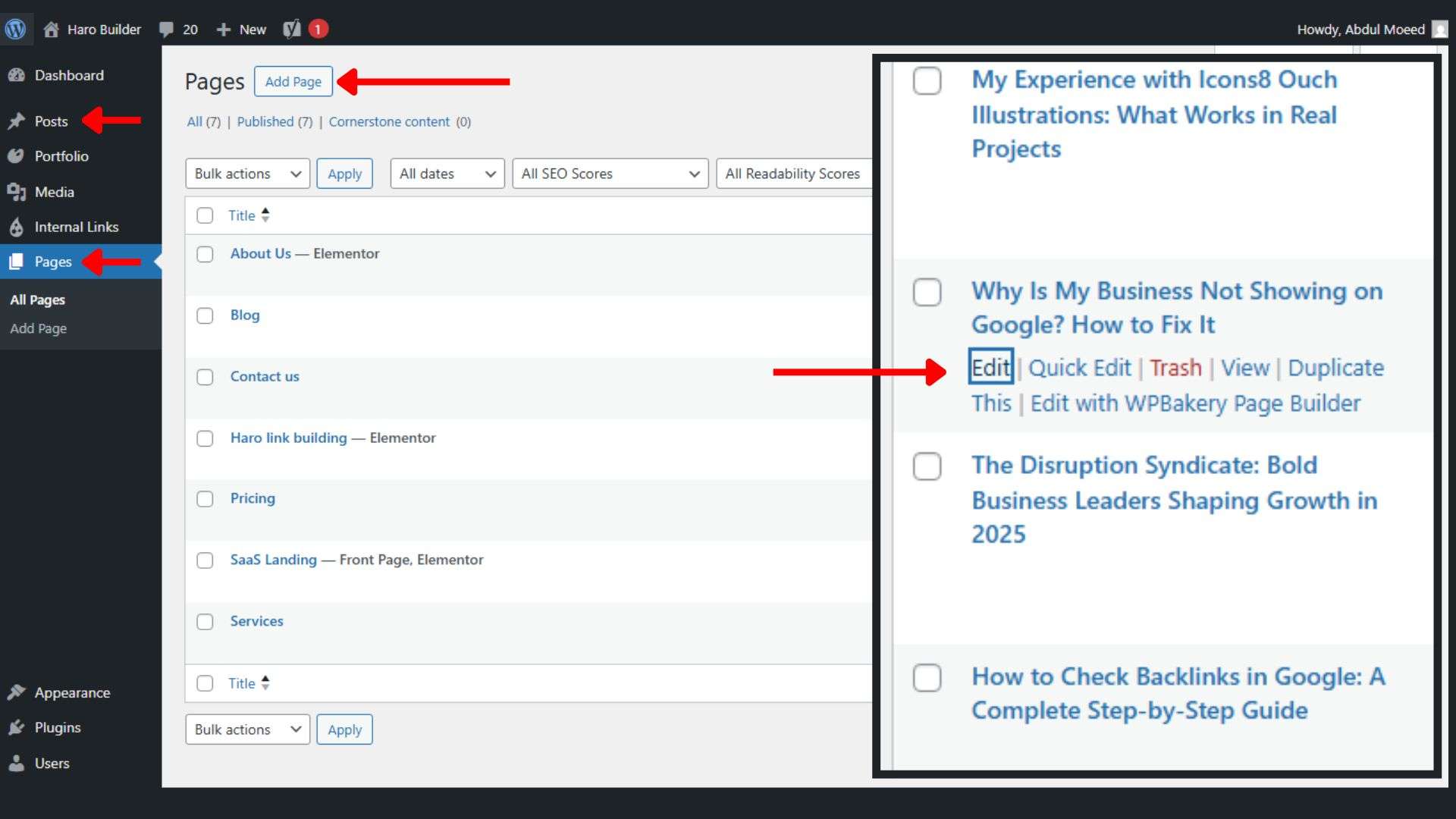
Go to Pages > All Pages and hover over the page you want to duplicate.
Click on “Clone” or “New Draft” to duplicate the WordPress page instantly.
It automatically copies all content, including custom fields, metadata, and featured image.
Besides pages, it supports duplicating custom post types, posts, and drafts easily.
Plugin settings allow you to configure which post types should support duplication.
These plugins offer flexible filters to refine the duplicated content.
Page duplication is particularly helpful for larger WordPress website with many posts.
This method is ideal when you frequently need to duplicate WordPress pages or posts.
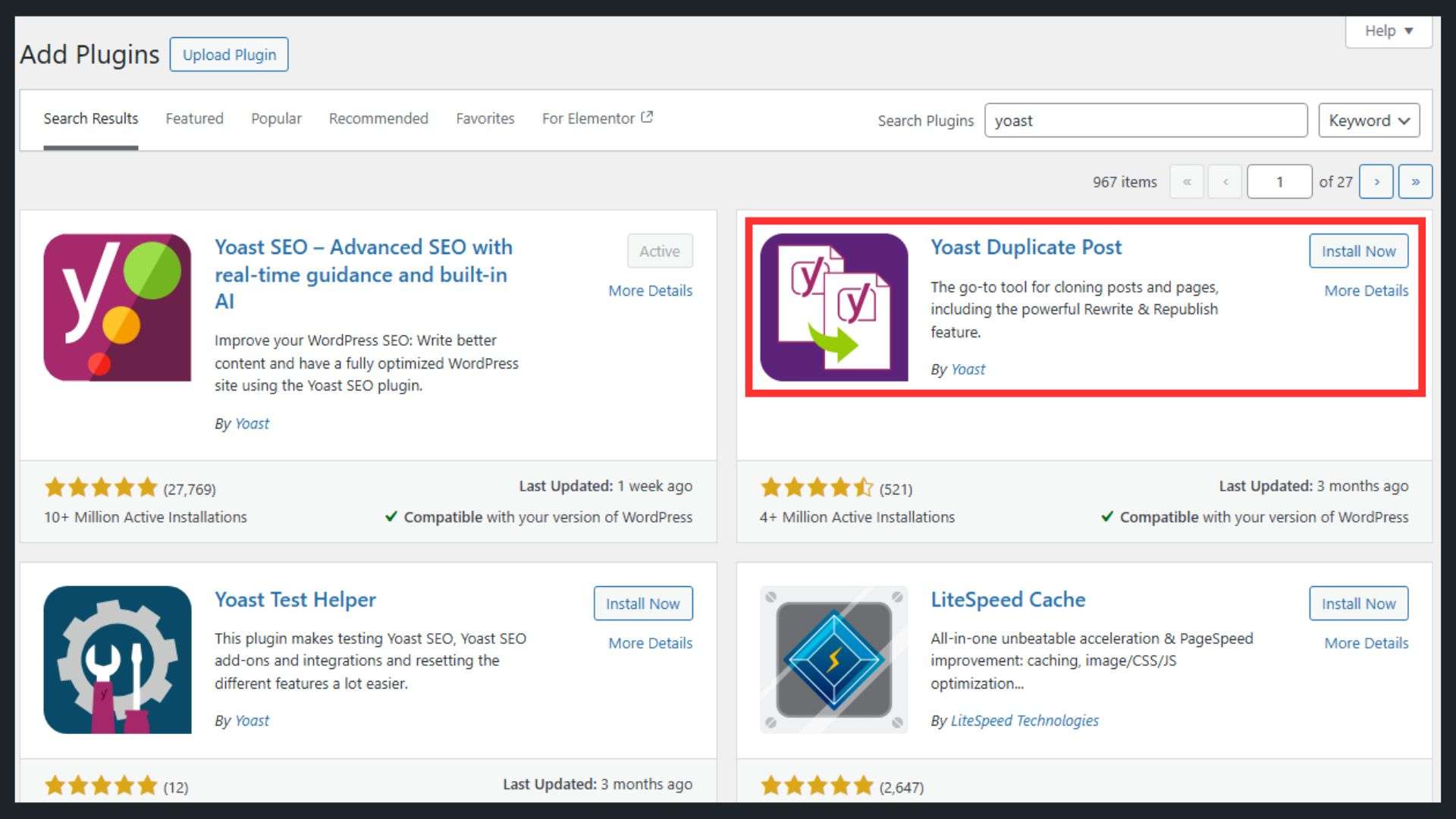
Method 3: Duplicate Pages Using the Yoast Duplicate Post Plugin
This plugin is widely used to duplicate WordPress pages or posts with a single click.
Activate it and go to Settings > Duplicate Post to configure preferences.
You can duplicate all post meta, author details, and content of the page.
Hover over the page or post in the WordPress dashboard to see “Clone” and “New Draft.”
Click “Clone” to create a copy of the original without opening the editor.
Click “New Draft” to duplicate and open it in the edit post screen instantly.
The plugin supports posts and pages, including custom post types within your WordPress.
You can also duplicate multiple pages and posts with ease.
Add the duplicate link to other post types by updating the plugin settings.
This is an easy way to duplicate WordPress pages or posts consistently and accurately.
It’s ideal for users who want to duplicate the page layout along with custom meta data. Moreover, it supports advanced workflows within your WordPress site efficiently.
Method 4: Clone a Page or Post from the WordPress Dashboard
WordPress allows you to easily duplicate a post or page using dashboard-based plugin tools.
First, install a duplicate page and post plugin compatible with your theme and setup.
Once activated, go to the list of WordPress pages and posts.
Hover over the page you want to duplicate and click the “Duplicate” option.
A new post draft will be created as an exact copy of the original.
The duplicate includes post data, content, title, and template settings.
You can assign a new post author if needed before publishing.
Duplicate multiple pages by selecting them in bulk and choosing “Clone” from the bulk action menu.
You’re also able to duplicate custom post types if supported by the plugin.
This method suits users who prefer working within their WordPress dashboard directly.
Adjust the new post or page before publishing to avoid any duplicate content concerns.
This method is straightforward and doesn’t require any technical knowledge or file access. It allows you to create a copy quickly while keeping all original post data intact.
Method 5: Duplicate WordPress Pages Without Plugins
For users who prefer not to use a plugin, there is a manual way to duplicate content.
Copy the content you want to duplicate directly from the WordPress page or post editor.
Go to Pages > Add New or Posts > Add New and create a new post or page.
Paste the content of the page into the new editor window.
Modify the new title, URL, and meta settings to avoid SEO duplication.
This method allows you to duplicate the page manually with total control.
However, it doesn’t copy all post meta or author data automatically.
You must reassign layout templates or page attributes manually.
This method works best for smaller sites or when duplicating pages occasionally.
Unlike plugins, this approach gives more control over what gets copied.
It’s a suitable way to duplicate WordPress pages or posts without affecting plugin load.
It’s helpful for users who need to duplicate pages in WordPress without relying on tools. Still, plugins are better suited when you need to duplicate multiple pages or posts.
Things to Keep in Mind While Duplicating a Post or Page
When duplicating a page or post in WordPress, always modify titles, slugs, and meta descriptions to prevent duplicate content issues. Leaving identical content can harm your site’s SEO performance and confuse both users and search engines. Use duplication only when necessary, especially if managing many pages or posts.
Plugins offering selective content duplication can help you control what gets copied. Always review internal links and update any date-sensitive or author-specific information. Save new copies as drafts before publishing to maintain accuracy.
A well-managed duplication process improves efficiency without compromising your WordPress site’s structure or content quality.
Conclusion
Learning how to duplicate a page in WordPress can significantly streamline your site management by saving time and preserving your original layout or post content. By using one of the five simple methods outlined above, from manual duplication to plugin-based cloning, you gain both speed and precision. Whether you choose to clone via dashboard options, Yoast Duplicate Post, or custom code, you maintain control over titles, metadata, and post data. These approaches empower content editors, developers, and site managers to replicate pages, posts, or custom post types with ease. Have you tried any of these techniques yourself?
Looking for decent AI illustrations has always been a task that somehow consumes way more time than it should. You know the drill – endless browsing through stock sites, saving dozens of “maybe” options, only to realize none work for your project. I’ve been using Icons8’s Ouch platform for about eighteen months across different client projects, so here’s my honest take on what works, what doesn’t, and where this thing fits into real-world workflows.
What You’re Getting
Icons8 has been pushing Ouch beyond your typical stock illustration library, and honestly, they’ve got a point. The platform currently holds over 300,000 vector graphics covering everything from those shiny new 3D AI illustrations everyone’s obsessed with to good old flat design that still gets the job done. They’ve organized everything into style categories like Corporate, Realistic, Universal, and “Trendy” (whatever that means), but the critical bit is that each category stays visually consistent. No more of that “grabbed random stuff from Google Images” look that makes your design scream amateur hour.
The AI illustration generation thing is new, though the real value still lies in their professionally created stuff. Their Mega Creator tool lets you edit things in your browser without needing to shell out for Adobe subscriptions, which is a godsend for smaller teams watching every penny.
Here’s where Ouch gets interesting – instead of dumping complete, unchangeable illustrations on you, most of their stuff breaks down into separate pieces you can mess with. Characters come separate from backgrounds, objects live on their layers, and effects work independently. This means you can customize things beyond just swapping colors around.
File Formats That Don’t Suck
Professional work demands flexibility, and Ouch delivers without getting complicated about it. SVG files scale appropriately across everything from phone screens to massive displays – crucial when your design needs to work everywhere. PNG gives you solid backup when SVG decides to throw browser tantrums. Animation support covers GIF for social stuff, MOV for presentations, Lottie JSON for web work, and After Effects files for motion design.
The technical quality stays consistent, which matters more than you’d think. SVG files keep their structure intact, so you can modify colors and elements without everything falling apart. PNG exports come with proper transparency. Animation files stay reasonably sized without killing loading performance.
Version control works smoothly since SVG uses XML underneath. Development teams can collaborate on illustration changes through regular Git workflows without any special setup.
Customizing Stuff
The component approach completely changes how you hunt for illustrations. Instead of searching for that mythical perfect match, you find something close enough and fix the parts that don’t work. Swap out character clothes entirely. Replace backgrounds completely—overhaul color schemes from scratch. Rearrange elements however you need. Each piece works independently, so modifications don’t create weird cascade failures.
Mega Creator handles most editing tasks through your browser without monthly software bills. Drag stuff around, change colors with standard tools, and resize components. It’s nowhere near Illustrator for complex work, but it handles everyday tweaks without the learning curve or licensing costs smaller teams want to avoid.
This editing approach proved particularly useful on a financial services project where we needed illustrations matching specific brand colors while looking professional. The component system lets us get precise color matching across multiple illustrations without starting over or hiring custom work.
How Developers Use This Stuff
Frontend teams integrate these graphics as functional interface pieces, not just decoration. Onboarding flows need clear visual progression that guides users without confusing them. Empty states need graphics that explain what’s happening without making people feel stupid. Error pages benefit from appropriate imagery that keeps users confident. Loading animations provide engaging content, while backend systems do their thing.
Responsive implementation works because SVG scales naturally across screen sizes. Component structure adapts to different viewport constraints through CSS manipulation. Standard development practices produce reliable, predictable results that don’t break during deployment.
The desktop app enables direct drag-and-drop into Sketch, Figma, Photoshop, and code editors like VS Code. API endpoints support automated workflows and dynamic content generation for organizations needing systematic asset management without manual bottlenecks.
E-commerce sites frequently need commerce-specific graphics throughout their interfaces. Shopping cart processes, payment flows, and customer journey visualization benefit from consistent visual treatment that clearly reinforces brand identity while communicating functionality. The extensive shopping clipart collection provides retail-focused illustrations, including product displays, checkout processes, and customer interaction graphics essential for online store development and conversion optimization.
Marketing Team Reality
Content marketing demands visual consistency across blog posts, email campaigns, social media, and landing pages without hiring freelancers for every single piece. Brand coherence beats individual illustration perfection when building recognition over months of customer touchpoints.
Email campaigns create specific technical headaches that catch teams off guard. Large files trigger spam filters automatically. Complex animations destroy mobile loading speeds. Ouch’s optimized files maintain visual engagement without creating deliverability disasters. Brand color modifications maintain consistency without rebuilding assets every single time.
Social media workflows benefit from animation format variety. GIF files work everywhere. MOV files provide higher quality for video-focused channels. Lottie JSON animations integrate smoothly into web-based social media management tools.
Educational Use Cases
Academic institutions deploy AI illustrations throughout learning management systems and course development. Visual learning approaches require consistent styling across course materials, lecture presentations, assessment interfaces, and supplementary resources with which students interact.
Education-focused collections address teaching needs like concept visualization and process explanation without looking childish. The illustrations maintain academic appropriateness while enhancing comprehension through visual communication.
Universities extend usage to research presentations, academic journal submissions, grant proposal documentation, and institutional communications where visual quality affects funding decisions and professional credibility. Educational pricing acknowledges budget constraints in academic environments while providing necessary format access and customization options.
Pricing That Makes Sense
Economic reality shapes illustration sourcing decisions, especially for early-stage companies. Professional custom illustration work costs way more than most budgets allow. Free resources often look unprofessional enough to damage credibility with investors and potential customers.
Free usage with attribution requirements works for internal tools and MVP development when you’re still figuring out product-market fit. Monthly subscriptions at $24 eliminate attribution while unlocking additional formats and priority support. This progression accommodates natural growth from startup to funded company, requiring complete brand control and professional appearance.
Team management includes user access controls and usage tracking. Enterprise customers get white-label options and dedicated support for large implementations requiring service-level agreements and compliance documentation.
Measuring What Matters
Implementation success gets measured through concrete metrics, not aesthetic opinions from committee reviews. User comprehension improvements in interface workflows, engagement duration increases on content pages, conversion rate optimization in marketing and sales funnels, brand perception enhancement through user research, and customer support ticket reduction through more transparent visual communication that helps people solve problems.
Technical performance considerations include file size impact on page loading speeds, cross-browser compatibility requirements across different environments, mobile device optimization, and accessibility compliance standards. SVG implementations outperform bitmap alternatives while providing better scalability and modification options for future updates.
A healthcare application project demonstrated measurable impact. Form completion rates improved by 23% after adding contextual illustrations to guide users through complex medical information entry. The visual elements provided emotional context that the text alone couldn’t communicate effectively.
Where It Falls Short
Highly specialized industries run into significant limitations that generic illustration libraries struggle with. Medical documentation requires anatomical precision beyond general illustration capabilities. Industrial process diagrams demand specific technical accuracy standards. Scientific research visualization needs exact representational fidelity that broad-market collections can’t consistently provide without extensive modification.
Attribution requirements create operational headaches for white-label products or client service work requiring complete brand control and customization flexibility. Free-tier usage works fine for internal project development but becomes problematic in commercial applications where attribution conflicts with client branding requirements and professional expectations.
While promising, the AI generation feature currently produces inconsistent results that often need manual refinement. Despite the additional cost and timeline impact, projects requiring unique visual elements still need custom illustration work.
Current Development Status
Recent platform improvements include expanded animation format support, enhanced integration with industry-standard design tools, and the introduction of 3D AI illustrations collection. Development activity suggests ongoing platform investment rather than maintenance-only status, though some frequently requested features remain absent.
The broader Icons8 ecosystem integration covers icon libraries, stock photography collections, audio resource libraries, and design application tools. This unified approach simplifies vendor relationship management and billing consolidation for organizations requiring comprehensive digital asset management solutions.
API development continues with enhanced endpoints for automated workflows and integration with popular design tools. The AI illustrations generator shows promise but needs significant refinement before matching the quality and consistency of curated collections.
Bottom Line After Extended Use
Icons8 Ouch adequately handles AI illustrations requirements for standard professional design contexts, though it falls short of the revolutionary solution their marketing suggests. The modular component architecture, comprehensive file format variety, and flexible pricing model effectively solve common workflow bottlenecks and budget constraints.
Highly specialized applications still need custom illustration solutions, but routine design work benefits from the systematic, scalable approach despite acknowledged limitations. The component-based design philosophy aligns with contemporary development practices emphasizing modularity, reusability, and brand consistency across multiple touchpoints.
Success requires an honest evaluation of specific organizational requirements against documented platform capabilities and known constraints. Teams that understand strengths and limitations achieve better workflow efficiency and visual communication results than those expecting magical solutions to every illustration challenge.
Web developers, marketing professionals, software engineers, educational staff, and resource-constrained organizations find practical value in this visual asset management approach. The key lies in realistic expectation setting and strategic implementation that leverages platform strengths while acknowledging boundaries.
You’ve probably needed to verify content but couldn’t tell how to find when a website was published. This is a common issue, many sites hide the publication date of a website or skip it entirely. Users often skip sources when the date of a webpage or last updated detail is missing. Luckily, there are reliable ways to uncover the originally published or last modified dates accurately.
This article gives a complete guide on how to find when a website was published in three easy methods. Whether it’s the copyright date, exact date, or just a clue, you’ll learn what to check and where.
Curious About When a Website Was First Published?
Sometimes you need to find the publication date of a webpage for academic, professional, or personal use. Whether it’s an article or blog post, many people wonder how to find when a website or webpage was published. Websites often include the publication date visibly, but this information isn’t always readily available.
In some cases, the date of a webpage might be hidden in the source code or found through third-party platforms. Knowing the original published date helps validate accuracy, confirm updates, and understand content relevance. Let’s see how to find when a website was published or webpage effectively.
How to Find When a Website Was Published? 3 Simple Ways
1. Source Code:
You can often find the publication date of a webpage by checking its HTML source code directly.
Right-click on the web page and select “View Page Source” to open its complete code structure.
Press Ctrl + F (or Command + F on Mac) and search terms like datePublished, publishdate, or article:published_time.
These fields usually indicate the originally published date or the date the article was first published.
This method isn’t foolproof, it can provide the exact date or closest date to publication. Sometimes, websites include the publication date this way without displaying it publicly. Still, publication information or a publication note may not be present on all webpages.
2. The Wayback Machine:
The Wayback Machine archives old versions of websites to help you find their original publication date.
Visit archive.org, paste the URL of the website, and press enter to start your search.
Look for the earliest snapshot of the webpage that was published and note the timestamp provided.
This date helps estimate when the website was first published or article was first published online.
Although not guaranteed to be the exact date, it provides insight into when the web page first appeared. It’s especially useful when the publication date isn’t readily available on the website itself. This tool is free and useful for finding the original date of publication retrospectively.
3. Use Online Tools:
Several tools like Whois Lookup and website analysis tools can help find out when a website was published. Go to a site like who.is and input the web address with the date you want to verify. You’ll see the creation date, which often reflects the year the website or page was created. This method reveals the original date of publication, especially if the site hasn’t undergone redesigns.
However, the date may be the last time the website was updated, not its first appearance. You can also try tools like SEMrush or Ahrefs, which provide insights into content freshness. Finally, contacting the website owner directly may help you find the original publication date.
How to Find The Publication Date a Web Page?
If you want to find the published date of an article or blog post, there are several effective methods to find it. Websites often include the publication date at the top, end of the article, or within the byline. However, some webpages may not display the date openly, making it harder to see when the page was first created.
You can also check the copyright information or a publication note at the bottom of the website. Additionally, look for a date in the URL, as some formats display the publication date that way. If you can’t find the original published date, consider using a website analysis tool or contacting the website owner directly.
These steps help you find the original publication date or at least the closest date to publication. Web page was last modified dates may differ from when the web page was first published, so always compare both.
If you’re interested in improving your on-page SEO, you might want to explore how to add keywords to your website effectively.
FAQs
1. What if I can’t find a date on the page?
Try the Wayback Machine to find the page’s closest date to publication.
2. Are website analysis tools useful to find publication dates?
Yes, tools like Whois or SEMrush can reveal when the website was first registered or updated.
3. How accurate is the “last updated” date?
It shows the date the website was last updated, not necessarily first published.
4. What’s the difference between published and last modified dates?
The first shows when content initially went live; the other shows the page was last edited.
5. Should I contact the website owner to get the publication date?
If dating proves impossible, contacting the website owner may help you find missing details.
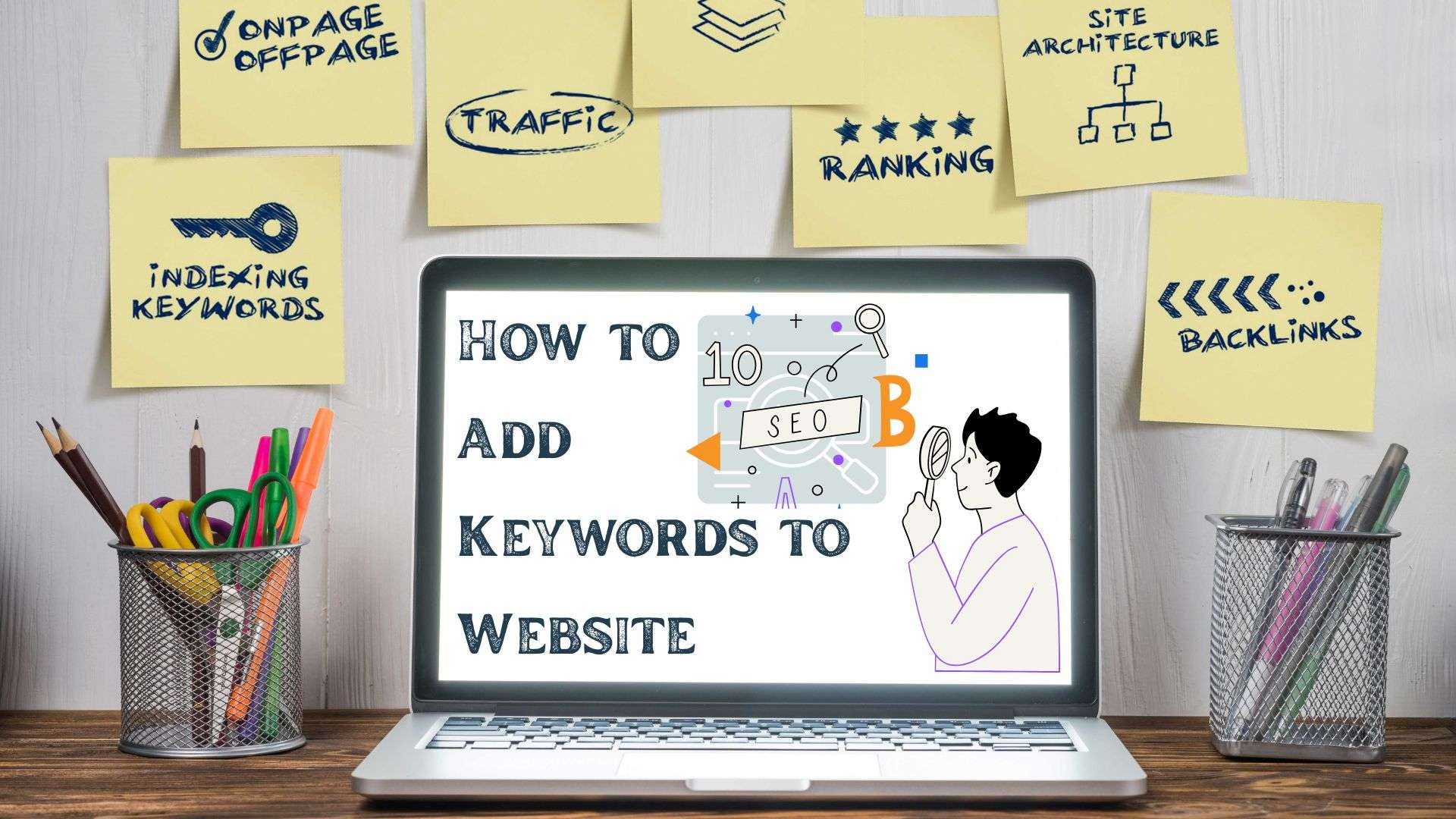
Many website owners overlook keyword placement, then wonder why their website ranks so low. Research shows that using keywords for SEO can significantly increase traffic, if you place them correctly. However, finding keywords with high search volume and knowing where to add them remains difficult for many. Without the right SEO tips or tools like the Yoast SEO plugin, search engines can’t find your content. To fix this, you must learn how to add keywords to website content strategically. This complete guide shows the five exact steps to add them to your site and improve your SEO performance.
Choose the Right Keywords for Your Website
Begin by identifying keywords that match your audience’s intent and have adequate search volume. Use keyword research tools to analyze relevant keywords your competitors rank for on search engine results. Consider both primary keyword and secondary keywords when forming your SEO strategy. Furthermore, make sure to include keywords that reflect the core topic of your web page. Eventually, this helps search engines connect your content with what users are searching on Google search.
Types of Keywords to Use for SEO:
Primary Keyword: Main term that directly reflects the core subject of your page or content.
Secondary Keywords: Related phrases that support the main keyword and improve keyword relevance.
Short-Tail Keywords: General, high-volume terms e.g., “shoes,” but are highly competitive.
Long-Tail Keywords: Specific, lower-volume phrases like “best running shoes for flat feet.”
Geo-Targeted Keywords: Location-specific terms, e.g., “dentist in London,” for localized search engine optimization.
Branded Keywords: Include brand names to enhance visibility in search results.
Transactional Keywords: Show user intent to purchase or take action, e.g., “buy,” “order,” or “discount.”
How to Do Effective Keyword Research?
Start by using keyword tools to evaluate search volume, competition, and search engine ranking potential. Include keywords with moderate competition but decent traffic to improve visibility in Google search results. Look for relevant keywords that reflect actual user behavior and match content themes.
Then, shortlist terms that relate directly to your web page content and SEO goals. Also, verify your choices through Google Search Console to track previous performance. Lastly, make sure your keywords align with what users expect to see when visiting your site.
How to Add Keywords to Website?
Use keyword placement that helps search engines understand your content and improve ranking in search results. Insert your main keyword in title tags, URL slugs, and meta description naturally. Include keywords throughout your page content, ensuring they sound organic and support the overall topic.
Avoid keyword stuffing, which can negatively affect your search engine ranking. Furthermore, add keywords to your headings and subheadings when appropriate. Lastly, use a mix of primary and secondary keywords that match the intent behind user searches.
Technical Places to Add Keywords for SEO:
Title Tag: Add your primary keyword near the beginning of your HTML title element.
Meta Description: Include relevant keywords naturally to encourage clicks from search engine results.
Header Tags (H1, H2, H3): Place main and secondary keywords where structurally suitable in headings.
URL Slugs: Use concise keywords in URLs for better indexing and ranking clarity.
Image Alt Attributes: Describe images using related keywords to improve accessibility and SEO.
Anchor Text: Include keywords within internal links to enhance on-page SEO structure.
Page Content: Distribute keywords throughout your content to maintain keyword consistency.
Schema Markup: Embed keywords within structured data to support richer search engine listings.
Using Keywords in Your Content Without Overdoing It:
Place keywords throughout your content naturally to help search engines understand what your website offers. Also, avoid adding too many keywords to your site, which can hurt your SEO rankings significantly. Instead, incorporate keywords meaningfully so readers and search engines find your content valuable and relevant.
How to Add Keywords to Meta Descriptions and On-Page Elements
Include your primary keyword within your meta description to help Google match your site to user search queries. Also, add SEO keywords to headings, subheadings, and image alt text for better on-page SEO results. Furthermore, using keywords in your content helps search engines understand the purpose of your page and boosts search ranking potential.
5 Strategies for Best Keyword Placement Across Website Pages
Include your primary keyword in the page title, URL, and meta description to improve search ranking.
Add keywords throughout your content naturally, without stuffing, to help search engines understand relevance.
Place keywords in headers and subheadings to emphasize topic hierarchy and boost on-page SEO.
Incorporate keywords into image alt text and file names to help Google crawl your website accurately.
Use related keywords and long-tail keyword phrases in body paragraphs to target search queries effectively.
Best Keyword Monitoring Tools (Free & Paid)
Google Search Console:
Google Search Console is a free tool that helps website owners monitor SEO keywords used on their site. It shows how search engines use those keywords and highlights top-performing search queries that drive website traffic. Also, you can find new keywords your site ranks for, and improve placement accordingly. Furthermore, it helps Google crawl your website efficiently and boost your SEO efforts.
Ahrefs:
Ahrefs offers a full suite of SEO services and powerful SEO features for tracking keywords on your website. It helps you find high search volume keywords and monitor rankings across different countries and devices. Plans start at $99/month, offering keyword explorer, site audit, and rank tracking tools. Additionally, it helps website owners uncover related keywords, difficult keywords, and new keyword opportunities quickly and accurately.
Semrush:
Semrush is another popular SEO tool for tracking keywords, improving search ranking, and enhancing SEO strategy. It helps users add keywords to their website more effectively by offering keyword difficulty, intent, and search volume insights. Prices begin at $129.95/month for the Pro plan, which includes keyword research, on-page SEO checks, and competitor analysis. Furthermore, Semrush shows where to add SEO keywords for maximum visibility and website optimization.
Conclusion
Adding keywords used by your audience is not optional, it’s critical to optimizing your website for search engines. When you choose keywords wisely and include relevant keywords in all the right places, your content gets noticed. Moreover, search engines understand the content better and can crawl your website with improved accuracy. Use the SEO tactics mentioned, including adding alt text, using difficult keywords smartly, and placing keywords throughout. That’s how to add keywords to website pages and make your website more visible. So, which step from the guide will you apply first to improve your rankings on Google?
If you need to verify content age or update SEO pages, check this guide on when a website was published for accurate insights.
FAQs
1. Can keyword stuffing hurt ranking?
Yes. Search engines penalize keyword stuffing. Always distribute keywords naturally throughout your content.
2. Does Yoast SEO plugin help with placement?
Yes. Yoast provides suggestions on primary keyword placement and optimization in WordPress.
3. How do I avoid difficult keywords?
Balance high search volume with keyword difficulty. Prioritize attainable terms.
4. How often should I add new keywords?
Reassess keyword research regularly. Add new keywords as trends and content evolve.
5. Will search engines understand my content better?
Yes. Proper placement and varied keywords help search engines understand the content theme.
6. Does adding keywords increase website traffic?
Strategic keyword placement improves visibility. This often leads to increases in organic website traffic.
Your team loves remote work until training kicks in. Suddenly, compliance audits are overdue again, new hires are stuck reading outdated PDFs, and marketing still doesn’t have the latest product training.
Sounds familiar? You’re not alone. 82% of company leaders plan to let employees work remotely at least part of the time, yet they’re still stuck using outdated methods like endless Zoom calls and email chains nobody reads.
But here’s the good news: training your remote team doesn’t have to be chaotic. A cloud-based LMS keeps everything organized in one place, ensuring your team stays up-to-date, compliance is streamlined, and training is more effective.
This article will show you exactly how a cloud-based LMS platform can help your remote team stay connected, compliant, and on track, without the headaches.
What Is a Cloud-Based LMS?
A cloud-based LMS is a platform that delivers, manages, and tracks employee training entirely online. Unlike traditional systems that rely on downloaded files or on-site servers, everything is accessible via the internet.
With a cloud-based system, your team can access training materials anytime, anywhere, without needing specific software or local storage. Whether your employees are working remotely, in a different city, or across the globe, they always have access to the most up-to-date content.
Because it’s hosted in the cloud, there’s no need for IT to manage servers, install software, or handle frequent updates. The platform provider handles all the technical work, ensuring your training infrastructure runs smoothly. This reduces downtime, minimizes the risk of errors, and frees your team to focus on more strategic tasks, like improving training content and performance.
4 Key Benefits for Remote Teams
1. Access From Anywhere
Remote teams work everywhere, from cafes and home offices to different countries entirely. Cloud-based LMS lets your team access training easily, wherever they are. No complicated software, no VPN needed, just a web browser. Everyone gets the same quality of training, whether they’re in London or Tokyo.
2. Easy Growth Without Extra Costs
Traditional training gets expensive fast. More employees mean more instructors, venues, and printed materials. But cloud-based LMS solutions make growth easier. Add more people, and your per-person training cost actually goes down. Everyone gets instant access, no printing, no shipping, no booking conference rooms.
3. Instant Updates, No Confusion
Ever sent out a training update only to find half the team still using the old version? Cloud-based LMS fixes this. Update once, and the entire team instantly sees the new version. No more outdated information causing issues.
4. Real Insights, Less Guesswork
Tracking training with spreadsheets is messy. Cloud LMS platforms clearly show who’s struggling and who’s excelling. You see exactly what training helps performance and spot compliance gaps before they become serious issues.
9 Core Features That Actually Help Remote Teams
1. Contextual Microlearning Modules
Cloud-based LMS platforms integrate small, context-sensitive learning modules directly into daily workflows. Employees access short tutorials exactly when needed, reducing disruption and increasing immediate application.
2. Automated Localization and Time-Zone Adjustments
Advanced LMS systems automatically adapt content into multiple languages and adjust live session timings according to individual team member locations, ensuring global accessibility without manual effort.
3. Collaborative Team Learning Paths
Cloud LMS platforms enable the creation of team-oriented learning journeys, fostering collaboration and accountability. Teams progress together through shared milestones, building collective skills aligned to organizational goals.
4. Real-Time Feedback Integration
These platforms incorporate immediate, actionable feedback loops from managers and peers directly within training modules. Learners continuously understand their progress and performance, enhancing relevance and engagement.
5. Advanced Analytics with Behavioral Insights
Sophisticated analytics offered by cloud LMS platforms highlight learning engagement through heatmaps and detailed behavior tracking. Organizations identify exactly where users engage deeply or face difficulties, allowing for targeted improvements.
6. Integrated Communication Tools with Smart Nudges
Effective LMS platforms embed learning prompts, quizzes, and updates directly into communication channels like Slack and Microsoft Teams. These timely nudges increase participation and keep learning aligned with day-to-day communications.
7. AI-Driven Personalized Career Pathways
Leveraging artificial intelligence, cloud LMS systems recommend personalized upskilling journeys tied to internal career progression opportunities. Employees gain clarity and motivation, knowing their learning directly supports career advancement.
8. Interactive Soft Skills Simulations
Cloud-based LMS platforms feature realistic, interactive scenarios that allow remote workers to practice essential soft skills like negotiation, communication, and conflict resolution in safe, virtual environments, building competence through realistic experience. This is especially valuable for globally distributed teams, where clear communication and cultural awareness are critical. Just like esim worldwide technology enables seamless global connectivity for remote teams, a cloud LMS ensures smooth knowledge transfer and consistent upskilling, no matter where employees are based. Both tools help break down location barriers and keep your workforce aligned.
How a Cloud LMS Helps Remote Teams Work Smarter and Stay Engaged
1. Clear Direction, Less Confusion
Remote teams often ask, “What should I focus on?” With role-based learning paths, every employee knows exactly what’s expected, no waiting for manager hand-holding or digging through documents. It’s structured, self-paced guidance from day one.
2. Training That Solves Real Problems
Instead of generic courses, a cloud LMS connects training to team goals. If your sales numbers dip, launch a micro-course on objection handling. Need faster support response times? Trigger a refresher on product workflows. Learning becomes a performance tool, not a checklist.
3. Visibility That Drives Accountability
Leaderboards, progress trackers, and team dashboards let everyone see who’s doing what. This shared visibility creates ownership and light pressure, the good kind, to stay on track and contribute.
4. Small Wins, Big Engagement
Remote employees don’t have time for hour-long sessions. With short, interactive modules, they can make steady progress in between tasks. Even a 5-minute quiz or soft skills scenario adds value without killing momentum.
5. Recognition That Reaches Everyone
Remote workers miss hallway kudos. A cloud LMS builds recognition into the flow, badges, shoutouts, and completions, which get posted directly in Slack or Teams. Learning feels rewarding, not invisible.
Simple Security and Compliance
1. Reliable Data Protection
Remote work brings security concerns, public WiFi, personal devices, and home networks. A strong cloud-based LMS platform uses high-level encryption and multi-factor authentication, protecting your training data no matter where employees log in from.
2. Stress-Free Compliance Management
Audits shouldn’t mean frantic searches through emails. Cloud LMS platforms keep track of who’s completed training, send automatic reminders, and simplify compliance reports. Audits become simple instead of stressful.
3. Smart Access Management
Not everyone needs access to all training. Sales teams don’t need engineering content, and contractors shouldn’t see sensitive strategy documents. Good LMS lets you set clear permissions, protecting your information while giving employees exactly what they need.
Getting Your LMS Implementation Right
1. Choosing the Right Platform
Forget complicated comparison charts. Focus on your team’s real needs. Does it integrate smoothly with your existing tools, like Slack or Microsoft 365? Is it easy to use? A user-friendly experience beats flashy features every time.
2. Getting Your Team On Board
Even the best LMS fails if your team doesn’t use it. Start with enthusiastic team members who’ll champion the platform. Share success stories and address concerns openly. Offer tutorials, clear instructions, and quick support during the transition.
3. Measure What Matters
Don’t just track completion rates. Check if training improves actual work performance. Are sales improving after training sessions? Are customer support responses faster? Look at results that matter, not just participation.
4. Sustaining Long-Term Success
Your remote team’s needs will change over time. Regularly update training materials, ask for feedback, and adjust learning paths accordingly. Choose a cloud LMS that easily adapts, not one that requires constant tweaking or quickly becomes outdated.
5. Don’t Forget LMS SEO
Having an LMS optimized for SEO assists many learners in finding your courses online. For best results, team up with an experienced LMS SEO company to make your platform witness more visibility and reach.
Final Thoughts
Remote work isn’t going anywhere. Teams working across continents and time zones need effective training that connects them to company goals and each other. A great cloud LMS transforms training from a boring task into a valuable competitive advantage.
Forget managing training chaos with outdated methods. Start building your remote team’s skills and engagement with a cloud-based LMS solution that fits today’s working style. Companies doing remote work right aren’t just managing distance, they’re using it to grow stronger.



![How to Duplicate a Page in WordPress? [5 Simple Ways]](https://harobuilder.com/wp-content/uploads/2025/06/How-to-Duplicate-a-Page-in-WordPress.jpg)