Author: Abdul Moeed

  • TikTok vs YouTube: Which One is Better for Business? (2025)

    TikTok vs YouTube: Which One is Better for Business? (2025)

    tiktok vs youtube

    Are you struggling to decide between TikTok vs YouTube as the best platform for your business? With both platforms dominating the video-sharing platform landscape, businesses face challenges in selecting one that aligns with their goals. Research shows that TikTok content thrives on creativity, while YouTube users often prefer long-form videos for educational and detailed insights.

    This divide highlights the dilemma for businesses aiming to balance short-form content for virality and longer videos for authority building. Choosing the right platform impacts engagement, reach, and monetization opportunities, making the decision critical for long-term success.

    Here’s the good news: you don’t need to figure it out alone. This guide compares TikTok’s algorithm with YouTube content strategies to help you decide which video-sharing platform suits your business. Read on for insights into audience preferences, ad strategies, and tips to maximize your success in 2025.

    How TikTok Stands Out for Business Growth

    TikTok’s expansive user base makes it an excellent platform for businesses targeting younger audiences. Its unique algorithm advantages enable even smaller creators to achieve broad content discoverability, allowing videos to go viral rapidly. Businesses can leverage these features by creating short-form video content that aligns with ongoing viral trends. Moreover, in-feed ads and sponsored challenges offer cost-effective advertising opportunities for reaching millions without overspending.

    TikTok’s engagement strategies, such as hashtag challenges and tutorials, encourage user participation and foster a vibrant community. Comparatively, TikTok emphasizes creativity over high production quality, making it accessible to businesses of all sizes. Thus, TikTok’s influence grows significantly because of its ability to turn brief moments into lasting impressions.

    What Makes YouTube a Powerful Business Platform

    YouTube supports long-form content, enabling businesses to deliver in-depth tutorials, product reviews, interactive presentations, or storytelling. With YouTube Shorts, it also appeals to audiences who prefer short-form content, offering flexibility. Furthermore, its search-based discoverability and integration with Google ensure that optimized video content ranks high in search results, increasing visibility. Revenue generation on YouTube includes ad revenue, memberships, and sponsored deals, which provide robust monetization options for creators.

    Additionally, YouTube helps businesses establish brand authority through educational content, tutorials, and thought leadership videos, which appeal to a diverse demographic. By balancing both short and long formats, YouTube effectively supports businesses in building a solid presence and maintaining audience loyalty.

    TikTok vs YouTube: Comparing Monetization Models

    Monetization Models

    TikTok vs YouTube offers distinct opportunities for creators to earn revenue and grow their brand. The TikTok creators earn through the Creator Fund, brand collaborations, and sponsored in-feed ads. Meanwhile, YouTube’s ad revenue and the YouTube Partner Program allow creators to monetize through ads, memberships, and live streams. Sponsored educational videos and product reviews are common revenue sources on YouTube, with its longer videos supporting detailed content. 

    While TikTok trends boost visibility quickly, YouTube sustains steady growth through long-form content. Choosing the best platform depends on goals like audience engagement and preferred monetization opportunities.

    Brands evaluating TikTok vs YouTube for revenue should consider audience demographics, campaign reach, and content longevity to make informed decisions.

    Content Format and Length: A Key Differentiator

    When comparing TikTok vs YouTube, content format and length significantly impact audience engagement. TikTok thrives on short-form content, like 10-second TikTok videos, designed for audiences with limited attention spans. Conversely, YouTube excels with long-form content, such as 10-minute YouTube videos, allowing creators to post in-depth tutorials, reviews, and storytelling. Businesses must evaluate which platform aligns with their objectives. For instance:

    • TikTok’s bite-sized content is ideal for quick marketing campaigns.
    • YouTube supports detailed content that builds trust and authority.

    Adapting your strategy to either platform ensures your content connects with the right audience. TikTok vs YouTube ultimately depends on whether concise or comprehensive content better serves your business goals.

    Demographics and Target Audience Analysis

    TikTok vs YouTube presents a clear distinction in audience demographics. TikTok’s younger, trend-driven users typically range between 16-34, making it suitable for brands targeting millennials and Gen Z. This audience is especially drawn to fashion trends, lifestyle content, and viral aesthetics. For example, fashion tutorials resonate strongly on platforms like TikTok, where style inspiration thrives. Meanwhile, YouTube’s diverse user base spans all age groups, providing opportunities to promote varied products and services. Matching the platform with your audience is key to success. For example:

    • TikTok content connects well with users engaging in viral challenges and trends.
    • YouTube content caters to broader audiences, particularly those seeking detailed, educational videos or product reviews.

    Balancing both platforms helps businesses expand reach and align strategies with demographic insights. When evaluating TikTok vs YouTube, consider which audience aligns best with your products or services to drive meaningful engagement.

    Advertising Features and Budget Considerations

    Businesses often compare TikTok and YouTube when deciding the best video-sharing platform for advertisements. TikTok’s algorithm emphasizes bite-sized content, allowing in-feed ads to reach users between the ages of 16 to 34 efficiently. These ads are easier and faster to create and require minimal production costs. TikTok trends ensure businesses can capitalize on viral moments to showcase products or services effectively.

    Tips for maximizing ad budgets on TikTok:

    • Leverage TikTok trends for timely and engaging campaigns.
    • Create bite-sized content that grabs attention within the first 15 seconds.
    • Target users between the ages of your ideal demographic for higher engagement rates.

    Conversely, YouTube offers a variety of monetization opportunities through ad revenue, sponsorships, and the YouTube Partner Program. Ads that appear on videos ranging from 10 seconds to 10-minute YouTube videos provide flexibility in targeting broader demographics. Businesses can also run ads alongside educational videos or long-form videos to engage specific audiences.

    Tips for maximizing ad budgets on YouTube:

    • Utilize royalty-free background music to avoid copyright claims and enhance ad appeal.
    • Focus on ad placement with long-form videos for detailed storytelling.
    • Monitor metrics like watch time and conversions to adjust campaigns accordingly.

    Key Differences Between TikTok and YouTube

    Innovations and Trends to Watch in 2025

    In 2025, both TikTok and YouTube are embracing significant innovations to enhance user engagement and content creation. TikTok is integrating Augmented Reality (AR) features, allowing creators to produce immersive experiences that captivate audiences. Additionally, the platform is focusing on AI-driven content creation, enabling more personalized and engaging videos.

    On the other hand, YouTube is expanding its AI capabilities, introducing tools that assist creators in generating ideas, titles, and even full videos, thereby streamlining the content creation process.

    Moreover, YouTube is enhancing its Shorts feature, incorporating generative AI to offer new creative possibilities for short-form content. These developments indicate a trend towards more interactive and intelligent content creation tools on both platforms.

    TikTok or YouTube: Making the Right Choice for Your Business

    Final Thoughts on Leveraging Both Platforms

    YouTube gives businesses the advantage of depth with long-form videos, while TikTok offers immediacy with short, engaging clips. Using both platforms strategically can help brands reach diverse demographics and maximize impact. Content creators should focus on optimizing for each platform’s unique audience and strengths. For example, TikTok works well for viral, 15-second trends, whereas content on YouTube suits more detailed storytelling. Leveraging monetization opportunities from both platforms ensures a well-rounded strategy. Ultimately, understanding where your audience engages most and aligning goals with platform features can yield significant success.

  • What Is Ecommerce Email Marketing? 10 Tips for 2025

    What Is Ecommerce Email Marketing? 10 Tips for 2025

    Ecommerce Email Marketing

    Are you struggling to drive sales in your ecommerce business using traditional marketing efforts? Research shows that ecommerce email marketing campaigns generate an average ROI of $42 for every dollar spent. Yet, many ecommerce brands fail to harness its potential fully.

    The solution lies in crafting personalized, automated, and targeted emails like welcome emails, abandoned cart emails, and promotional emails. These strategies help grow your email list, improve customer retention, and enhance your overall marketing campaign.

    This article helps you out with what ecommerce email marketing is, and with 10 actionable tips for 2025 to optimize your email content and boost sales.

    What Is Ecommerce Email Marketing?

    Ecommerce email marketing is a targeted strategy that uses email campaigns to engage customers and drive sales for online stores. It involves various types of emails, such as welcome emails, transactional emails, and abandoned cart emails, tailored to specific customer journeys. Personalized email content, combined with marketing automation, ensures timely and relevant communication.

    “Email marketing remains the highest ROI channel for ecommerce businesses, fostering customer relationships and driving revenue effectively.” – Neil Patel

    Using email marketing software and tools, businesses can create compelling email templates, segment email lists, and measure the success of their marketing efforts.

    The Purpose of Email Marketing for Online Stores:

    Email marketing is essential for ecommerce businesses because it helps directly engage with potential and existing customers. Using email as a marketing channel allows ecommerce brands to build personalized connections that enhance customer loyalty. Email campaigns ensure that every email delivers valuable content, such as product updates or exclusive offers on items like diamond rings, fostering trust and repeat purchases. Additionally, email marketing for ecommerce is cost-effective and measurable, making it a reliable way to drive sales. With the right strategy, ecommerce email marketing campaigns can strengthen relationships, improve engagement, and ultimately increase revenue for online stores.

    Types of Emails Used in Ecommerce:

    Ecommerce businesses use various types of emails to effectively communicate with their audience and meet their goals:

    • Welcome emails: Introduce new subscribers to your ecommerce brand and encourage engagement from the start.
    • Transactional emails: Provide important updates, such as order confirmation emails, to ensure customer satisfaction.
    • Abandoned cart emails: Remind customers to complete purchases, significantly reducing cart abandonment rates.
    • Promotional emails: Highlight sales, new arrivals, and exclusive offers to drive conversions.
      Each type serves a unique purpose, ensuring that email content remains relevant and impactful for subscribers.

    The Role of Automation in Scaling Marketing Efforts:

    Email automation enables ecommerce businesses to streamline their marketing efforts and maximize results efficiently. Automated email tools allow businesses to send personalized emails based on customer actions, such as signing up or making a purchase. For example, abandoned cart email sequences automatically remind customers to finalize transactions, boosting sales. Additionally, email automation supports segmentation, ensuring targeted messaging for specific groups within the email list. Businesses can save time and improve email engagement by leveraging features like dynamic content and triggered workflows. Overall, automation helps scale email campaigns while maintaining quality and relevance.

    Why Ecommerce Businesses Should Prioritize Email Campaigns

    Building Lasting Relationships With Subscribers:

    Effective email campaigns foster long-term connections by delivering engaging content tailored to subscribers’ needs and preferences. Businesses can segment their email lists based on demographics, purchase history, or behavior to ensure relevance. Personalized emails, such as a birthday discount or product recommendations, make subscribers feel valued and appreciated. Additionally, consistent communication via email newsletters keeps customers informed about your ecommerce brand’s latest updates. Besides, by maintaining a healthy email list and using email templates thoughtfully, businesses can nurture trust and encourage repeat interactions. This focus on engagement builds a loyal customer base and enhances brand reputation score.

    Driving Revenue Through Targeted Email Strategies:

    Email campaigns can significantly boost revenue by targeting customers at different stages of their buying journey. For instance:

    • Conversion-boosting email series: Use emails to guide subscribers from initial interest to completing a purchase.
    • Reducing cart abandonment: Send timely cart abandonment emails that remind customers to finalize pending orders with incentives.

    Moreover, promotional emails with exclusive deals or limited-time offers can create urgency, encouraging purchases. Ecommerce platforms can integrate email marketing tools to analyze customer data and optimize strategies further. By focusing on these methods, businesses can convert email subscribers into loyal buyers and achieve sustainable growth. Collaborating with the best ecommerce marketing agencies ensures that your email campaigns are strategically designed to drive sales.

    The Role of Automation in Email Marketing Campaigns

    Automation plays a critical role in simplifying and optimizing email marketing efforts. It ensures every email you send reaches the right audience at the perfect time. Moreover, it enhances ecommerce email marketing strategies by enabling targeted email campaigns that are responsive and effective. Automation allows online businesses to save time, grow their email list, and achieve better results through consistent, personalized communication.

    Key Benefits of Email Marketing Automation:

    • Saves time by automating repetitive tasks like scheduling and follow-ups.
    • Improves email segmentation, ensuring personalized content for specific audience groups.
    • Enhances customer engagement through timely and relevant email sequences.
    • Boosts conversion rates by optimizing ecommerce email campaigns.
    • Streamlines operations using advanced ecommerce email marketing software.

    Types of Automated Campaigns (e.g., cart recovery, re-engagement):

    • Abandoned Cart Emails: Encourage customers to complete purchases they left behind.
    • Win-Back Emails: Re-engage inactive subscribers with enticing offers or updates.
    • Birthday Emails: Personalize emails to celebrate customers’ special days.
    • Thank You Emails: Show appreciation after purchases, strengthening customer relationships.
    • Product Recommendations: Suggest items based on purchase history or browsing behavior.

    Choosing the Right Software for Automation:

    Select email software that aligns with your ecommerce email marketing efforts. Look for tools that offer advanced segmentation, responsive email templates, and integration with your ecommerce platform. Moreover, prioritize platforms with robust analytics to track results and improve email strategies. Remember, the right email marketing program will empower you to send an email that resonates with your audience effectively.

    10 Tips for Successful Ecommerce Email Marketing in 2025

    1. Segment Your Audience for Maximum Impact:

    Audience segmentation remains essential for ecommerce email marketing strategies in 2025. Group your subscribers based on behaviors, preferences, and demographics. This targeted approach ensures every email resonates with its recipient, increasing engagement and conversions. For example, send a thank-you email to recent buyers or offer exclusive deals to loyal customers. Precise segmentation leads to more meaningful communication and better results overall.

    2. Leverage Automation to Streamline Your Efforts:

    Automation simplifies complex email campaigns while improving their effectiveness. Utilize automated email campaigns like abandoned cart reminders or re-engagement emails to connect with your audience effortlessly. Tools for ecommerce email marketing automation can help you schedule, personalize, and monitor campaigns with ease. Consequently, automation saves time and ensures timely delivery of messages, boosting engagement.

    3. Use Incentives to Build and Grow Your Email List:

    A strong email list is the backbone of successful ecommerce email marketing. Offer compelling incentives such as discounts, free shipping, or access to exclusive content to encourage sign-ups. Before launching campaigns, use an email verifier to clean your list and ensure all addresses are valid—this helps maintain deliverability and protects your sender reputation. Besides, adding pop-ups or embedded forms on your ecommerce platform can help grow your email list efficiently. Prioritize transparency and communicate the benefits of joining your list to gain trust.

    4. Optimize Emails for Mobile Devices:

    With mobile usage continuing to dominate, responsive email designs are crucial. Ensure your emails load quickly, display properly on smaller screens, and feature mobile-friendly layouts. Additionally, use concise subject lines and clear calls-to-action (CTAs) to grab attention. Prioritizing mobile optimization improves the overall user experience and boosts open and click-through rates.

    5. Integrate SMS for a Multichannel Approach:

    Email and SMS marketing, when used together, create a seamless communication strategy. Send an email with detailed information and follow it with an SMS reminder to drive actions. For instance, use SMS to confirm order statuses or notify customers of flash sales. This integration enhances engagement and ensures your audience doesn’t miss important updates.

    6. Personalize Every Email You Send:

    Personalization remains vital for connecting with customers on a deeper level. Address subscribers by name and tailor content based on their preferences or purchase history. For example, send a birthday email with a special discount to make customers feel valued. Personalized emails create a stronger emotional connection, encouraging loyalty and repeat business.

    7. Test and Optimize Campaign Performance:

    Consistent testing is key to refining email marketing efforts. A/B test subject lines, email layouts, and CTAs to identify what works best by email tester. Additionally, analyze metrics like open rates, click-through rates, and conversions to improve performance. Experiment with new formats and adjust your strategies accordingly for optimal results.

    8. Add Visual Appeal with High-Quality Media:

    Incorporate visually engaging elements such as images, videos, or GIFs to capture attention. Use product visuals or behind-the-scenes videos to create a stronger connection with your audience. Ensure these media elements align with your brand and don’t overload the email, which could impact load times. Visually appealing emails boost engagement and improve retention.

    9. Define Clear Objectives for Each Campaign:

    Every email campaign should align with a specific goal. Whether it’s promoting new products, driving traffic, or encouraging sales, clear objectives ensure focus. For example, an email sequence designed to launch a product should include teaser emails, launch announcements, and follow-ups. Defining objectives also helps measure the campaign’s success and refine future strategies.

    10. Leverage Data Analytics for Continuous Improvement:

    Data analytics is a cornerstone of modern email marketing success. Monitor subscriber behaviors, identify trends, and measure campaign performance. Use these insights to optimize your ecommerce email marketing strategies. For instance, if email open rates decline, test new subject lines or sending times. Data-driven decisions help you adapt to changing customer expectations and improve outcomes.

    Common Mistakes to Avoid in Email Marketing

    • Failing to segment your email list, leading to irrelevant messaging.
    • Sending too many emails, which can overwhelm and annoy subscribers.
    • Ignoring mobile optimization, resulting in poorly displayed emails on devices.
    • Using generic subject lines that fail to grab attention.
    • Neglecting to analyze metrics like open rates and click-through rates.
    • Over-automating campaigns, losing the personal touch.
    • Not testing emails before sending, causing errors in delivery.
    • Violating email regulations, leading to trust issues and penalties.

    The Future of Ecommerce Email Marketing

    Email marketing will continue evolving, with a stronger focus on personalization and automation. AI-driven tools will enhance ecommerce email marketing efforts by predicting customer needs and crafting tailored content. Interactive emails, combining videos or embedded surveys, will increase engagement. Furthermore, email and SMS integration will become essential for seamless multichannel strategies. Finally, businesses will prioritize privacy and compliance, ensuring their emails build trust while driving growth.

    Conclusion

    Ecommerce email marketing remains a powerful tool to engage subscribers, drive sales, and grow your online store. By leveraging automation, creating effective email templates, and focusing on personalization, your marketing channel can yield significant results. Start applying these strategies today to transform your email marketing platform into a sales powerhouse. Which of these tips will you implement first to enhance your ecommerce email campaigns?

    FAQs

    1. Which email marketing software is ideal for ecommerce?

    Tools like Mailchimp, Klaviyo, and Omnisend provide robust features for ecommerce email marketing campaigns.

    2. How do abandoned cart emails work?

    They remind customers to complete their purchase, driving sales for your ecommerce store.

    3. What makes a good email template?

    A good template is visually appealing, responsive, and tailored to your audience’s preferences.

    4. How can I grow my email list?

    Use incentives like discounts or free content to collect email addresses from potential subscribers.

    5. Is email marketing better than social media marketing for ecommerce?

    Both are essential, but email marketing often delivers higher ROI and builds direct connections.

  • 10 Best Ecommerce Marketing Agencies in 2025

    Choosing between one of the best Ecommerce Marketing Agencies can make you feel overwhelming with so many options available. The success of your online business depends on effective digital marketing strategies, tailored marketing solutions, and robust Ecommerce SEO. Research shows that businesses investing in email marketing, social media marketing, and paid social campaigns see significant Ecommerce growth. Without a strategic marketing team, your Ecommerce store may struggle to achieve its full potential.

    This article highlights the top ecommerce marketing companies that deliver effective marketing services for brands and online stores. From creating impactful content marketing campaigns to boosting online sales, these agencies excel in crafting digital marketing strategies. If you’re looking to improve your online presence and maximize your marketing budget, this guide offers a comprehensive solution. Read on to discover the best ecommerce agencies transforming ecommerce businesses in 2025.

    Proven Marketing Strategies by Leading Ecommerce Agencies:

    “Ecommerce agencies provide a strategic blend of marketing solutions, ensuring tailored campaigns for sustainable business growth.”John Smith, a Marketing Expert.

    Crafting the Perfect Marketing Plan for Ecommerce Growth:

    A well-structured marketing plan incorporates targeted strategies to boost visibility, attract customers, and improve sales. Agencies focus on integrating ecommerce SEO, social media marketing, and content marketing to address specific goals. Simultaneously, a strong marketing budget ensures flexibility and scalability for growing online businesses. Moreover, agencies implement data-driven decisions and automation tools to optimize marketing efforts across multiple platforms, including paid social and influencer campaigns. By continually analyzing performance metrics, they identify opportunities to refine marketing strategies, maximizing ecommerce sales.

    The Role of Email Marketing in Ecommerce Success:

    Email marketing remains a cornerstone of successful campaigns, particularly for engaging and retaining ecommerce clients. Personalized email marketing campaigns focus on promotions, abandoned cart reminders, and product recommendations. Additionally, these campaigns foster a direct connection with customers, enhancing loyalty and repeat purchases. By integrating email automation and segmentation, ecommerce businesses create tailored experiences, leading to better conversion rates. Marketing agencies often utilize advanced tools and analytics to ensure emails are timely, relevant, and impactful, thereby driving ecommerce growth efficiently.

    How Influencer Marketing Boosts Online Sales for Ecommerce Stores:

    • Influencers promote ecommerce brands authentically to build credibility among diverse customer bases.
    • Agencies collaborate with niche influencers for impactful campaigns targeting specific audiences.
    • Influencer marketing enhances brand awareness, particularly for new ecommerce stores seeking visibility.
    • Campaigns drive measurable online sales through exclusive discount codes or affiliate marketing links.
    • Real-time tracking of influencer campaigns allows marketers to analyze ROI and refine future strategies.

    Characteristics of the Best Ecommerce Marketing Companies:

    Top ecommerce marketing companies stand out due to their innovative strategies and proven track records.

    “Success lies in companies that understand client needs and deliver tailored solutions.”Jane Doe, CEO of MarketingPro.

    These agencies emphasize customer-centric marketing services, from ecommerce web design to digital marketing campaigns. Their expertise includes crafting comprehensive strategies for ecommerce growth while leveraging advanced technologies like AI-driven tools.

    Furthermore, they ensure seamless collaboration with in-house teams, maximizing the effectiveness of marketing channels. Ultimately, their focus on measurable outcomes sets them apart from competitors.

    By leveraging tailored Ecommerce marketing solutions, they deliver strategies that drive results. Ultimately, their focus on measurable outcomes sets them apart from competitors.

    The Impact of Successful Ecommerce Digital Marketing Campaigns:

    Digital marketing campaigns drive significant results by aligning strategies with specific business goals.

    “A well-executed campaign increases online visibility and boosts conversions.”Mark Taylor, a Marketing Consultant.

    Successful campaigns integrate multiple marketing channels, such as email marketing, paid social, and influencer partnerships, to create a cohesive brand presence. Additionally, agencies provide actionable insights from case studies, showcasing the impact of their strategies on ecommerce sales.

    For instance, optimized ecommerce SEO campaigns improve organic traffic, while personalized email sequences ensure customer retention. Ultimately, these efforts help ecommerce businesses achieve sustainable growth.

    10 Best Ecommerce Marketing Agencies

    1. Thrive Internet Marketing Agency

    Thrive Internet Marketing Agency specializes in ecommerce SEO, email marketing campaigns, and marketing automation. Their suite of ecommerce marketing services includes comprehensive ecommerce strategies tailored to boost online visibility and sales. Notably, they provide in-depth affiliate marketing solutions to help brands reach broader audiences. Thrive’s full-service digital marketing approach ensures clients benefit from customized campaigns and measurable results. Furthermore, they work closely with ecommerce clients to craft effective marketing plans that enhance brand recognition and revenue growth.

    2. WebFX

    WebFX is a leading ecommerce marketing agency that offers a full range of digital marketing services. They specialize in ecommerce search engine optimization and email marketing, helping clients achieve top rankings and increased customer engagement. Their marketing experts use advanced marketing tools to deliver data-driven campaigns that drive online sales. WebFX’s focus on a tailored marketing plan ensures businesses benefit from precise strategies that align with their goals. Additionally, their team collaborates closely with clients to deliver successful ecommerce marketing campaigns across various platforms.

    3. OuterBox

    OuterBox is renowned for its ecommerce web design and SEO services, making them a top digital agency. They help ecommerce businesses improve their online presence through innovative design and search engine optimization strategies. OuterBox provides marketing automation solutions that streamline workflows and improve efficiency. The agency also offers a suite of ecommerce marketing services designed to drive online sales and enhance brand performance. Their expertise in creating effective marketing campaigns has made them a go-to option for many ecommerce development companies in india seeking measurable growth.

    4. Tinuiti

    Tinuiti focuses on performance-based marketing strategies tailored to ecommerce clients. Their expertise in digital marketing campaigns includes affiliate marketing, email marketing, and ecommerce SEO. Tinuiti helps brands achieve remarkable ecommerce sales by leveraging data-driven strategies and advanced marketing tools. Furthermore, they specialize in developing effective marketing strategies that align with current market trends, ensuring long-term success. Their team of marketing experts also offers personalized solutions for clients looking to enhance their digital footprint and boost online visibility.

    5. Disruptive Advertising

    Disruptive Advertising stands out for its full-service digital marketing agency approach, emphasizing marketing automation and campaign optimization. They provide a suite of ecommerce marketing services, including PPC campaigns, social media management, and conversion rate optimization. Their team collaborates closely with clients to develop a marketing plan that aligns with business objectives. Additionally, they specialize in helping ecommerce brands create comprehensive marketing campaigns that drive traffic and maximize ROI. Their expertise ensures clients achieve sustainable growth and improved customer engagement.

    6. Lyfe Marketing

    Lyfe Marketing is a digital marketing agency for ecommerce businesses, offering services like email marketing and SEO. Their team of marketing experts creates tailored ecommerce marketing campaigns that focus on boosting online sales and improving brand visibility. Lyfe Marketing’s effective marketing strategies help businesses stay ahead in competitive markets. Their emphasis on creating a comprehensive ecommerce marketing approach ensures clients benefit from a cohesive and impactful digital presence. Moreover, their team specializes in using innovative techniques to engage audiences and drive results.

    7. Single Grain

    Single Grain is a top ecommerce marketing agency that offers services in SEO, influencer marketing, and PPC campaigns. Their team of experts focuses on creating impactful marketing campaigns that cater to the unique needs of ecommerce brands. They also specialize in affiliate marketing and email marketing, providing a well-rounded approach to digital marketing. Single Grain’s dedication to delivering measurable results has made them a trusted partner for ecommerce companies aiming for sustained growth. Their marketing strategies emphasize both creativity and precision, ensuring long-term success.

    8. Ignite Visibility

    Ignite Visibility is an agency that offers a comprehensive suite of ecommerce marketing services, including ecommerce web design and search engine optimization. They help ecommerce businesses enhance online visibility through effective marketing strategies tailored to their goals. Their digital marketing campaigns focus on improving customer engagement and driving online sales. Moreover, Ignite Visibility specializes in developing a marketing plan that includes marketing automation and innovative solutions. Their focus on delivering results ensures clients achieve measurable success in competitive markets.

    9. SmartSites

    SmartSites provides a range of digital marketing services, including ecommerce SEO, email marketing, and web design. Their team of ecommerce experts develops effective marketing strategies to help businesses achieve their sales targets. SmartSites’ focus on creating comprehensive ecommerce marketing campaigns ensures clients benefit from increased online visibility and customer engagement. Their team also specializes in crafting tailored marketing plans that align with clients’ goals. With a reputation for delivering impactful results, SmartSites remains a trusted choice for ecommerce businesses.

    10. Lounge Lizard

    Lounge Lizard is a full-service digital marketing agency specializing in ecommerce marketing strategies, web design, and SEO. They offer a suite of ecommerce marketing services designed to boost online sales and improve brand performance. Their expertise in developing marketing campaigns that align with current market trends sets them apart. Lounge Lizard’s focus on delivering data-driven solutions ensures clients achieve measurable results. Additionally, their team works closely with ecommerce brands to create customized marketing strategies that drive long-term success.

    Benefits of Partnering with Top Ecommerce Marketing Agencies:

    • Customized strategies: Agencies design marketing solutions tailored to your ecommerce business goals.
    • Enhanced online visibility: Expert campaigns ensure a strong presence across digital marketing channels.
    • Access to advanced tools: Agencies utilize the latest marketing automation tools for efficiency.
    • Improved sales conversions: Data-driven decisions help boost ecommerce sales and ROI.
    • Comprehensive services: Agencies provide a suite of services, including ecommerce web design and content marketing.
    • Expert guidance: Professionals offer insights on effective strategies for sustainable growth.
    • Time efficiency: Agencies handle campaigns, allowing in-house teams to focus on core business operations.
    • Scalability: Marketing plans evolve with your ecommerce business, ensuring consistent growth over time.

    Conclusion

    Choosing the best ecommerce marketing agencies can significantly enhance your online store’s growth and success. The highlighted companies excel in ecommerce SEO, digital marketing services, and tailored marketing campaigns. Their expertise ensures improved online sales and stronger marketing efforts for your brand. Selecting the right agency is crucial for maximizing your marketing budget and achieving long-term results.

    Which ecommerce marketing agency aligns best with your business goals? Share your thoughts in the comments below!

    FAQs

    1. Do agencies offer ecommerce SEO services?

    Yes, ecommerce SEO is a key service offered by most digital marketing agencies to improve search rankings.

    2. How can I evaluate the effectiveness of a marketing campaign?

    Track key performance indicators like traffic growth, conversion rates, and ROI to measure campaign success.

    3. Do marketing agencies help with ecommerce platform optimization?

    Yes, many specialize in optimizing ecommerce websites and platforms for better user experience and sales.

    4. What’s the difference between content marketing and email marketing?

    Content marketing focuses on valuable content creation, while email marketing targets direct customer engagement through emails.

    5. Can ecommerce agencies help with influencer marketing?

    Yes, they often create influencer marketing strategies to boost brand awareness and drive customer engagement.

  • 10 Best Ecommerce Marketing Solutions in 2025

    10 Best Ecommerce Marketing Solutions in 2025

    ecommerce marketing solutions

    Struggling to grow your ecommerce business amidst stiff competition and changing consumer behaviors? Research shows that only businesses adopting innovative ecommerce marketing solutions can maintain visibility in crowded marketplaces. Many ecommerce platforms face challenges like low conversion rates, inadequate SEO efforts, and ineffective social media marketing campaigns.

    The solution lies in combining data-driven strategies, effective marketing services, and optimized search engine practices. This empowers your ecommerce store to achieve scalable growth and enhance customer engagement.

    This article presents the 10 best ecommerce marketing solutions in 2025. It offers actionable insights for implementing robust marketing strategies and boosting online sales.

    What is Ecommerce Marketing?

    Ecommerce marketing refers to the process of promoting an online store and its products to drive traffic, increase conversions, and boost online sales. It involves utilizing diverse marketing channels like search engine optimization (SEO), email marketing, social media marketing, and content marketing.

    Moreover, ecommerce businesses often employ marketplace strategies to reach a broader audience. By focusing on marketing solutions tailored to their ecommerce website, businesses aim to optimize their conversion rates while fostering long-term customer relationships. Tools such as the best email verification service are also commonly used to maintain clean email lists, ensuring higher deliverability and engagement for email marketing campaigns.

    Unlike traditional methods, ecommerce marketing combines data-driven strategies with creative campaigns to achieve measurable results. Businesses also rely heavily on their marketing team to execute these strategies effectively. Evidently, the integration of digital marketing services and tools has transformed how businesses engage with online shoppers. Thus, ecommerce marketing remains an essential component for any online business looking to thrive in the competitive marketplace.

    Why Ecommerce Digital Marketing is Important in 2025?

    Ecommerce digital marketing is crucial in 2025 because it ensures businesses remain competitive in an evolving landscape. Effective use of search engines, email marketing, and social media platforms allows businesses to reach their target audience with precision. Moreover, digital marketing helps ecommerce businesses enhance their online presence and improve their ecommerce store’s conversion rate optimization.

    “If your business is not on the internet, then your business will be out of business,”– Bill Gates

    Chiefly, marketing campaigns that utilize ecommerce SEO and innovative marketing strategies ensure consistent growth. Furthermore, tools like ecommerce platforms and advanced analytics enable data-driven decisions to maximize results. Altogether, digital marketing facilitates seamless interaction between businesses and customers, helping them build trust and loyalty. Consequently, it remains a cornerstone for scaling online businesses, ensuring they adapt to changing consumer behaviors.

    10 Best Ecommerce Marketing Solutions

    1. AI-Driven Personalization:

    AI-driven personalization analyzes customer data to offer tailored recommendations, significantly increasing online visibility and conversions. For instance, ecommerce marketing companies implement AI tools that help businesses enhance user experiences and drive online sales effectively. Correspondingly, this strategy empowers ecommerce agencies to craft marketing plans that match individual preferences.

    Integrating AI within eCommerce digital marketing strategies, including AI calls, ensures the best results by targeting customers with precision. AI also enables businesses to monitor customer behavior, improving multi-channel marketing outcomes. With AI-powered marketing tools, companies specializing in eCommerce achieve their marketing goals seamlessly.

    2. Voice Commerce Optimization:

    Voice commerce optimization transforms ecommerce sites into platforms compatible with voice-enabled searches, boosting overall digital presence. Marketing experts recommend this tactic for driving traffic to your ecommerce store by leveraging voice assistant capabilities. Businesses can also incorporate digital advertising strategies focused on natural language processing to meet this trend’s demands.

    Comparatively, voice commerce simplifies navigation for online shoppers, leading to increased online sales and a better user experience. Moreover, companies specializing in ecommerce  marketing solutions use voice optimization to achieve significant growth by aligning with consumer behaviors.

    3. Augmented Reality (AR) Shopping Experiences:

    AR shopping experiences enrich online visibility by allowing online shoppers to visualize products virtually before purchasing. Digital agencies employ AR marketing platforms to boost traffic to your online store and build consumer confidence. Visual assets also play a key role in immersive ecommerce experiences, and using an AI-powered visual content tool like the one from Depositphotos allows brands to quickly generate high-quality, customized imagery tailored to their audience. Ecommerce clients particularly appreciate AR features for reducing product return rates and enhancing online presence.

    Companies specializing in ecommerce marketing solutions also integrate AR into their digital channels, providing interactive and immersive shopping options. AR not only improves customer engagement but also supports multi-channel marketing efforts to drive online sales effectively.

    4. Gamification in Ecommerce:

    Gamification in ecommerce turns shopping into an engaging activity by integrating rewards, challenges, and interactive features. This innovative tactic is widely adopted by ecommerce marketing agencies to increase sales and boost customer loyalty. Evidently, marketing automation tools ensure seamless gamification, making it easier for businesses to implement interactive strategies.

    For example, full-service ecommerce marketing agencies design gamified experiences tailored to specific ecommerce companies to drive results. Furthermore, gamification builds brand loyalty by providing customers with incentives, while simultaneously achieving marketing goals like improved retention rates.

    5. Influencer Marketing:

    Influencer marketing is a proven strategy for ecommerce brands to enhance their digital marketing efforts effectively. By partnering with influencers, ecommerce agencies can create impactful campaigns to reach online shoppers directly. This tactic ensures targeted marketing by aligning influencer content with the interests of specific consumer segments.

    Notably, influencers help ecommerce companies build authentic connections with audiences, thereby increasing their online presence. Besides, influencer marketing is integral to multi-channel marketing strategies, offering businesses an effective way to boost online sales and visibility simultaneously.

    6. AI-Powered Customer Support:

    AI-powered customer support offers ecommerce businesses scalable solutions for providing efficient and personalized service to shoppers. Chatbots, for instance, streamline communication across digital channels, enhancing overall user experiences and customer satisfaction. Digital marketing services often integrate AI tools to help ecommerce businesses handle inquiries and order management seamlessly. Additionally, this technology reduces response times and ensures round-the-clock support, increasing online sales for ecommerce clients. Companies that specialize in ecommerce digital marketing utilize AI agents for customer retention while simultaneously meeting growing consumer expectations.

    7. Subscription-Based Ecommerce Models:

    Subscription-based models allow ecommerce businesses to generate consistent revenue while fostering long-term customer relationships. Marketing experts emphasize the value of recurring subscriptions to enhance ecommerce companies’ online presence and overall marketing efforts. Businesses can leverage digital marketing agencies for ecommerce to implement data-driven ecommerce marketing strategies around subscription services.

    Particularly, subscription-based models are tailored to drive online sales by providing personalized offerings that align with customer needs. Additionally, marketing platforms designed for ecommerce email marketing campaigns support subscription models, ensuring effective marketing and improved customer loyalty.

    8. Omnichannel Marketing for Unified Customer Experiences:

    Omnichannel marketing aligns ecommerce solutions across multiple platforms to create seamless interactions and better customer engagement. Marketing tactics involve integrating websites, social media, and email marketing campaigns to boost your online store’s traffic. Full-service digital marketing agencies play a significant role in synchronizing these efforts to enhance the effectiveness of marketing goals.

    Businesses specializing in ecommerce leverage marketing automation tools to unify their digital channels for a consistent online presence. Moreover, omnichannel strategies focus on targeted marketing, leading to increased online visibility and improved user retention.

    9. Social Commerce Growth:

    Social commerce uses social media platforms to enhance ecommerce digital marketing strategies and connect with online shoppers. Marketing and SEO professionals help ecommerce clients optimize their content for shoppable posts on platforms like Instagram and TikTok. This approach increases online sales by simplifying purchase journeys, making it easier for customers to shop.

    Furthermore, ecommerce marketing agencies utilize data-driven ecommerce marketing insights to create engaging content for these platforms. Undoubtedly, social commerce is a powerful tactic to enhance multi-channel marketing and build an impactful online presence.

    10. Trust Building User-Generated Content:

    User-generated content (UGC) builds trust and credibility for ecommerce brands by showcasing authentic customer experiences. For example:

    • Encouraging reviews increases online visibility and boosts traffic to your ecommerce site.
    • Sharing customer photos and videos on digital channels improves engagement and retention.
    • Highlighting testimonials helps ecommerce businesses achieve effective marketing and build long-term customer relationships.

    Marketing agencies focused on ecommerce often include UGC ads in digital advertising campaigns to enhance authenticity. Correspondingly, these efforts align with data-driven ecommerce marketing, ultimately driving online sales effectively.

    The landscape of eCommerce marketing is evolving rapidly, driven by technological advancements and shifting consumer behaviors. Businesses aiming to achieve sustainable growth must stay ahead by embracing modern techniques and refining their marketing goals. As competition increases, a well-crafted ecommerce digital marketing strategy becomes crucial to maintain a strong online presence. Keeping up with digital marketing trends ensures that businesses stay competitive and effectively engage their target audience.

    “Ecommerce success lies in adapting to trends while building meaningful connections with your audience.” – Neil Patel

    • Personalized Shopping Experiences: Leveraging marketing automation tools to deliver tailored recommendations based on customer preferences and purchase history.
    • Hyper-Targeted Marketing Campaigns: Using advanced digital advertising techniques to target niche segments and boost ecommerce email marketing effectiveness.
    • Decentralized Social Commerce: Allowing online shoppers to complete purchases directly through social media channels for seamless transactions.
    • Collaborative Marketing Platforms: Partnering with innovative marketing agencies specializing in ecommerce to achieve measurable results.
    • Voice Search Optimization: Adapting SEO services to accommodate voice-based searches and enhance online visibility.

    “Adaptation is key—only the innovative thrive in the rapidly changing ecommerce landscape.” – Jeff Bezos

    Conclusion

    The right ecommerce marketing solution can transform your online business by driving conversions and improving customer engagement. Utilizing proven marketing strategies, such as content marketing and SEO, will deliver measurable results.

    Which of these solutions do you think will revolutionize your ecommerce business in 2025?

    FAQs

    1. What is conversion rate optimization in ecommerce?

    It focuses on improving website elements to turn more visitors into paying customers.

    2. Why is social media marketing crucial for ecommerce businesses?

    It helps build brand awareness, connect with customers, and drive traffic to online stores.

    3. What is the best way to increase marketplace visibility?

    Optimize product listings and use advertising services offered by the marketplace.

    4. How can a digital marketing agency help an ecommerce business?

    They provide specialized services, including SEO, content marketing, and paid advertising, to increase sales.

    5. Why is a data-driven approach essential for ecommerce marketing?

    It helps in making informed decisions and tailoring marketing efforts for higher returns.

    6. What ecommerce platform features should businesses prioritize?

    Features like mobile responsiveness, SEO tools, and seamless integration with marketing channels are crucial.

  • Fanum Tax: Trending Slang Among Gen Alpha!

    Fanum Tax: Trending Slang Among Gen Alpha!

    fanum tax

    What does “fanum tax” even mean, and why is Gen Alpha so obsessed with it? Slang evolves rapidly, and keeping up with the latest phrases can feel overwhelming, especially when new terms emerge almost daily. Slang reflects cultural shifts fueled by the internet, memes, and streamers. Fanum tax, a phrase popularized by Gen Alpha, has taken the digital world by storm, becoming a staple on platforms like TikTok and Twitch.

    But what makes this slang term so significant? Fanum tax isn’t just another fleeting trend, it encapsulates humor, social dynamics, and youth creativity. This article unpacks the term’s origins, cultural relevance, and how it has become a defining element of Gen Alpha’s vocabulary. Dive into this complete guide to learn how Fanum Tax is reshaping language and why it resonates with the youngest, most connected generation yet.

    What Is Fanum Tax?

    The term “Fanum tax” was coined by American streamer Fanum, a member of the YouTube collective AMP. He introduced it during his Twitch streams in late 2022, humorously “taxing” snacks by taking bites from fellow content creators’ food, notably from YouTuber Kai Cenat

    The phrase gained popularity among Gen Alpha through a viral TikTok parody song in 2023, which featured multiple internet culture terms, including “Fanum tax.”

    It humorously refers to the perceived cost or obligation tied to social interactions or shared experiences. The phrase “you’re so Fanum Tax” often implies someone who makes things unnecessarily complicated or expensive.

    Popularized in part by viral memes and the online gaming culture, it reflects how the internet shapes language evolution. Fanum Tax, while whimsical, also connects to broader ideas of accountability and fairness in group dynamics.

    Its presence on platforms like TikTok underscores its relevance to the latest generation of digital natives.

    Popularization Through Streamers and TikTok:

    fanum tax
    @elfanum/instagram

    TikTok and Twitch streamers like Kai Cenat have significantly contributed to the rise of Fanum Tax. These platforms, where Gen Alpha spends considerable time, amplify trends with unparalleled speed. Viral videos featuring humorous takes on “paying the Fanum Tax” have made it a widely recognized slang term. Additionally, creators often include references to gaming culture, memes, and urban life, further embedding it into youth vocabulary. Consequently, Fanum Tax is now an everyday phrase among online communities.

    How Skibidi Toilet and Other Memes Play a Role:

    Skibidi Toilet and similar viral memes have indirectly bolstered Fanum Tax’s popularity by shaping digital humor trends. These absurdist memes, frequently featuring catchy music and relatable content, create a fertile ground for slang to emerge. Likewise, the shared culture of memes among Gen Alpha fosters rapid adoption of new phrases. Eventually, Fanum Tax gained traction as users paired it with meme-like contexts, making it highly relatable. Thus, the interplay between memes and slang accelerates its recognition and usage.

    The Gen Alpha Connection to Fanum Tax

    How Gen Alpha Adopts and Reinvents Slang:

    Gen Alpha consistently creates slang words like “fanum tax,” showcasing their creativity and cultural adaptability. This generation adopts slang terms from platforms such as TikTok and Twitch, incorporating them into daily language. Popular trends, including “skibidi toilet” and phrases like “you’re so fanum tax,” gain momentum swiftly. Additionally, influencers like Kai Cenat contribute to this evolution by popularizing terms through streams and memes. Despite differences in slang across regions, such as Union Square in New York, Gen Alpha maintains a cohesive cultural identity online. Their slang reflects their unique perspective, shaped by their digital-first lifestyle.

    The Role of Viral Trends in Language Creation:

    Viral trends serve as a cornerstone for shaping Gen Alpha’s modern slang, i.e., “fanum tax.” Platforms like TikTok and Twitch, alongside memes and series, fuel slang term popularity. Likewise, relatable content, including musical themes and gaming references, spreads these words across diverse groups.

    Consequently, phrases like “gyatt” and “rizz” achieve broad recognition. Furthermore, streaming culture undeniably enhances the speed at which such slang evolves. Social media algorithms, undoubtedly powerful, ensure these terms reach millions of users, fostering collective understanding and rapid adoption.

    The phrase “standing on business,” popularized by figures in hip-hop and streaming culture, has also gained traction among Gen Alpha, becoming a symbol of confidence and assertiveness in various contexts.

    Links Between Gaming, Twitch, and Modern Slang:

    Gaming and Twitch significantly influence modern slang, especially among Gen Alpha and Gen Z audiences. Terms like “fanum tax” and “rizzler” emerge from these interactive spaces. Additionally, streamers, notably Kai Cenat, popularize terms during live gameplay. Moreover, games foster unique slang usage, making them appealing across American cities, including New York.

    Viral trends, coupled with usernames and online interactions, ensure the slang remains relevant. Concurrently, this generation uses these platforms to create a shared cultural base. Altogether, Twitch and gaming consistently serve as key factors in evolving internet slang trends.

    Cultural Impact of Fanum Tax:

    Its Relevance in New York’s Youth Culture:

    New York’s youth culture thrives on creative expressions and dynamic influences from internet trends and memes.

    “Language evolves based on what’s popular online,” says a Union Square-based college student. 

    Social platforms like TikTok and Twitch amplify these trends, enabling terms to grow rapidly across different groups. Additionally, Union Square has become a hotspot where kids gather to share ideas and adopt new slang.

    Comparatively, Gen Alpha embraces such trends more openly than previous generations. While online communities play a chief role, the city’s vibrant culture adds a unique twist to these terms, making them a perfect reflection of their time.

    How Memes, Food, and Streamers Tie In:

    • Memes create a base for slang by adding humor and relatability to otherwise simple expressions.
    • Streamers like Kai Cenat bring slang into mainstream conversations during viral gaming moments on Twitch.
    • Food references in slang add a soft yet stylish way of connecting everyday life with trends.
    • Viral internet content amplifies new terms, allowing them to vary across regions, including Union Square.
    • Online platforms ensure slang is shared globally, making it a significant factor in cultural growth.

    Shifting Meanings in the Digital Age

    Fanum tax reflects how slang terms evolve with cultural and digital influences. Initially coined online, its usage grew because of memes and viral trends, particularly through TikTok videos and Twitch streams. Contrarily, this slang has taken on deeper meanings as members of different generations, like Gen Z and Gen Alpha, adopt it uniquely.

    Notwithstanding its humorous origin, Fanum Tax demonstrates how American culture embraces adaptability in language. Albeit commonly used for fun, the term also highlights social dynamics, especially in cities like New York, where linguistic shifts happen rapidly and evidently.

  • Tesla Robotaxi: Elon Musk’s Latest Game-Changer

    Imagine a future where you never have to worry about driving or hailing a taxi again. The idea of fully autonomous vehicles has been a dream for decades, but many questions remain about how it will affect our lives. According to Elon Musk, the Tesla Robotaxi service would reshape the way we think about ride-hailing and transportation.

    Tesla plans to launch its Robotaxi service in California and Texas as soon as 2027, revolutionizing the travel landscape. In this article, we break down Tesla’s vision, the technology behind it, and what this game-changing service means for the future.

    The Vision Behind Tesla’s Autonomous Revolution

    The Tesla Robotaxi represents a significant leap toward redefining ride-hailing through fully autonomous vehicles. With no steering wheel or pedal required, these vehicles aim to transform transportation efficiency and sustainability. Elon Musk has emphasized the integration of Full Self-Driving technology to ensure safety and convenience in every ride. Cybertruck and Model 3 variants have been prominently featured in discussions about this groundbreaking initiative.

    Similarly, competitors like Waymo highlight the fast-paced evolution of the autonomous vehicle sector. Evidently, Tesla’s innovative design aims to establish a seamless, electric, and driverless experience, marking a milestone in the global transportation industry.

    Elon Musk’s Role in Advancing Self-Driving Technology

    Elon Musk has undeniably positioned Tesla as a leader in electric and autonomous vehicle innovation. His focus on Full Self-Driving capabilities ensures the Tesla Robotaxi meets stringent safety and functionality standards. During key events, Musk has consistently emphasized eliminating human errors through driverless technology, setting Tesla apart from competitors like Waymo.

    Additionally, he envisions seamless urban mobility with vehicles like the Cybertruck and future Robovan concepts. By 2024, Musk’s strategies are expected to advance Tesla’s goals significantly. Furthermore, his bold claims, such as achieving wide-scale autonomy by 2025, illustrate his commitment to reshaping the global transportation ecosystem.

    How Autonomy Shapes the Future of Tesla’s Business?

    • Full Self-Driving advancements enhance Tesla’s appeal in ride-hailing markets, creating an edge over traditional taxis.
    • Driverless solutions reduce operational costs, promising higher profitability for Tesla Robotaxi services by 2025.
    • Tesla’s integration of electric and autonomous technologies addresses environmental challenges through sustainable transportation solutions.
    • Competitors like Waymo foster market innovation, compelling Tesla to continuously refine its autonomous vehicle technology.
    • Vehicles like the Cybertruck and Model 3 expand Tesla’s portfolio, increasing its influence in the autonomous sector.

    The Tesla Robotaxi Concept and Features

    The Tesla robotaxi concept blends innovation and autonomy, marking a shift in the ride-hailing service industry. Integration of the Model 3 into Tesla’s robotaxi network highlights a practical yet advanced approach to autonomous transportation. Musk revealed that the long-awaited robotaxi service would feature a car with no steering wheel, pedals, or need for a parking space, showcasing Tesla’s commitment to full autonomy.

    The Cybercab robotaxi represents a seamless union of sleek design and cutting-edge self-driving technology. It is explicitly designed to provide affordable, unsupervised transportation, making autonomous ride-hailing accessible to a broader audience. Tesla’s autonomous capabilities, developed through millions of miles of testing, promise to redefine convenience and sustainability.

    The self-driving car advancements, particularly FSD (Full Self-Driving) technology, allow for safe, unsupervised operation. Questions remain about the exact cost, but Musk emphasized affordability to rival traditional transportation modes. California and Texas are likely to see this service launch next year.

    Key Milestones in Tesla Robotaxi Development

    Insights from the Robotaxi Event:

    Significant advancements in Tesla’s robotaxi service were highlighted during the much-anticipated robotaxi event. Musk revealed the company’s intention to launch an autonomous ride-hailing service featuring vehicles without pedals or a steering wheel. Emphatically, California and Texas have been identified as the initial testing grounds for these self-driving cars.

    Evidently, Tesla’s robotaxi plans emphasize affordability, with costs anticipated to be lower than traditional ride-hailing services. Correspondingly, questions remain regarding regulatory approvals, although Tesla has already tested self-driving vehicles for millions of miles, indicating notable progress.

    Timeline of Tesla’s Self-Driving Innovations:

    Initially, Tesla introduced self-driving capabilities with Autopilot in 2014, marking the first step towards full autonomy. Subsequently, the company advanced its Full Self-Driving (FSD) technology, testing it extensively on Model 3 vehicles. By 2027, production plans for the long-awaited robotaxi launch are expected to reach completion.

    Earlier, Musk also announced Tesla’s efforts in developing cars with no steering wheel or pedals. Additionally, employees in the San Francisco office and powerful people in business have influenced engineering decisions significantly. Ultimately, Tesla plans to launch its autonomous car fleet as a cost-effective mode of transportation.

    The Business Strategy and Global Implications

    Tesla’s robotaxi service aims to transform autonomous ride-hailing by offering an efficient, cost-effective solution. Elon Musk’s long-awaited robotaxi plans include vehicles without pedals or steering wheels, focusing on full autonomy. Initial launches are expected in California and Texas next year, highlighting Tesla’s commitment to state-specific innovation. The service would cost less than traditional ride-hailing options, making it highly competitive.

    By testing millions of miles, Tesla’s self-driving car technology continues to advance rapidly. Meanwhile, CEO Elon Musk’s influence and 60 direct reports shape Tesla’s business strategy, ensuring market leadership. The company’s ambitions are supported by robust engineering teams and global partnerships.

    Challenges and Opportunities for Tesla Robotaxi

    • Strict state-specific regulations in California and Texas may delay Tesla’s autonomous car rollout plans.
    • Questions remain regarding safety standards for vehicles operating unsupervised in urban environments.
    • Cybercab Robotaxi rivals focus on autonomous ride-hailing features like affordability and full autonomy.
    • Despite these competitors, Tesla’s long-awaited Robotaxi stands out due to its advanced FSD technology.

    The Future of Tesla Robotaxi and Autonomous Mobility

    The Tesla Robotaxi represents a transformative shift in autonomous mobility, spearheaded by CEO Elon Musk. Plans to launch this ride-hailing service in Texas and California next year have been revealed, with the long-awaited Robotaxi expected to feature a car with no steering wheel or pedals. Tesla’s ambitious move into unsupervised self-driving vehicles has raised questions about whether Tesla can achieve full autonomy. 

    Despite challenges, the Robotaxi launch is anticipated to cost less than traditional ride-hailing services, marking it as a mode of transportation likely to disrupt the industry significantly. Millions of miles already tested bolster confidence in this innovation’s potential.

    Conclusion

    The Tesla Robotaxi service, led by Elon Musk, could disrupt the entire transportation industry. With full autonomy and affordable pricing, it’s a transformative mode of transportation. The long-awaited robotaxi launch will change how we think about self-driving cars. Are you ready for a future where Tesla’s robotaxi is just a few taps away?

    FAQs

    1. Where will Tesla’s robotaxi service be available?

    Tesla’s robotaxi service will initially launch in California and Texas, expanding later.

    2. How does Tesla achieve full autonomy?

    Tesla achieves full autonomy through its Full Self-Driving (FSD) technology, which powers robotaxis.

    3. Is Tesla robotaxi safer than human-driven cars?

    Tesla’s robotaxi is expected to be safer, with millions of miles driven and no human errors.

    4. Can Tesla robotaxis be used for ride-hailing?

    Yes, Tesla robotaxis will offer autonomous ride-hailing services, replacing traditional taxi services.

    5. What impact will Tesla robotaxi have on the job market?

    The launch of Tesla robotaxi may disrupt jobs in the taxi and delivery sectors due to automation.

  • How to hide Followers on Instagram in 2025: Easy Steps to Follow

    How to hide Followers on Instagram in 2025: Easy Steps to Follow

    hide followers on instagram

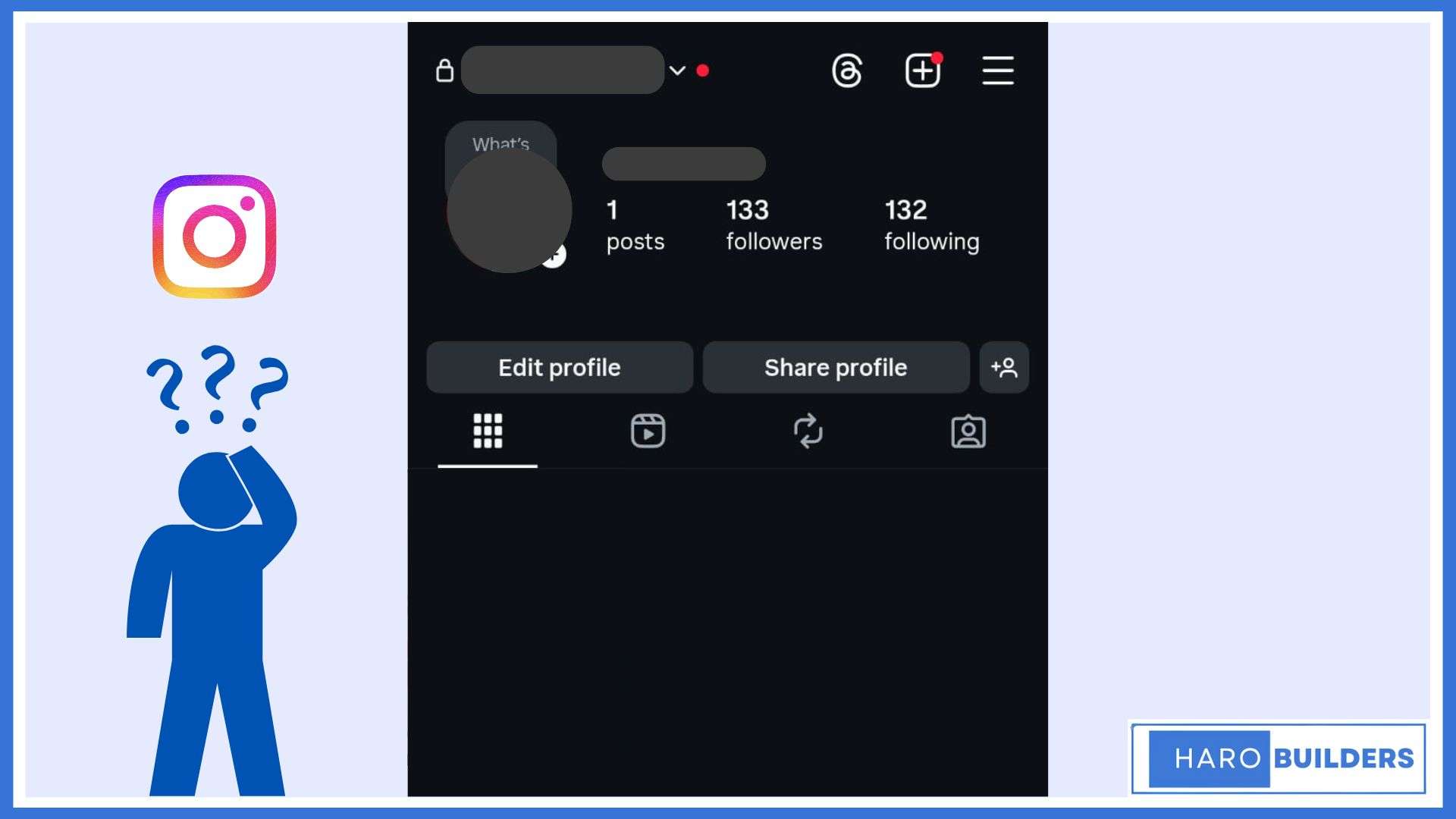
    Want to know how to hide followers on Instagram in 2025? Instagram’s visibility of follower lists and follower count has raised privacy concerns for many users. While Instagram doesn’t offer a direct option to hide your followers, understanding privacy settings can give you greater control. Research shows that people increasingly want to limit who sees their follower lists, especially on public profiles. Making your account private is one effective solution; this restricts your follower list visibility to only approved followers.

    Additionally, privacy settings can limit who sees your posts and follower count, improving your privacy. This article provides a complete, step-by-step guide on achieving this privacy control with easy-to-follow solutions.

    Importance of Privacy on Instagram

    Privacy on Instagram is increasingly important, especially as users share more personal content. Knowing how to hide followers on Instagram and ensuring follower visibility remains controlled is vital to maintaining a comfortable and secure experience on the platform. When followers and the follower list are visible, users may feel less in control of who interacts with their profile. This visibility can potentially lead to unwanted attention or excessive requests.

    By managing who sees your followers or setting your Instagram account to private, you gain greater control over your online presence. Private accounts allow only approved followers to see your posts and engage, creating a more secure and familiar audience.

    Moreover, controlling your follower list, privacy settings, and the option to turn off active status allows for a better balance between visibility and privacy. Overall, limiting follower visibility and disabling active status safeguards your content, making Instagram a safer and more personal space for you to connect with only those you trust.

    How to Hide Followers on Instagram: 4 Easy Methods

    1. Setting Your Instagram Profile to Private:

    To keep your followers and following list more private, setting your Instagram account to private is the most straightforward option. When you switch to a private profile, only approved followers can see your posts and lists. Here’s how to adjust your settings:

    • Open the Instagram app, go to your profile, and tap on the three horizontal lines.
    • Select “Settings” and then choose “Privacy.”
    • Under “Account Privacy,” toggle the “Private Account” option.
    • Confirm by selecting “Switch to Private” when prompted.
    • Only approved followers will be able to see your posts and followers list.

    Once your profile is private, those who aren’t approved as followers can’t see your posts, followers, or the list of people you follow.

    3. Adjusting Your Instagram Follower List Visibility:

    Instagram doesn’t offer a direct feature to hide followers or following lists, but you can limit the number of people who see them by carefully managing your account. Although this approach is indirect, it helps control visibility. Here’s how:

    • Regularly review your followers and remove anyone you don’t want on your list.
    • To remove a follower, go to your profile, tap on “Followers,” and select “Remove” next to their name.
    • Additionally, block certain Instagram users if you want to prevent them from viewing your profile completely.
    • Keep your account private to ensure that only those you approve as followers have access.
    • Consider monitoring who requests to follow you and limit approvals accordingly.

    4. Hide Your Followers on Instagram without Going Private:

    If you prefer not to switch your account to private, there are alternative ways to limit who can see your follower and following lists. Use the steps below to maximize privacy:

    • Restrict certain users by going to “Settings,” selecting “Privacy,” and tapping “Restricted Accounts.”
    • Use the “Close Friends” list for stories to ensure only specific followers see your content.
    • Limit the information in your bio to reduce visibility of personal details.
    • Regularly remove unwanted followers from your list without affecting your account’s privacy settings.
    • Interact with selected users and set your posts’ visibility accordingly to keep certain connections private.

    Though your profile remains public, these adjustments can help you control visibility for more privacy.

    5. Managing Your Following List:

    Your following list also influences what content appears publicly. Instagram doesn’t allow you to hide your following list directly, but here are steps to manage it effectively:

    • Go to your profile and tap on “Following.”
    • Review the list periodically and unfollow accounts you no longer want to appear on your profile.
    • Use Instagram’s “Mute” feature to hide posts or stories from certain accounts.
    • Follow only those who align with your preferences to keep your profile appearance clean.
    • Consider blocking certain users to restrict their access to your following list.

    Additional Privacy Settings for Enhanced Control

    Hiding Your Activity Status and Online Presence:

    You can manage your activity status on Instagram by turning off the visibility of your online presence. When you disable your activity status, followers won’t see when you’re active or last online, offering more privacy in interactions. This feature, accessible in account settings, lets you choose how visible your activity is to others.

    For instance, even when your account is public, hiding activity status keeps certain Instagram users from tracking your engagement times. Turning off your online status can be a helpful step to reduce unwanted attention and focus on personal connections.

    Managing Comment and Tagging Permissions:

    To maintain a positive experience on Instagram, manage comment and tagging permissions through privacy settings. These controls allow you to decide who can tag you in photos, mention you in comments, or leave comments on your posts. By restricting these options, only followers you trust can engage with your content directly.

    Additionally, you can turn off tagging for people who aren’t following you. Adjusting these permissions will significantly reduce unwelcome interactions and make your profile more secure. Such features give users the power to control the tone of comments and prevent intrusive tagging.

    Using Block and Restrict Features for Additional Privacy:

    Instagram offers the Block and Restrict features to help users limit contact with certain followers. When you block a user, they lose access to your profile and posts altogether, creating a complete barrier. The Restrict feature, however, is subtler, allowing restricted users to view posts but limiting their interaction options, such as making comments visible only to them.

    Both options allow you to control who engages with your account without needing to set the profile to private. This way, users can decide on the level of interaction they allow from followers while keeping personal boundaries intact.

    Privacy for Public Accounts: Practical Solutions

    Maintaining privacy on a public Instagram account is challenging, yet some solutions can help. While Instagram doesn’t offer a direct way to hide your followers, you can limit visibility by switching your account to private. With a private profile, only approved followers can view your posts and follower list.

    Another option is removing followers who you don’t wish to have access. Though this doesn’t hide existing followers, it does give you more control. Additionally, selectively limiting who can see your stories provides further privacy. Adjust these settings to balance your Instagram presence with your desired level of privacy.

    Conclusion

    Following these steps allows you to maintain privacy and hide followers on Instagram effectively. Adjusting your privacy settings or making your account private gives you better control over your follower list visibility. Will you try these privacy options, or do you prefer to keep your Instagram profile public?

    FAQs

    1. Will hiding followers affect my follower count?
    No, it won’t affect the count, only the visibility to non-followers.

    2. Can approved followers see my full follower list?
    Yes, approved followers can still see your follower list on a private account.

    3. Do privacy settings affect who can see my posts?
    Yes, a private account restricts post visibility to approved followers only.

    4. Will hiding my followers make my posts invisible?
    Posts stay visible to approved followers on private accounts only.

    5. How do I know if my follower list is hidden?
    Only approved followers will be able to see your list on a private profile.

  • Why is Modern Art So Bad? Shifts in Style and Standards

    Why is Modern Art So Bad? Shifts in Style and Standards

    why is modern art so bad

    Modern art is often marked by its complexity, embracing ambiguity to engage audiences differently than past art movements. Unlike traditional styles that centered on precise techniques, modern art allows open interpretations, particularly evident in conceptual art pieces. Artists like Duchamp and Pollock created works that left audiences questioning their intentions, inviting deeper reflection on society and self. Despite critics who question why is modern art so bad at times, such art prompts individual reactions and cultivates dialogue. Therefore, these layered meanings allow viewers to explore subjective experiences within each piece.

    What Traditional Art Brought to the Table?

    Traditional art, rooted in classical art and fine art, established enduring techniques and values. Artists in classical art honed their skills through demonstrable art training, which focused on technical skill, realism, and detailed representation. This era emphasized balance, symmetry, and a commitment to high craftsmanship, ultimately shaping what many consider “good art” today. 

    Key characteristics of traditional art include:

    • Emphasis on realistic representation, often mirroring scenes from life or nature.
    • Skilled craftsmanship developed through formal training and structured approaches.
    • Focus on universally relatable themes, e.g., love, heroism, and morality.
    • Precise attention to detail, balance, and proportion in compositions.
    • Use of classic materials like oils and marble, conveying timelessness and durability.

    Additionally, traditional art prioritized themes that resonated universally, drawing from myth, religion, and nature, to create lasting pieces of art. Unlike many contemporary art forms, classical art often aimed to convey beauty and evoke admiration rather than provoke controversy.

    How Modern Art Redefined Artistic Boundaries?

    Modern art aimed to break away from traditional limitations, embracing abstract art, surrealism, and postmodern art. Artists like Jackson Pollock and Marcel Duchamp challenged the notion that art must adhere to classic forms or technical precision. Instead, they explored creativity as a process to express subjective emotions and ideas.

    This approach welcomed new forms like performance art and conceptual installations. The art world also recognized that art could reflect individual perspectives rather than universal ideals, reshaping what constitutes art itself.

    Thus, modern art redefined artistic boundaries by inviting audiences to question and interact with the experience of art.

    The Role of Art Movements in Shaping Modern Art

    Art movements like Impressionism, Cubism, and Abstract Expressionism significantly influenced modern art, each redefining art’s purpose and form. These movements questioned art’s traditional role, suggesting it could evoke subjective interpretations rather than convey fixed meaning.

    For instance, Cubism introduced fragmented perspectives, allowing viewers to see multiple angles simultaneously, which contradicted traditional art’s singular viewpoints.

    Similarly, Abstract Expressionism, marked by the works of artists like Mark Rothko, emphasized emotional intensity over detailed representation. 

    By breaking classical norms, these movements encouraged diverse approaches in the contemporary art world, fostering an environment where art could exist without traditional boundaries and expectations.

    Common Criticisms: Why is Modern Art So Bad?

    • Some critics argue that modern art lacks technical skill, focusing on concept over craft.
    • People feel that abstract art often appears random, making appreciation difficult without context.
    • Art institutions sometimes support pieces that seem absurd, e.g., objects taped to a wall.
    • Comparatively, classical art shows evident skill, which many believe modern art cannot match.
    • There’s a sentiment that modern art disregards traditional standards, making people dislike it.
    • Others say that art has become overly commercial, prioritizing trends over meaningful expression.
    • Some believe modern art caters to elite tastes, alienating general audiences from art appreciation.

    Why Abstraction and Minimalism Took Center Stage

    Abstraction and minimalism undeniably transformed theworld of modern art, emphasizing simplicity and subjectivity over traditional techniques. Rather than focusing on demonstrable art training, these movements embrace personal expression and leave art appreciation open to interpretation. People don’t like modern art as it often challenges traditional art forms and expectations, leading to divided opinions. However, this shift reflects a broader purpose of art—to evoke emotion and provoke thought. While good art was once rooted in realism, abstraction invites viewers to approach art objectively. Consequently, abstraction and minimalism continue to shape the art market and contemporary artists today.

    The Rise of Digital Marketplaces for Modern Art

    The rise of digital marketplaces has undeniably transformed how people approach art in the modern period. Platforms like Artsy, Saatchi Art, Etsy, and Amazon have made it easier than ever to experience art beyond traditional galleries. These marketplaces provide an accessible way to encounter new forms of art, even enabling a deeper engagement for those who previously felt detached from the world of modern art.

    Moreover, social media integration allows artists to showcase art works to a global audience. While people pay high prices for gallery pieces, digital platforms make diverse collections more affordable and available to all, thus expanding the purpose of art in today’s world.

    The Rise of Contemporary Art Galleries and Public Reception

    Contemporary art galleries have evolved significantly, providing not just display spaces but also cultural hubs for modern art appreciation. These galleries emphasize new forms of expression, whether through traditional art forms or experimental installations. Additionally, they offer immersive experiences, inviting audiences to engage with art on a personal level.

    Public reception to these galleries varies; some people love the bold creativity on display, while others find the works baffling or “bad art.” Despite occasional criticism, galleries play a crucial role in the art world, fostering discussions on art’s role and purpose, and challenging traditional notions of what constitutes art.

    Thinking Beyond the Canvas: The Conceptual Nature of Modern Art

    Modern art often emphasizes concept over technique, valuing ideas more than demonstrable art training or realistic representation. This shift away from realism to abstract and conceptual works leaves some audiences puzzled, occasionally sparking debates over whether modern art lacks skill or substance.

    However, artists in the modern period often create with intention, aiming to provoke thought or societal reflection. Artworks by pioneers like Mark Rothko and Willem de Kooning illustrate this approach, prioritizing emotional response over visual accuracy.

    The conceptual nature of modern art challenges viewers to approach art objectively, sparking diverse interpretations and redefining traditional expectations for art’s purpose.

    Conclusion

    Modern art has divided opinions, with many finding it difficult to appreciate compared to classical art. Unlike fine art, which requires technical skill and clear forms, much modern art emphasizes abstract ideas and subjective expression. Artists like Jackson Pollock and Marcel Duchamp challenged the traditional notion of what constitutes art, which led to contemporary styles that some find hard to understand. Art institutions continue to defend modern art, arguing its value lies in breaking norms. Yet, the debate remains: if “why is modern art so bad” persists, does modern art still fulfill its purpose? What role does art have for you?

    FAQs

    1. Why is modern art so bad?

    Many find modern art lacks technical skill and clarity compared to classical art.

    2. What defines “bad” modern art?

    Some think it’s abstract or lacks meaning, making it hard to appreciate.

    3. Does modern art lack meaning?

    Some believe so, but others feel it allows personal interpretation and emotional resonance.

    4. How has modern art influenced future art?

    Modern art opened doors for new forms, encouraging further experimentation in art forms.

    5. Why does modern art sell for high prices?

    Art’s value is subjective, often set by collectors and the art market.

  • Is Affiliate Marketing Legit? The Secrets Behind Its Success

    Is Affiliate Marketing Legit? The Secrets Behind Its Success

    is affiliate marketing legit

    Many individuals question, “Is affiliate marketing legit?” due to widespread affiliate fraud. Research indicates that various scams plague this space, leading to skepticism about affiliate programs. However, affiliate marketing is a performance-based marketing strategy that allows people to earn commissions by promoting products. This approach offers a legitimate way to make money online.

    By joining reputable affiliate networks and utilizing effective marketing techniques, individuals can build a successful affiliate marketing business. In this article, the secrets behind the success of affiliate marketing will be revealed. Comprehensive guidance on how to navigate this rewarding field will also be provided.

    Is Affiliate Marketing Legit?

    Affiliate marketing is indeed legitimate when carried out through trusted programs and ethical practices. The question “is affiliate marketing legit?” often arises due to the presence of scams in the industry. By promoting a product or service, affiliate marketers earn commissions for every sale made through their affiliate link. However, scams do exist, making it crucial to research any affiliate marketing program thoroughly. Trustworthy affiliate networks offer transparent terms and conditions, ensuring fair compensation and protecting affiliate marketers. The legitimacy of affiliate marketing depends on the credibility of the network and the products promoted. Staying updated on digital marketing trends enhances visibility and campaign effectiveness.

    How to Recognize Reputable Affiliate Opportunities?

    To identify reputable affiliate programs, consider the following factors:

    • Established affiliate networks with a proven track record
    • Clear terms and conditions that outline commissions and payment structures
    • Products or services with positive reviews and transparency in pricing

    The Benefits of Affiliate Marketing

    • Affiliate marketing allows individuals to make money online without creating their own product or service.
    • Flexibility is provided to affiliate marketers, enabling them to work from anywhere with internet access.
    • Affiliate programs offer a variety of niches, ensuring relevance when promoting a product or service.
    • Commissions are performance-based, meaning affiliates can increase earnings with increased effort and marketing.
    • Collaborating with established affiliate networks simplifies processes such as tracking and payments.
    • Legitimate affiliate programs provide clear terms and conditions, ensuring transparency for marketers.
    • Affiliates can build trust with their audience by promoting high-quality products through affiliate links.
    • Email marketing and other digital marketing channels can significantly enhance affiliate marketing success.
    • The affiliate marketing industry continues to expand, creating more opportunities for affiliates to earn money.
    • Earnings can grow over time, especially for those who focus on sustainable, long-term affiliate marketing strategies.

    How to Succeed in Affiliate Marketing?

    Success in affiliate marketing requires a clear strategy and diligent effort. First, selecting a legitimate affiliate program aligns with personal interests significantly increases success chances. Additionally, focusing on a specific niche helps build an engaged audience. It is vital to utilize various online marketing techniques, such as email marketing and social media promotion.

    Another effective method involves regularly analyzing marketing efforts to identify areas for improvement. Additionally, maintaining transparency about affiliate links fosters trust with your audience. Lastly, consistently providing valuable content engages followers and encourages them to earn money through affiliate marketing.

    Avoiding Affiliate Marketing Scams

    Common Affiliate Marketing Scams

    Success in affiliate marketing requires a clear strategy and diligent effort. First, selecting a legitimate affiliate program aligns with personal interests significantly increases success chances. Additionally, focusing on a specific niche helps build an engaged audience. It is vital to utilize various online marketing techniques, such as email marketing and social media promotion. Another effective method involves regularly analyzing marketing efforts to identify areas for improvement. Additionally, maintaining transparency about affiliate links fosters trust with your audience. Lastly, consistently providing valuable content engages followers and encourages them to earn money through affiliate marketing.

    How to Avoid Them?

    To avoid affiliate marketing scams, thoroughly research any affiliate program before joining. Always check for online reviews and testimonials from existing affiliate marketers. It is also wise to read the terms and conditions associated with each affiliate program. Additionally, trusting your instincts can help; if something seems suspicious, it often is. Another effective strategy is to avoid programs requiring upfront payments. Lastly, joining reputable affiliate networks can provide access to legitimate affiliate marketing opportunities.

    Is Affiliate Marketing Worth It?

    Affiliate marketing is a legitimate way to make money online. Many people join an affiliate program and successfully promote affiliate products. The ability to earn money with affiliate marketing lies in its performance-based structure. Affiliate partners earn commissions when customers purchase through unique affiliate links. Because of its flexibility and low startup costs, affiliate marketing becomes an appealing option for many. Successful affiliate marketers build strong relationships with reputable affiliates and networks. Furthermore, the various marketing strategies and campaigns allow individuals to tailor their approach effectively. Thus, affiliate marketing is undoubtedly worth considering for anyone looking to generate income or make a passive income.

    Conclusion

    So, is affiliate marketing legit? It presents a genuine opportunity to generate income if approached correctly. Understanding its legitimacy and the various types of programs is crucial for success. Individuals are encouraged to assess their options and determine the best strategies to employ. What challenges have you faced in your affiliate marketing efforts, and how do you plan to overcome them?

    FAQs

    1. How does affiliate marketing work?

    Affiliates promote products using unique affiliate links and earn commissions for sales generated through those links.

    2. What is a reputable affiliate network?

    Reputable affiliate networks provide reliable programs, ensuring transparency and support for affiliates.

    3. What marketing strategies work best for affiliate marketing?

    Effective strategies include social media marketing, content marketing, and targeted email campaigns.

    4. What are common types of affiliate scams?

    Common scams include fake programs, misleading claims, and pyramid schemes masquerading as affiliate opportunities.

    5. Are affiliate programs free to join?

    Most affiliate programs are free to join, requiring no upfront costs to participate.

  • What is Temu? Learn How to ‘Shop with Style, Save with Ease’

    What is Temu? Learn How to ‘Shop with Style, Save with Ease’

    what is temu

    Shopping online can be risky, especially when platforms like Temu get accused of forced labor or scams. Many people wonder, what is Temu?, is Temu legit? and how it manages such affordability. Questions surrounding its business practices, including accusations of forced labor and concerns raised about the company’s connections to the Chinese Communist Party and other business practices, skepticism has grown. 

    However, it is an e-commerce platform founded in Boston and backed by a multinational commerce group. It offers products at low prices through its mobile app and provides full refunds under its purchase protection program. Read this complete guide to find out more.

    What is Temu?

    Temu is an e-commerce platform launched in 2022 under PDD Holdings, the parent company of Pinduoduo. It serves as an online marketplace, allowing sellers to offer products directly to consumers. This Chinese e-commerce platform has gained popularity for its competitive prices, often compared to Shein.

    It provides an extensive range of merchandise, from fashion to electronics, at discounted rates. In 2023, it expanded its reach through mobile apps on Google Play and other platforms, catering to millions of shoppers worldwide, with the appeal of low prices and easy access to international sellers.

    Temu’s Business Model

    Temu operates as a marketplace where third-party sellers list products directly, bypassing traditional retail chains. This business model is built on Pinduoduo’s success, combining a social commerce aspect with low-priced goods.

    It allows shoppers to find a vast selection of items, leveraging its supply chain to minimize costs. Products are listed at near-wholesale prices, providing discounts that attract price-sensitive buyers.

    The platform also focuses on a seamless shopping experience via its mobile app, accessible on Google Play, where customers can easily track orders and handle refund requests.

    Temu’s model supports various dropshipping business ideas, allowing entrepreneurs to utilize the platform for their own ventures.

    By leveraging Temu’s extensive product range and competitive pricing, individuals can easily set up dropshipping stores without needing to hold inventory.

    Temu App and Website Features:

    • User-Friendly Interface: The app offers an intuitive design for easy navigation and shopping.
    • Real-Time Order Tracking: Shoppers can monitor their orders directly from the app or website.
    • Discount Codes: Frequent promotions and discounts are available for regular users.
    • Refund Process: A straightforward refund system ensures customer satisfaction.
    • Product Listings: Detailed product descriptions and seller ratings are provided for informed decisions.
    • Multi-Language Support: The platform supports various languages, making it accessible globally.

    What Does Temu Sell?

    Temu is an e-commerce platform offering a wide variety of products. Customers can find items ranging from clothing, beauty and hair loss products, and electronics to home goods, toys, and accessories. The platform also connects shoppers with manufacturers in China, enabling access to a broad selection of affordable merchandise. Products from Temu typically include fashion apparel, gadgets, and lifestyle essentials, with many items offered at competitive prices. Temu sellers provide a diverse catalog, making it a one-stop shop for many categories.

    Why Are Products on Temu So Cheap?

    Temu’s low prices are largely due to its direct connections with manufacturers in China. This e-commerce platform allows consumers to purchase items at near-wholesale prices by cutting out middlemen. Additionally, Temu benefits from its parent company’s multinational commerce network, ensuring efficient supply chain management. Therefore, costs are minimized for consumers. It claims that customers get the best value, chiefly because of its ability to source products directly. This business model offers competitively priced items while maintaining quality standards.

    Is Temu Safe to Buy From?

    Temu is a legitimate platform with safeguards in place to protect customers. The company offers a purchase protection program, ensuring that buyers receive the items they ordered, or they can request a full refund. It also provides clear information on its privacy policy, emphasizing data security during transactions. Reviews from Temu customers indicate satisfaction with the platform’s security features. It is advisable to review customer support options, which are available to handle disputes or concerns. This helps ensure a safe and reliable shopping experience.

    Is Temu a Scam?

    Despite occasional concerns raised about Temu, the platform operates as a legitimate e-commerce site. It is owned by a well-known parent company that specializes in multinational commerce, providing a wide range of products at affordable prices. While some may question the pricing,

    It provides assurance through its zero-tolerance policy for fraudulent activities. The platform offers strong customer protection, including a refund policy within 90 days of purchase. Thus, although some skepticism may exist, It maintains its reputation as a reliable shopping destination.

    Why Shop on Temu Over Other Apps?

    Temu stands out from other apps due to its unbeatable prices and extensive product selection. The platform offers near-wholesale prices, allowing shoppers to save significantly compared to other online retailers. It also provides a user-friendly shopping experience via its mobile app, available on the App Store and Google Play Store. Leveraging retail AI solutions, Temu can further enhance personalized shopping experiences and streamline product recommendations for users.

    Furthermore, Temu’s wide range of products, from clothing to electronics, surpasses many competitors. Its ties to a multinational commerce group, with a vast supply chain, ensure that quality products are delivered at lower prices.

    Temu’s Return Policies

    Temu offers a straightforward return policy, ensuring that customers have peace of mind when purchasing. Items can be returned within 90 days of purchase, allowing ample time for users to assess their satisfaction. The platform emphasizes a full refund policy if the product fails to meet expectations or arrives damaged.

    Temu’s customer support team is available to assist with returns, making the process hassle-free. Furthermore, the company’s purchase protection program guarantees that customers receive their items or can initiate a refund if needed.

    Conclusion

    Temu is an e-commerce platform offering a wide range of products at near-wholesale prices. Concerns about its legitimacy and business practices have been raised, but what is Temu really about? It’s a legitimate shopping app with a strong refund policy and low-cost offerings. Are you ready to explore Temu for your next purchase?

    FAQs

    1. Does Temu use forced labor?
    Allegations exist, but it claims to follow a strict code of conduct.

    2. Does Temu have ties to the Chinese Communist Party?
    Temu’s parent company has origins in China, raising speculation about these connections.

    3. Is Temu available in the USA and UK?
    Yes, it operates in both regions via its app and website.

    4. Why is Temu so cheap?
    It connects consumers directly with manufacturers, cutting out middlemen.

    5. Is Temu cheaper than other sites?
    Yes, products on Temu are sold at near-wholesale prices.