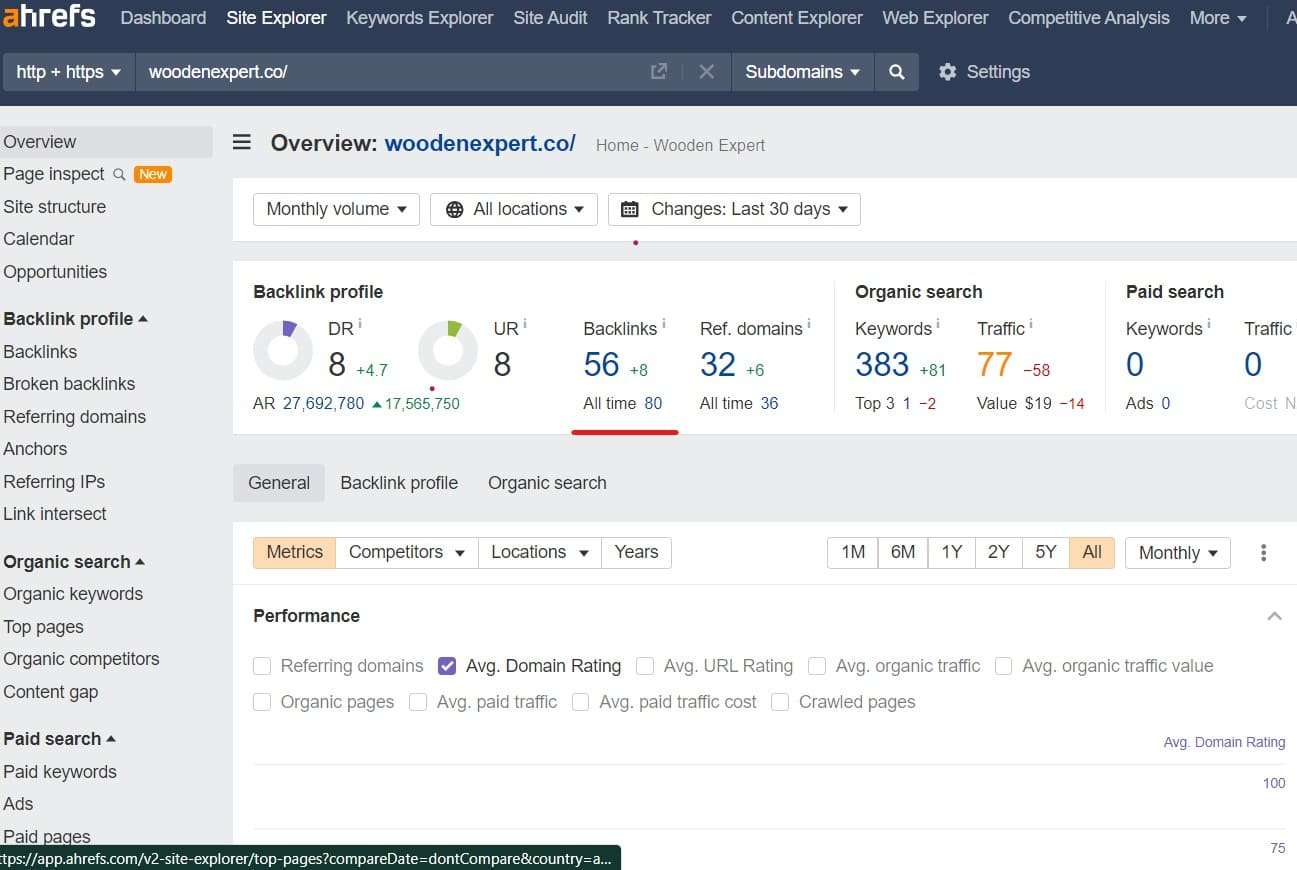
Struggling to attract more visitors to your website? The majority of online experiences begin with a search engine like Google or Bing. Yet, many businesses overlook SEO, missing out on crucial website traffic and digital presence. Most people ask “Why is SEO important?“ It stands as a powerful digital marketing tool, essential for enhancing visibility and driving organic traffic to your website. It leverages techniques such as keyword optimization, content marketing, and on-page SEO to rank your content higher in search results. The importance of search engine optimization cannot be overstated; this article provides a comprehensive guide on how SEO can transform your business.
What Does SEO Stand For?
SEO stands for Search Engine Optimization. It involves optimizing a website to improve its position in search engine results. The process includes using specific keywords, enhancing site structure, and ensuring high-quality content to meet search engine standards. This strategy aims to increase organic traffic to a site by making it more visible in search results like Google Search.
Why is SEO Important?
SEO is critical for digital marketing success as it directly influences visibility and organic search performance. Here’s why:
Enhances Online Visibility: Proper SEO efforts make your product or service more noticeable in search results.
Increases Organic Traffic: By optimizing for relevant queries, SEO helps attract more visitors without direct advertising.
Improves User Experience: A well-optimized site provides a smoother, more engaging user experience, encouraging longer visits and interactions.
Supports Conversion: SEO can lead to higher conversion rates as more targeted traffic often results in more engaged customers.
Core Elements of SEO
SEO, or search engine optimization, enhances the visibility of your website in search results.
Effective keyword research helps target the queries your potential customers are entering.
Google Search prioritizes websites with high-quality content that answers user queries well.
Local SEO optimizes your presence for area-specific searches, boosting your local visibility.
Optimizing user experience on your website retains visitors and reduces bounce rates.
Backlinks from reputable sites improve your ranking and credibility in search engine results pages (SERPs).
Regular updates to content ensure relevance and adherence to the latest SEO best practices.
Organic search drives traffic by aligning your content with what potential customers are searching for.
Conversion optimization techniques turn visitors into customers by simplifying the user pathway.
Leverage Website Optimization Tools: Tools like Google Analytics, Ahrefs, and SEMrush help identify issues, optimize content, and track performance, streamlining your SEO efforts.
Benefits of Effective SEO Practices
Effective SEO practices enhance your digital presence and boost your business’s visibility online. They tailor your content to meet the specific needs and searches of your audience, improving your overall engagement and driving more traffic to your website. This strategy not only helps in ranking higher in search results but also supports your brand’s credibility and authority.
Key Benefits of Effective SEO Practices:
Increases Online Visibility: SEO makes your business more visible on major search engines like Google and Bing.
Attracts Targeted Traffic: Optimized content draws in visitors specifically searching for your products and services.
Boosts Conversion Rates: By targeting more relevant audiences, SEO can enhance your conversion rates.
Cost-Effective Marketing: Compared to paid marketing, SEO provides a more affordable long-term solution.
Enhances User Experience: A well-optimized website offers a better user experience, encouraging longer visits and repeat traffic.
How Search Engine Works?
Search engines like Google and Bing employ algorithms to scan the web. These systems parse through content on your website to assess relevance to search queries. Search engines work by indexing this data, and categorizing it under various search terms. Effective SEO practices help your site rank higher in search results, optimizing visibility to users. A strong SEO strategy involves on-page and off-page techniques that enhance this indexing process. SEO is important for businesses because it drives website traffic organically, fostering a digital presence without relying on paid marketing.
The Anatomy of Search Results
A search engine results page is structured to provide the most relevant information first. This includes paid search ads at the top, followed by organic search engine results. Each listing typically displays the title, a brief description, and the URL of the website. Effective SEO ensures that the content on your website is optimized for these components. Elements of SEO like keyword optimization and creating quality content for search engines are crucial. They make the site’s information appealing both to search engines and users, boosting your online presence and potential customer engagement.
Conclusion
Investing in SEO offers numerous benefits for any business aiming to establish a strong online presence. By optimizing your website for search engines, you not only increase traffic but also enhance user experience and conversion rates. Effective SEO strategies ensure that your products and services are easily discoverable by potential customers. If you’re wondering why is SEO important, it’s because these strategies directly contribute to the visibility and success of your business online. Interested in learning how to apply SEO best practices to see tangible results? What aspects of SEO would you like to understand better to grow your business?
Faced with rising competition, dropshippers are constantly seeking advantages to stay ahead. Recent studies suggest that the integration of AI in dropshipping, referred to as AI dropshipping, can significantly boost efficiency and customer satisfaction.
AI tools streamline every aspect of a dropshipping business, from product sourcing to customer interactions. These innovative solutions automate mundane tasks, enhance product listings with AI-generated descriptions, and optimize marketing efforts through data-driven insights.
For those ready to transform their dropshipping operations, this article offers a detailed guide on the top 10 AI tools that can catalyze your success in the dynamic world of e-commerce.
Evolution of AI Dropshipping
AI dropshipping has transformed significantly from basic automation to sophisticated AI-powered platforms. Initially, automation focused on simple tasks like order processing and inventory management. As technology progressed, artificial intelligence began optimizing product research, identifying trending products, and enhancing customer experiences.
Nowadays, AI tools for dropshipping assess conversion rates, streamline business operations, and support dynamic email marketing strategies.
This advanced AI integration solutions allows dropshippers to efficiently target audiences, manage marketing campaigns, and improve overall business success with features that cater specifically to their operational needs.
How to Use AI for Dropshipping?
To leverage AI for dropshipping, start by selecting an AI tool that integrates with platforms like Shopify. These tools help automate and streamline many aspects of running a dropshipping store, from product description generation to order fulfillment.
Utilize AI for product research to identify winning products and optimize your product pages for higher conversion rates. Implement AI-powered chatbots to enhance customer support and keep your audience engaged.
Additionally, use AI to refine your marketing campaigns, ensuring that your efforts are precisely tailored to your target audience, thereby boosting the effectiveness of your promotional activities.
10 Best AI Tools for Dropshipping
1. Shopify AI
Shopify AI integrates deeply with your Shopify store to optimize and streamline operations. This tool automates product recommendations and enhances customer experiences, boosting conversion rates. It analyzes data points to target the right audience, ensuring your store aligns with customer needs. Features include AI-driven email marketing and product photography enhancements.
2. Oberlo
Oberlo is a favorite for Shopify dropshippers, allowing users to import products from suppliers quickly. This tool helps identify trending products and streamlines the dropshipping process. With Oberlo, product sourcing is simplified, and order processing is automated, which improves the efficiency of business operations.
3. AliDropship AI
AliDropship AI offers a powerful WordPress plugin that converts your site into a full-featured dropshipping store. It automates product imports and updates, and includes AI tools to enhance product descriptions and titles. This tool supports efficient management of your product database, helping to scale your dropshipping venture.
4. Zik Analytics
Zik Analytics is an advanced product research tool that identifies winning products through data analysis. It offers insights into competitive products and helps optimize your listings for higher visibility and sales. This tool is essential for data-driven decisions that propel a successful dropshipping business.
5. ChatGPT
ChatGPT can revolutionize customer support and content creation in dropshipping. It uses natural language processing to generate engaging product descriptions, ad copies, and social media posts. This AI chatbot also enhances the customer service experience by providing quick, intelligent responses to customer inquiries. ChatGPT users in the dropshipping space are leveraging its capabilities not only to automate routine tasks but also to maintain consistent brand voice and improve response time across platforms.
6. Spocket AI
Spocket AI excels in connecting dropshippers with suppliers from the US and EU. This tool ensures high-quality products reach your store quickly. It automates inventory updates and fulfillment processes, making it easier to manage product listings and keep your store up-to-date.
7. SaleHoo
SaleHoo provides a comprehensive directory of suppliers and a powerful market research tool for filtering profitable products. This tool helps in finding reliable suppliers and offers extensive support to ensure you pick products that maximize profits. SaleHoo is crucial for maintaining a robust supplier network.
8. Pexda
Pexda is a top tool for discovering high-potential products before they become mainstream. It provides detailed insights into each product, including potential profits and ad strategies. This tool is designed to reduce the guesswork in product selection and help you quickly find winners.
9. AutoDS
AutoDS is a versatile dropshipping tool that automates many aspects of your store, from product importing to order processing. It supports multiple platforms and offers features like price optimization and automatic tracking updates. AutoDS helps keep your operations smooth and customer-friendly.
10. Ecomhunt
Ecomhunt excels in spotting new, winning products daily. It provides key data on each product, including analytics, profit margins, and engagement rates. This tool also offers webinars and tutorials to help newcomers start their dropshipping venture confidently and successfully.
Starting Your AI Dropshipping Business
Starting your AI dropshipping business requires careful planning and strategic implementation:
Select a Niche: Choose products that align with market demands.
Set Up Your Store: Use a platform like Shopify for easy integration.
Utilize AI Tools: Automate tasks such as product sourcing and order processing.
Optimize Listings: AI can generate compelling product titles and descriptions.
Engage Customers: Deploy AI chatbots for effective customer support.
Analyze Data: Use AI to refine marketing strategies and improve conversion rates.
Conclusion
Embracing tools in AI dropshipping isn’t just about staying competitive; it’s about setting new standards in efficiency and customer engagement. From refining product selections with AI-driven research tools to crafting compelling ad copies and automating customer interactions, these tools offer a formidable array of benefits. As you consider integrating AI into your dropshipping venture, think about the specific areas of your operation where AI could have the most impact. Have you identified which AI tools could best align with your business goals?
Are you struggling to find a dropshipping model that avoids the saturated markets of traditional methods? A shift towards reverse dropshipping as entrepreneurs seek higher margins and untapped markets. This innovative approach involves importing high-quality products from Western countries to sell in high-demand Asian markets, challenging the typical export-oriented dropshipping.
By leveraging reliable suppliers and a solid e-commerce platform, reverse dropshipping can significantly boost your profit margins. Dive deeper into how this business model works and explore strategies for success in our comprehensive guide.
What is Reverse Dropshipping?
Reverse dropshipping is a distinct business model in the e-commerce sector where entrepreneurs, rather than sourcing cheap products from countries like China, target high-quality, high-demand items from Western countries. This approach can also be seen in building materials industry digitalization, where businesses cater to premium product demands in evolving markets by leveraging unique strategies. This model primarily focuses on selling these products to markets with higher buying power, typically Asian countries. This strategy can lead to a higher profit margin compared to traditional dropshipping, as it capitalizes on the global market’s diverse needs and premium product preferences.
How does the Reverse Dropshipping Model Work?
The reverse dropshipping model represents a shift from traditional dropshipping, focusing on importing high-quality products into countries typically seen as exporters, like China and India. Here’s how it works:
Business Plan Creation: Entrepreneurs start by developing a detailed business plan that outlines the niche, target market, and operational strategy.
Sourcing Products: Unlike conventional dropshipping which often sources cheaper goods from countries like China, reverse dropshipping involves sourcing premium products from Western countries.
Setting Up an Online Store: Using a dropshipping website builder, sellers create an online platform tailored to showcase their unique product range.
Partnering with Suppliers: The key to this model is establishing relationships with reliable suppliers in the States or Europe who can provide high-quality products.
Marketing and Sales: The business markets these products in regions where such items are in high demand but not widely available, adjusting strategies to suit local preferences and languages.
Order Fulfillment: When a customer places an order, the supplier directly ships the product to them, minimizing the seller’s need to manage inventory or handle logistics. By integrating OMS systems, the process is streamlined, enabling real-time tracking, order processing, and seamless communication between the seller and supplier.
Role of Suppliers in Reverse Dropshipping
In reverse dropshipping, suppliers play a critical role, especially since this model involves sourcing high-quality products from regions typically known for exports like the USA and Europe, to be sold in importing countries such as China and India. Here are the steps of how suppliers function in this business model:
Product Sourcing: Suppliers are tasked with providing unique, high-quality products that are not readily available in the target markets. This requires them to have a thorough understanding of market demands in both exporting and importing countries.
Quality Assurance: Since reverse dropshipping focuses on premium products, suppliers must ensure consistent quality. This involves rigorous testing and compliance with international standards to maintain the reputation of the business.
Inventory Management: Although reverse dropshipping minimizes inventory risks by not requiring the retailer to purchase large quantities upfront, suppliers must adeptly manage stock to handle orders efficiently and promptly.
Order Fulfillment: Upon receiving orders, suppliers are responsible for the timely shipping of products directly to the customer. This includes packaging, handling, and using materials like cloth tape to secure items, as well as managing the logistics of shipping across borders.
After-Sales Support: Suppliers also need to provide support for returns and exchanges, which involves clear communication and coordination with the dropshipper to ensure customer satisfaction.
Pros and Cons of Reverse Dropshipping
Pros of Reverse Dropshipping
Access to markets with high demand for quality, foreign products
Higher profit margins due to unique product offerings
Less competition compared to traditional dropshipping markets
Flexibility to explore various niche markets
Benefits from higher perceived value of Western products in certain countries
Low inventory costs as it follows the dropshipping model
Facilitates brand building by focusing on high-quality products
Expanded global reach allows tapping into new customer bases
Lower risk of stock accumulation and easier scalability
Offers differentiation in saturated dropshipping markets
Cons of Reverse Dropshipping
Challenges in understanding and navigating foreign markets
Higher shipping costs and longer delivery times
Need for substantial market research to identify viable products
Dependence on the reliability of overseas suppliers
Cultural and language barriers that complicate marketing and customer service
Compliance with international trade regulations and taxes
Limited control over the manufacturing and quality assurance process
Potential legal complexities when dealing with international trade
Requires more upfront investment in building customer trust
Risk of return and refund complexities due to international shipping
How to Start A Reverse Dropshipping Business?
To start a reverse dropshipping business, first create a detailed business plan focusing on unique, high-quality products. Research and select a niche market that demands premium items not widely available in target countries like China or India. Partner with reliable suppliers from Western nations known for innovative goods. Set up your online store using a robust website builder and integrate strong e-commerce functionalities. Finally, launch marketing campaigns tailored to the cultural preferences and languages of your target markets, ensuring your brand message resonates effectively.
Dropshipping vs Reverse Dropshipping
Dropshipping
Reverse Dropshipping
Sells low-cost products sourced from suppliers, mainly in Asia.
Focuses on high-quality, high-margin products from Western countries.
Generally lower due to high competition and lower-cost items.
Potentially higher as products are unique and less available in target markets.
Typically in countries like China.
Mainly in Western countries.
Global, often targeting Western countries.
Primarily Asian countries, reversing the usual export-import roles.
High due to the abundance of sellers and accessibility of goods.
Lower, serving a niche market with less saturation.
Often variable, with a focus on mass-market appeal and affordability.
Emphasizes high-quality, sometimes bespoke products.
Broad, often prioritizing price over quality.
Targets customers seeking premium products not readily available locally.
Relies on suppliers’ logistics; can face delays due to international shipping from Asia.
May involve more complex logistics but benefits from selling high-demand products in new markets.
Conclusion
Reverse dropshipping targets markets typically known as exporters, like China, with high-quality goods from countries such as the USA or Europe. This strategy offers significant benefits such as higher profit margins and access to less saturated markets. However, it also poses challenges like navigating different regulations, handling shipping complexities, and overcoming significant cultural and language barriers. As you consider the potential of reverse dropshipping for expanding your business, think about how you can use this model to tap into global markets. What strategies might you adopt to effectively address these challenges?
FAQs
1. How can one start this type of business?
Start by developing a business plan, choosing products, finding suppliers, setting up an online store, and marketing strategically.
2. Which platforms are best for setting up a store?
Shopify and WooCommerce are popular due to their user-friendliness and flexibility.
3. What to look for in suppliers?
Seek suppliers who provide high-quality products and reliable shipping, and comply with local regulations.
4. How should one market a reverse dropshipping business?
Adapt marketing strategies to fit the local culture and media platforms of the target market.
5. Can it be done in any country?
While possible, success depends on understanding the specific conditions and preferences of the target country.
Finding the right cannabis business social network can be overwhelming due to the abundance of platforms available. Recent studies reveal that effective networking platforms are crucial for success in the rapidly evolving cannabis industry.
Among the many options, platforms like WeedLife, GrassCity, and Duby are recognized for their unique features that facilitate networking and business growth for cannabis professionals.
This article provides a detailed guide to the top 10 cannabis business social networks in 2024, helping you choose the best fit for your needs.
What is Cannabis?
Cannabis, commonly known as marijuana, refers to a group of three plants with psychoactive properties, classified as Cannabis sativa, Cannabis indica, and Cannabis ruderalis. When you harvest and dry the flowers of these plants, you obtain one of the world’s most widely used drugs.
Cannabis features two key components: THC, which induces the “high,” and CBD, which is non-psychoactive and renowned for its medicinal properties. People use it both for recreation and therapeutic purposes, experiencing varying degrees of legality and acceptance around the world. The plant has also sparked a significant social and medical discussion around its safe use and regulation.
The Rise of Social Networks in Cannabis
The emergence of cannabis-specific social networks marks a significant shift in the industry. Platforms like Weedlife, GrassCity, and other top cannabis social media sites offer unique spaces where cannabis enthusiasts and professionals can connect.
These networks cater specifically to cannabis businesses, growers, and users, providing a safe haven away from mainstream social media scrutiny. They facilitate the sharing of cannabis-related news and innovations, enriching the cannabis community.
As legalization expands, these platforms are becoming indispensable tools for industry professionals looking to expand their reach and impact within the cannabis market.
Benefits of Joining a Cannabis Business Social Network
Joining a cannabis business social network offers numerous advantages for business owners and cannabis professionals. Here are some key benefits:
Enhanced Visibility: Your cannabis business gains exposure to a targeted audience of cannabis enthusiasts and industry professionals.
Networking Opportunities: Connect with cannabis entrepreneurs, growers, and companies, opening doors to collaboration and partnerships.
Access to Industry Insights: Stay updated with the latest trends, regulations, and innovations within the cannabis industry through dedicated news feeds.
Market Expansion: Leverage the network to introduce cannabis products to a broader and more receptive audience.
Community Support: Engage with a community of like-minded individuals who are passionate about cannabis. This can be especially beneficial for navigating the unique challenges of the cannabis market.
Resource Sharing: Gain insights from experiences shared by other cannabis businesses and professionals, which can help in refining your strategies and operations.
Advocacy and Influence: Join forces with other cannabis companies and professionals to advocate for favorable policies and regulations in the cannabis industry.
Top 10 Leading Cannabis Business Social Networks
GrassCity:
GrassCity serves as a vibrant forum for cannabis enthusiasts and business owners. Here, users engage in discussions about cannabis products and growing techniques. The platform also offers valuable business development insights and connects cannabis businesses with potential investors. GrassCity is renowned for its active community that shares best practices and the latest trends in the cannabis sector.
WeedLife:
WeedLife is a comprehensive social media network dedicated to the cannabis industry. It allows cannabis professionals to network with peers and promotes cannabis-related content. Business owners use WeedLife to enhance their social media marketing capabilities, reaching a broader audience interested in cannabis. The platform also provides tools for direct consumer engagement.
Weedable:
Weedable focuses on connecting cannabis businesses with consumers directly. This social network platform allows companies to advertise their cannabis strains and extracts while providing a space for users to discuss and review products. Weedable is known for its user-friendly interface and emphasis on promoting the safe and legal use of cannabis.
MassRoots
MassRoots is one of the oldest cannabis social networks, known for its powerful community of cannabis users. It acts as a hub for sharing cannabis news and advice. MassRoots helps cannabis business owners connect with a large base of cannabis consumers, offering tools for targeted advertising and market analysis.
Duby
Duby operates as a social network for cannabis lovers, where users can share photos and experiences related to cannabis. It is popular among younger demographics and offers features like anonymous posting, which appeals to those seeking privacy. Businesses use Duby to reach out to a vibrant and engaged audience.
LeafWire
LeafWire is known as the “LinkedIn” for the cannabis industry, providing a professional network where industry professionals can connect and network. It offers a platform for business owners to seek funding, share business news, and recruit talent. LeafWire is pivotal for professional networking and business growth within the cannabis industry.
JointBudz
JointBudz is a newer platform that emphasizes connecting cannabis businesses with each other. It offers a range of services including business advice, financial planning, and market forecasts. JointBudz is designed to support business owners through every stage of their business journey, focusing on collaboration and shared growth.
WeedMaps
WeedMaps is widely recognized for its comprehensive directory of cannabis businesses and services. It extends beyond a typical social network by offering geolocation services to find local dispensaries and cannabis services. WeedMaps is crucial for businesses wanting to increase local visibility and consumer traffic.
BudHubz
BudHubz describes itself as a social network that combines features of a traditional business directory with social networking capabilities. It allows users to connect based on shared interests in particular cannabis products or businesses. BudHubz is particularly useful for small to medium-sized enterprises looking to expand their reach.
MJ Mary Jane
MJ Mary Jane offers a dynamic social platform dedicated to the recreational and medical cannabis community. It facilitates discussions, content sharing, and the exchange of information on cannabis cultivation and consumption. MJ Mary Jane is tailored to both seasoned connoisseurs and newcomers in the cannabis world, fostering an inclusive community.
Latest Trends in Network Technology Within The Industry
The cannabis sector is witnessing a surge in specialized social networking platforms. These networks cater specifically to cannabis businesses, allowing seamless interaction among industry professionals. Enhanced social media marketing capabilities are now integral, connecting cannabis entrepreneurs with a broader audience. Platforms now incorporate advanced algorithms to personalize news feeds and ensure relevant content reaches cannabis enthusiasts effectively.
Conclusion
As you explore these top cannabis business social networks, consider how each platform’s unique features can help you achieve your business goals. Whether it’s through advanced networking capabilities, specialized content, or comprehensive market insights, these platforms offer varied benefits. Have you identified which network aligns best with your business strategy?
FAQs
1. What are the benefits of joining a cannabis business social network?
Benefits include networking with industry professionals, accessing business development tools, and staying updated on regulatory changes.
2. Can these networks help with compliance and legal issues?
BudBiz Collective specializes in regulatory compliance, offering expertise that can help businesses navigate legal complexities.
3. Which network is recommended for eco-conscious cannabis businesses?
EcoGrow Alliance focuses on sustainable practices within the cannabis industry, ideal for eco-friendly businesses.
4. Is there a forum for female cannabis entrepreneurs?
Women in Weed Network supports and empowers women in the cannabis industry through networking and mentorship.
5. How can these networks help in business expansion?
Networks like Joint Ventures Hub facilitate partnerships and collaborations, essential for business growth and expansion.
Struggling with slow internet speeds and frequent disconnections? Recent studies highlight the increasing demand for more reliable and faster internet solutions. Enter TMobile Home Internet, a game-changer in wireless home connectivity. Offering high-speed internet without the hassle of cable, T-Mobile provides an efficient solution accessible in urban and rural areas alike. This comprehensive guide gets into why T-Mobile’s Home Internet is leading the charge in 2024, ensuring you stay connected when it matters most.
What is T-Mobile 5G Home Internet?
T-Mobile 5G Home Internet is a fixed wireless service delivered via T-Mobile’s 5G cellular network. This service offers home broadband solutions using the latest 5G technology, targeting users with the promise of higher download speeds and reliable internet without the need for traditional cable or fiber connections. It is currently available in select areas, providing an alternative to conventional home internet options.
How Does T-Mobile Home Internet Work?
The service operates through a 5G Wi-Fi gateway device that captures T-Mobile’s 5G signals and converts them into a Wi-Fi network within the home. This gateway allows for seamless internet access on multiple devices. Customers can sign up for T-Mobile 5G, set up the gateway, and start receiving internet services swiftly. The entire process emphasizes simplicity and user convenience, making it attractive for those looking to switch from traditional internet providers.
Download Speed and Reliability:
TMobile Home Internet offers download speeds ranging from 50 to 300 Mbps. Customers typically see download speeds around 100 Mbps. Also upload speeds can reach up to 50 Mbps, ideal for various online activities. The use of a 5G Wi-Fi gateway device enhances connectivity and speed. Consistent performance is reported, even during peak internet usage times.
Coverage and Accessibility:
T-Mobile’s 5G Home Internet extends across major U.S. cities and rural areas.
Available cities include New York, Los Angeles, and Chicago, among others.
Rural accessibility grows as T-Mobile expands its network infrastructure.
To determine if service is available at your address, visit T-Mobile’s website.
This widespread coverage offers a reliable alternative to cable and fiber providers.
T-Mobile’s network delivers internet via a 5G cellular network, enhancing accessibility.
Customers in transition areas may use dual connectivity of 4G LTE and 5G.
The expansion aims to provide seamless internet in previously underserved locations.
Gateway Technology Used by T-Mobile:
T-Mobile employs advanced 5G gateway technology in its home internet service. This gateway device connects seamlessly to T-Mobile’s 5G network, offering high download speeds. It facilitates reliable wireless internet across a broad coverage area, enhancing the connectivity experience for users working from home or streaming content.
Key Features of T-Mobile’s Internet Services
High-speed internet access via T-Mobile’s 5G network.
No annual contracts or hidden fees, promoting transparency.
Uses a 5G gateway device included with the service.
Offers flexibility with data usage, unlike many traditional providers.
Provides effective customer support aimed at quick resolutions.
Facilitates easy self-setup with minimal equipment.
Promotes a high level of network reliability and consistency.
Includes options for various plans to meet different user needs.
Competitive pricing structures that challenge cable and fiber internet providers.
Periodic updates and upgrades to enhance service quality.
T-Mobile 5G Home Internet Plans and Pricing
T-Mobile offers competitive plans for its 5G home internet service. Prices typically start at around $50 per month with no annual contracts. This plan includes unlimited data, ensuring users can stream and download without limits.
The 5G service delivers download speeds that can rival traditional cable and fiber providers, often reaching up to several hundred Mbps. There are no hidden fees, and T-Mobile includes the 5G Wi-Fi gateway as part of the service.
This straightforward pricing and high-speed capability make it a valuable option for many households.
Special Offers and Discounts:
T-Mobile frequently provides enticing offers to new and existing customers. One popular promotion includes a free trial period, allowing users to test the service before committing. Additionally, T-Mobile often waives setup fees and provides the required hardware without additional cost.
For families already using T-Mobile’s wireless services, discounts are sometimes available when adding home internet. During specific promotional periods, customers may also benefit from reduced monthly rates, enhancing the affordability of switching to T-Mobile’s 5G home internet.
The Advantages of Choosing T-Mobile for Home Internet
Opting for T-Mobile’s home internet service provides several distinct benefits, particularly for those seeking a dependable and fast connection. Here are some of the top advantages:
High-Speed Internet Access: T-Mobile’s 5G home internet plan offers superior download and upload speeds, making it ideal for streaming, gaming, and work-from-home setups. Customers often report speeds that rival traditional cable and fiber internet.
Widespread Coverage: T-Mobile has expanded its 5G network extensively, ensuring that its home internet service is available in numerous locations. This broad coverage makes it an accessible option for many households across the country.
Competitive Pricing: TMobile home internet plans are priced competitively, providing value without hidden fees. This straightforward pricing model appeals to customers looking for reliable service without financial surprises.
No Long-Term Contracts: Unlike many other service providers, T-Mobile does not require long-term contracts for its home internet services. This flexibility allows customers to try the service without long-term commitments.
Easy Setup: The 5G Wi-Fi gateway provided by T-Mobile simplifies the setup process. Customers can get their home internet running quickly with minimal technical assistance.
Reliable Customer Support: T-Mobile offers robust customer support for its home internet users. Whether issues arise with speeds, connectivity, or hardware, help is readily available.
Innovative Technology: Utilizing the latest 5G technology, T-Mobile delivers home internet via a 5G cellular network, which includes a 5G gateway device. This technology ensures faster and more reliable internet compared to older 4G LTE networks.
Flexibility for All Users: Whether you are a heavy internet user or just need basic browsing capabilities, T-Mobile tailors its services to meet diverse needs. This versatility ensures that every customer finds a plan that suits their internet usage patterns.
Conclusion
To wrap up, TMobile Home Internet stands out with its exceptional speed, extensive coverage, and user-friendly setup. Ideal for various households, it supports everything from streaming HD videos to engaging in seamless online gaming. Additionally, the lack of contractual obligations and competitive pricing makes it an attractive choice for many. Interested in making the switch or upgrading your home internet? What holds you back from trying T-Mobile’s innovative solution?
FAQs
1. Is a contract required for TMobile Home Internet?
No, T-Mobile offers 5G Home Internet without the need for a long-term contract.
2. What technology does TMobile Home Internet use?
It uses a 5G Wi-Fi gateway to deliver internet service via T-Mobile’s cellular network.
3. What are the advantages of 5G Home Internet over traditional broadband?
5G Home Internet typically offers a faster setup, no need for physical cables, and potentially faster speeds in certain areas compared to traditional broadband.
4. Can I use my own router with T-Mobile 5G Home Internet?
T-Mobile provides a 5G Gateway which acts as both modem and router, and using your own router may not be supported.
5. What should I consider before switching to T-Mobile 5G Home Internet?
Consider the coverage in your area, the types of speeds you realistically need, and compare the costs with your current internet service.
Are you struggling to enhance your website’s visibility and authority? A well-structured tiered link-building strategy can significantly boost your site’s ranking in search engine results. By layering your backlinks, you not only increase your website’s credibility but also maximize the impact of each link. This guide gets into the intricacies of tiered link building, offering insights and strategies to elevate your website’s online presence.
What is Tiered Link Building?
Tiered link building is a strategic approach in SEO where backlinks are created in layers or tiers. The first tier consists of high-quality links pointing directly to your website. These first-tier links are supported by second-tier links, which are of slightly lower quality. The process continues with third-tier links supporting the second tier, and so on.
How does it work?
In this case, first-tier links point directly to your site, while second-tier links support the first tier. The third tier links back up to the second tier, creating a pyramid structure.
This method helps distribute link juice more effectively across your backlink profile, enhancing the overall impact of your link-building efforts.
By using a tiered structure, you can ensure a more robust and diversified backlink profile for your website.
Importance of Tiered Link Building for Your Website
This type of link building is really important for your website’s SEO success. It enhances your backlink profile’s authority, ensuring that high-quality links lead to your site. This strategy also maximizes the link juice passed to your website, boosting your search engine rankings.
Additionally, a tiered approach allows for better control over the link-building process, enabling you to target specific keywords and pages more effectively.
By diversifying your backlink sources and creating a structured link hierarchy, you can safeguard your website against algorithm changes and ensure sustained visibility in search engine results.
White Hat vs. Black Hat Tiered Link Building
White hat link building focuses on creating high-quality, relevant links in compliance with search engine guidelines. It prioritizes ethical practices, such as guest posting and building natural backlinks. On the other hand, black hat-tiered link building employs manipulative tactics, such as link farms and spammy backlinks, to artificially boost rankings.
While black hat methods may offer short-term gains, they risk penalties from search engines. White hat practices, however, ensure long-term SEO success and build a trustworthy and sustainable backlink profile for your website.
5 Benefits of Tiered Link Building
Here are the benefits of Tiered Link Building:
1. Enhanced SEO Performance:
By employing a tiered link-building approach, websites can significantly improve their search engine optimization. This strategy involves creating a hierarchy of backlinks, where each tier supports the one above it, leading to a more robust and effective SEO outcome.
2. Improved Link Juice Distribution:
In a tiered structure, link juice flows from the lower tiers to the upper tiers, ultimately benefiting the main website. This systematic distribution, much like how distribution management software streamlines product flow across supply chains, ensures that the primary site receives a concentrated boost in authority and relevance.
3. Diversified Backlink Profile:
It allows for the creation of a varied backlink profile, incorporating different types of links across multiple tiers. This diversity is favored by search engines and can protect the site from algorithm updates.
4. Increased Referral Traffic:
Implementing this strategy can significantly boost referral traffic to your website. By strategically placing tier 1, tier 2, and tier 3 links, you direct more visitors from various sources. This approach not only enhances your backlink profile but also increases the chances of potential customers discovering your site.
5. Enhanced Domain Authority:
A well-executed tiered link-building campaign can elevate your website’s domain authority. By acquiring high-quality links, especially from first-tier sources, you signal to search engines the credibility of your site. This, in turn, improves your SEO ranking, making your website more visible and authoritative in your niche.
The Risks of Tiered Link Building
Potential for Penalization: Utilizing a tiered link-building strategy, especially if it involves low-quality backlinks or black hat SEO techniques, can lead to penalties from search engines, harming your website’s ranking.
Complex Management: Managing a multi-tier structure can be challenging, requiring constant monitoring to ensure that each tier’s links remain effective and do not harm your website’s SEO.
Quality Control Issues: Ensuring high-quality links at every tier is crucial. A single poor-quality backlink can have a negative impact on the entire backlink profile, reducing the effectiveness of the strategy.
Risk of Link Decay: Over time, links in lower tiers may become broken or irrelevant, leading to a decrease in link juice flowing to your website, which can weaken the overall backlink profile.
Time and Resource Intensive: Building and maintaining a tiered link building strategy requires significant time and resources, including creating content for guest posts and building relationships for first-tier links, which may not always lead to a positive return on investment.
Tiered Link Building Strategy
Tiered link building is an advanced SEO technique involving multiple layers of links. The primary goal is to boost the authority and ranking of your main website by creating a structured network of backlinks.
Tier 1 Links:
Tier 1 links are the backbone of any tiered link-building strategy. They connect directly to your website, aiming to pass on high-quality link equity from reputable sources. These primary backlinks come from high-authority websites and are pivotal for SEO strategies. Their main goal is to enhance your site’s link profile, boosting visibility and credibility.
Tier 1 backlinks should always adhere to white hat link-building practices to ensure they contribute positively to your site’s ranking. They are carefully selected to link back to your content, providing a solid foundation for further link-building efforts.
Tier 2 Links:
Tier 2 links serve as a bridge between high authority sites and your tier 1 backlinks, helping to pass link juice indirectly to your website. These links are designed to strengthen the first tier by linking to them, thereby amplifying the amount of link juice that tier 1 backlinks pass to your site.
Tier 2 backlinks can include posts on less authoritative sites or blogs, social media content, and articles on medium-quality platforms. They boost the visibility and effectiveness of tier 1 links, making the tiered link-building campaign more robust.
Tier 3 Links:
Tier 3 links are at the outermost layer of the tiered link-building strategy, pointing to tier 2 links. Their primary role is to increase the link equity that flows to your website indirectly. These links are often from less reputable sources compared to tier 2 and are used in larger quantities. They aim to enhance the tier 2 backlinks’ authority, which in turn supports tier 1 links.
While tier 3 backlinks are the furthest removed from your site, they play a crucial role in amplifying the overall link-building effort and can significantly impact your SEO outcomes when managed correctly.
Why You Should Consider Tiered Link Building?
This is an SEO strategy that aims to boost your website’s visibility and search engine ranking. This technique involves creating multiple layers of backlinks, where each tier supports the one above it, directing more link equity toward your main site.
Adapting to Changes in SEO and Link-Building
Adapting to changes in SEO and link building is crucial for maintaining a strong online presence. As search engine algorithms evolve, so must our strategies. Tiered link building is a technique that can enhance your link profile and improve your site’s authority. By creating a hierarchy of links, with high authority websites at the top tier, you can pass link juice effectively and boost your SEO. It’s important to balance white hat link-building practices with innovative approaches to stay ahead in the game. Embracing these changes ensures your website remains visible and competitive in the ever-shifting landscape of digital marketing.
Conclusion
Tiered link building is a powerful strategy that can significantly enhance your website’s SEO performance. By carefully constructing a multi-tiered backlink structure, you can amplify the authority of your links and achieve higher search engine rankings. Remember to focus on quality, diversity, and ethical practices to maximize the benefits while minimizing the risks. What steps will you take to implement this in your SEO strategy?
FAQs
1. What is the difference between tier 1, tier 2, and tier 3 links?
Tier 1 links directly to your website, tier 2 links to tier 1, and tier 3 links to tier 2, each with decreasing authority.
2. How can tiered link-building impact my website’s link profile?
It can strengthen your link profile by adding layers of quality backlinks, enhancing your website’s credibility.
3. Can tiered link building be used with white hat SEO practices?
Yes, when executed properly, it can align with white hat SEO by focusing on creating valuable and relevant content.
4. What is the future of tiered links in SEO?
As search engines evolve, tiered link-building will continue to be a valuable strategy if adapted to changing algorithms.
5. How can I start a tiered link-building campaign?
Begin by creating high-quality content for tier 1 links, then gradually build out tiers 2 and 3 with related, supportive content.
Few Australian entrepreneurs make as much noise as Adrian Portelli, better known as “Lambo Guy.” The 37-year-old first won public attention as a big-spending bidder on The Block, where he bought four homes across the 2022 and 2023 seasons and then all five houses in 2024 for over $15 million. He went on to build LMCT+, a membership rewards club that offers members discounts and entries to win cars, cash and houses. Last year, he ranked fourth on the AFR Young Rich List, with an estimated net worth of $1.41 billion.
2026 has kept him in the headlines. He moved his family to Dubai, opened discount petrol stations, bought a Melbourne supermarket to rebrand under LMCT+, and clashed with politicians as the federal government moves to tighten gambling rules. This article covers his journey, his business ventures, his latest news, and the controversies around him.
Who is Adrian Portelli?
Adrian Portelli is a 37-year-old Australian billionaire, known as “Lambo Guy” for his supercar collection and his high-stakes bidding on The Block. Born in Melbourne, he is the founder of LMCT+, a membership-based rewards club. He ranked fourth on last year’s AFR Young Rich List, with an estimated net worth of $1.41 billion. In August 2026, he announced that he had relocated to Dubai.
Members of LMCT+ pay a monthly fee for discounts at partner businesses and receive entries to win prizes such as cars, cash and houses. Portelli’s own collection includes supercars like Lamborghinis and a McLaren Senna GTR. In 2026, he expanded the brand into discount petrol stations, a supermarket and a planned barber shop chain, while also facing legal and political scrutiny over the business model.
Adrian Portelli an Australian entrepreneur, recognized for his luxury vehicle promotions. Picture: @adrian_portelli/Instagram
His notable presence in the “Block 2023” series, where he engaged in a bidding war on Charming Street, further solidified his status in the public eye. Portelli’s passion extends beyond cars to include luxury and prestige houses, demonstrating his diverse interests in the world of opulence.
Adrian Portelli’s Net Worth
Adrian Portelli’s lavish lifestyle is a dazzling reflection of his impressive net worth. Picture: @adrian_portelli/Instagram
Adrian Portelli, a 37-year-old entrepreneur, boasts an estimated net worth of over $1 billion, a remarkable achievement for someone his age. Although the exact figure remains undisclosed, his lavish lifestyle, including a penthouse, a yellow Lamborghini, and participation in high-profile auctions like “Block 2023,” suggests his considerable wealth.
Sources of Wealth: Beyond the Block Auctions
Portelli’s wealth is not just from his participation in block auctions. He has diversified his investments, focusing on luxury vehicles and real estate. His involvement in the “Little Legends Foundation” showcases his philanthropic side, further enhancing his public image.
The raffle and giveaway aspects of his business have attracted a wide audience, contributing significantly to his net worth.
His ownership of a yellow Lamborghini and a penthouse are testaments to his success and status as a young, affluent entrepreneur in Australia.
Early Lifestyle
Billionaire businessman Adrian Portelli grew up immersed in the automotive world, with his roots tracing back to his father’s truck repair shop. From a young age, his passion for cars was evident, leading him to establish the auto enthusiast club LMCT. This club became a cornerstone of his journey, laying the foundation for his future ventures. Growing up in his family’s business, Portelli gained a profound insight into the automotive industry. This early exposure shaped his entrepreneurial mindset and fueled his ambition to excel in luxury vehicles and exclusive giveaways.
The Block 2023 Auctions: Adrian Portelli’s Dominance
Adrian Portelli’s success in the Australian reality TV show Block 2023 auctions was no fluke. His strategic approach and a keen eye for value were evident as he purchased three of the five houses on offer. These acquisitions added significantly to his portfolio, demonstrating his dominance in the property market among Thais and expats.
Adrian Portelli’s purchase of three Block houses is a striking demonstration of his real estate expertise. Picture: @adrian_portelli/Instagram
Adrian Portelli Strategy Behind Winning 3 Block Houses:
Portelli started early, scouting potential properties and assessing their market value.
He actively participated in the bidding process, employing a dummy bidder to maintain an edge.
Portelli saw opportunities in House 4 and House 5, securing them with winning bids.
His knowledge of the market and auction dynamics helped him outperform his competitors.
His ability to gauge the right moment to bid was crucial to his success.
LMCT: Exploring Adrian Portelli’s Business Ventures
LMCT, short for Luxury Motor Car Trader, stands as a testament to Adrian Portelli’s entrepreneurial spirit. As the founder of LMCT, Portelli turned his passion for cars into a thriving business, offering shopping discounts and exclusive giveaways of cars and houses. This unique approach has propelled LMCT to success, attracting a wide audience.
Adrian Portelli, the founder of LMCT, is an entrepreneur driving innovation in the automotive world. Picture: @adrian_portelli/Instagram
Portelli’s journey in the automotive industry began with his involvement in his father’s truck repair business. Building on this foundation, he founded LMCT, an auto enthusiast club that has since evolved into a comprehensive giveaway platform with a focus on luxury vehicles. The company’s innovative model has garnered attention beyond Australia, with Portelli actively expanding its reach.
Indeed, meticulously planning and hosting club events is a highly strategic move to bolster one’s brand influence. Introducing uniformly Custom Lapel Pins as a highlight of such events undoubtedly enhances their appeal and recognition significantly. Every intricate detail on these pins, whether patterns, colors, or slogans, conveys the brand’s story. The spirit of the event is subtly communicated to every observer through these elements.
They serve as a dazzling calling card for promoting the event to a wider audience. These pins not only adorn participants but also broaden the event’s reach. The brand’s voice extends beyond time and space, engaging a broader audience effectively. This contributes to the event’s popularity and strengthens the brand’s influence. A strong foundation is thus built for the brand’s future growth.
The success of LMCT is evident in its value, contributing significantly to Portelli’s net worth. Through strategic marketing and a commitment to member value, LMCT has become a key player in the automotive and giveaway sectors. Portelli’s vision for LMCT extends beyond financial gain. He aims to create a community of car enthusiasts and offer rewards that go beyond mere transactions.
Xclusive Tech: The Company Behind LMCT+
Xclusive Tech, which trades as LMCT+, is the company Portelli founded to run his rewards platform. LMCT+ is a membership-based rewards club where members pay a monthly fee for discounts at partner businesses and receive entries to win prizes such as cars, cash and houses. In 2026, the company was found guilty on ten unlawful lottery charges in South Australia and fined $40,000, while Portelli himself was found not guilty on nine charges. The brand has since expanded into petrol stations, a supermarket, and a planned barber shop chain.
Lessons From Portelli’s Business Journey:
Start with what you know: At 18, Portelli was working in his dad’s car repair business. That early exposure to cars shaped the supercar giveaways that built his brand.
Build a brand people notice: He founded LMCT+ in 2018, and high-profile giveaways of cars, cash and homes made it widely known.
Take bold risks: He bought four homes across the 2022 and 2023 seasons of The Block, then all five houses in 2024 for over $15 million.
Keep expanding: He has moved from giveaways into fuel, groceries and haircuts, and now runs his overseas interests from Dubai.
Expect scrutiny: His growth has come with court cases, proposed gambling reforms and public clashes with politicians. Aspiring entrepreneurs should weigh that risk alongside the rewards.
Adrian Portelli’s Success Principles: Captured with Customized Pens
The principles Adrian Portelli follows for success serve as a guiding light for future endeavors. His wisdom and perseverance lead to his notable achievements and set a high standard for others. These principles, much like treasured gems, deserve thorough examination, thoughtful consideration, and integration as drivers of our personal development.
Why not take a classic yet inventive approach with customized pens to capture these invaluable principles? Customized pens, with their distinct personal designs, can bring these ideas to life. Each time the pen nib touches the paper, it transforms the act of writing. This process becomes a return to those inspiring insights and maxims. Each writing session then becomes a moment of spiritual renewal and motivation, providing immediate incentives for action.
Controversies Surrounding Adrian Portelli
Portelli’s business practices and public statements have drawn regulatory and political scrutiny in Australia since 2024. The main disputes are below.
Unlawful Lottery Case in South Australia:
Portelli was charged in December 2024 with nine counts of conducting or assisting an unlawful lottery, and his company Xclusive Tech (LMCT+) faced ten similar counts. In March 2026, he was found not guilty of the nine charges, while the company was found guilty on all ten and fined $40,000. The lotteries ran from January 2023 to May 2024, with prizes that included cash, cars and homes he bought on The Block. The prosecutor said the company had been warned its conduct was unlawful and ignored the instructions.
Gambling or Giveaway Platform?
LMCT+ gives away cars, cash and homes as rewards for a paid membership. Regulators and critics say this looks more like gambling than a genuine giveaway platform. Portelli and his supporters say it is a rewards platform that negotiates discounts with businesses. This dispute has grown beyond one state.
Federal Gambling Reforms Target LMCT+
Proposed federal reforms are expected to target lotteries operating under the guise of subscription-based rewards clubs, and companies like LMCT+ could be treated as interactive gambling services and banned. Communications Minister Anika Wells has said the government wants to ban “dodgy lotteries” and close the loophole that lets them pass as trade promotions. Portelli’s lawyer says LMCT+ supports removing bad operators but warns against treating every business the same.
“I Don’t Trust the Government”: Move to Dubai
In August 2026, Portelli announced he had relocated to Dubai. He said the move had been planned for around three years and that he had informed the ATO well in advance. He also said Australia is “genuinely finished” under its current leadership and media. He rejected claims he fled the country. In a September podcast interview with Karl Stefanovic, he said tax changes, red tape and regulator scrutiny pushed him to move his family, and denied any link to the gambling reforms. His supporters see an entrepreneur pushed out, while critics see someone leaving as the crackdown approaches.
LMCT+ Petrol Station Controversy:
The first LMCT+ fuel station opened in Preston, Melbourne, on April 23 and quickly drew long lines of drivers. Twenty cars were already queuing when it opened, and police were on hand to monitor the situation. Prices fell as low as 49.99 cents a litre for members. Portelli told ABC Radio the business was operating at a loss at $0.99 per litre and that the pricing would not last forever. Critics also objected that the stations include prize-draw kiosks. Tim Costello of the Alliance for Gambling Reform argued the expansion is a danger to Australian society. Portelli has also pushed back on suggestions he should pay for police traffic management, saying he has already paid over $100 million in tax.
Political Clash with Labor MP Nathan Lambert:
In May 2026, Preston MP Nathan Lambert asked Roads and Road Safety Minister Ros Spence in the Victorian parliament what traffic management requirements applied to the members-only station. He said nearby residents struggled to reach their homes or pick up children from a local school and childcare centre. He also raised broader questions about LMCT, including whether section 5 of the gambling regulations needed reform.
Portelli replied in an Instagram video with abusive language. He said the business saves locals hundreds of dollars a week, told the MP to use his own resources to prevent traffic chaos, and claimed he had arranged $5,000 worth of toys for a nearby childcare centre. Followers backed him strongly, and some urged him to run for office. Alba founder Thomas Mifsud said the row was unlikely to hurt his brand and could raise his profile among middle-class Victorians frustrated with government and living costs.
Public and Online Criticism:
Portelli has also faced criticism on social media and forums over transparency, membership deductions and the fairness of prize draws. Supporters and critics remain divided over whether LMCT+ is a legitimate rewards system or aggressive marketing that resembles gambling.
Where Things Stand:
Despite these disputes, LMCT+ continues to operate and expand in Australia. A second discount petrol station is due to open in Adelaide on October 2. Portelli keeps a strong public following through his luxury branding, high-profile giveaways and new ventures.
Conclusion
Adrian Portelli’s path from a young car enthusiast working in his dad’s repair business to the founder of LMCT+ shows how far bold marketing and a clear brand can go. He built a rewards club that turned supercar giveaways into a business with an estimated value of $1.41 billion. He then expanded into petrol stations, a supermarket and a planned barber shop chain, while making headlines for his big spending on The Block.
His story is not without controversy. In 2026, his company was fined $40,000 over unlawful lotteries in South Australia, although he was personally found not guilty. The federal government is now moving to tighten rules on lottery-style rewards clubs, and Portelli has publicly clashed with politicians. He has also moved his family to Dubai, saying he no longer trusts the government.
Whether LMCT+ can keep growing under stricter rules remains an open question. For aspiring entrepreneurs, Portelli’s journey shows both the rewards of bold thinking and the risks of operating in a legal grey area.
The complexities of business-to-business transactions can be very difficult. The need for efficient and streamlined processes is more crucial than ever. Enter the B2B marketplace, revolutionizing how businesses interact and transact.
These platforms offer a solution to the challenges of traditional B2B trading, providing a digital space where companies can connect, communicate, and conduct transactions with ease.
This guide gets into the essence of B2B marketplaces and the manifold benefits they bring to the table.
What is a B2B Marketplace?
A B2B marketplace is an online platform where businesses sell products or services to other businesses. It’s a digital marketplace that connects buyers and sellers, streamlining B2B transactions.
Unlike a B2C marketplace, a B2B e-commerce platform focuses on wholesale transactions, often involving bulk orders. Key players like Amazon Business and Global Sources have revolutionized how B2B sales occur, offering a wide range of products at wholesale prices.
These marketplaces provide a convenient, efficient way for B2B buyers and suppliers to connect and conduct business, making the B2B e-commerce market more accessible and competitive.
Difference Between B2B and B2C Marketplaces
B2B (Business-to-Business) and B2C (Business-to-Consumer) marketplaces cater to different audiences. B2B marketplaces, like Amazon Business and Global Sources, connect businesses with suppliers, offering wholesale prices and focusing on bulk transactions. These platforms are designed for B2B sales and transactions, serving industries and companies rather than individual consumers.
On the other hand, B2C marketplaces, such as Amazon and eBay, target individual consumers, offering a wide range of products for personal use. B2C platforms prioritize user experience, easy navigation, and consumer-friendly policies, while B2B platforms emphasize features like bulk ordering, specialized services, and business-oriented payment options.
Benefits and Drawbacks of Using a B2B Platform
Benefits of B2B Marketplace:
Access to a Global Market: B2B marketplaces like Global Sources and Amazon Business provide businesses with the opportunity to reach a global audience. This exposure can lead to increased sales and the expansion of your customer base.
Efficient Transaction Process: Online B2B platforms streamline the transaction process, making it easier for buyers and sellers to conduct business. This efficiency can lead to faster sales cycles and reduced operational costs.
Wide Range of Products and Services: B2B marketplaces offer a diverse range of products and services, allowing businesses to find everything they need in one place. This convenience can save time and resources.
Enhanced Visibility for Suppliers: Suppliers can showcase their products on a digital marketplace, increasing their visibility to potential buyers. This can help small and medium-sized businesses compete with larger companies.
Improved Buyer-Seller Relationships: B2B platforms facilitate direct communication between buyers and sellers, leading to stronger relationships and better business outcomes. Buyers can easily find the best B2B marketplace that meets their specific needs.
Drawbacks of the B2B Marketplace:
Complex Integration: Integrating a B2B e-commerce platform with existing business systems can be complex. This often requires significant time and resources.
Limited Personalization: B2B transactions often require personalized service. Online B2B marketplaces can struggle to provide the same level of personalization as traditional sales channels.
Competition: With many businesses on the same platform, competition can be fierce. Standing out in a crowded digital marketplace can be challenging.
Dependence on Platform: Relying heavily on a B2B e-commerce marketplace can lead to dependence. This can be risky if the platform’s policies change or if it experiences downtime.
Security Concerns: Online B2B marketplaces can be targets for cyber attacks. Ensuring the security of sensitive information is a constant concern. Leveraging tools like Microsoft Entra ID ensures secure identity management, protecting sensitive information and maintaining trust in the platform.
Key Features of B2B E-commerce Marketplace
B2B e-commerce marketplaces provide a digital platform for wholesale business transactions between B2B sellers and buyers. These marketplaces are designed to cater to the unique needs of B2B customers, offering a wide range of products and services. Key features of these platforms include:
A multi-vendor marketplace model allows various suppliers to sell products to B2B buyers.
Advanced marketplace software and solutions to streamline the B2B supply chain.
Global reach, connecting local marketplaces to the larger global B2B e-commerce market.
Customization options to meet the specific requirements of different B2B industry sectors, emphasizing tailored solutions for industrial marketing and other specialized needs.
Integration with existing business systems for seamless operations.
Successful b2b marketplaces like Amazon Business and Alibaba have set the standard in the industry, offering a reliable and efficient platform for b2b commerce. By choosing the right B2B marketplace, businesses can enhance their online presence and tap into new market opportunities.
Trends in B2B E-commerce Marketplace
Global Expansion: B2B marketplaces are going global, allowing businesses to tap into new markets and customer bases.
Vertical and Horizontal Marketplaces: We’re seeing a rise in both vertical marketplaces, focusing on specific industries, and horizontal marketplaces that cater to a broader range of needs.
Personalization: B2B platforms are increasingly using AI and machine learning to offer personalized experiences to buyers and sellers.
Mobile Optimization: With the surge in mobile usage, successful B2B marketplaces ensure their platforms are mobile-friendly.
Multi-Vendor Platforms: The popularity of multi-vendor marketplace platforms is growing, as they allow multiple sellers to offer their products in one place.
Subscription Models: Some leading B2B marketplaces are experimenting with subscription models to ensure steady revenue streams.
Integration with B2B Supply Chain: Seamless integration with the B2B supply chain is becoming crucial for efficiency.
Digital Payments: The shift towards digital payment methods is streamlining transactions in B2B e-commerce.
Data Security: As more businesses use B2B marketplaces, the emphasis on data security and privacy is increasing.
Conclusion
The B2B marketplace has transformed the landscape of business transactions, offering a plethora ofadvantages including efficiency, convenience, and access to a global network. They serve as a one-stop-shop for businesses looking to buy or sell products and services, streamlining the procurement process and fostering growth. As the digital economy continues to evolve, the significance of B2B platforms is set to rise, making them an indispensable tool for companies worldwide. Have you explored the potential of B2B marketplaces for your business?
FAQs
1. Can B2B Marketplaces be used for international trade?
Yes, many B2B marketplaces facilitate international trade, offering features like multi-language support and cross-border payment solutions.
2. How do B2B Marketplaces ensure the quality of products and services?
Most B2B marketplaces have quality control measures, such as seller verification, product certifications, and buyer reviews, to ensure the reliability of listings.
3. What types of products and services can be found on B2B Marketplaces?
B2B marketplaces offer a wide range of products and services, including industrial equipment, wholesale goods, professional services, and more.
4. Are there any fees associated with using a B2B Marketplace?
Some B2B marketplaces charge subscription fees, transaction fees, or listing fees, while others offer free basic access with optional paid features.
5. How do B2B Marketplaces handle payments and transactions?
B2B marketplaces typically provide secure payment gateways and escrow services to ensure safe and reliable transactions.
In today’s evolving business world, companies constantly seek efficient solutions to streamline operations and reduce costs. Enter B2B SaaS, a game-changer for businesses looking to leverage cloud-based software for a competitive edge.
But what exactly is B2B SaaS, and how can companies craft effective marketing strategies to thrive in 2024?
This article provides a comprehensive guide to understanding B2B SaaS and outlines marketing strategies that will be crucial for success in the coming year.
What is Software as a Service (SaaS)?
Software as a Service (SaaS) is a cloud-based software delivery model. Companies use SaaS applications without installing them locally. SaaS providers manage the software’s maintenance and updates. This model allows for scalable and flexible software solutions. Key benefits of SaaS include:
Accessibility: Users can access the software from anywhere.
Regular updates: Providers ensure the software is up-to-date.
Business-to-Business (B2B) Model
In the B2B model, companies provide products or services to other businesses. Unlike B2C, B2B focuses on meeting the needs of organizations. B2B transactions often involve larger quantities and longer sales cycles. This model encompasses various industries, including software, manufacturing, and services.
Key characteristics of B2B include long-term relationships, complex decision-making processes, and a focus on value-added services. In the digital age, B2B companies leverage technology to streamline operations and enhance customer experiences.
What is B2B SaaS?
B2B SaaS has transformed how companies access and use software. Unlike traditional software, SaaS offers cloud-based solutions that are scalable and cost-effective.
The evolution of B2B SaaS is marked by the rise of subscription models, allowing businesses to pay for software on a usage basis. This shift has led to increased adoption of SaaS tools across various industries.
Advancements in technology, such as AI and automation, have further enhanced the capabilities of B2B SaaS, making it a critical component of modern business operations.
Key Components of B2B SaaS
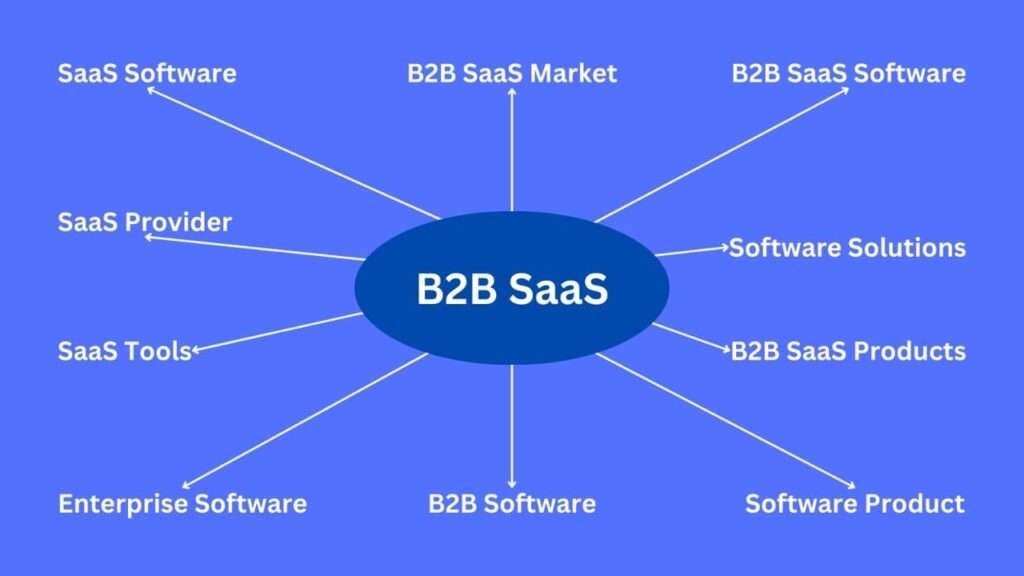
1. SaaS Software:
SaaS stands for Software as a Service. It is cloud-based software used by businesses to access various applications over the internet. Unlike traditional software, SaaS allows companies to subscribe to software solutions without the need for hardware installation. This model provides flexibility and scalability, making it an attractive option for small businesses and startups.
2. B2B SaaS Market:
It is rapidly growing as companies worldwide adopt cloud-based solutions to enhance their operations. With a focus on business-to-business software, this market offers a range of products and services tailored to meet the specific needs of enterprises. The increasing demand for efficient and cost-effective solutions is driving the expansion of the B2B SaaS industry.
3. B2B SaaS Software:
It refers to cloud-based applications designed specifically for business-to-business interactions. These software solutions offer features such as sales performance management, marketing automation, and enterprise resource planning (ERP). By leveraging B2B SaaS software, companies can improve their sales and marketing efforts, streamline their operations, and achieve better overall performance.
4. Software Solutions:
Software solutions in the B2B SaaS space encompass a wide range of applications aimed at solving business problems. From CRM and ERP systems to marketing platforms and e-commerce platforms, these solutions provide companies with the tools they need to operate efficiently. The flexibility and scalability of SaaS software solutions make them an essential component of the modern business landscape.
5. B2B SaaS Products:
B2B SaaS products are cloud-based software solutions tailored for businesses. They focus on streamlining operations and enhancing productivity. Unlike traditional software, these products are often subscription-based, offering flexibility and scalability. Leading B2B SaaS products include CRM systems, project management tools, and marketing automation platforms. They provide a competitive edge by automating tasks and providing insightful analytics.
6. Software Product:
A software product in the B2B SaaS context refers to a cloud-based application designed for businesses. These products address specific industry needs, such as accounting and invoicing software, HR, or sales performance management. Software products in the B2B SaaS space are known for their ease of integration, user-friendly interfaces, and robust security features. They enable companies to improve efficiency without significant upfront investment.
7. B2B Software:
B2B software encompasses a range of applications aimed at meeting the needs of businesses. It includes solutions for marketing and sales, customer relationship management, and supply chain management. B2B software is characterized by its ability to facilitate collaboration, streamline processes, and provide actionable insights. In the world of B2B SaaS, this software is accessible from anywhere, enhancing flexibility and agility.
8. Enterprise Software:
Enterprise software is designed for large organizations to support complex operations and processes. It includes ERP systems, business intelligence tools, and supply chain management solutions. In the B2B SaaS market, enterprise software is cloud-based, offering scalability and real-time data access. It helps companies worldwide to manage their resources efficiently and make informed decisions.
9. SaaS Tools:
SaaS tools are cloud-based applications that provide various services to businesses. They include tools for project management, customer support, and collaboration. SaaS tools are popular among small businesses and startups due to their affordability and ease of use. They enable companies to access advanced technology without significant investment in hardware or software development.
10. SaaS Provider:
A SaaS provider is a company that offers cloud-based software solutions to businesses. These providers manage the infrastructure, SaaS application security, and maintenance of the software. SaaS providers in the B2B space offer a range of products and services tailored to business needs. They play a crucial role in the SaaS industry, enabling companies to leverage the benefits of cloud computing without the complexities of managing it in-house.
5 Benefits of B2B SaaS
B2B SaaS, or business-to-business software as a service, is revolutionizing how companies operate. This cloud-based software model offers numerous advantages, particularly for small businesses and startups. Here are five key benefits of adopting B2B SaaS solutions:
Cost-Effectiveness: Unlike traditional software that requires hefty upfront investments, B2B SaaS operates on a subscription basis. Companies can improve their cash flow by avoiding large capital expenditures and paying only for what they use.
Scalability: B2B SaaS solutions offer the flexibility to scale up or down based on business needs. This is especially beneficial for companies experiencing rapid growth or seasonal fluctuations.
Ease of Use and Maintenance: Software providers handle the maintenance, updates, and security of B2B SaaS applications. This means companies can focus on their core business activities without worrying about software upkeep.
Accessibility: These platforms are accessible from anywhere with an internet connection. This supports remote work and ensures that teams can collaborate effectively, regardless of their location.
Innovation and Integration: B2B SaaS companies often subscribe to solutions that are at the forefront of technology, including Privileged Access Management (PAM) tools, which provide critical security and compliance enhancements. This access to the latest features and integrations with other tools not only bolsters data protection but also enhances overall business efficiency by ensuring that sensitive information is only accessible to authorized users.
In summary, Business-to-Business SaaS offers a better opportunity than traditional software models, particularly for companies looking to stay agile and competitive in the fast-paced business environment.
The B2B SaaS market is a dynamic landscape where software providers cater to businesses. Unlike traditional software, SaaS solutions offer cloud-based software used by businesses for various functions. The world of Business-to-Business SaaS is vast, with companies worldwide leveraging these platforms for efficiency. B2B SaaS platforms are particularly appealing to small businesses and startups due to their scalability and cost-effectiveness.
Leading B2B SaaS companies often subscribe to these solutions to improve their operations. The significance of B2B SaaS lies in its ability to provide software as a service, making it a vital component of the modern business ecosystem.
10 Best B2B SaaS Marketing Strategies for 2024
1. Leverage Content Marketing:
In the world of B2B SaaS, content marketing reigns supreme. By creating informative and engaging content, companies can attract potential customers and establish their brand as a thought leader in the industry. This can include blog posts, whitepapers, and webinars that address the pain points and needs of their target audience. If you’re targeting industrial or technical sectors, exploring proven approaches to marketing for manufacturers can help tailor your content to resonate with that niche.
2. Implement SEO Tactics:
SEO is crucial for Business-to-Business SaaS companies to improve their online visibility and attract organic traffic. This involves optimizing website content with relevant keywords, improving site speed, and building quality backlinks. By focusing on SEO, companies can ensure that their products and services are easily discoverable by potential clients searching for software solutions.
3. Utilize Social Media:
Social media platforms are powerful tools for B2B SaaS companies to connect with their audience and promote their products. By sharing valuable content, engaging with followers, and running targeted ads, companies can increase their brand awareness and generate leads. Platforms like LinkedIn are especially effective for B2B marketing due to their professional user base. To streamline posting and managing content on LinkedIn, a LinkedIn post scheduler app can help companies maintain consistency, optimize posting times, and analyze engagement metrics for better results. When combined with lead management software, these efforts ensure that the leads generated through social media are effectively tracked, nurtured, and converted into customers.
4. Email Marketing Campaigns:
Email marketing remains one of the most effective ways to nurture leads and convert them into customers. SaaS companies can use email campaigns to keep subscribers informed about new features, updates, and offers. Personalization and segmentation are key to ensuring that the content is relevant and valuable to the recipient. Additionally, timely email notifications can help engage users by keeping them updated on critical actions or events.
5. Invest in Paid Advertising:
Paid advertising, such as Google Ads and LinkedIn Sponsored Content, can provide a significant boost to a B2B SaaS company’s marketing efforts. By targeting specific demographics and keywords, companies can ensure that their ads are seen by potential customers who are actively searching for software solutions. This can lead to increased website traffic and higher conversion rates.
6. Focus on the Customer Experience:
Understanding that SaaS companies thrive on subscriptions, enhancing the customer experience becomes paramount. To stay ahead, SaaS providers must ensure their software solutions are not just effective but also user-friendly. Regular feedback loops can help improve products and services, making them more aligned with customer needs. Personalizing the customer journey can significantly increase satisfaction and loyalty among users, driving long-term success in the competitive SaaS industry.
7. Leverage Marketing Automation:
In the world of B2B SaaS, marketing automation stands out as a powerful tool to streamline marketing campaigns and sales processes. By creating automated marketing campaigns, companies can efficiently nurture leads, saving time and resources. Moreover, leveraging AI in marketing automation can provide insights into customer behavior, allowing for more targeted and effective marketing strategies. This approach not only optimizes marketing efforts but also enhances overall sales performance management.
8. Partner with Other B2B Saas Companies:
Collaboration is key in the B2B space. By partnering with other B2B companies, SaaS providers can tap into new markets and expand their reach. This strategy can be particularly effective for small businesses and startups looking to gain a foothold in the crowded SaaS market. Joint marketing campaigns or offering complementary services can create a win-win situation, driving growth and increasing visibility among target audiences.
9. Attend Industry Events:
Attending industry events is a vital strategy for B2B SaaS companies to network, learn about the latest trends, and showcase their solutions. Whether it’s a cloud-based software conference or a general tech meet-up, these events offer a platform to connect with potential clients, other software providers, and influencers in the SaaS world. Engaging in these gatherings can significantly boost a company’s profile and open up new opportunities for collaboration and growth.
10. Implement Account-Based Marketing (ABM):
ABM is a strategic approach where marketing and sales teams work together to target specific accounts with personalized campaigns. For SaaS companies, ABM can be particularly effective in reaching high-value clients. By focusing on the needs and interests of specific businesses, companies can tailor their offerings more precisely, resulting in higher conversion rates. This targeted approach ensures that marketing efforts are more aligned with the overall business objectives, leading to better ROI.
Measuring Success and ROI
Measuring success and ROI in the world of B2B SaaS involves analyzing key metrics. Companies can improve their sales performance management through effective marketing campaigns. Unlike traditional software, SaaS solutions offer scalable advantages. B2B SaaS platforms enable businesses to create automated marketing campaigns, enhancing ROI.
Conclusion
As we have moved to 2024, the B2B SaaS landscape continues to evolve, offering both challenges and opportunities. Companies must stay adaptable, leveraging data-driven insights, personalization, and innovative marketing strategies to stay ahead. By focusing on customer needs, embracing digital transformation, and optimizing marketing efforts, B2B SaaS providers can achieve sustained growth and success in this dynamic industry. Are you ready to navigate the future of B2B SaaS marketing?
FAQs
1. How is the B2B SaaS market expected to grow in 2024?
The Business-to-Business SaaS market is anticipated to grow significantly in 2024. Revenue is projected to reach $232 billion, indicating a continued upward trend in the industry.
2. How important is SEO for SaaS marketing?
SEO is crucial for SaaS marketing. It improves visibility, attracts organic traffic, and generates leads. SEO involves optimizing on-page elements, earning backlinks, and ensuring the website is well-configured for search engine algorithms.
3. What role does AI play in B2B SaaS marketing?
AI plays a significant role in B2B SaaS marketing. It enables personalized experiences, automates repetitive tasks, and provides insights for data-driven decision-making. AI helps optimize marketing campaigns and enhance customer engagement.
4. How can SaaS companies leverage user testimonials in marketing?
Business-to-Business SaaS companies can leverage user testimonials by showcasing them on their website and social media. Testimonials provide real-world proof of the value and effectiveness of their solutions.
5. What is the significance of inbound marketing for B2B SaaS?
Inbound marketing is significant, It focuses on attracting and nurturing leads through valuable content, SEO, and social media engagement. It helps establish authority, build trust, and guide prospects through the sales funnel.
In today’s digital era, media outreach and public relations are rapidly evolving, necessitating platforms like Connectively for effective networking and collaboration. As an innovative successor to HARO (Help a Reporter Out), Connectively connects journalists with expert sources, enhancing media collaboration. It enables journalists to find specific expertise for their stories and allows experts to gain media visibility.
It provides PR professionals with tools to discover media opportunities and enhance client presence. Connectively represents a vital link in today’s fast-moving information landscape, creating an interactive space for story development and expert recognition. By merging HARO’s trusted foundation with advanced technology, Connectively streamlines the complexities of modern media relations.
The Evolution of HARO to Connectively
HARO has long been a cornerstone in the PR and media landscape, serving as a crucial link between journalists and experts. This platform has evolved beyond its initial role, becoming a key network for diverse media connections. Its growth reflects the rising demand for expert-driven content, making it an indispensable tool in the industry.
The transition to Connectively signifies more than a mere name change; it represents a significant enhancement in media outreach. This evolution caters to the needs of the digital era, offering a more effective, inclusive, and impactful approach. Connectively builds on HARO’s foundation, continuing to enrich media stories with diverse expert insights and strengthening visibility for professionals across various sectors.
Transition to Connectively: A New Era in Media Networking
The shift from HARO to Connectively is a major milestone in media networking. This change is more than just a new name; it’s a strategic upgrade, carefully crafted to meet the ever-evolving needs of media professionals in our digital world.
Enhanced Features for Better Collaboration:
Connectively brings a range of new tools that transform how media professionals work together. These tools include instant alerts, a smoother process for handling queries and responses, and personalized user profiles. These improvements not only make the platform more efficient but also more effective in connecting the right experts with the right media opportunities.
User-Friendly Design for Easy Access:
At the core of Connectively’s redesign is a focus on the user experience. The platform has undergone a revamp to make its main features more intuitive, making it easier for users to post a query, reply to a media request, or simply explore what’s available.
Keeping Up with the Fast-Paced Media World:
The media industry is constantly changing and moving quickly. Connectively is built to be flexible and responsive, with tools that keep up with these shifts, ensuring it remains an essential resource for media professionals today.
Connectively’s Customized Features and Services
Connectively stands out with its wide range of features, each tailored to the specific needs of journalists, content creators, subject matter experts, and PR professionals.
For Journalists and Content Creators:
Connectively is a gold mine for journalists and content creators looking for expert sources. The platform allows them to send out detailed queries, pinpointing the exact expertise they need for their stories. This targeted approach not only improves their content but also adds relevance and credibility to their work.
Subject Matter Experts:
Experts in various fields can use Connectively to showcase their knowledge and get noticed in the media world. By creating in-depth profiles that cover their expertise, experience, and past media appearances, they increase their chances of being found and quoted by journalists.
For PR Professionals:
Connectively is a vital tool for PR professionals seeking media opportunities. The platform’s real-time alerts on queries enable them to quickly respond to journalist requests, greatly improving the odds of getting media exposure for their clients.
SEO-Friendly Features:
Every aspect of Connectively is designed with SEO in mind. Journalists and content creators can boost the online visibility of their stories by including expert opinions, while subject-matter experts and PR professionals can improve their own or their clients’ SEO rankings through media mentions and links from reputable sources.
4 Easy Steps to Efficiently Build Backlinks with HARO/Connectively
Building backlinks is a crucial aspect of SEO strategy, and platforms like HARO and Connectively offer unique opportunities in this regard. Here are four easy steps to effectively utilize these platforms for building backlinks:
1. Create a Compelling Profile:
Your first step on HARO/Connectively is to create a profile that stands out. For journalists, this means detailing your publication areas and past work. For experts and PR professionals, highlight your expertise, experience, and areas of interest. A well-crafted profile not only increases your chances of being selected but also makes your contributions more credible and link-worthy.
2. Regularly Respond to Relevant Queries:
Stay active on the platform by regularly responding to queries that align with your expertise. Provide detailed, informative, and unique insights that can add value to the journalist’s piece. The likelihood of using and crediting your response with a backlink to your site or profile increases as your response becomes more relevant and valuable.
3. Craft an Engaging Pitch:
Success in HARO link building largely depends on your pitch. It’s not just about finding the right opportunities; it’s how you present your expertise that counts. With Connectively, pitching is straightforward. Just hit the “Pitch” button on a query that fits your skills. This opens a simple tool where you can craft your response.
When you write your pitch, keep it clear and focused. Answer the journalist’s question, but also add your unique insight or experience. This makes your pitch stand out and increases your chances of being chosen. Remember, a good pitch is your key to success in the competitive world of HARO link-building
4. Monitor Your Mentions and Backlinks:
After your contributions have been published, monitor for mentions and backlinks. Use tools like Ahrefs or tracking software to keep track of where your content is being used. This not only helps in understanding the impact of your efforts but also in building a portfolio of your media appearances.
By following these steps, you can effectively use HARO/Connectively to build backlinks, enhancing your SEO efforts. Remember, consistency and quality are key to making the most of these platforms for your backlink strategy.
User Experience and Interface of Connectively:
Easy Navigation at the Heart of Connectively:
The design of Connectively puts the user experience first. Its interface is intuitive, making it easy for anyone to navigate. Whether you’re looking to find information, respond to a query, or post your own questions, the platform makes these tasks straightforward and efficient. This user-friendly design ensures that even those new to the platform can quickly become proficient in using its features.
Tools to Boost Productivity:
Connectively possesses a variety of organizational tools that are crucial for enhancing productivity. Users can sort through pitches easily, use keywords for efficient searching, and keep track of deadlines without hassle. These features are especially useful for busy professionals who need to manage their time and resources effectively.
The Impact of Connectively on Public Relations and Media:
Transforming Media Relations:
Connectively has made a significant mark on the world of media relations. It offers a streamlined platform that simplifies the process of making connections and collaborating. This ease of use has opened up new possibilities for creating stories and gaining brand exposure, changing the way public relations and media interactions are handled.
Success Stories That Speak Volumes:
The platform is filled with success stories that demonstrate its effectiveness. Journalists using Connectively have discovered unique insights, while experts have gained substantial exposure in the media. These stories testify to how Connectively is reshaping the landscape of media relations, making it easier for meaningful connections to form between journalists and sources.
For example, a small startup company used Connectively to connect with journalists and pitch their innovative product. As a result, they received media coverage from several top-tier publications, leading to increased brand recognition and a boost in sales. Additionally, an industry expert utilized the platform to share their insights on a trending topic, which caught the attention of a major news outlet. This positioned them as thought leaders in their field and opened up new opportunities for speaking engagements and collaborations.
Praise from Users:
The user testimonials for Connectively further highlight its impact. Many have commended the platform for its user-friendly nature, efficiency, and the quality of connections it facilitates. These testimonials are not just words of praise but are evidence of the platform’s role in enhancing the efficiency and effectiveness of media and public relations work.
Conclusion
Connectively has emerged as a groundbreaking platform, transcending its HARO origins to redefine media networking and public relations. It offers an intuitive, user-friendly interface, meeting the needs of journalists, PR experts, and specialists. As a hub for digital media relations, Connectively streamlines connections between journalists and sources, setting new efficiency standards in the industry. It’s not just about queries and responses; it fosters meaningful collaborations, enhancing brand visibility and media relationships.
For media professionals and those seeking expert exposure, Connectively is an essential tool. Its user-friendly design, coupled with robust features, positions it as the top choice in digital media. Looking forward, Connectively is poised to lead in media networking, adapting to the evolving media landscape with a commitment to innovation and user experience. It’s more than a platform; it’s a key resource for modern media professionals, offering the tools and opportunities for success in today’s digital world.