
Many websites fail to gain consistent rankings because they depend entirely on backlinks for visibility. Research from Google shows multiple ranking systems evaluate relevance, content quality, page experience, and technical performance beyond links. Accordingly, SEO without link building helps websites improve visibility through helpful content, technical optimization, and stronger user experiences instead of relying only on external references.
This approach supports sustainable growth while building long-term authority across relevant search results. This complete guide explains practical strategies, proven optimization methods, and realistic expectations for achieving better rankings without depending heavily on backlinks.
What is Link Building?
Link building is the process of earning relevant hyperlinks from other websites toward your pages. Accordingly, quality backlink sources strengthen digital marketing efforts by improving visibility across search results. Search engines evaluate anchor text, niche relevance, and content quality before assigning value.
Additionally, effective link building tactics encourage referral visitors and sustainable organic traffic instead of temporary gains. A well-planned link building campaign supports search engine optimization, although success always depends on helpful content and trustworthy website signals.
Why Does it Matter for Rankings?
Link building matters because high-quality backlinks remain a strong signal supporting search engine rankings. However, relevance, authority, and natural anchor text influence value more than sheer backlink numbers.
Additionally, authoritative references may improve search traffic when combined with excellent content marketing and technical optimization. Consequently, balanced SEO efforts usually outperform aggressive linking practices.
Experience, Expertise, Authoritativeness and Trustworthiness (EEAT) Factor:
Google evaluates Experience, Expertise, Authoritativeness, and Trustworthiness to assess content reliability and usefulness. Accordingly, creators should demonstrate firsthand knowledge, cite reliable sources, and maintain factual accuracy across every page. Google explains these quality concepts within its Search Quality Evaluator Guidelines and Helpful Content guidance.
What is SEO Without Link Building?
SEO without link building emphasizes improving website visibility through on-page improvements, technical performance, and valuable content instead of external references. Accordingly, pages can rank well by satisfying user intent, improving engine optimization, and addressing relevant topics comprehensively.
Additionally, optimized metadata, logical structure, and consistent publishing strengthen website performance. This strategy prioritizes sustainable growth while reducing dependence on acquiring backlinks from third-party websites.
How Search Engines Evaluate Pages Without Backlinks:
Google evaluates pages using numerous ranking systems beyond backlinks, including relevance, helpfulness, usability, and technical quality. Accordingly, meaningful content, accurate information, and page experience help search engines like Google assess overall value. Backlinks are an important ranking factor, but aspects like content quality, topical authority, and a website’s speed also matter equally.
When SEO Without Link Building is a Realistic Strategy:
SEO without backlinks becomes realistic for local businesses, emerging websites, and specialized niche topics with limited competition. Additionally, long-tail keywords often present achievable ranking opportunities because competition remains comparatively lower.
Strong content, optimized pages, and consistent updates gradually improve visibility despite limited external authority. Eventually, expanding authority naturally attracts mentions from relevant websites.
Benefits and Limitations of Ranking Without External Links:
Limitations: Competitive industries usually require external validation because authoritative references act as a vote of confidence in the eyes of Google. Nevertheless, relying exclusively on internal optimization may slow long-term growth within highly competitive search results.
Benefits: SEO without external links reduces outreach efforts while emphasizing quality content and user satisfaction. Consequently, websites build lasting authority through consistent improvements rather than artificial promotion.
How to Rank a Website Without Link Building?
Ranking without link building requires consistent optimization across technical performance, content relevance, and user experience. Firstly, create pages matching audience expectations while maintaining structured information and clear navigation. Additionally, optimize every meta description, improve loading speed, and organize internal connections logically.
Consequently, search engines recognize valuable pages more effectively, supporting sustainable visibility without excessive dependence on external references.
Prioritize Search Intent and Keyword Targeting:

Firstly, identify audience intent before selecting keywords matching genuine questions and realistic expectations. Then, target specific long-tail keywords because they frequently attract qualified visitors with stronger conversion potential.
Relevant keyword placement within headings, body text, and metadata supports stronger topical relevance. Consequently, optimized pages satisfy users while improving visibility across competitive searches.
Build Topical Authority With High-Quality Content:
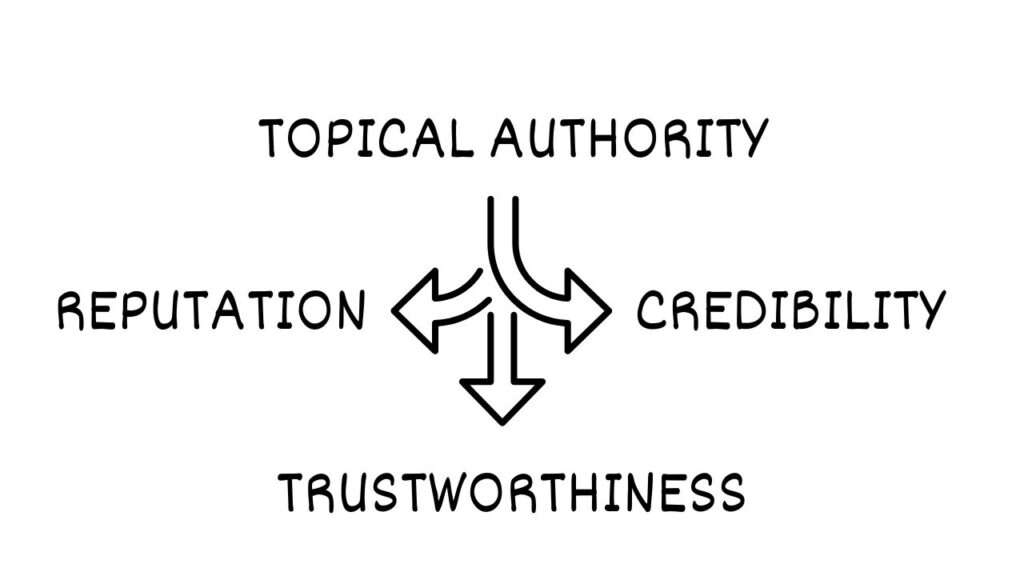
Publish quality content covering related subjects comprehensively instead of isolated articles targeting individual keywords. Additionally, support every page with accurate facts, practical examples, and updated information reflecting user expectations.
Consistent publishing strengthens topical authority while supporting content marketing across related website sections. Consequently, search engines recognize expertise through comprehensive coverage instead of excessive promotional tactics.
Improve User Experience and Engagement Signals:
Improve website usability through faster loading, responsive layouts, and intuitive navigation across every important page. Additionally, clear formatting encourages visitors to remain longer, reducing frustration and increasing meaningful interactions.
Helpful internal navigation supports easier content access while improving overall satisfaction. Consequently, positive engagement complements optimization efforts and strengthens long-term search performance.
Technical SEO
Technical SEO improves a website without changing visible content by optimizing backend performance and accessibility. Accordingly, it helps search engines like Google crawl, interpret, and index pages more efficiently. Strong technical foundations send positive signals to search engines, supporting SEO without link building strategies.
Additionally, proper optimization can help websites rank without backlinks by improving usability, security, and performance. Consequently, businesses often combine technical improvements with content optimization to provide a better user experience and achieve long-term SEO success.
Optimize Crawlability, Indexing, and Site Structure:
Firstly, organize logical navigation because clear structures help Google understand relationships between website pages. Additionally, submit XML sitemaps and maintain accurate robots.txt directives for efficient crawling and indexing.
Well-planned architecture supports ranking without strategies while improving accessibility across important website sections. Consequently, optimized structures increase visibility in search engines without depending entirely on external references.
Improve Core Web Vitals and Page Speed:
Google recommends improving Core Web Vitals because faster websites create better experiences for every visitor. Additionally, evaluate loading performance through PageSpeed Insights, Google Search Console, and mobile-friendliness tools for actionable technical recommendations.
Faster websites often rank well in Google because performance supports positive usability signals. Keep in mind that most of the people nowadays use their phones for everything. So, keeping the website mobile-friendly is recommended by Google.
Use Structured Data and Fix Technical SEO Issues:
Structured data helps Google interpret the content of the page while supporting eligible rich search features. Additionally, resolve crawl errors, duplicate pages, broken redirects, and indexing issues before expanding optimization efforts.
These technical improvements strengthen rankings without unnecessary reliance on external validation. Consequently, websites improve relevance and search visibility through cleaner technical implementation.
On-Page SEO
On-Page SEO focuses on optimizing every visible page element to improve relevance and user satisfaction. Accordingly, successful SEO without link building emphasizes valuable information, keyword relevance, and clear page organization. Strong optimization helps websites rank in Google by matching user intent with helpful content.
Additionally, refined page elements improve engagement while supporting free SEO opportunities through consistent improvements. Consequently, on-page enhancements complement technical optimization and sustainable long-term website growth.
Optimize Titles, Headings, and Content for Target Keywords:
Firstly, place target keywords naturally within titles, headings, and descriptive paragraphs without unnecessary repetition. Additionally, maintain keyword optimization using tools like Yoast SEO to improve readability and metadata quality.
Balanced optimization helps search engines evaluate page relevance more accurately. Consequently, optimized pages improve visibility while supporting sustainable organic growth.
Strengthen Internal Linking Instead of External Links:
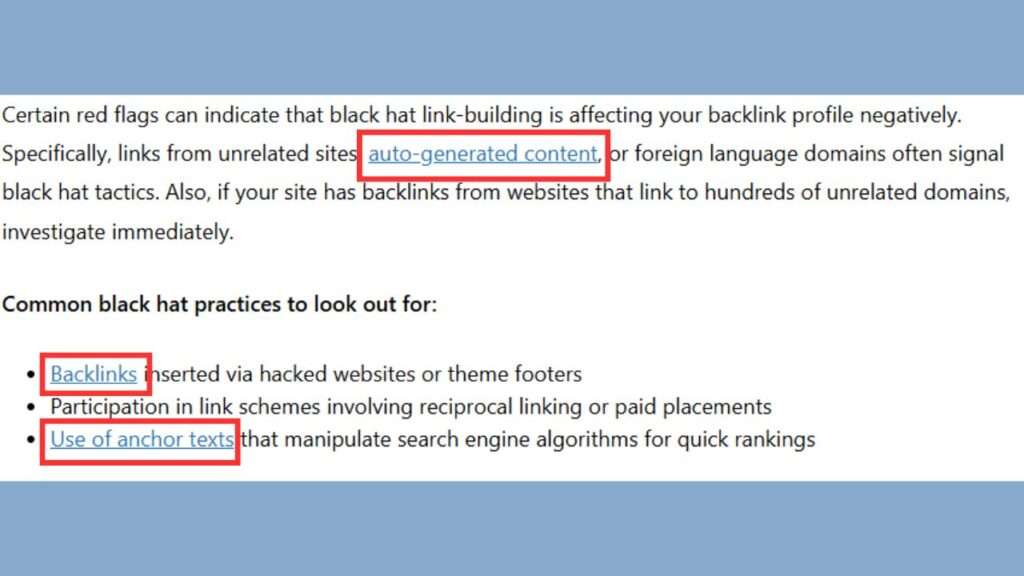
Effective internal linking connects related pages while helping visitors access valuable information more efficiently. Additionally, internal connections distribute authority naturally across important website sections without relying on external link strategies alone.
Logical page relationships also strengthen contextual relevance for search engines. Consequently, organized linking supports stronger user experiences and improved crawling efficiency.
Improve Image Optimization and On-Page SEO Elements:
Effective optimization extends beyond images because several ranking factors influence sustainable search performance. Accordingly, optimize visual assets while improving supporting page elements for stronger relevance.
- Compress images and write descriptive alt text because optimized visuals improve accessibility and loading performance.
- Optimize URLs, headings, and metadata because these elements strengthen contextual relevance across important pages.
- Improve mobile responsiveness and readability because both factors provide a better user experience consistently.
- Use descriptive filenames because they help Google interpret image context more accurately.
- Review page quality regularly because continuous improvements support stronger long-term optimization results.
SEO Strategy for Ranking Without Backlinks
An effective SEO without link building strategy prioritizes technical excellence, valuable content, and consistent website improvements. Accordingly, businesses can achieve SEO success by strengthening topical relevance and user satisfaction. Although link building for SEO remains valuable, many websites initially gain traction through comprehensive optimization alone.
Consequently, sustained improvements gradually support building authority while reducing dependence on aggressive outreach campaigns.
Track Ranking Metrics and Organic Performance:
Monitor keyword positions, impressions, clicks, and conversions using Google Search Console and Google Analytics regularly. Additionally, evaluate traffic patterns before making optimization changes because measurable data supports informed decisions.
Consistent reporting identifies opportunities for stronger performance and sustainable improvements. Consequently, tracking meaningful metrics supports continuous optimization without unnecessary guesswork.
Adapt for AI Search and Evolving Search Engine Algorithms:
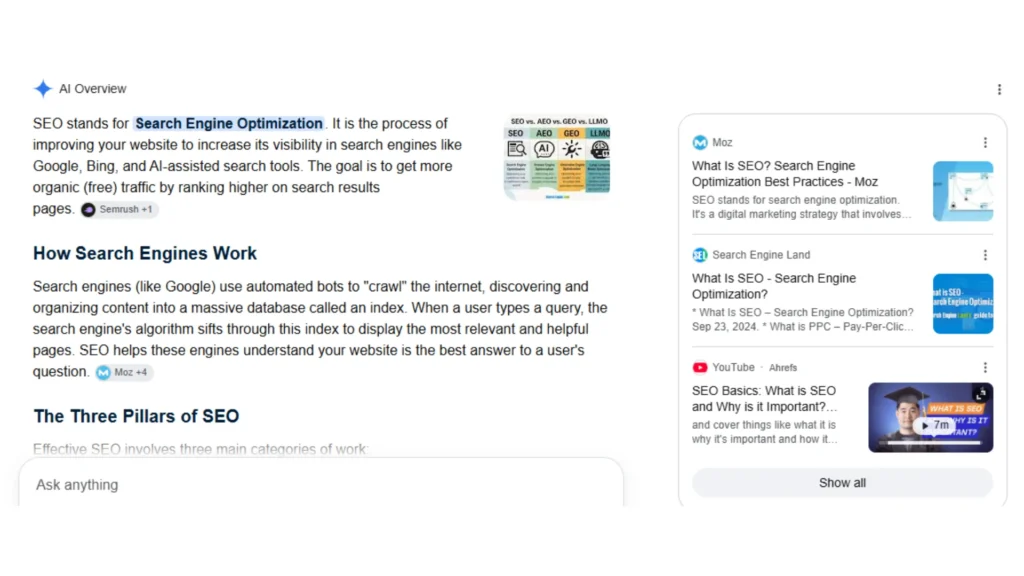
Search behavior continues changing because AI-powered experiences increasingly influence information retrieval and user expectations. Accordingly, optimize content for AEO (Answer Engine Optimization) and GEO (Generative Engine Optimization) alongside traditional SEO practices.
Helpful, accurate, and structured information supports evolving search experiences effectively. Consequently, adaptable strategies remain competitive despite frequent algorithm updates.
When to Build Links as Your Website Grows:
Eventually, getting other websites to link naturally strengthens growing websites after strong content foundations already exist. Additionally, link building can help competitive pages gain additional authority within challenging industries.
Focus on relevance instead of the number of link-building opportunities because quality consistently outweighs quantity. Consequently, a reputable digital marketing agency may support ethical outreach when sustainable growth requires additional authority.
Conclusion
SEO without link building proves that sustainable growth depends on far more than earning external references. Accordingly, improving technical SEO, on-page optimization, helpful content, and internal linking creates stronger signals for search engines over time. Although backlinks remain valuable, websites can still achieve meaningful progress by prioritizing user intent and consistent quality improvements.
Eventually, combining technical excellence with relevant content builds lasting authority and prepares websites for future algorithm updates. Focus on continuous optimization instead of shortcuts, and measure performance regularly for better long-term results. Which SEO strategy will you implement first to improve your website without relying heavily on backlinks?
FAQs
1. Is it possible to rank without backlinks?
Yes, ranking without backlinks is possible for low-difficulty keywords with lower competition and modest search volumes. Strong content, technical SEO, and search intent optimization can achieve results.
However, higher-difficulty keywords and competitive search volumes usually require extensive backlink strategies. Quality link acquisition becomes increasingly important as competition grows.
2. Does internal linking help SEO?
Yes, internal linking helps search engines understand page relationships and distribute authority across your website. It also improves navigation and user engagement.
3. Can technical SEO improve rankings without backlinks?
Yes, technical SEO improves crawlability, indexing, page speed, and overall user experience. These factors support stronger visibility even without external links.
4. How long does SEO without link building take?
Results vary by competition, website quality, and keyword difficulty. Many websites notice gradual improvements within several months of consistent optimization. Others may take 1-2 years to see a movement in their rankings.
5. Does Google require backlinks for every page?
No, Google does not require backlinks for every page. Helpful, relevant, and technically optimized pages can still earn visibility through multiple ranking signals.


💬 Comments 0
No comments yet. Be the first to share your thoughts! 💬
✍️ Leave a Comment